Europe’s Missile Move: Rheinmetall and Destinus Join Forces for Cruise Missiles
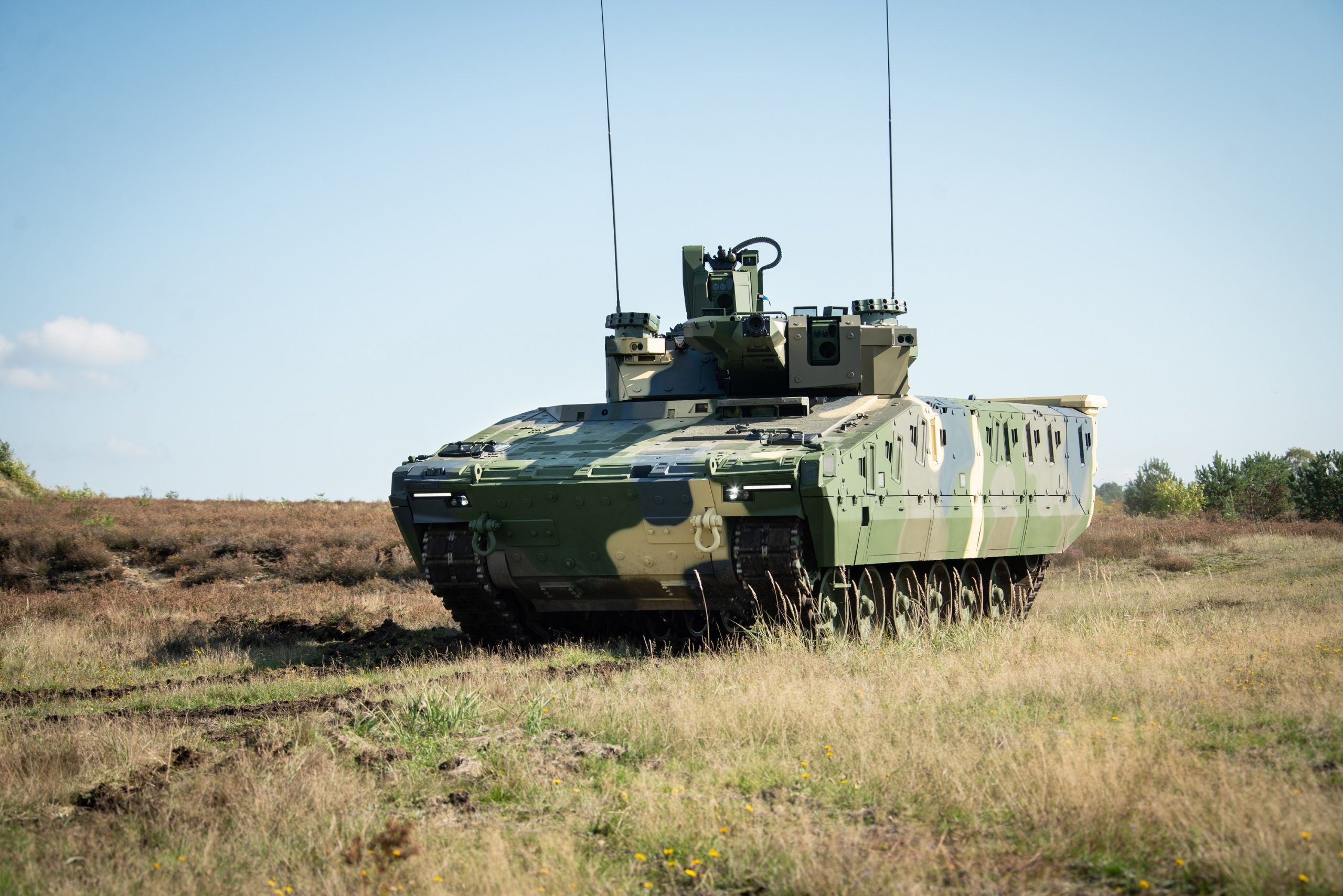
- Joint venture: Rheinmetall Destinus Strike Systems
- Partners: Rheinmetall (Germany) 51% — Destinus (Netherlands) 49%
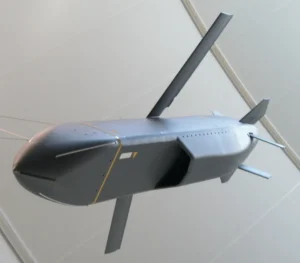
- Products: advanced cruise missiles and ballistic rocket artillery systems
- Formation: second half of 2026 (pending regulatory approval)
- Rationale: demand is now ‘thousands of systems per year’ — Kokorich
Europe’s hunt for scale in weapons production
After the war in Ukraine, Europe faced a hard truth: the continent’s defense industry was running at peacetime tempo and could not feed the appetite of a war of attrition. The Rheinmetall-Destinus partnership claims to close exactly that gap. The new company will be called Rheinmetall Destinus Strike Systems; the German giant keeps control with 51%, while Dutch Destinus brings technology and system design with 49%.
The merger fuses two different strengths. On Rheinmetall’s side sit the experience of managing large-scale programs and serial-production capacity; on Destinus’s, the missile and system-design know-how of an agile technology firm. Rheinmetall CEO Armin Papperger framed the venture as precisely the sum of those two capabilities.
Destinus CEO Mikhail Kokorich captured the underlying logic in a single line: recent wars show demand is no longer measured in ‘limited batches’ but in ‘thousands of systems per year.’ What makes the picture more interesting is that the venture does not stop at cruise missiles; ballistic rocket artillery is on the production line too — deep strike and frontline artillery under one roof.
A continental rearmament wave — and Türkiye
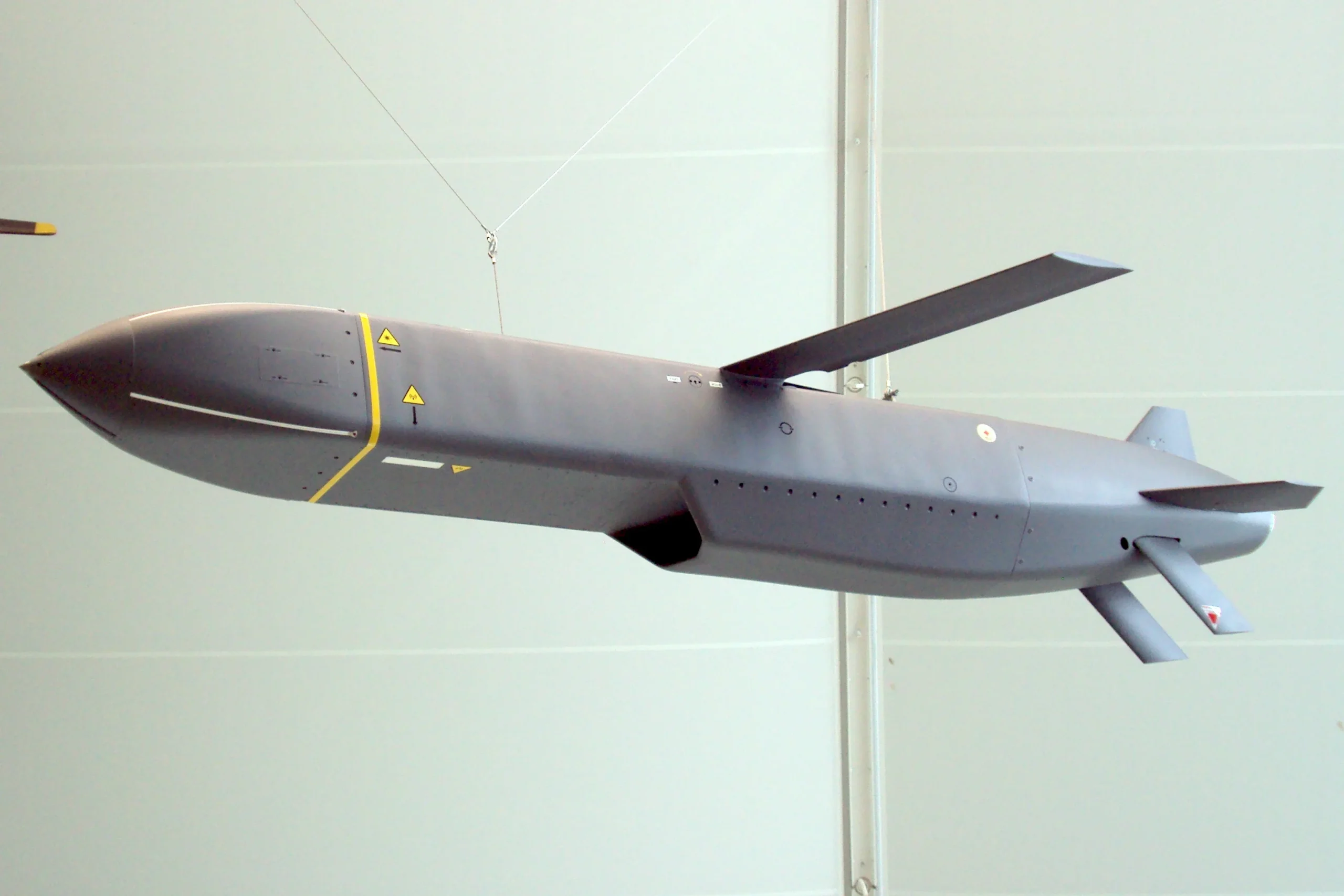
This is not a standalone corporate story but part of Europe’s rearmament wave. In March, Rheinmetall struck a strategic partnership with Boeing on the MQ-28 Ghost Bat unmanned aircraft, while Destinus completed drone-autonomy testing with Shield AI that same month. Step back, and the German giant is building a full-spectrum defense industry stretching from land to air to missiles.
The European Commission is funding the trend as well. Of the €1.5 billion program set aside for 2026-2027, more than €700 million goes to ramping up production of missiles, ammunition and counter-drone systems. The continent is racing toward the same goal through both industrial mergers and public funds: more weapons, made faster.
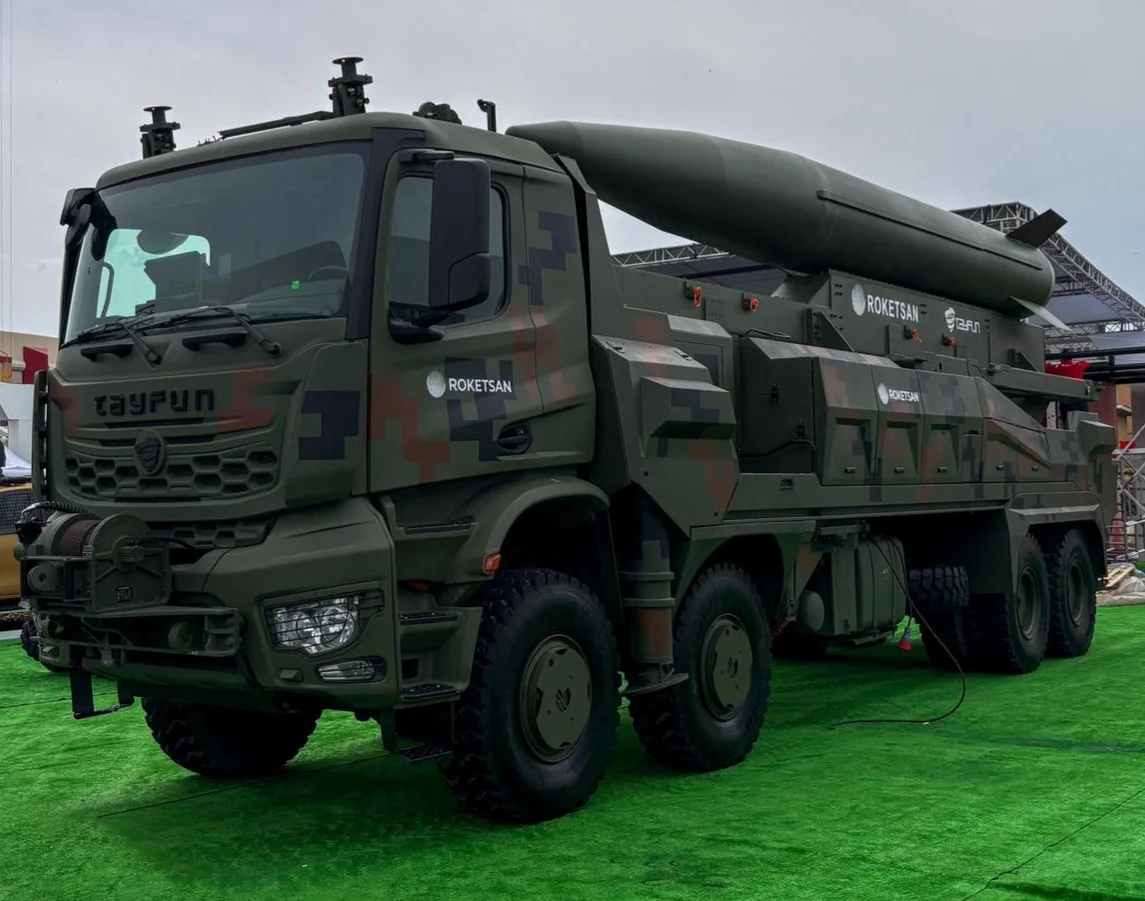
The Turkish angle offers a striking comparison. Roketsan’s TAYFUN ballistic missile, the SOM and the GEZGİN cruise missile under development, alongside the KASIRGA rocket artillery, show that Türkiye has spent years building — with its own means — the very ‘deep strike plus mass production’ capability Europe is now scrambling to assemble. While Europe merges two firms to reach scale, Ankara has largely already built the same capability set through its national industry.