UK Retires Storm Shadow: Cheaper Cruise Missiles at Half the Cost Take Its Place

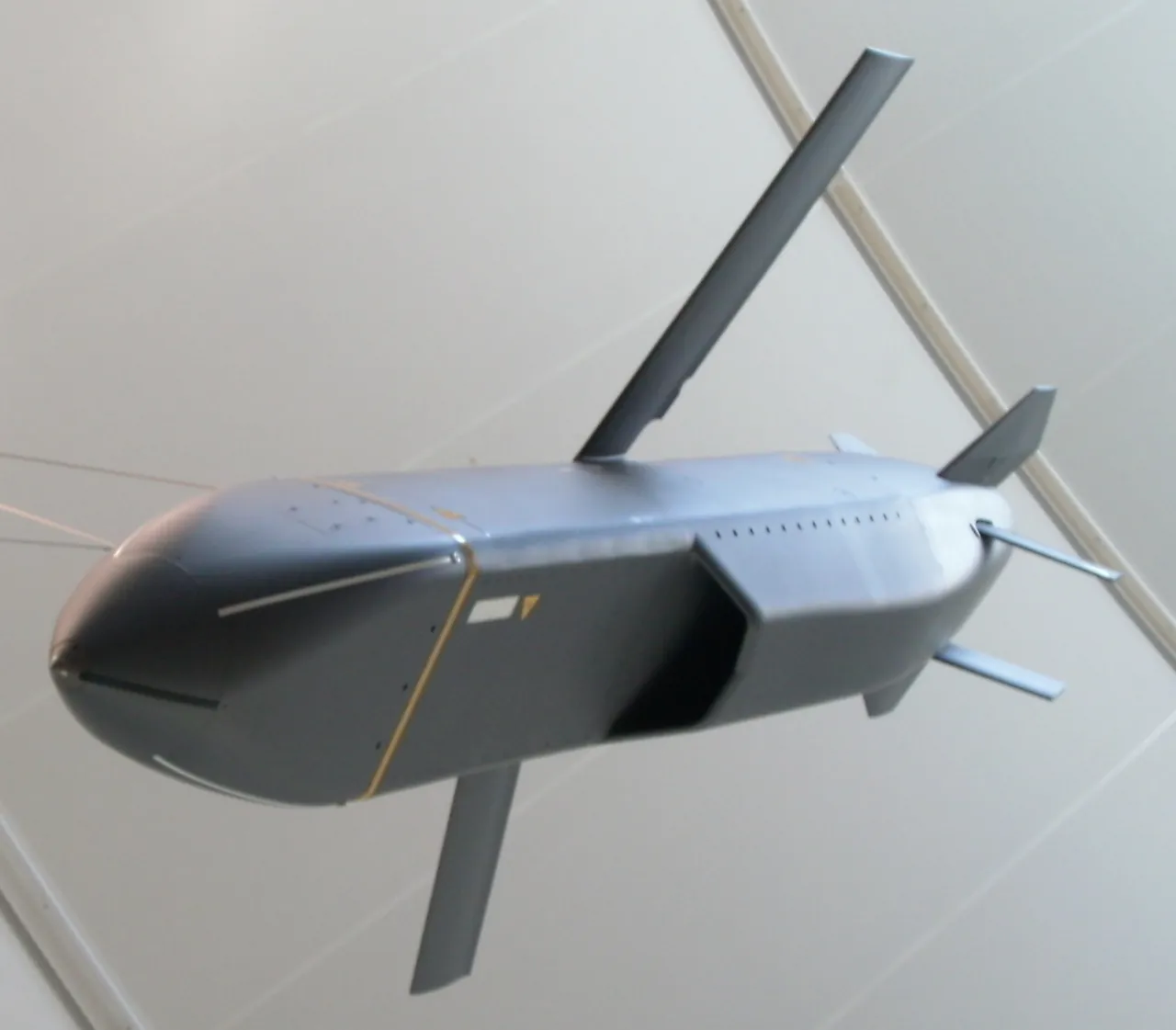
According to Defense Express, the United Kingdom is gradually withdrawing the quarter-century-old Storm Shadow / SCALP-EG cruise missile as part of its Defence Investment Plan. London has allocated around 300 million pounds (about 398 million dollars) to develop new, cheaper cruise missiles grounded in combat experience from Ukraine and in recent technological advances. The goal is clear: lower per-unit cost to field far more missiles, in other words to achieve “mass.”
At a Glance
| Decision | Storm Shadow phased retirement |
| Budget | ~£300m for new missiles |
| Total | ~£1.4bn through 2030 |
| Cost | Roughly half unit price |
| Platform | Typhoon + new frigates |
| Source | Ukraine combat lessons |
Background: Why Storm Shadow Is Being Retired
Storm Shadow / SCALP-EG is a stand-off cruise missile built by the Anglo-French joint venture MBDA, with a range exceeding roughly 250 kilometres and low-observable features. For about a quarter century it formed the Royal Air Force’s primary deep-strike capability. The Storm Shadow missiles supplied to Ukraine proved their worth with precise strikes against rear-area command posts, logistics nodes and hardened targets.
Yet the same conflict showed that high-cost, limited-production missiles are depleted quickly in a modern war of attrition. Replenishing stocks of an expensive weapon is both costly and slow. That lesson pushed London toward a cheaper, mass-producible alternative.
A New Generation of Cheaper Cruise Missiles
The new programme will first develop an air-launched variant, followed by land and naval versions. Officials say the unit cost of the new missiles will be nearly half that of Storm Shadow. As a result, the same budget will buy far more missiles, putting the philosophy of “mass” front and centre.
The programme envisions a total of around 1.4 billion pounds (about 1.86 billion dollars) through 2030. These missiles will arm Typhoon fighters and the new frigates now being built. Both air and naval platforms will thus gain a low-cost, high-volume strike layer.
Stratus and a Layered Strike Architecture
The cheaper cruise missiles are not being fielded alone. They will sit alongside the more advanced “Stratus” missile, designed for the most demanding and well-defended targets. In this way the United Kingdom aims to build a layered strike architecture that combines high-end capability with low-cost mass.
The approach reserves the expensive, scarce advanced missiles for critical targets while using the abundant cheap missiles across a wide target set. It is part of a broader trend that is recalibrating the cost-effectiveness balance in modern air operations.
Why It Matters for Turkey
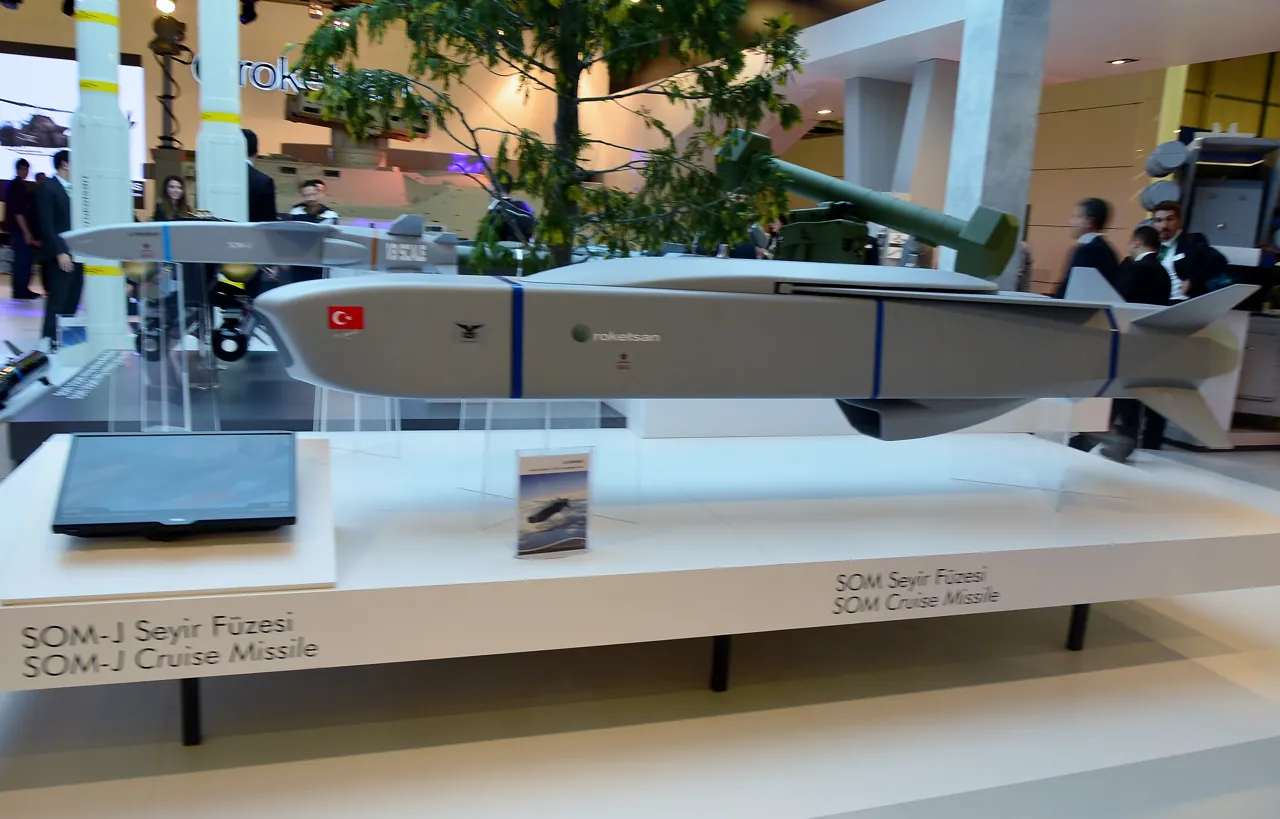
Turkey has long held the “cost-effective mass” philosophy that the United Kingdom is only now embracing. ROKETSAN’s SOM family is a direct counterpart to Storm Shadow: the SOM air-launched stand-off cruise missile with a range of roughly 250 kilometres, and SOM-J, designed to fit inside the F-35’s internal weapons bay, form Turkey’s stand-off strike layer. At sea, the ATMACA anti-ship cruise missile is in service, while on land the GEZGİN land-attack cruise missile, with a range exceeding 1000 kilometres, places Turkey in the Tomahawk class.
Turkey’s real edge is that it already covers both ends of the layered structure Britain is now trying to build: the high end (GEZGİN) and the low-cost, high-volume end (ÇAKIR). The multi-purpose lightweight cruise missile ÇAKIR aligns precisely with the “cheap missile, high numbers” philosophy, and systems such as KUZGUN widen this spectrum. Moreover these missiles are sovereign, domestically produced designs; they carry no ITAR restrictions and are free for export. In short, the point Britain plans to reach by 2030 is where the Turkish defence industry effectively stands today.
Storm Shadow Retirement and the New Programme
| Item | Detail |
|---|---|
| Being retired | Storm Shadow / SCALP-EG |
| New budget | ~£300m (~$398m) |
| Total through 2030 | ~£1.4bn (~$1.86bn) |
| Unit cost | About half of Storm Shadow |
| Platforms | Typhoon, new frigates |
| High-end tier | Stratus missile |
Frequently Asked Questions
What is Storm Shadow?
It is a stand-off cruise missile built by the Anglo-French MBDA, with a range exceeding 250 kilometres and low-observable features. It has been used in Ukraine to strike targets deep behind Russian lines.
Why is the United Kingdom retiring Storm Shadow?
Its high unit cost and limited producibility meant stocks depleted quickly in modern attritional warfare. London is pursuing “mass” with cheaper, mass-producible missiles.
How much cheaper will the new missiles be?
According to officials, the unit cost of the new cruise missiles will be nearly half that of Storm Shadow, allowing far more missiles to be produced for the same budget.
Where does Turkey stand in this field?
Turkey already covers both the high-end and low-cost tiers domestically with SOM, SOM-J, ATMACA, GEZGİN, ÇAKIR and KUZGUN. The “cheap mass” philosophy Britain is chasing is already embodied in ÇAKIR.