Kızılelma Flies With M-346 for the First Time: Baykar–Leonardo Begin Live K-SWARM Trials

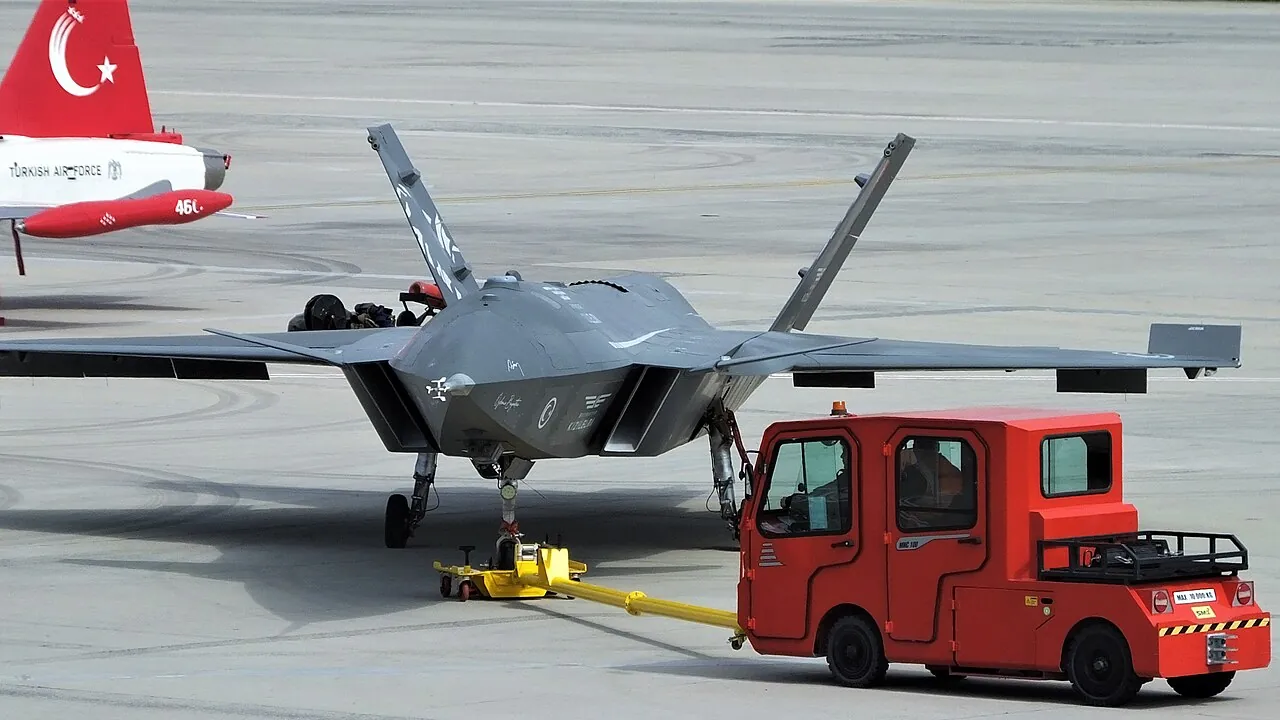
Italy’s Leonardo and Turkish drone maker Baykar have crossed an important threshold in their joint K-SWARM programme. According to Leonardo’s official statement of 22 June 2026, the two companies’ platforms flew together for the first time, validating scenarios in which a crewed aircraft commands an uncrewed combat aircraft.
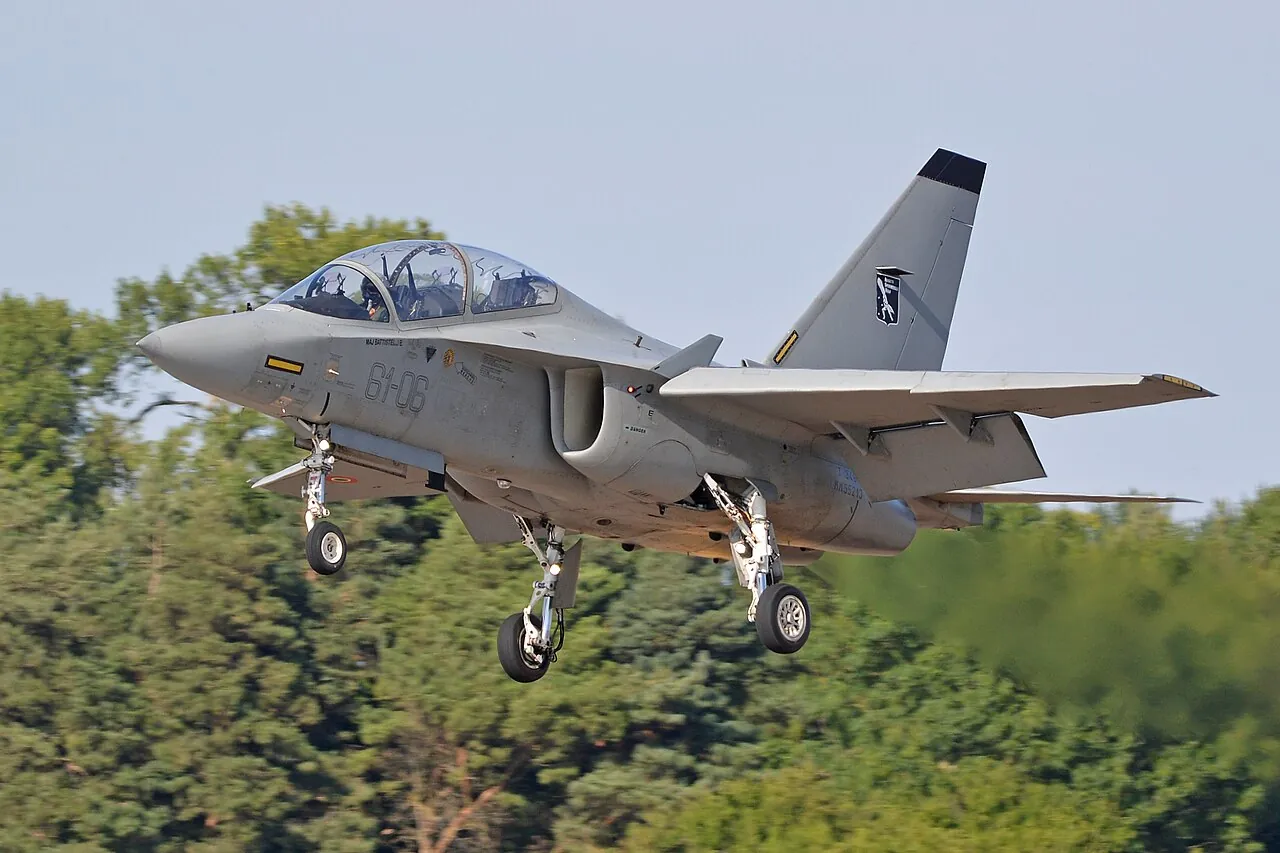
The flight campaign took place in May 2026 at Baykar’s Flight and Test Centre in Çorlu, Türkiye, marking the programme’s transition from simulator-based validation to live operations. Three aircraft took part: a Leonardo-owned M-346 Fighter Attack (FA) acting as the command platform, a Bayraktar Kızılelma uncrewed combat aircraft, and an Italian Air Force T-346A serving as a chase aircraft for monitoring and data collection.
The development is a concrete output of Turkish-Italian cooperation in manned-unmanned teaming (MUM-T), and shows that Kızılelma can operate not only independently but also as a swarm element under the control of a lead aircraft.
| Programme | K-SWARM (crewed-uncrewed teaming) |
| Partners | Leonardo (Italy) and Baykar (Türkiye) |
| Platforms | M-346 FA · Bayraktar Kızılelma · T-346A (chase) |
| Location | Çorlu Flight and Test Centre, Türkiye |
| Timing | May 2026 trials · announced 22 June 2026 |
| Stage | First transition from simulator to live flight |
What K-SWARM Is and Why It Matters
K-SWARM is a manned-unmanned teaming programme designed to let a crewed aircraft manage uncrewed platforms in real time. An application of the loyal wingman concept now central to modern air warfare, it aims to offload part of the most expensive and risky tasks onto uncrewed platforms, reducing pilot workload and improving mission efficiency.
In this programme Leonardo handles algorithm and tactics development, system integration and cyber defence — drawing on its PC2LAB and Avionic and Flight Control Innovation Labs in Turin and the M-346 Full Mission Simulator in Venegono. Baykar provides smart fleet autonomy software and hardware-software development; the algorithms enabling the autonomous rejoin were developed at Baykar’s Hardware-in-the-Loop (HIL) Laboratory.
What Was Tested in Flight
Following an autonomous taxi and take-off, the Kızılelma autonomously rejoined the M-346 Fighter Attack, after which the M-346 assumed full control of the uncrewed aircraft. Using a newly developed integrated avionic suite, the M-346 pilots issued different formation commands that Kızılelma executed autonomously through a dedicated crewed/uncrewed computing system.
Manoeuvres including position changes, separations and rejoins were tested, with Kızılelma reported to have responded accurately to the M-346’s commands. The companies said they plan additional flight tests in the coming months featuring increased operational complexity, enhanced situational-awareness requirements and expanded collaborative mission functions.
| Role | Leonardo | Baykar |
|---|---|---|
| Main contribution | Algorithms and tactics, system integration, cyber defence | Smart fleet autonomy, hardware-software |
| Platform | M-346 FA (command) · T-346A (chase) | Bayraktar Kızılelma (uncrewed) |
| Infrastructure | PC2LAB Turin · M-346 simulator Venegono | Hardware-in-the-Loop (HIL) Laboratory |
European and Mediterranean Context
The programme is one of the most visible recent examples of Turkish-Italian defence-industrial convergence. The two countries had previously signalled their intention to pair Kızılelma with the M-346; these live flights can be read as that intent reaching the field.
At the same time, manned-unmanned teaming is moving to the centre of air warfare worldwide. While the U.S. Collaborative Combat Aircraft (CCA) programme and Europe’s next-generation fighter projects follow similar logic, the Leonardo-Baykar axis stands out by quickly bringing a trainer-attack jet and a combat-capable uncrewed platform together in live flight.
Why It Matters for Turkey
Kızılelma is Turkey’s flagship uncrewed combat aircraft project. These trials show it maturing not only as a standalone platform but as a swarm element operating under a lead aircraft’s command. The same autonomy architecture is directly relevant to future teaming between Turkey’s indigenous fighter KAAN and uncrewed platforms.
Turkey is already developing the ability to deploy an uncrewed air asset from the sea with TCG Anadolu; combine Kızılelma’s deck operations with the loyal-wingman concept and Ankara joins a small group of actors worldwide pursuing this capability. Read alongside low-observable platforms such as ANKA-3, the maturing of indigenous autonomy software is a critical edge for the future of Turkish air power.
Conducting the trials with a foreign partner also strengthens the export and co-production potential of Turkish systems — a model that brings indigenous production and international cooperation under one roof.
Frequently Asked Questions
What exactly does K-SWARM do?
It is a manned-unmanned teaming programme that lets a crewed aircraft command an uncrewed combat aircraft in real time. Kızılelma autonomously executes the formation commands issued by the M-346 pilot.
Where and when were the trials held?
In May 2026 at Baykar’s Flight and Test Centre in Çorlu, Türkiye; announced on 22 June 2026.
Which platforms took part?
A Leonardo-owned M-346 Fighter Attack command aircraft, a Bayraktar Kızılelma uncrewed combat aircraft, and an Italian Air Force T-346A chase aircraft.
Is this linked to KAAN?
Not the KAAN programme directly, but the crewed-uncrewed architecture developed here could underpin future teaming between KAAN and uncrewed platforms.
Bottom Line
The first live K-SWARM flights demonstrated in the field that Kızılelma can operate autonomously under a lead aircraft’s command. For Turkey, the milestone marks both the maturing of indigenous autonomy software and the opening of a door to international co-production.
Sources
- Leonardo — official press release (22 June 2026) — primary, official
- Defence Industry Europe — technical detail
- FlightGlobal — verification