Bayraktar TB2 vs MQ-9 Reaper: Two Different Drone Mission Concepts

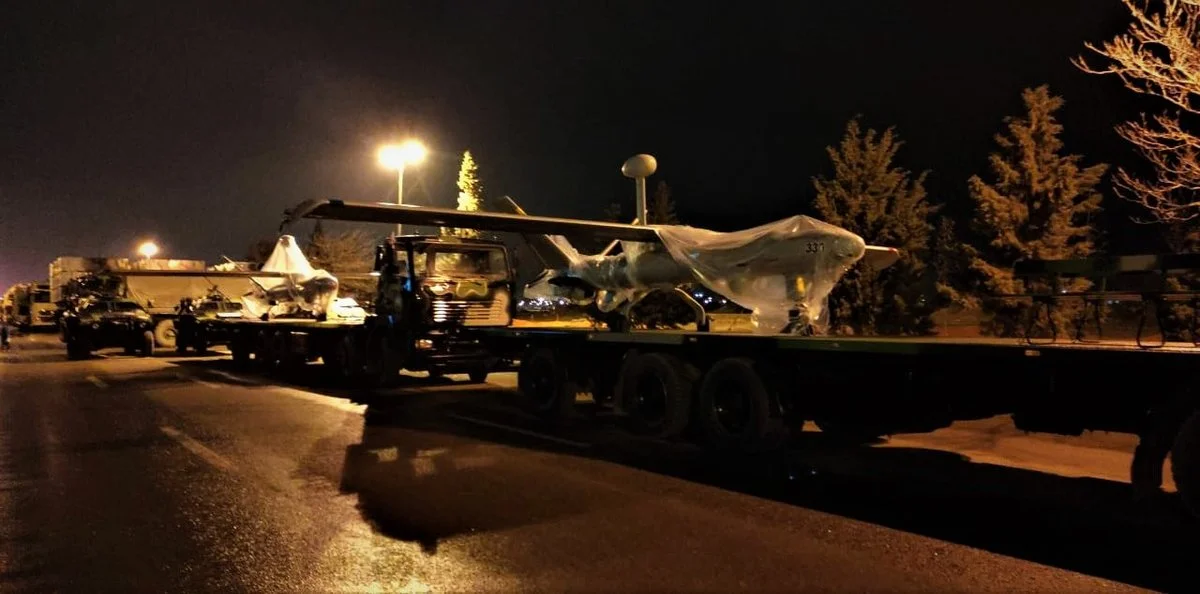
When it comes to unmanned aircraft, the two platforms most often set against each other are the Bayraktar TB2 and the American MQ-9 Reaper. Yet they are frequently — and wrongly — weighed on the same scale. According to open sources, the two serve different mission concepts.
This piece compares them without crowning a winner: on payload, altitude, endurance, cost and operator base.
Difference in Mission Concept
The TB2 was designed as a tactical platform that can be fielded in numbers at relatively low cost. Optimized for brigade/division-level ISR and precision strike, it sits on a concept whose operational cost stays manageable even if an airframe is lost.
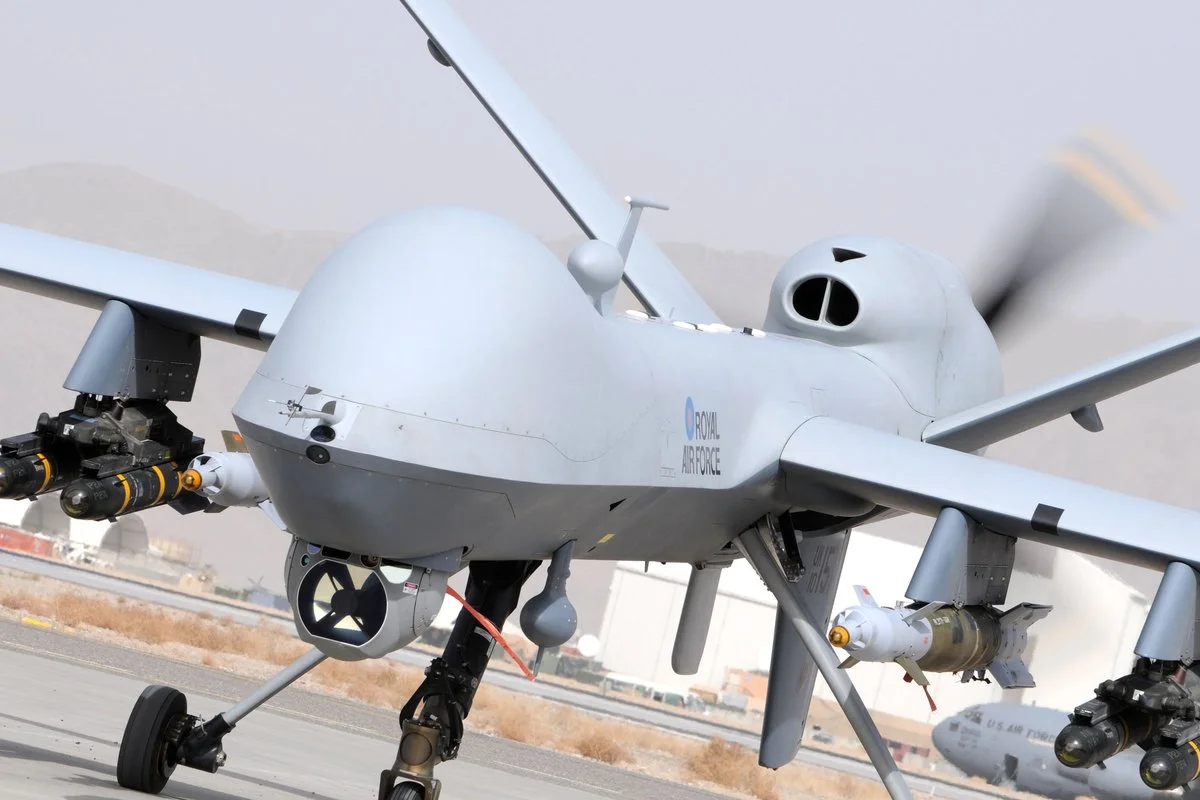
The MQ-9 Reaper is a larger, higher-flying strategic system that carries far heavier payloads. Wide-area intelligence, long-range missions and a substantial weapons load define its concept — which also makes it far more expensive per unit and operated in smaller numbers.
Head-to-Head Specifications
| Specification | Bayraktar TB2 | MQ-9 Reaper |
|---|---|---|
| Maker | Baykar (Turkey) | General Atomics (USA) |
| Class | Tactical MALE UAV | Medium-altitude long-endurance (MALE) |
| Payload | ~150 kg class | ~1,700 kg class per open sources (int+ext) |
| Ceiling | ~25,000 ft class | ~50,000 ft class |
| Endurance | ~27 h (open source) | ~27 h (open source) |
| Mission | Tactical ISR + precision strike | Strategic ISR + heavy strike |
| Export | Many operator nations | Subject to US export controls |
| Cost concept | Low cost, proliferable | High cost, limited numbers |
Operators and Operational Use
Per open sources, the TB2’s defining trait is its broad operator base; adoption by many nations sets it apart in export terms. The Reaper is fielded by the US and close allies, with tightly controlled exports.
Both have been used across different conflict environments. In terms of operational use, the effectiveness of each depends heavily on the opposing air-defense picture: both perform well in low-to-medium-threat settings, while both classes are at risk against dense air defenses.
Edge Cases and Limitations
The TB2 leads on cost, proliferation and tactical flexibility; its limits are payload and ceiling. The Reaper is ahead on payload, altitude and sensor capacity; its limits are high unit cost and export restrictions.
What It Means for Turkey
For Turkey the TB2 represents a capability produced — and exported — without dependency. For Reaper-class heavy missions, Turkey’s own answer is larger platforms such as the Bayraktar Akıncı. So rather than direct rivals, TB2 and Reaper are best read as solutions belonging to different mission tiers.
Assessment
Taken together, the technical data make ‘which is better’ the wrong question. The two diverge by range, payload and use scenario: one offers low-cost tactical reach, the other high-capacity strategic depth.
Given operators’ choices, the real question is not ‘which is superior’ but ‘which for which mission.’
Compare TB2, Reaper, Akıncı and other combat drones with real data:
Sources: Baykar official product page · U.S. Air Force MQ-9A Reaper fact sheet · General Atomics ASI official site · SIPRI Arms Transfers database.