T129 ATAK vs Mi-28 Havoc: Full Technical Comparison of Two Attack Helicopters

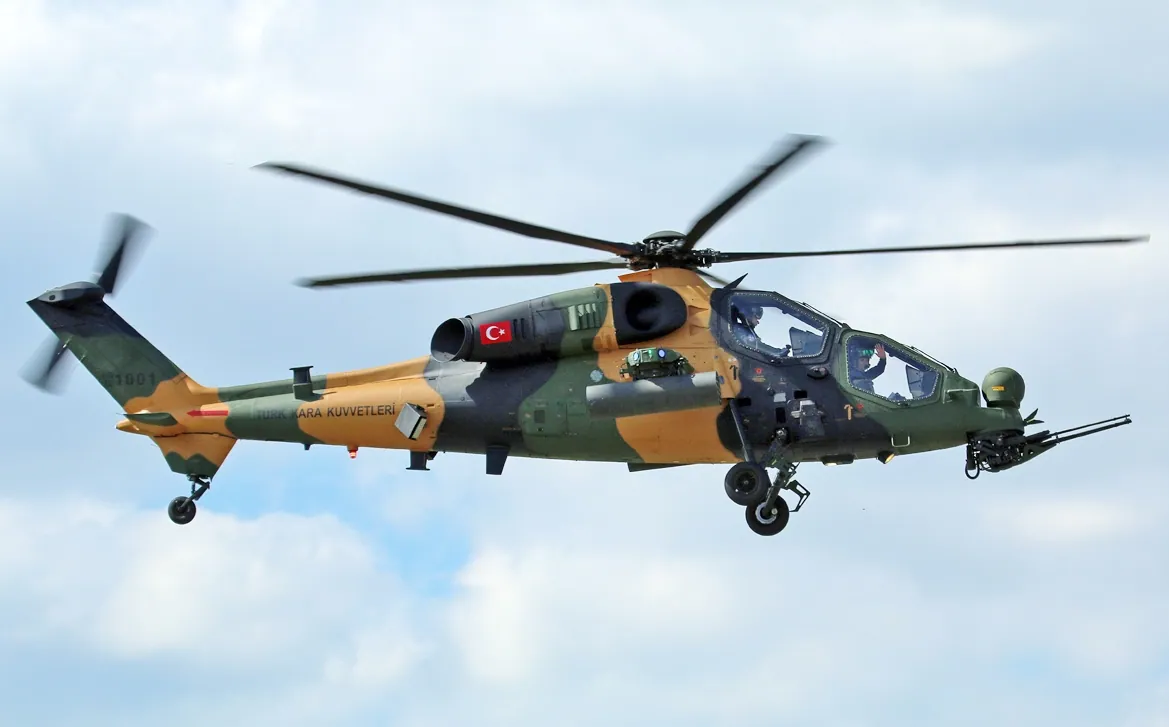
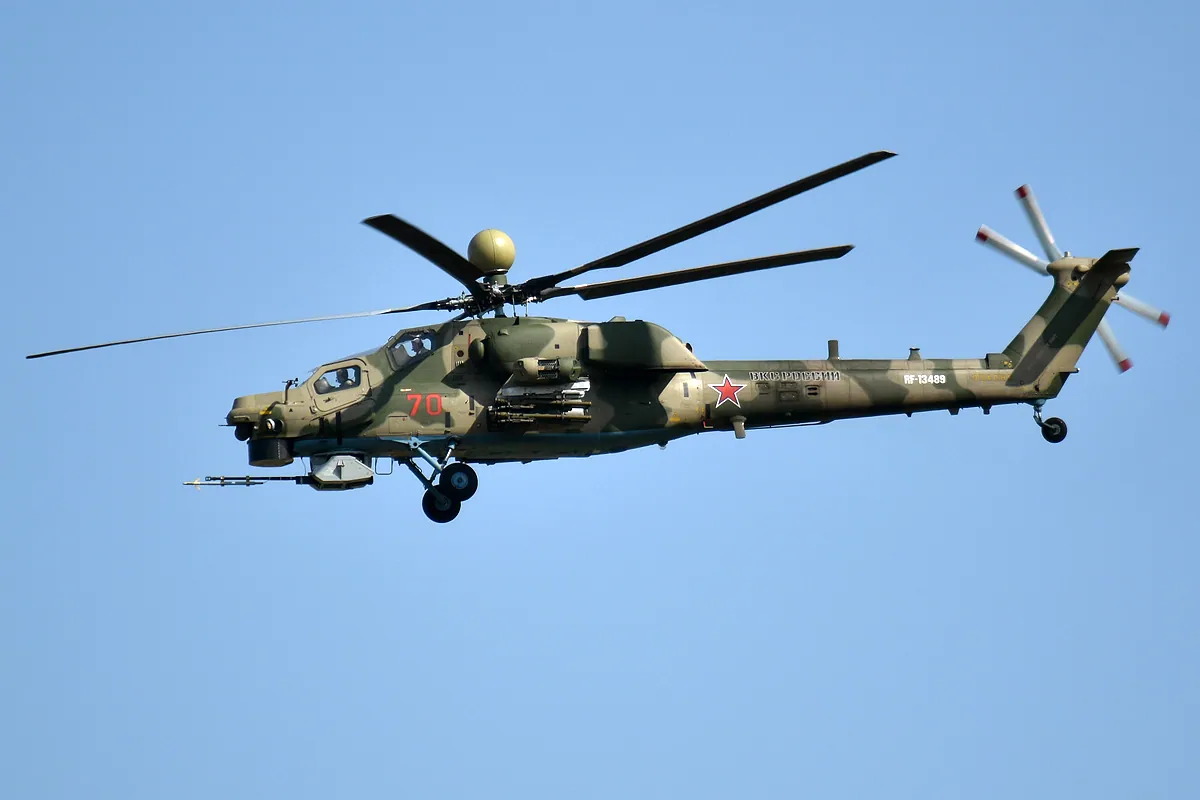
Two attack helicopters from opposite sides of the doctrinal divide: Turkey’s T129 ATAK, a NATO-interoperable medium gunship, and Russia’s Mil Mi-28 Havoc, a heavy anti-armour platform. They were never meant for the same weight class, which is exactly why the comparison is instructive.
Comparison Summary
The Mi-28 is a heavier, more heavily armed gunship built around raw anti-armour firepower. The T129 ATAK is a lighter, more agile platform with Western avionics, precision-guided Turkish munitions and a growing NATO-aligned export footprint.
For a buyer the choice is less about a winner and more about ecosystem: Russian supply chain and heavy payload, or NATO interoperability, precision and export availability.
What is the T129 ATAK?
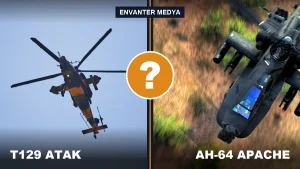
The T129 ATAK is a twin-engine, tandem-seat medium attack helicopter developed by Turkish Aerospace (TUSAŞ) from the AgustaWestland A129 Mangusta. Its avionics, electro-optics and weapons are largely indigenous (Aselsan, Roketsan, TÜBİTAK).
Optimised for hot-and-high, mountainous operations, it has been in Turkish service since 2014 and is combat-proven in counter-insurgency and cross-border operations.
What is the Mil Mi-28 Havoc?
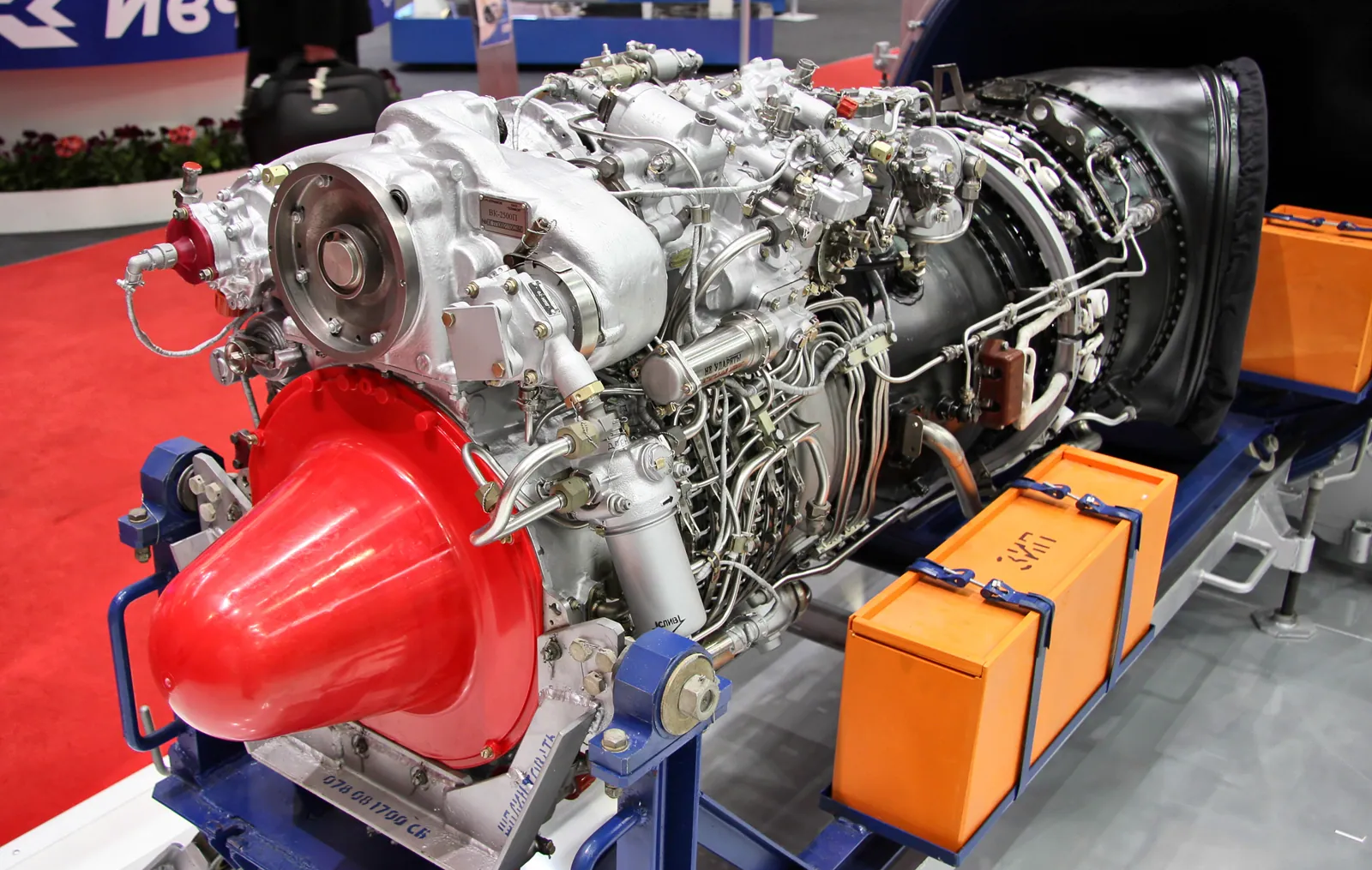
The Mil Mi-28 Havoc is a Russian all-weather, dedicated anti-armour attack helicopter. The latest Mi-28NM variant adds an H025 mast radar, the Izdeliye-296 fire-control suite and uprated VK-2500P engines.
It is a heavy gunship designed to survive battlefield fire and deliver large volumes of guided and unguided ordnance against armour and fortifications.
Technical Comparison
| Specification | T129 ATAK | Mil Mi-28 Havoc |
|---|---|---|
| Manufacturer | TUSAŞ (Türkiye) | Mil / Russian Helicopters |
| Class | Medium | Heavy |
| Entered service | 2014 | 2006 (NM: 2019+) |
| Fuselage length | ≈ 14.5 m | 17.0 m |
| Main rotor diameter | 11.9 m | 17.2 m |
| Empty weight | ≈ 2,530 kg | ≈ 8,095 kg |
| Max take-off weight | ≈ 5,000 kg | ≈ 11,700 kg |
| Engines | 2 × LHTEC CTS800-4A | 2 × Klimov VK-2500P |
| Power (each) | ≈ 1,361 shp | ≈ 2,200–2,500 shp |
| Top speed | 281 km/h | 324 km/h |
| Combat range | ≈ 561 km | ≈ 435 km |
| Main gun | 20 mm 3-barrel | 30 mm 2A42 |
| Crew | 2 | 2 |
Engine and Powerplant
The Mi-28 is far more powerful, with two Klimov VK-2500P turboshafts driving a much heavier airframe. The ATAK’s LHTEC CTS800 produces about 1,361 shp per engine — adequate for a 5-tonne platform. Crucially, Turkey is fielding the indigenous TEI TS1400 (1,400 shp) to remove the US export-licence dependency that constrained ATAK exports in the past.
Mobility and Performance
The ATAK trades payload for agility: lower weight makes it nimble in tight valleys and at altitude. The Mi-28 leverages power and armour for survivability and ordnance load rather than finesse.
Radar and Sensors
The Mi-28NM introduces an H025 mast-mounted radar and a modern fire-control suite. The ATAK relies on Aselsan’s AselFLIR-300T electro-optical system, with the indigenous MİLDAR fire-control radar maturing to give it a comparable multi-target capability.
Weapon Systems
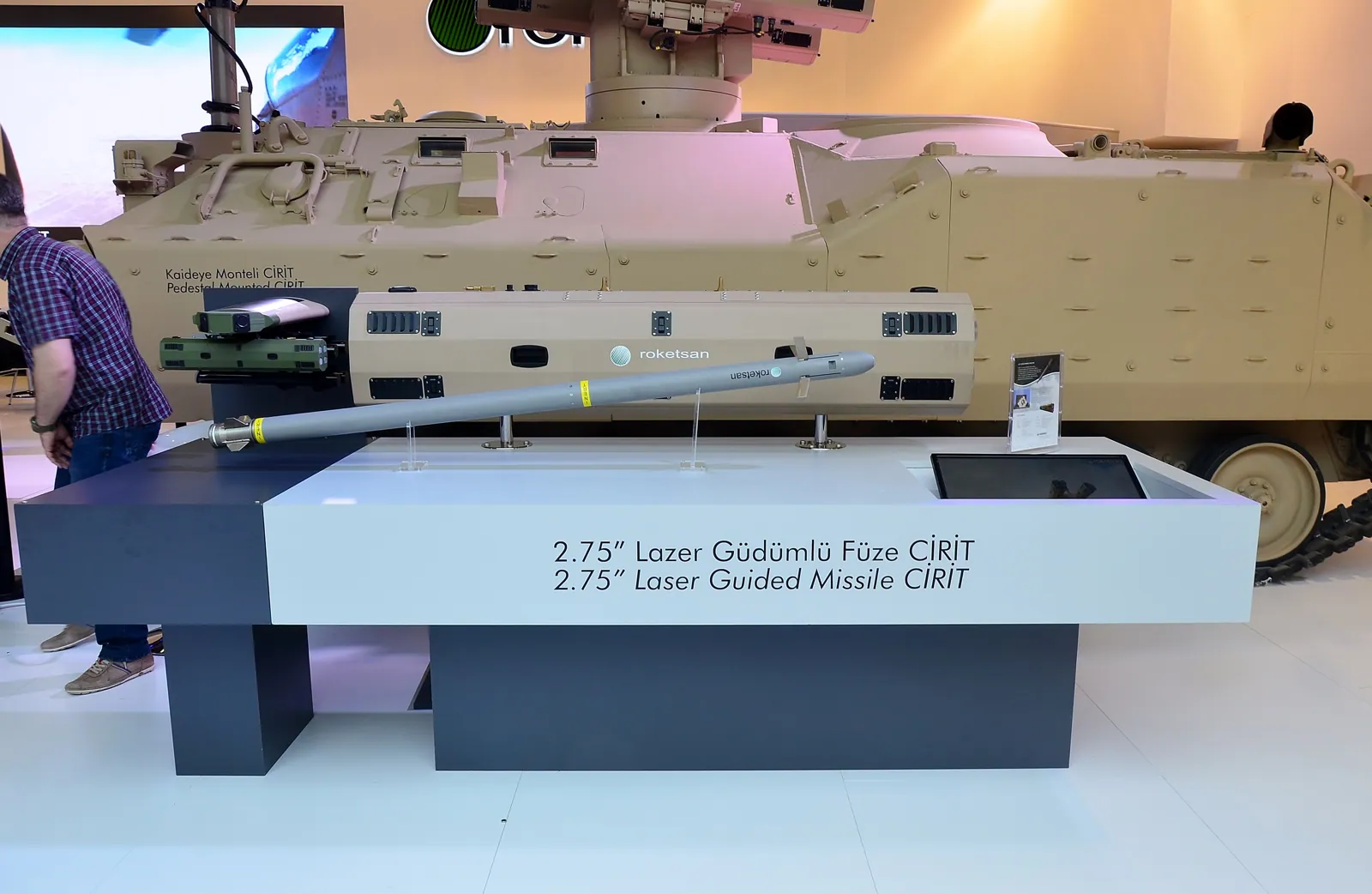
The ATAK fields a 20 mm cannon, up to eight Roketsan UMTAS anti-tank missiles (~8 km), 70 mm CİRİT laser-guided rockets and Stinger air-to-air missiles — all Turkish-made. The Mi-28 carries a heavier 30 mm 2A42 cannon, Ataka/Khrizantema anti-tank missiles and the Izdeliye-305 multipurpose missile on the NM, with greater raw payload.
Operators
| Country | T129 ATAK | Mil Mi-28 Havoc |
|---|---|---|
| Türkiye | Yes | — |
| Philippines | Yes (6) | — |
| Nigeria | Yes (6) | — |
| Russia | — | Yes |
| Algeria | — | Yes |
| Iraq | — | Yes |
| Uganda | — | Yes |
Combat Experience
The Mi-28 has seen combat in Syria and Ukraine, where it has scored kills but also suffered losses to MANPADS and modern air defences. The T129 ATAK has been used by Turkey in counter-PKK operations, Operation Olive Branch and the 2020 Idlib campaign against regime armour and air-defence units.
Cost
Both are positioned below Western heavyweights on cost. The ATAK’s full-package price is typically in the US$30–40 million band; Mi-28 unit costs are lower still on paper but come with the political and logistical constraints of the Russian supply chain.
Production Status
Around 190+ Mi-28s have been built and the line remains active for Russian and a handful of export customers. The ATAK programme has produced 70+ aircraft and is expanding alongside the heavier T929 ATAK 2.
Export Performance
The Mi-28 has a narrow export base (Algeria, Iraq, Uganda, Iran). The T129 ATAK has been exported to the Philippines (6) and Nigeria (6); its only historical export brake — the US engine licence — is being resolved by the indigenous TS1400.
Operational Data
| Criterion | T129 ATAK | Mil Mi-28 Havoc |
|---|---|---|
| In service since | 2014 | 2006 |
| Built (approx.) | 70+ | 190+ |
| Export operators | 2 | 4+ |
| Combat theatres | Syria, Libya, SE Türkiye | Syria, Ukraine |
| Supply chain | NATO-aligned | Russian |
| Engine sovereignty | → TS1400 (indigenous) | Domestic (RU) |
Advantages
- NATO-interoperable avionics and munitions
- High indigenisation; export without US strings (with TS1400)
- Agility at altitude and in mountainous terrain
- Precision strike with UMTAS/CİRİT
- Lower acquisition and operating cost
- Heavier payload and 30 mm cannon
- Heavy armour for battlefield survivability
- Large anti-tank missile load
- Mature Russian production base
- NM radar and modern fire control
Disadvantages
- Lower payload than a heavy gunship
- Mast radar not yet standard
- Smaller operator/logistics base
- Engine licence dependency until TS1400 fields
- Russian supply chain — sanctions and political exposure
- Combat losses to modern air defences
- Narrow export market
- Heavier, higher operating burden
Which Role Suits Each Better?
For NATO-aligned forces needing precision, interoperability and agility at altitude, the T129 ATAK is the natural fit. For doctrines built around heavy anti-armour mass within the Russian ecosystem, the Mi-28 remains the reference. The platforms answer different operational questions.
Final Verdict
The Mi-28 wins on raw firepower and armour; the T129 ATAK wins on precision, interoperability, cost and — increasingly — supply-chain sovereignty. For the export market outside Russia’s orbit, the ATAK is the more politically and operationally flexible choice, and the indigenous TS1400 engine closes its last strategic gap.
Frequently Asked Questions
Is the T129 ATAK better than the Mi-28?
They are different classes. The Mi-28 is a heavier, more heavily armed gunship; the ATAK is a lighter, more precise and NATO-interoperable platform. The better choice depends on doctrine and supply-chain politics.
Which is faster?
The Mi-28 is faster, at about 324 km/h versus 281 km/h for the T129 ATAK.
Why did Turkey develop the TS1400 engine?
To remove the US export-licence dependency of the CTS800 engine, which previously blocked ATAK exports such as the Pakistan deal.
Has the T129 ATAK seen combat?
Yes — in counter-PKK operations, Operation Olive Branch and the 2020 Idlib campaign against regime armour.
Who operates the Mi-28?
Russia is the primary operator, with exports to Algeria, Iraq, Uganda and Iran (Mi-28NE).
Related Comparisons
- All Defense Comparisons
- Helicopter Systems
- Military Aircraft
- India’s Military Strength: How Many Tanks, Fighter Jets and Missiles? (2026)
- T129 ATAK Deliveries & Inventory: How Many Built, and Which Operators? (2026)
Sources
- Turkish Aerospace — T129 ATAK
- Army Recognition — Mil Mi-28A/N Havoc
- Army Technology — T129 Attack Helicopter
- Wikipedia — Mil Mi-28
- Wikipedia — TAI/AgustaWestland T129 ATAK
Images via Wikimedia Commons / manufacturer press kits under editorial use. Technical data compiled from manufacturer catalogues and open sources.