The US Navy calls the August card: F/A-XX sixth-generation race comes down to Boeing vs Northrop

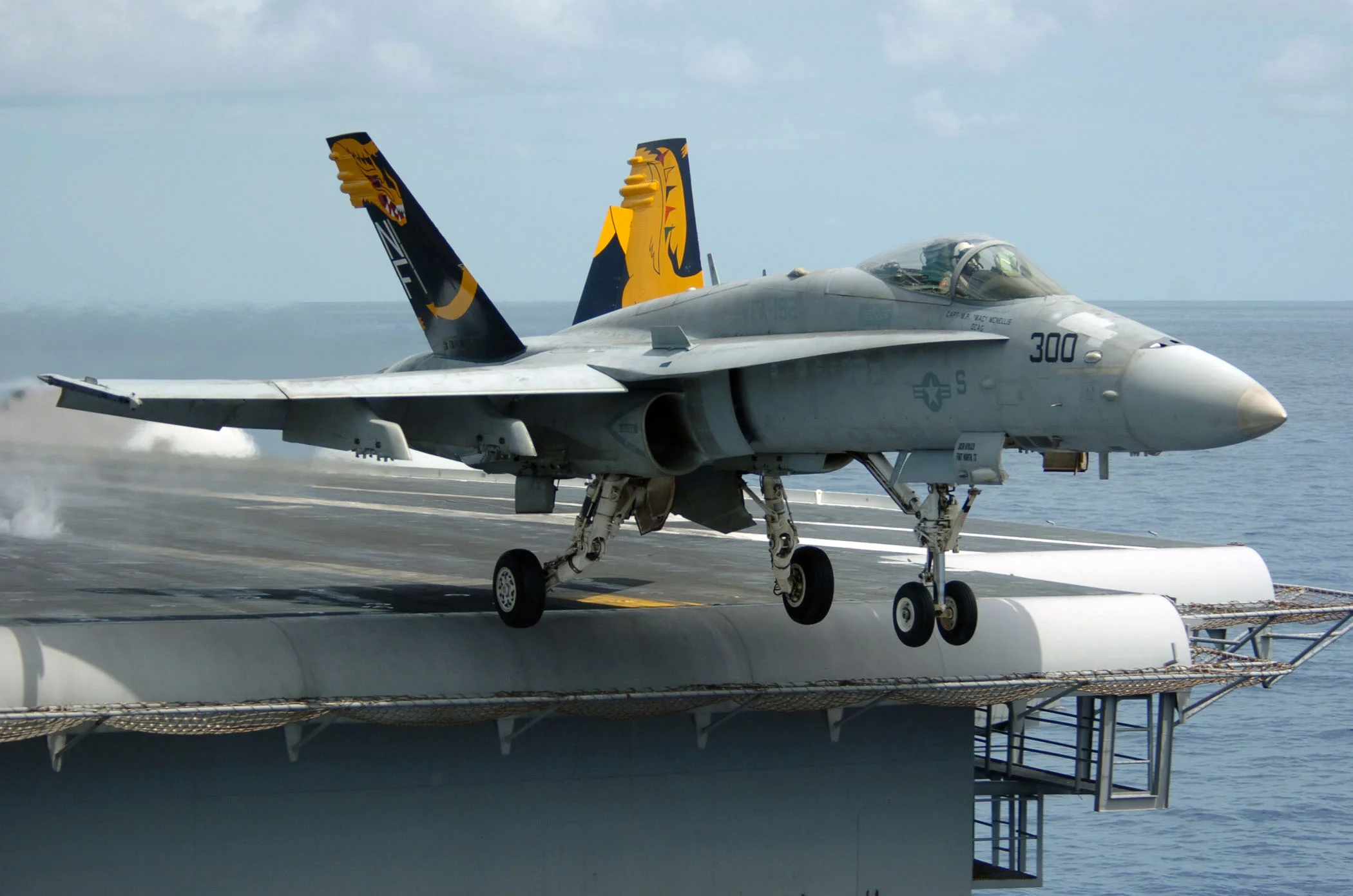
After years of slipping, the decision has finally landed on the calendar: the US Navy will announce the prime contractor for its sixth-generation carrier fighter, the F/A-XX, in August 2026. The two contenders are Boeing and Northrop Grumman; what they win is not just an aircraft but the future of US carrier-based air power in the Pacific.
At a Glance
- What: US Navy F/A-XX sixth-generation contract decision
- Date: Prime contractor to be announced in August 2026
- Contenders: Boeing vs Northrop Grumman (Lockheed Martin eliminated)
- What it replaces: 470+ F/A-18E/F Super Hornets + EA-18G Growlers
- FY27 funding: $140 million plus $1.7 billion Congress added on top
- Cause of delay: Air Force F-47 priority
- Industrial-base concern: Neither contender may be able to deliver alone
The real F/A-XX story did not begin with the August downselect; it began when the Trump administration prioritised the Air Force’s sixth-generation F-47 and froze the Navy decision. After Lockheed Martin was eliminated, the table was left to Boeing and Northrop Grumman. The “downselect” the two firms have been waiting on for a year is now formally on the Pentagon’s FY27 calendar. Chief of Naval Operations Admiral Caudle told Congress in April the decision would come in August 2026; Defense Secretary Pete Hegseth confirmed that timeline in May.
The mission line is direct: retire the US Navy’s 470-plus F/A-18E/F Super Hornets and EA-18G Growlers with a next-generation, multi-role, carrier-capable, stealth, long-range, deeply networked fighter. The strategic equation behind it is sharper still. China’s PLA Rocket Force, with DF-21 and DF-26 anti-ship ballistic missiles, is trying to push US carriers more than a thousand kilometres away from the fight. F/A-XX is built to solve that equation — longer range, more fuel, more weapons. In the wider picture, the aircraft reads as a project to redefine carrier-based air power.
A fair question presses here: if Congress backs the programme, why the delay? The answer is layered. First, industrial-base scarcity: Pentagon reports say neither Boeing nor Northrop has the standalone capacity to carry F/A-XX through development and serial production. Boeing’s F-47 obligations and 737 MAX recovery line already stretch the workforce; Northrop’s B-21 Raider line draws from the same talent pool. Second, the cost ceiling: just $140 million in the FY27 budget, with Congress steering an extra $1.7 billion on top. Third, priority competition between Air Force and Navy: F-47 is positioned as a “shareable” sixth-generation type for allies; F/A-XX is fully Navy-controlled. The administration’s “F-47 first” preference shoved F/A-XX back.
Worth remembering is that the sixth-generation debate has shifted from “what aircraft” to “what doctrine.” Three things stand out: autonomous loyal-wingman drones, an AI backbone for swarm control, and a distributed, base-light operational architecture. Reading F/A-XX as the carrier-applied version of the capability Boeing carries via F-47 would not be wrong — but Northrop is pressing its experience integrating unmanned combat systems via B-21. The August call will not just pick an aircraft; it will decide the division of labour in the US defence industry’s sixth-generation bend.
The Turkish angle: KAAN is on the fifth-generation stage, and the sixth-generation clock has now started
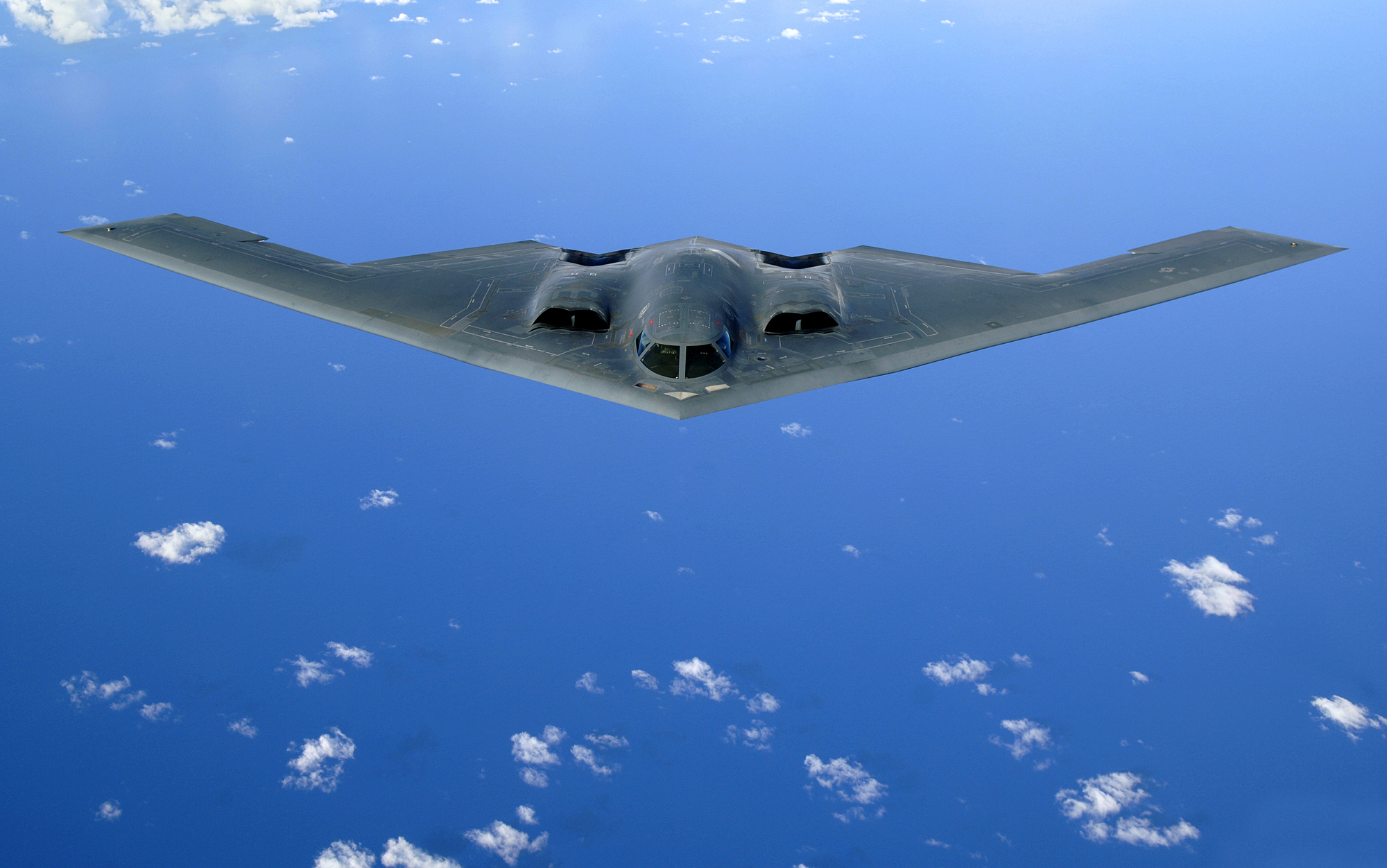
Turkey’s indigenous combat-aircraft programme KAAN is positioned in the official plan as a fifth-generation type; first flight came in February 2026, with the prototype fleet expanding. But the US move to prioritise F-47 and now to bring F/A-XX to an August call signals clearly that the sixth-generation clock has started. GCAP along the UK-Italy-Japan axis, FCAS along the France-Germany-Spain axis, and China’s J-XD — all are targeting first flights between 2035 and 2040. F/A-XX places the carrier version of sixth generation on the same map.
Step back and Turkey faces three parallel paths on the decision table. First: mature KAAN as a fifth-generation aircraft and push it to the global market as an F-35 alternative — Indonesia and a handful of MENA customers are said to be in conversation. Second: push the move to sixth generation through a KAAN + KIZILELMA + ANKA-3 doctrine — that is, field the manned-fighter + autonomous loyal-wingman + AI-swarm architecture as Turkey’s own package. Third: join a Euro-Asian consortium like GCAP. Which path? The August F/A-XX decision will, indirectly, price all three files on Ankara’s desk. The sixth-generation race has now genuinely begun — and Turkey, freshly into the fifth-generation league, must map the bridge to the sixth.

Sources
- Breaking Defense — “F/A-XX fighter downselect coming in August: CNO”
- DefenseScoop
- Aviation A2Z
- The War Zone — Northrop F/A-XX capability debate
- Wikipedia — F/A-XX program / Boeing F-47 / Northrop Grumman
Related Coverage
- Five years on, the metal is cut: Russia’s Su-75 Checkmate finally enters prototype build
- A drone to blind the enemy radar from within: Helsing’s autonomous CA-1EA debuts in Berlin
- Saab unveils the first two-seat Gripen F: Brazil’s F-39F takes the stage