New Zealand P-8A’s First Harpoon Strike: Target Ship Sunk

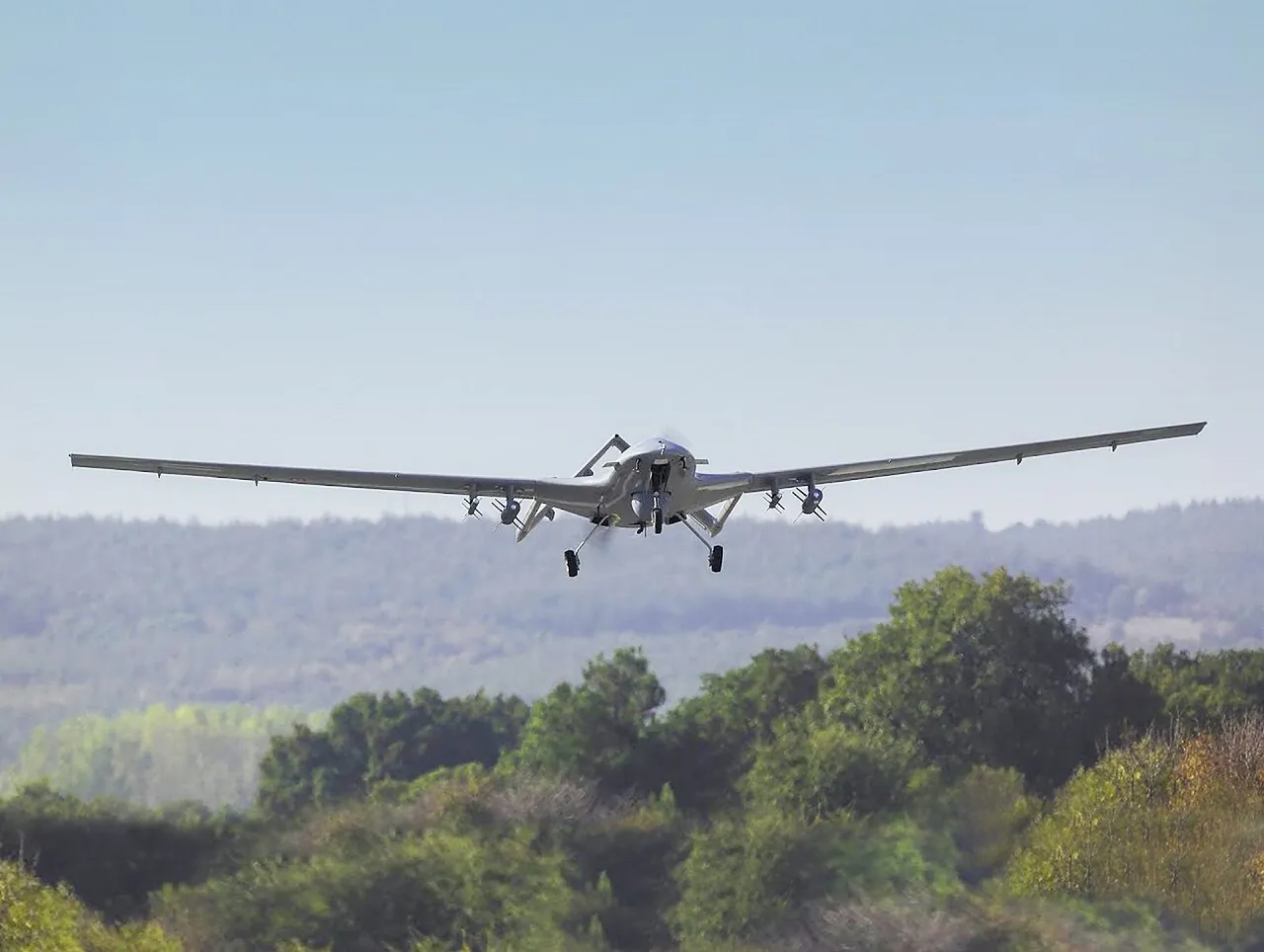
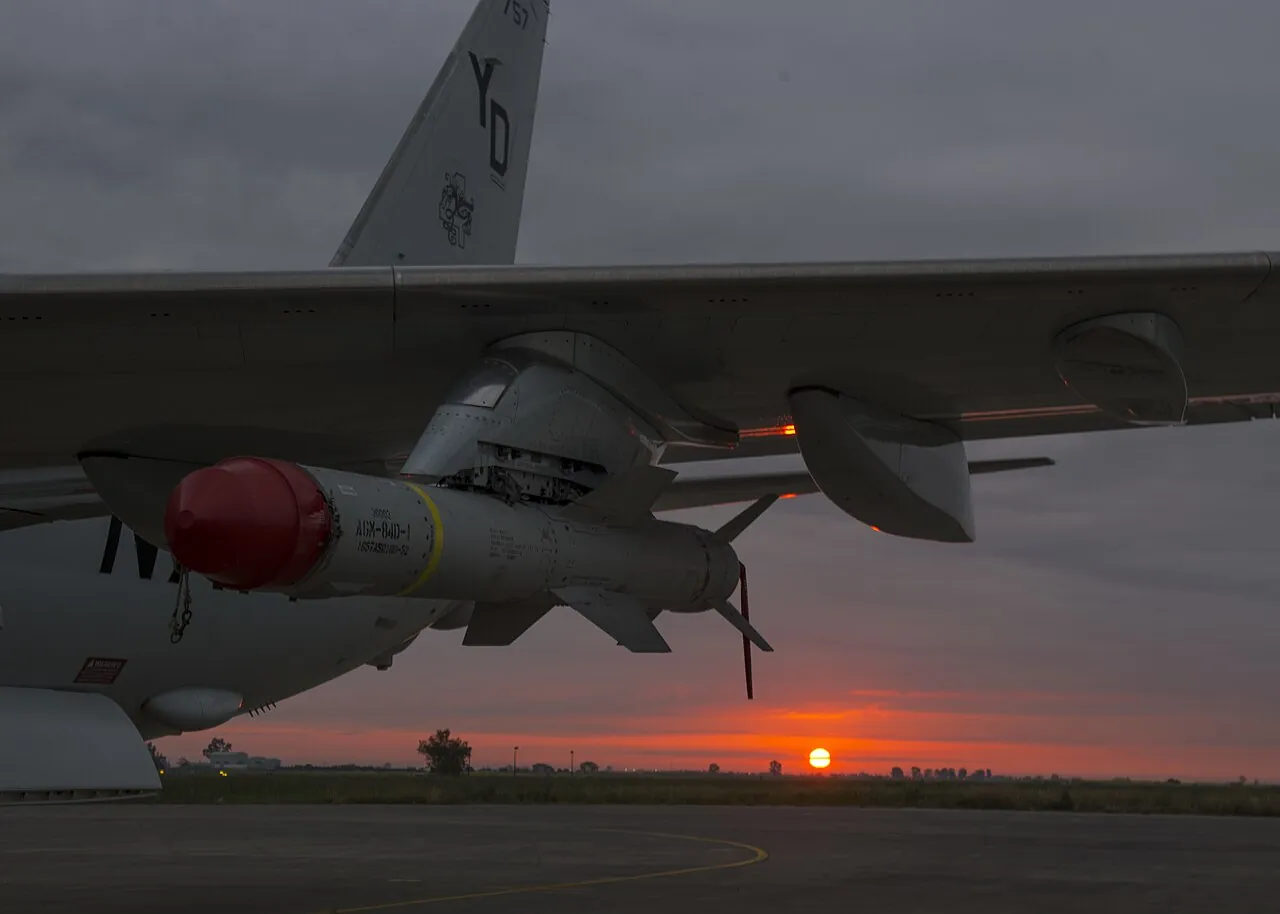
Maritime patrol aircraft are no longer just ‘lookouts’, but strike elements too. According to the New Zealand Defence Force, an RNZAF P-8A Poseidon fired a Harpoon missile for the first time during an international exercise near Guam. The No. 5 Squadron aircraft detected a decommissioned target ship and struck it with two AGM-84 Harpoons.
This is a first for New Zealand and an important capability milestone. Besides maritime reconnaissance and anti-submarine warfare, the P-8A Poseidon can carry anti-ship missiles; with these missiles it can accurately hit surface targets from at least 100 kilometers away. Thus a patrol aircraft becomes a platform that both monitors wide sea areas and strikes when needed.
The P-8 Poseidon and the Maritime Patrol Aircraft Concept
The P-8A Poseidon is a maritime patrol aircraft (MPA) developed by Boeing on the fuselage of the 737 airliner. Its core missions are maritime reconnaissance, anti-submarine warfare (ASW) and surface warfare. With long endurance, powerful sensors and weapons capacity, it can patrol wide sea areas. Countries such as New Zealand, the US, Australia and the UK operate it.
The significance of this launch is that it highlights the P-8’s ‘strike’ role. A maritime patrol aircraft carrying anti-ship missiles turns it from a passive observer into an active threat. Being able to detect and strike an enemy navy from hundreds of kilometers away provides deterrence especially in wide, dispersed maritime theaters such as the Pacific.
Details of the Strike and the Multinational Context
The launch took place as part of Exercise Valiant Shield 2026. The RNZAF Poseidon operated in coordination with a Royal Australian Air Force Poseidon and two US Navy Poseidons. The target was the decommissioned USS Juneau (LPD-10) amphibious ship; it was struck 200 nautical miles off Guam, at the Mariana Islands Range Complex. The missiles were supplied by the Australian Defence Force.
This multinational coordination shows that modern naval warfare is a ‘network’ affair. Patrol aircraft of different countries share both reconnaissance and strike missions in a common exercise. New Zealand’s first strike shows the country beginning to use its P-8 fleet at full capability and increasing its contribution to the Pacific security architecture.
| Item | Detail |
|---|---|
| Aircraft | Boeing P-8A Poseidon |
| Operator | Royal New Zealand Air Force (No. 5 Squadron) |
| Event | First live Harpoon strike |
| Missile | AGM-84J-1 Harpoon (×2) |
| Range | 100+ km |
| Target | USS Juneau (LPD-10), decommissioned |
| Location | Off Guam, ~200 nautical miles |
| Context | Valiant Shield 2026 (multinational) |
Maritime Patrol Aircraft and Surface Warfare
Maritime patrol aircraft are moving beyond being a navy’s ‘eyes and ears’. Modern MPAs combine reconnaissance, anti-submarine warfare and anti-ship strike in a single platform. This is a strategic capability especially for countries with long coastlines and wide maritime jurisdiction areas.
A patrol aircraft carrying anti-ship missiles becomes a deterrent that keeps an enemy navy away from the coast. Being able to strike surface targets from the air, quickly and from long range, is a major advantage in the struggle for sea control. New Zealand’s strike shows that even mid-sized navies can access this capability.
For Türkiye: Meltem and Anti-Ship Capability
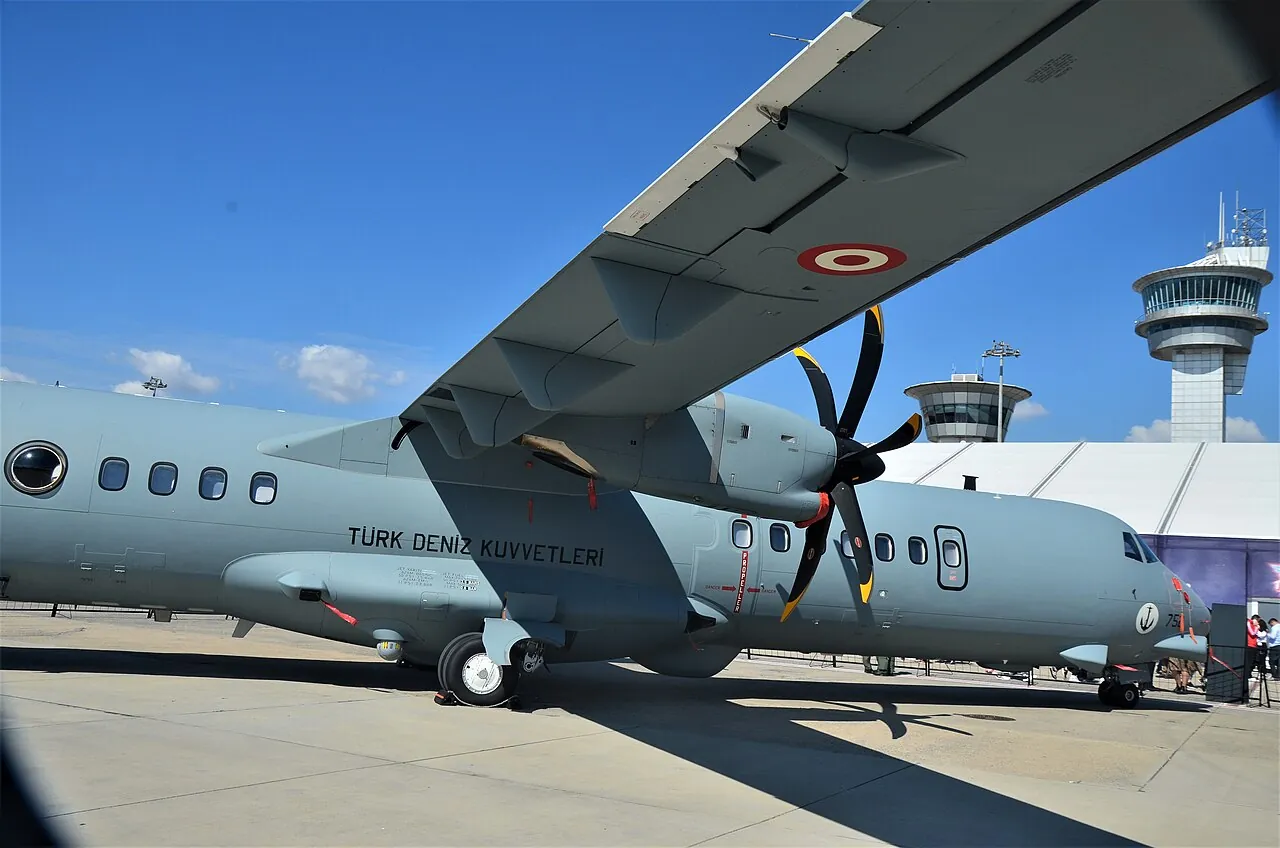
Maritime patrol and anti-ship capability is an area Türkiye is also investing in. The Turkish Navy operates ATR-72 600 TMPA ‘Meltem’ maritime patrol aircraft; these are equipped with indigenous mission systems (radar, sonobuoys, electro-optics) from firms such as ASELSAN and Meteksan. Though not as large as the P-8, the Meltem gives Türkiye an MPA capability with indigenous mission systems.
On the anti-ship side, Türkiye holds a strong card: the Roketsan ATMACA. Integrated onto Turkish Navy ships, this indigenous anti-ship missile provides a similar strike capability domestically. Türkiye is also working on air- and land-launched versions and longer-range cruise missiles (SOM, Gezgin).
The New Zealand case shows the deterrence that emerges when a patrol aircraft and an anti-ship missile combine. Türkiye, with its Blue Homeland doctrine, aims to protect wide maritime jurisdiction areas; the Meltem’s reconnaissance capability and the ATMACA’s strike power form the air and sea legs of this doctrine. Indigenous mission systems and indigenous missiles make it possible to use this capability without external dependence.
Frequently Asked Questions
What did New Zealand do?
What is the P-8 Poseidon?
Why is this strike important?
Does Türkiye have an equivalent?
Conclusion
New Zealand’s first Harpoon strike from a P-8A shows that maritime patrol aircraft are now becoming strike elements. Türkiye is building this capability indigenously with the Meltem MPA and the Roketsan ATMACA anti-ship missile; under the Blue Homeland doctrine, an architecture that both monitors and strikes across wide sea areas combines reconnaissance and strike with indigenous systems.