What Is the Steel Dome (Çelik Kubbe)? Türkiye’s Integrated Air and Missile Defense

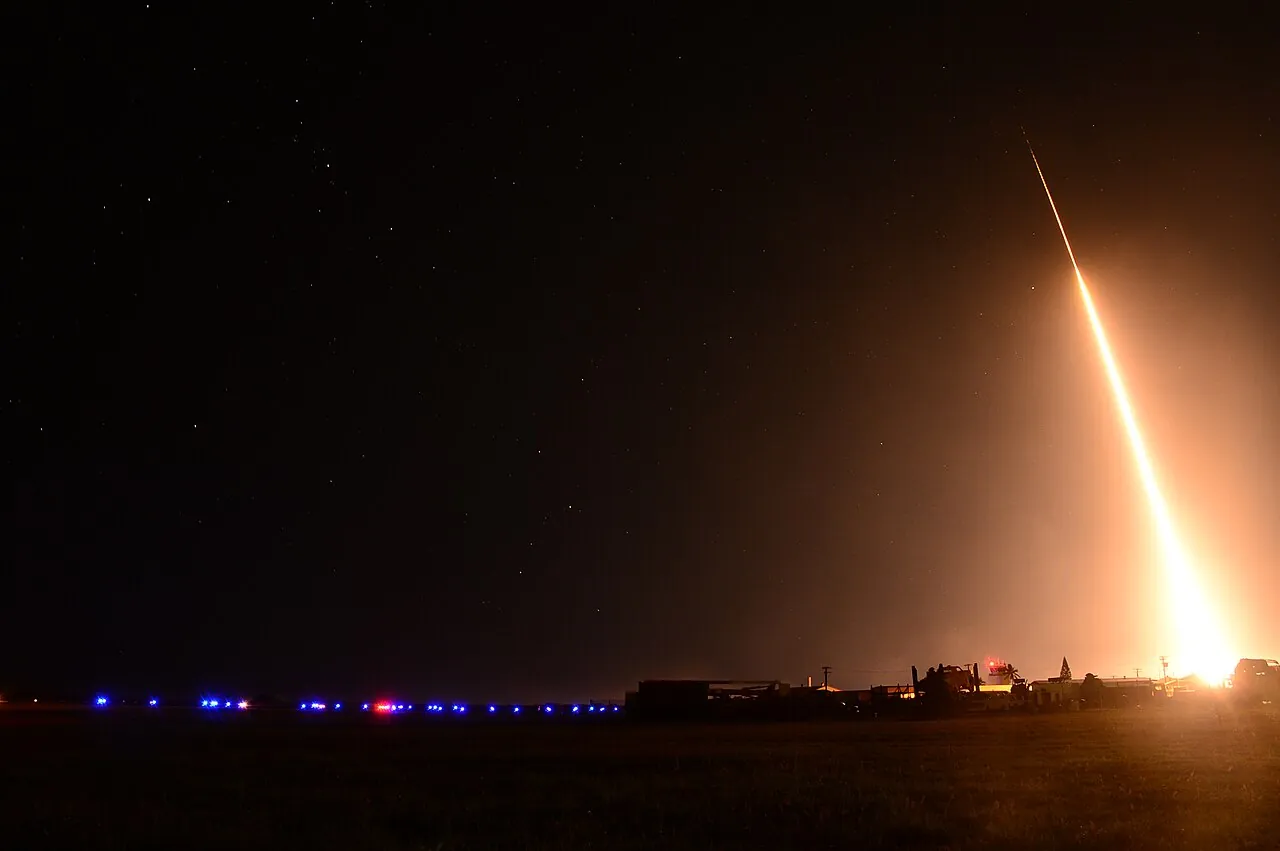
Modern air defense is no longer provided by a single system, but by layers working together with the network that connects them. According to the Presidency of Defence Industries (SSB), the Steel Dome is Türkiye’s name for this approach: an integrated architecture that gathers indigenous air defense systems of different ranges into a single ‘nervous system’.
Although the name echoes Israel’s Iron Dome, the Steel Dome is a much broader concept. It foresees a layered, entirely indigenous defense not only against short-range rockets, but against a wide spectrum, from UAVs and drone swarms to cruise and ballistic missiles, from low-flying threats to high-altitude targets.
The Logic of the Steel Dome: Layered Defense
At the base of the Steel Dome is the idea of ‘layered air defense’. No single system is effective against every threat; so different systems for different ranges and altitudes are used together. Gun-based weapons and short-range missiles meet the closest threats, while medium- and long-range missiles meet those farther away. Thus a threat that passes one layer meets the next.
The second core idea is ‘integration’. The essence is that the layers work together in a single command-and-control network, not separately. A target seen by one radar is directed to the most suitable shooter; munitions are used efficiently; and even if one part of the system is knocked out, the network keeps working. This is the same logic as modern integrated air and missile defense systems around the world (such as the US IBCS).
The Layers of the Steel Dome
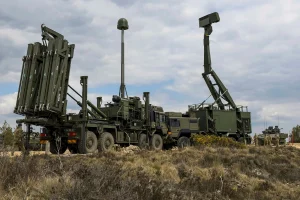
The backbone of the long-range layer is SİPER, an indigenous long-range air defense missile developed to meet high-altitude, long-distance air threats. In the medium and low ranges is the HİSAR family: HİSAR-A+ for low altitude, HİSAR-O+ for medium range, and the developing HİSAR-U for longer range. These layers form the backbone of air defense.
Different solutions are in play for close defense and the drone threat: KORKUT (35 mm gun-based), GÜRZ (integrated missile+gun), SUNGUR (portable/shoulder-launched) and, especially against drones, the GÖKBERK laser system and counter-UAV solutions such as İHTAR. All these layers are fed by ASELSAN’s radars and sensors and managed by HAKİM/HAVELSAN command-and-control software.
| Layer | System |
|---|---|
| Long-range air defense | SİPER |
| Medium range | HİSAR-O+ |
| Low altitude | HİSAR-A+ |
| Close defense (gun) | KORKUT (35 mm) |
| Integrated close defense | GÜRZ |
| Portable | SUNGUR |
| Laser / counter-UAV | GÖKBERK, İHTAR |
| Sensor + command | ASELSAN radars + HAKİM/HAVELSAN |
Why the Steel Dome? Threat and Independence
There are two big reasons behind the Steel Dome. The first is the change in the threat environment: UAVs and drone swarms create cheap but numerous threats, while cruise and ballistic missiles are more complex. Against these, an integrated architecture that can prioritize and strike many targets at once is needed. Regional conflicts (Karabakh, Ukraine, the Middle East) have shown this need concretely.
The second is independence. A country’s air defense is one of the most critical elements of its sovereignty; for that heart to depend on a foreign supplier is a strategic vulnerability. After the supply and permission problems it experienced in the past with Patriot and similar systems, Türkiye aimed to build an entirely indigenous architecture. The contracts worth about $6.5 billion signed in 2026 show that the Steel Dome is a program rapidly reaching the field.
What the Steel Dome Means for Türkiye
The Steel Dome symbolizes a doctrinal shift in Türkiye’s air defense: from individual systems to an integrated architecture. This means not just buying more missiles or radars, but unifying them in a single ‘smart network’ to create a defensive effect greater than the sum of the parts.
Perhaps the most strategic aspect of the program is that it is entirely indigenous. Shooters such as SİPER, HİSAR, KORKUT and GÖKBERK are products of ROKETSAN and ASELSAN; the radars and sensors are ASELSAN’s; and the command-and-control software is HAVELSAN’s. This gives Türkiye both supply independence and the flexibility to develop the system to its own needs.
Finally, the Steel Dome also carries export potential. A layered, integrated air defense architecture is attractive to countries facing similar threats. Türkiye aims to repeat in air defense the export success it built with UAVs; the Steel Dome could be the umbrella brand of this vision.
Frequently Asked Questions
What is the Steel Dome?
Is it the same as Iron Dome?
What systems does it consist of?
Why is it important?
Conclusion
The Steel Dome is the umbrella program that moves Türkiye’s air defense from individual systems to an integrated, layered and entirely indigenous architecture. Uniting layers from SİPER to GÖKBERK with ASELSAN sensors and HAVELSAN command-and-control, this structure stands out as both a critical element of national sovereignty and a capability with export potential.