What Is LRASM? What Does It Do? Lockheed Martin’s AGM-158C Stealth Anti-Ship Cruise Missile


The U.S. Navy’s new-generation stand-off anti-ship weapon, Lockheed Martin LRASM (Long Range Anti-Ship Missile / AGM-158C), is the anti-ship variant of the JASSM-ER cruise missile. With 1,000+ km range, AI-based target selection, and low-RCS stealth body, it is designed to bypass modern air defense. Turkish ATMACA Block-2 and SOM-J are direct equivalents.
What Is It?
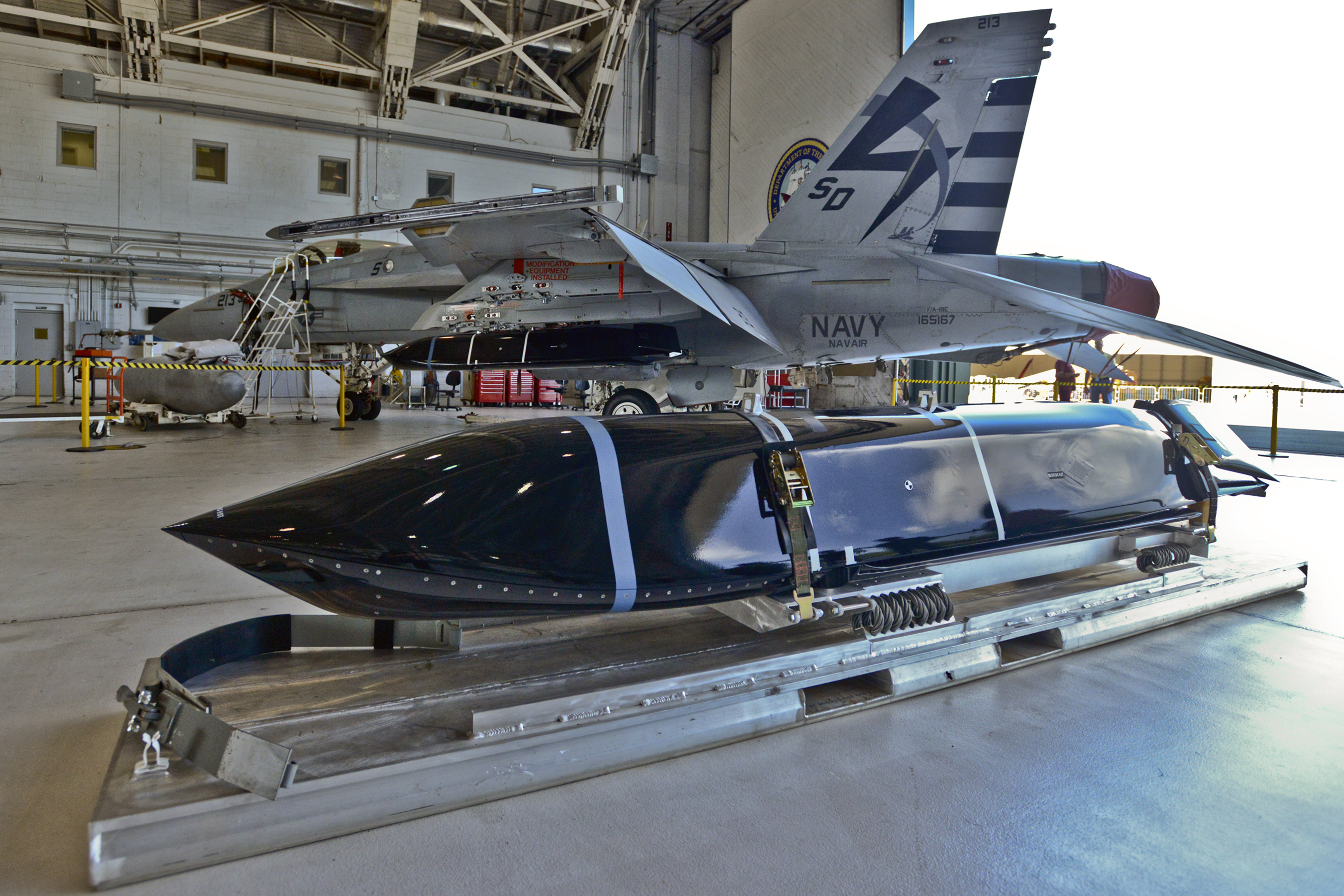
LRASM was developed by Lockheed Martin under DARPA + ONR joint funding, based on the JASSM-ER cruise missile platform. The AGM-158C military version is launched from Air Force B-1B and Navy F/A-18s; the ship-launched variant from Mk 41 VLS. AI-based autonomous target selection allows operation without GPS, in jamming environments, and under EMCON conditions.
What Does It Do?
LRASM is designed to strike modern Chinese and Russian naval groups (Type 055, Kirov, Slava) from 1,000+ km without requiring U.S. fighters to penetrate enemy air defenses. It uses a sea-skimming flight profile, multiple waypoint navigation, and IIR + ARH sensor fusion in the terminal phase. The AI system identifies the highest-value target (e.g., aircraft carrier, cruiser) within an enemy group.
Technical Specifications
| Specification | Value |
|---|---|
| Class | 5th-gen stealth long-range anti-ship cruise missile |
| Length | 4.3 m |
| Diameter | 550 mm |
| Weight | 1,020 kg |
| Motor | Williams F107 turbofan |
| Range | 1,000+ km |
| Speed | Mach 0.85 |
| Guidance | Inertial + GPS + AI target selection + IIR + ARH |
| Warhead | 454 kg semi-armor-piercing WDU-42/B |
| Platforms | B-1B Lancer, F/A-18E/F Super Hornet, P-8 Poseidon, Mk 41 VLS |
Who Bought It, At What Price?
LRASM unit cost is 3 million USD. The U.S. reached IOC in 2018, with 200+ stockpiled by 2024. Australia signed a 200M AUD contract in 2020. Japan is in evaluation. The U.S. plans to raise JASSM-ER production to 1,000+ units/year in 2026—2028.
| Operator | Platform | Units | Year |
|---|---|---|---|
| U.S. Air Force | B-1B Lancer | 200+ | 2018 |
| U.S. Navy | F/A-18E/F, P-8 | – | 2019 |
| Australia | F/A-18F Super Hornet | – | 2020 |
| Japan (evaluating) | F-35A | – | 2027 |
| United Kingdom (Tempest/GCAP plan) | – | – | 2030+ |
Comparison With Turkish Counterpart
Türkiye’s LRASM equivalent is multi-layered: ROKETSAN ATMACA Block-2 (350+ km, sea-skimming, AESA + IIR multi-mode guidance), TÜBİTAK SAGE SOM-J (250+ km, fits F-35 and KAAN internal bay, stealth), and ÇAKIR (150+ km, multi-platform). A domestic supersonic anti-ship missile program (BORA-AS) was announced for KAAN; it will be Türkiye’s answer in the LRASM category in the 2030s.
| Criterion | LRASM (LM) | ATMACA Block-2 (ROKETSAN) | SOM-J (SAGE) |
|---|---|---|---|
| Class | Stealth anti-ship | Anti-ship cruise | Stand-off + anti-ship |
| Range | 1,000+ km | 350+ km | 250+ km |
| Stealth | Full stealth | Low RCS | Low RCS |
| AI target selection | Yes | In development | Limited |
| Platform | B-1B, F/A-18, Mk 41 | MİLGEM, TF-2000, KAAN | F-35, KAAN |
| Weight | 1,020 kg | 750 kg | 510 kg |
| Cost | ~3M USD | Domestic | Domestic |
Frequently Asked Questions
Why is LRASM considered revolutionary?
Is ATMACA Block-2 a full alternative to LRASM?
What is SOM-J?
Will Türkiye buy LRASM?
How many LRASMs does B-1B carry?
Conclusion
LRASM is the symbol of the 5th-gen stealth anti-ship cruise missile category. Türkiye’s ATMACA Block-2 + SOM-J + planned BORA-AS trio offers both technological and commercial domestic alternatives in this category. The stand-off missile ecosystem integrated with KAAN will position Türkiye in the Europe-Asia market in the 2030s.
Sources
- Wikipedia: AGM-158C LRASM
- Lockheed Martin LRASM program
- U.S. Navy NAVAIR briefings
- ROKETSAN ATMACA and TÜBİTAK SAGE SOM-J product pages
- Janes Air-Launched Weapons 2024