What Is the ANKA-3? Türkiye’s Flying-Wing Stealth Combat Drone

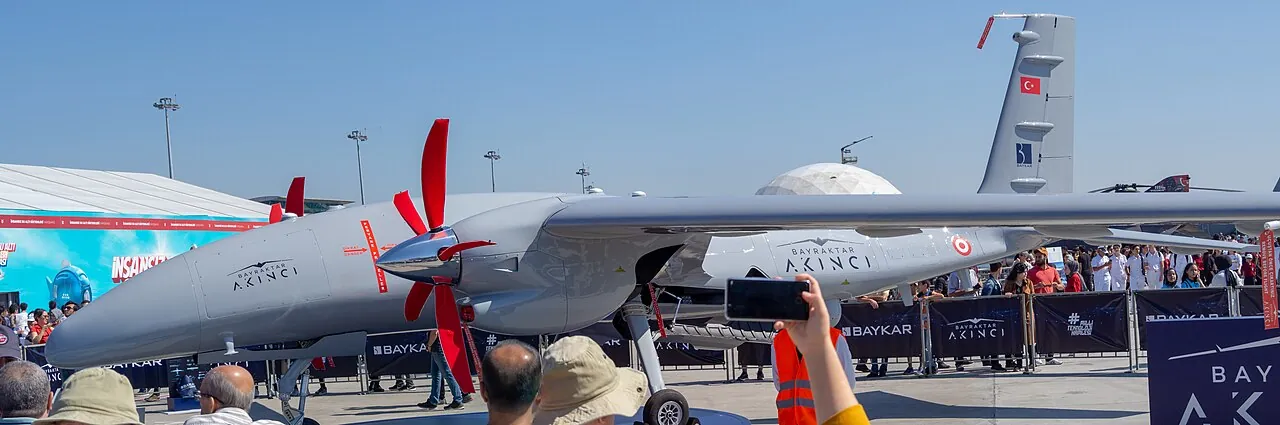
Türkiye has moved beyond reconnaissance and strike drones in unmanned aircraft. According to Turkish Aerospace, the ANKA-3 is a low-observable unmanned combat aircraft with a ‘flying-wing’ design in which the wing and body merge into a single surface. This design makes the aircraft much harder to detect on radar.
Two features take the ANKA-3 beyond an ordinary drone: low observability and an internal weapons bay. Carrying munitions inside the body rather than on external pylons, the aircraft can preserve its low radar signature until the moment of strike. Having first flown on 28 December 2023, the ANKA-3 also successfully carried out a TOLUN smart bomb launch from its internal weapons bay.
Why Do Flying-Wing and Stealth Matter?
The most distinctive feature of the ANKA-3 is its ‘flying-wing’ design. Instead of the body-wing-tail separation of classic aircraft, the whole aircraft resembles a single wing surface. This design minimizes the sharp surfaces and angles that would reflect radar waves back, making the aircraft much harder to see on radar, that is, providing low observability (stealth).
The second critical feature is the internal weapons bay. Because munitions are carried inside the body, there are no external pylons to break the aircraft’s radar signature. The ANKA-3 has two internal weapons bays and five external stations; this gives the flexibility of internal carriage on low-signature missions and external carriage for more munitions when needed.
Technical Specifications and Mission Range
The ANKA-3 has a single turbofan engine; a maximum take-off weight of about 6,500 kilograms and a payload of up to 1,600 kilograms. It can reach a speed of about Mach 0.7, a ceiling of 40,000 feet, and an endurance of around 10 hours at 30,000 feet. These figures make it suitable for both strike and long-duration reconnaissance missions.
Its mission range is broad: primarily designed to attack ground and sea targets, the ANKA-3 can also carry air-to-air missiles. It can also perform reconnaissance-surveillance (ISR) with electro-optical/infrared and SAR/GMTI radar, and electronic support and electronic attack (COMINT, ELINT, ESM, EA and communications jamming). In other words, the ANKA-3 is a multi-role platform that can take on many roles on its own.
| Feature | Value |
|---|---|
| Type | Flying-wing stealth UCAV |
| Maker | Turkish Aerospace (TUSAŞ) |
| First flight | 28 December 2023 |
| Engine | Single turbofan |
| Max take-off weight | ~6,500 kg |
| Payload | ~1,600 kg |
| Weapons carriage | 2 internal bays + 5 external stations |
| Missions | Strike, ISR, electronic warfare |
Manned-Unmanned Teaming and Sea Operations
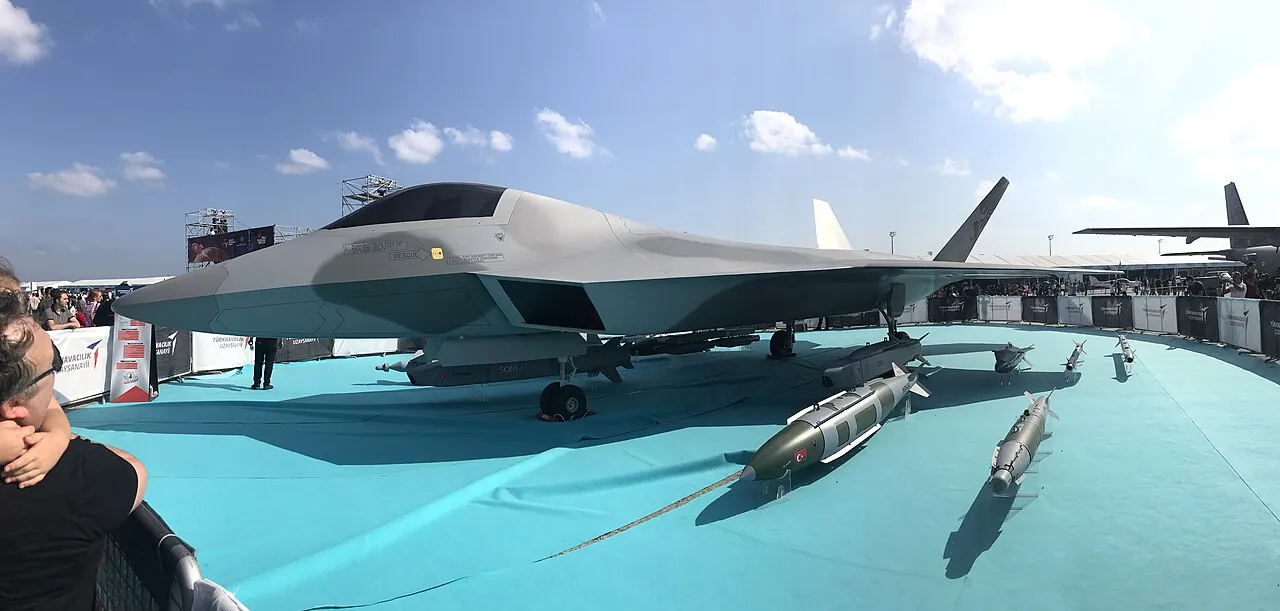
The ANKA-3 is designed to work not only alone but alongside crewed aircraft as a ‘loyal wingman’. The pilot of the indigenous fighter KAAN can direct the ANKA-3 to carry out the riskiest missions with the unmanned aircraft. This manned-unmanned teaming (MUM-T) concept is at the center of the future of air combat; the ANKA-3 is one of Türkiye’s two core platforms in this area (the other being the Baykar Kızılelma).
Another dimension of the aircraft is the goal of operating from a sea platform. A low-observable, carrier-capable unmanned combat aircraft could boost the striking air power of ships such as TCG Anadolu. This is part of Türkiye’s vision of ‘unmanned air power at sea’; the ANKA-3 and Kızılelma together feed the goal of projecting air power from the sea without carrying a crewed fighter.
What the ANKA-3 Means for Türkiye
The ANKA-3 takes Türkiye’s leadership in unmanned aircraft up a level. The country is bringing the global superiority it built in propeller strike drones such as the Bayraktar TB2 and AKINCI to the most advanced level with a jet-powered, stealth, flying-wing unmanned combat aircraft. This is a capability that only a handful of countries in the world possess.
The program’s strategic value lies in its ecosystem connections. The ANKA-3 teams with KAAN in manned-unmanned teaming, carries indigenous munitions such as TOLUN in its internal weapons bay, and feeds the TCG Anadolu vision with the goal of operating from a sea platform. In other words, the aircraft unifies different projects of the Turkish defense industry (platform, munition, ship) in a single combat concept.
Together with the Baykar Kızılelma, the ANKA-3 makes Türkiye one of the world’s leading countries in unmanned combat aircraft. The two platforms serve the same goal with different design philosophies (the ANKA-3 flying-wing, the Kızılelma a classic combat form): a pilotless, low-cost, low-risk layer of air power. Moreover, these platforms are largely indigenously developed and can be exported.
Frequently Asked Questions
What is the ANKA-3?
What sets the ANKA-3 apart from other drones?
What weapons can it carry?
What is its link to KAAN?
Conclusion
The ANKA-3 is a milestone that takes Türkiye’s know-how in unmanned aircraft to the level of a flying-wing, stealth, internal-weapons-bay unmanned combat aircraft. Its ability to team with KAAN, the goal of operating from a sea platform and its carriage of indigenous munitions place the ANKA-3 at a central position in the future of Turkish air power; together with the Kızılelma, it is a pioneer of a model in which crewed and uncrewed aircraft fight together.