KAAN Engine: GE F110 and Turkey’s Domestic TF-35000 (2026)

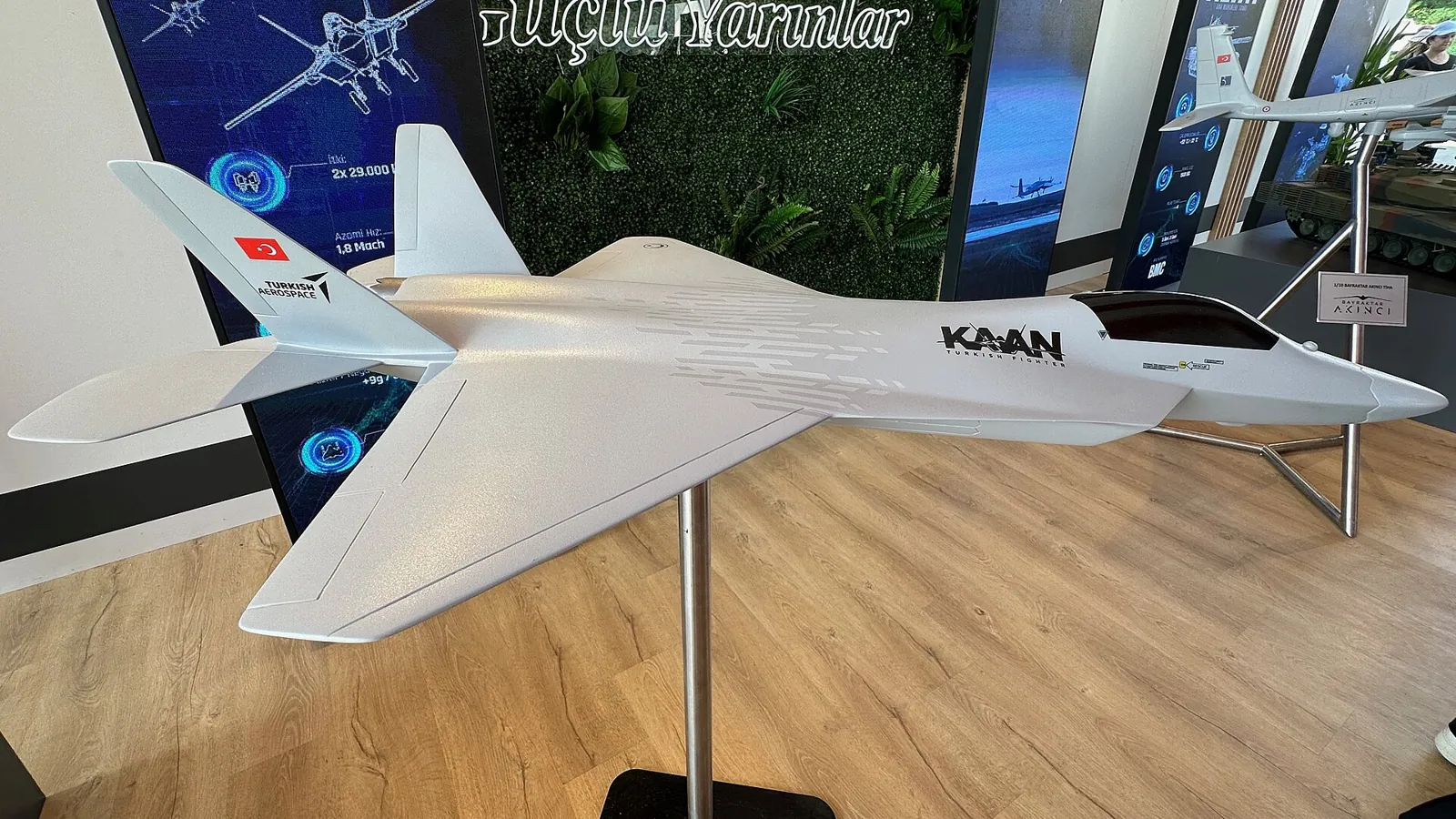
The KAAN prototype flies on two General Electric F110 afterburning turbofan engines; series production is intended to use the domestic TEI TF-35000, but that engine is not yet ready. KAAN is a twin-engine, fifth-generation fighter for which Turkish Aerospace (TAI) is the prime contractor, and it made its first flight on 21 February 2024 powered by the F110. The engines’ exact thrust figures and the domestic engine’s delivery timeline have not been officially disclosed, and the prototype’s engine should not be confused with the targeted domestic one.
| KAAN Engine — Key Facts (Verified / Undisclosed) | |
|---|---|
| Configuration | Twin-engine (2 afterburning turbofans) |
| Engine (prototype) | 2x General Electric F110 (US) |
| Engine (target) | TEI TF-35000 — in development, not yet ready |
| Domestic engine developer | TEI (TUSAS Engine Industries) |
| First flight | 21 February 2024 (on F110 engines) |
| Exact thrust figures | Not officially disclosed |
| Domestic engine delivery date | Not officially disclosed |
| Prime contractor | Turkish Aerospace / TAI (platform); engine supply separate |
What is the KAAN’s engine?
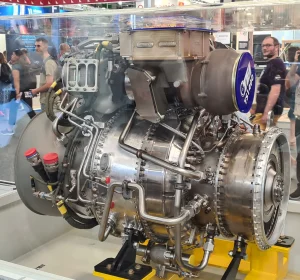
The KAAN’s engine is the program’s most asked-about and most misunderstood topic. Reading it correctly starts with separating two engines: the prototype flying today uses a foreign engine, while series production targets a domestic one. The prototype is fitted with two General Electric F110 afterburning turbofan engines. The F110 is a mature, proven design also used across several F-16 variants; this choice let the aircraft carry out its early flight tests on a well-established engine.
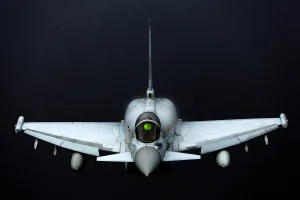
KAAN is a twin-engine, fifth-generation fighter for which Turkish Aerospace (TAI) is the prime contractor, and it made its first flight on 21 February 2024 on these F110 engines. However, the engines’ exact thrust figures as installed on KAAN have not been officially disclosed by Turkish Aerospace or the Presidency of Defence Industries (SSB); thrust numbers circulating in public are open-source estimates.
The domestic engine: the TEI TF-35000 target
The strategic goal of the KAAN program is a domestic, indigenous turbofan engine that would remove the dependence on a foreign powerplant. Development of this engine is the responsibility of TEI (TUSAS Engine Industries), working on an afterburning turbofan commonly referred to as the TF-35000. The key points on the domestic engine are:
- Status: The domestic engine is in development and is not yet ready; there is no engine integrated into series production.
- Why it matters: The F110 used by the prototype is US-origin and subject to export licensing; the domestic engine is decisive for KAAN’s export prospects and full independence.
- Thrust target: The engine’s targeted thrust class is suited to a heavy fifth-generation fighter, but the exact thrust figures and the certification timeline have not been officially disclosed.
- Developer experience: TEI has built up turbomachinery experience through projects such as the TS1400 helicopter engine and the TF6000; the TF-35000 builds on that base.
The domestic engine is a target; the intended capability should not be confused with capability verified today.
The table below separates the verified values for KAAN’s engine from those not officially disclosed. Thrust and performance figures found in open sources are estimates; unless confirmed by Turkish Aerospace, TEI or the SSB, they do not count as official data. Prototype engine data should not be taken as a series-production value.
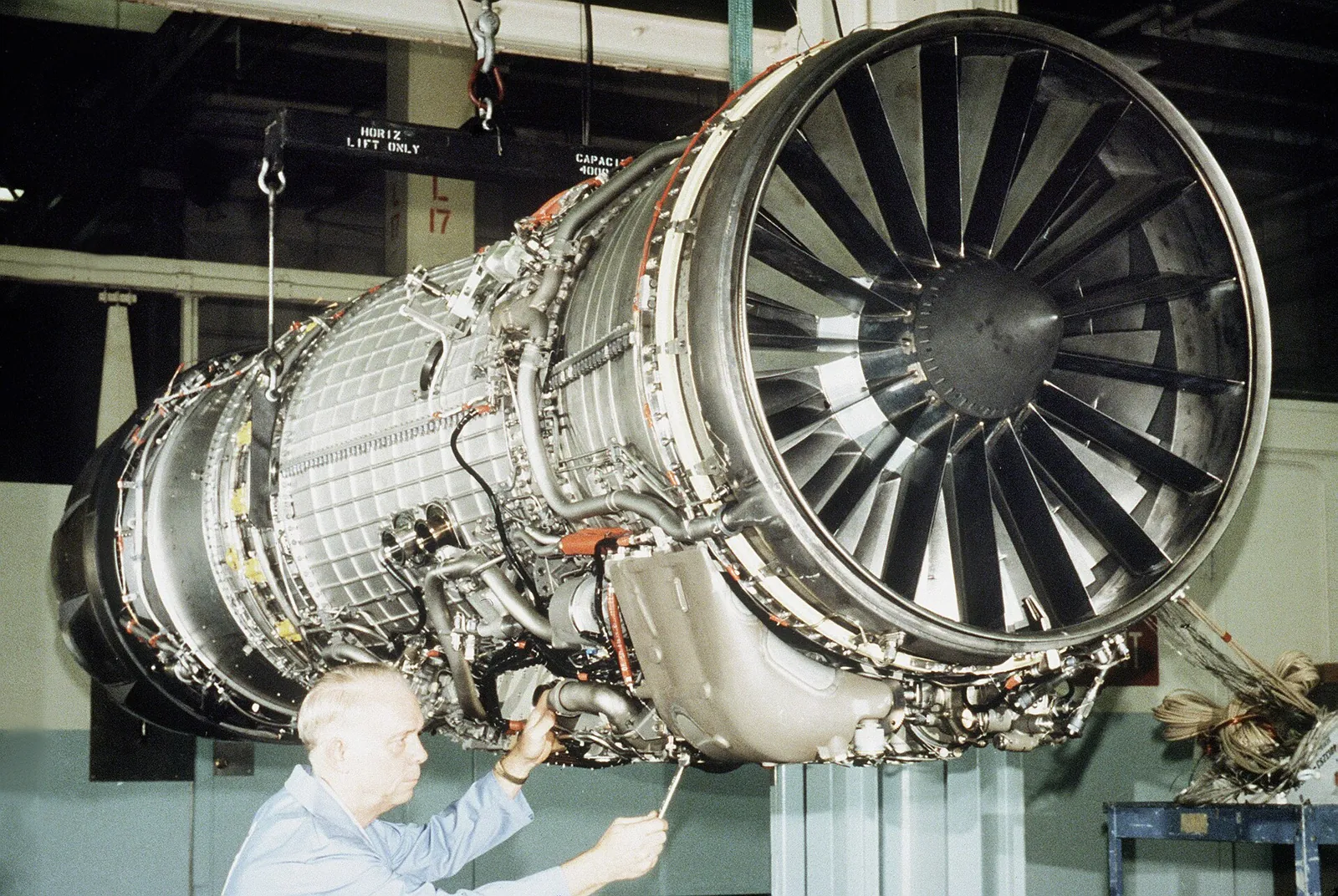
KAAN’s engine development is best read alongside the corporate scale of Turkish Aerospace and its engine affiliate TEI. The indicators below are verified corporate figures surrounding the program; the engine’s unit cost and program budget have not been officially disclosed.
Why the F110 was chosen, and why the shift to a domestic engine?
KAAN’s engine strategy is two-phased, and the logic behind it matters. In the first phase, a proven foreign engine was chosen so as not to delay the aircraft’s flight testing: the General Electric F110 is an afterburning turbofan used for many years on F-16s, with proven reliability. This let the prototype fly on 21 February 2024 without being held up by engine risk. However, the F110 is US-origin and subject to export licensing; this creates a strategic constraint for KAAN’s series production and, above all, for exports to third countries. In the second phase, the domestic TEI TF-35000 engine is targeted to remove that dependence. When the domestic engine will be ready and when it will be integrated onto KAAN has not been officially disclosed; this is a target, not a completed capability.
Division of roles for the KAAN engine: Turkish Aerospace, TEI and suppliers
KAAN’s engine is not the work of a single organization, and the engine is a supply item distinct from the aircraft itself. As the platform’s prime contractor, Turkish Aerospace (TAI) is responsible for the aircraft’s design and for integrating the engine onto the aircraft; but TAI does not build the engine. Responsibility for developing the domestic engine lies with TEI (TUSAS Engine Industries), a joint affiliate of Turkish Aerospace and General Electric that has accumulated turbomachinery experience through projects such as the TS1400 and TF6000. The prototype engine, the F110, is supplied directly by General Electric. This distinction is critical: the aircraft (the platform) is indigenous and belongs to Turkish Aerospace, but the engine flying today is foreign; the domestic engine is a target being developed by TEI. Localizing the engine is one of the most critical steps that must be completed for KAAN’s full independence.
The KAAN prototype flies today on foreign General Electric F110 engines; the domestic TEI TF-35000 is a target and is not yet ready. The engines’ exact thrust figures and the domestic engine’s delivery timeline have not been officially disclosed. Thrust numbers found in open sources are estimates. The prototype engine should not be confused with the targeted domestic one; the intended localization should not be presented as a completed capability.
Frequently Asked Questions
What is the KAAN’s engine?
The KAAN prototype flies on two General Electric F110 afterburning turbofan engines; the same engine is used across several F-16 variants. Series production targets the domestic TEI TF-35000, but that engine is not yet ready. The engines’ exact thrust figures as installed on KAAN have not been officially disclosed.
Does KAAN fly on a domestic engine?
No. KAAN does not fly on a domestic engine today; the prototype flies on foreign General Electric F110 engines. The domestic TEI TF-35000 is in development and has not yet been integrated onto KAAN. The transition to a domestic engine is a target; when it will be completed has not been officially disclosed.
What is the TF-35000 and when will it be ready?
The TF-35000 is the domestic afterburning turbofan being developed by TEI (TUSAS Engine Industries) for KAAN’s series production. Its targeted thrust class is suited to a heavy fifth-generation fighter, but the exact thrust value, certification and delivery timeline have not been officially disclosed. The engine is not yet ready.
Who makes the KAAN’s engine?
The prototype engine, the F110, is made by the US firm General Electric. Development of the domestic engine (TF-35000) is the responsibility of TEI (TUSAS Engine Industries), a joint affiliate of Turkish Aerospace and General Electric. The aircraft itself and engine integration are Turkish Aerospace’s responsibility, but TAI does not build the engine directly.
Is the F110 engine sufficient for KAAN?
The F110 is a mature afterburning turbofan proven on F-16s and was chosen for the prototype’s flight testing. In a twin-engine configuration it has enabled KAAN’s early flights. However, the F110 is US-origin and subject to export licensing, so a shift to a domestic engine is targeted in the long term. The F110’s performance figures as installed on KAAN have not been officially disclosed.
Why is the KAAN’s engine foreign?
To avoid delaying the aircraft’s flight testing, a proven foreign engine, the General Electric F110, was chosen for the first phase. Because developing a new engine can take longer than developing an aircraft, the aircraft was first flown on a mature engine while the domestic engine is developed in parallel. The aim is to switch to the domestic TEI TF-35000 in series production and end the dependence on a foreign engine.
Does the foreign engine affect KAAN’s exports?
Yes, this is an important strategic issue. Because the F110 is US-origin, it is subject to export licensing (US approval), which may limit KAAN’s exports to third countries. Completing the domestic TEI TF-35000 will be decisive for KAAN’s freedom to export and its full independence. The domestic engine’s timeline has not been officially disclosed.
Sources
- Turkish Aerospace official corporate site — tusas.com (KAAN / MMU program information)
- Presidency of Defence Industries (SSB) — MMU/KAAN and engine statements
- TEI (TUSAS Engine Industries) — TF-35000, TS1400, TF6000 engine programs
- Anadolu Agency / Daily Sabah — KAAN first-flight coverage (21 February 2024)
- General Electric — F110 turbofan engine technical information
- Wikipedia — TAI TF Kaan and GE F110 entries (open source, with estimated values flagged separately)