CTS-90 and ERV-90: TAIS training and support ships

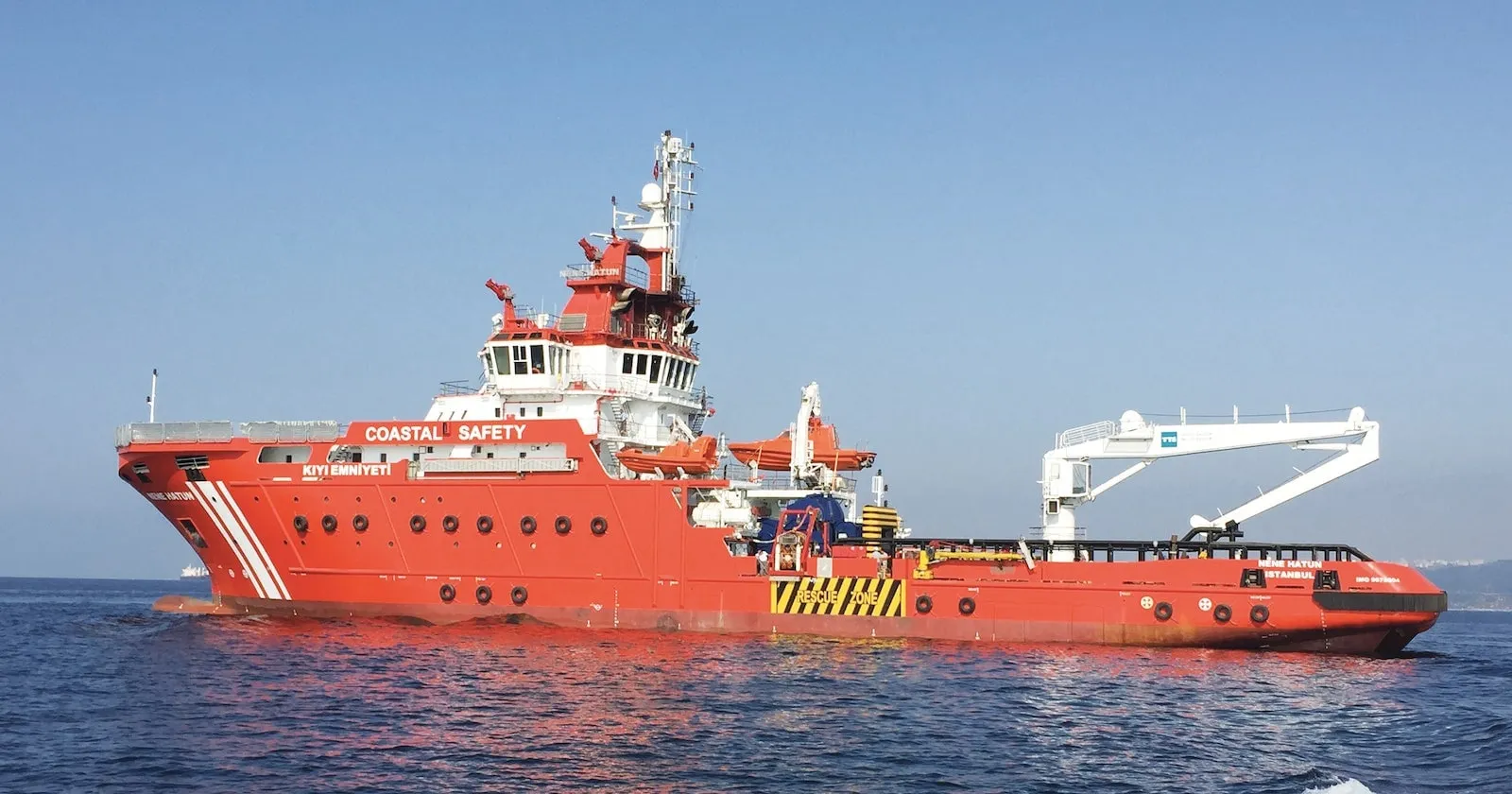
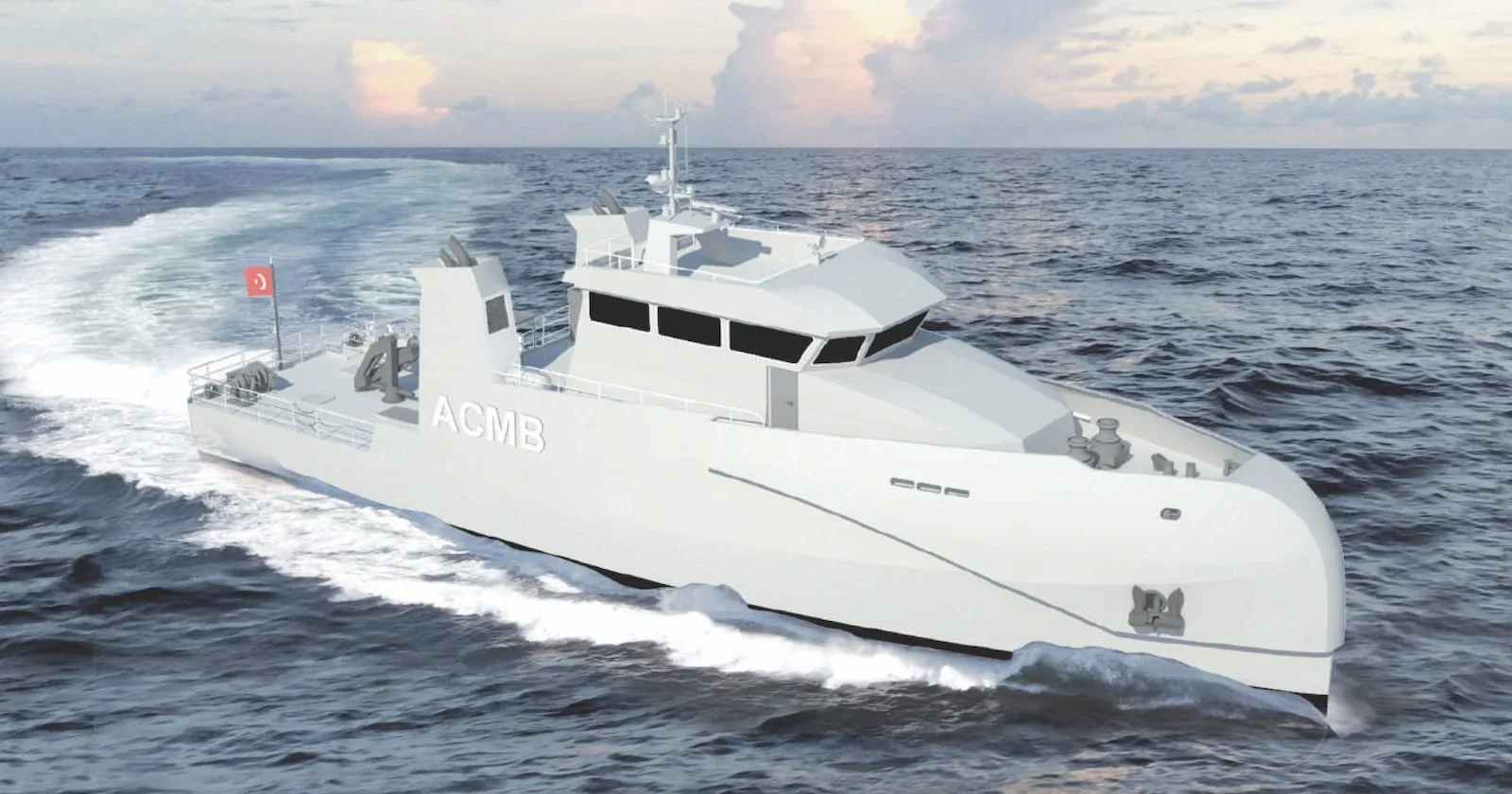
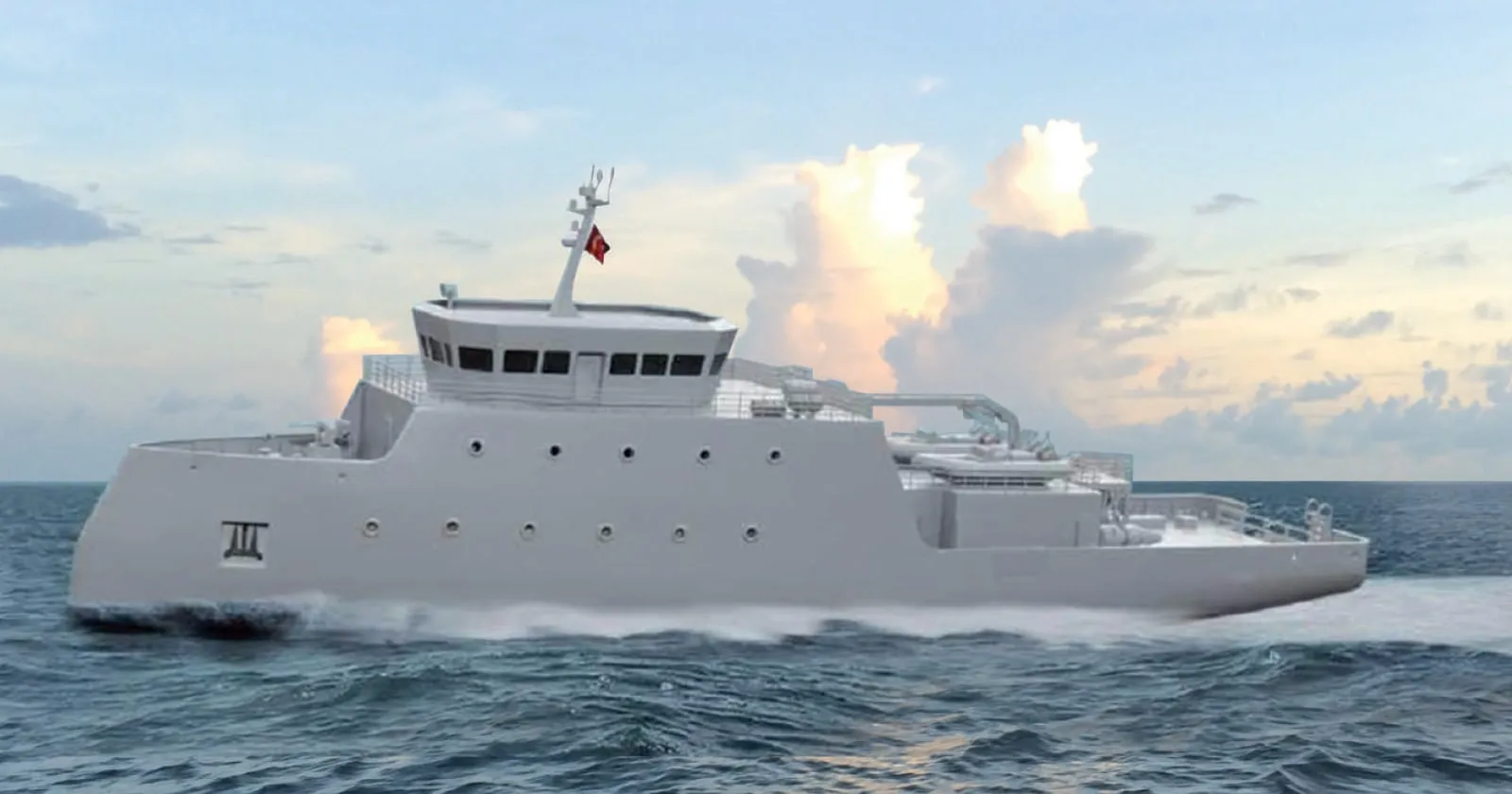
Quick answer: The CTS-90 and ERV-90 are the two hulls covering training and support missions in the TAIS Shipyards catalog. The 89.6-meter cadet training ship CTS-90 rests on a design family proven in service by the two ships consortium partner ADİK delivered to the Qatari Navy. The 87.8-meter ERV-90 is a support vessel designed for emergency response and rescue missions. This file presents the two platforms’ official data together with the delivered references.
Two platforms in one table
| Feature | CTS-90 | ERV-90 |
|---|---|---|
| Mission | Cadet training ship | Emergency response and rescue |
| Length overall | 89.6 m | 87.8 m |
| Beam | 14.2 m | 18 m |
| Displacement | 1,950 t | 6,400 t |
| Speed | 22 kn | 16 kn |
| Personnel | 146 | 65 |
Though the two hulls are close in length, their design logics are opposites: the CTS-90 is shaped for speed and berthing capacity, the ERV-90 for wide hull volume and carrying capability. The ERV-90’s 18-meter beam and 6,400-ton displacement show a priority on volume for rescue equipment and relief cargo.
CTS-90: a design proven in Qatar
As Naval News reports, ADİK built two cadet training ships under a contract signed with Qatar in March 2018: QTS 91 Al Doha was delivered on 25 August 2021, QTS 92 Al-Shamal in 2022. The roughly 90-meter, 2,150-ton ships are ADİK’s own design; they carry a helicopter platform and, alongside navigation and weapons training, can perform offshore patrol as a secondary role. The size band of the Qatari ships matches the CTS-90 data in the catalog; the contract process is described in the export file.
Training ships let naval academy cadets receive navigation, watchkeeping and weapons training on the open sea; in peacetime they are also used on diplomatic port visits. The Qatar case showed this ship type finding a market in the Gulf; no other customer has been officially announced.
ERV-90 and the response boats
The ERV-90 is a support vessel designed to respond to emergencies such as maritime accidents, fires and evacuations; its 16-knot speed shows a mission profile weighted toward endurance and volume rather than pace. The catalog also holds the smaller hulls of the same mission band: the ERDSB-52 emergency rescue and diver support boat and the ERDTB-35 emergency response and diver training boat. Together the three form a family aimed at meeting the rescue, diver support and training needs of navies and coast guards at different scales.
Why a training ship is an export gateway
A shipyard’s first relationship with a navy rarely begins with a frigate contract. Training and support ships carry low technical risk, short delivery times and a low political threshold. The buyer tests the yard’s work discipline, class processes and after-delivery support on these ships, while the yard learns the customer navy’s procedures. In the Qatar case the relationship ran in exactly that order: the training ship contract signed at the 2018 exhibition was completed with two on-schedule deliveries and raised Turkish shipbuilding’s visibility in the Gulf. That Qatari-capitalized Barzan Holding became the partner in the Indonesia frigate agreement signed at the same exhibition eight years later can be read as a continuation of that chain.
Where the support ships sit in the catalog
Training and response ships are positioned in the TAIS catalog as a second revenue channel alongside the combatant line (the BORA family and the OPV series). Because these ships face fewer export-control restrictions than combatants, first contracts in new markets often come from this segment; the Qatar case is the concrete instance of that model. For the larger support hulls, see the fleet replenishment ships file; for the full catalog, the projects guide.
Frequently asked questions
Which countries has the CTS-90 been sold to?
The design family’s delivered examples are the QTS 91 Al Doha and QTS 92 Al-Shamal, supplied to Qatar. No other customer has been officially announced.
Did TAIS build the Al Doha?
Consortium partner Anadolu Shipyard (ADİK) built the ship under its own contract; the design belongs to ADİK and sits in the same band as the CTS-90 family in the TAIS catalog.
Why is the ERV-90 so heavy?
The 6,400-ton displacement comes from the volume for rescue equipment, cranes and relief cargo; the design is scaled for endurance and capacity rather than speed.
Can a training ship be used in war?
According to Naval News, the Qatari ships can perform offshore patrol as a secondary role; with their limited armament they can take on low-intensity missions.
What is the difference between the ERDSB-52 and the ERDTB-35?
The ERDSB-52 is a diver support and rescue boat, the ERDTB-35 a boat oriented to diver training; both operate at the scale below the ERV-90.
Sources and verification note
Catalog data was verified against official product pages, and the Qatar deliveries against independent sources. Accessed: August 13, 2026.
- TAIS, CTS-90 Cadet Training Ship: https://www.taisshipyards.com/en/cts-cadet-training-ship
- TAIS, ERV-90 Emergency Response and Rescue Vessel: https://www.taisshipyards.com/en/erv-emergency-response-and-rescue-vessel
- TAIS, product index (ERDSB-52, ERDTB-35): https://www.taisshipyards.com/en/products
- Naval News, “Turkey’s ADIK Shipyard Delivers First Training Ship For Qatar” (08.2021): https://www.navalnews.com/naval-news/2021/08/turkeys-adik-shipyard-delivers-first-training-ship-for-qatar/
- TURDEF, “Qatar Navy Received second Cadet Training Ship Al-Shamal”: https://turdef.com/article/qatar-navy-received-second-cadet-training-ship-al-shamal
- Daily Sabah, “Turkish shipyard delivers 1st cadet training ship for Qatari Navy”: https://www.dailysabah.com/business/defense/turkish-shipyard-delivers-1st-cadet-training-ship-for-qatari-navy