Rheinmetall Adds Passive RF Sensors to Skynex: A Quieter Eye for the 1,000-Round Gun

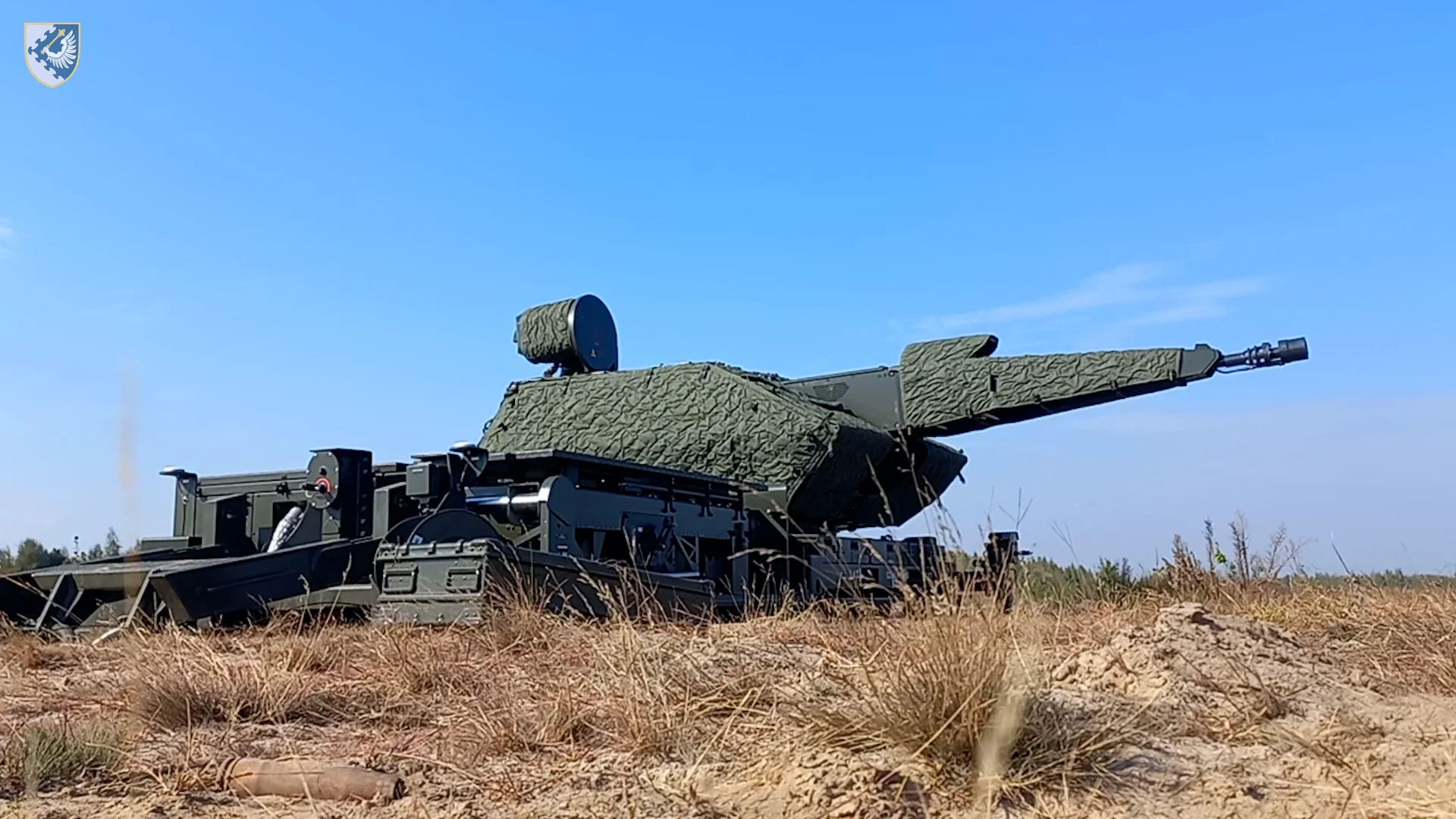
Rheinmetall Air Defence has agreed to add passive radio-frequency sensing to its Skynex gun-based air defense system, bringing in Silvus Technologies, a Motorola Solutions subsidiary, as the sensor supplier. The Defense Post reported the deal on November 2, describing an integration that runs through Skynex’s Skymaster command-and-control layer.
Silvus’s RFeye sensors locate aerial threats by listening for the radio signals those targets emit, without transmitting anything themselves. Rheinmetall says that passive approach lowers the odds that the sensor’s own position gets revealed, in contrast to radar, whose emissions can be picked up and geolocated by an adversary’s electronic-intelligence assets.
“Modern airspace is becoming more congested and more difficult to monitor,” said Roman Köhne, CEO of Rheinmetall Air Defence AG, the only official quoted in the announcement. He added that conventional detection methods alone can struggle to identify new and unusual aerial threats, and that feeding passive RF data into Skymaster should help crews react faster to emerging ones.
Skynex is a short-range, cannon-based air-defense platform built for the kind of close engagements where guided missiles cost more than the threat is worth. Its twin-barrel 35mm Oerlikon gun fires up to 1,000 rounds per minute out to a range of roughly 4 kilometers (2.5 miles), using programmable airburst ammunition designed to resist electronic countermeasures. That combination gives it a lower cost per engagement than missile interceptors against drones, unguided rockets, and artillery or mortar shells.
The new sensors are meant to work alongside Skynex’s existing radar and electro-optical suite, adding a continuous read of the electromagnetic environment rather than replacing anything. Rheinmetall frames the addition as support for the full find-fix-track-target-engage-assess cycle rather than a single extra gadget bolted onto the system.
Neither company disclosed a contract value, delivery schedule, unit quantities, or which customers will receive the upgraded configuration first. Silvus’s RFeye lineage is better known in tactical mesh-radio circles; Turkish manufacturers’ own mesh-radio products are routinely benchmarked against it in marketing comparisons, an indirect sign of how widely the US firm’s RF technology is already used as an industry reference point.
Skynex units have already been supplied to Ukraine, where they have stood on air-defense lines against drone and missile threats. Passive RF detection is expected to shorten reaction time specifically against the kind of cheap drone swarms that have become routine on that front, since a battery that only listens does not need to risk exposing its position to return fire or jamming.
The move lands amid a broader NATO-wide push to expand short-range air defense inventories as drone threats multiply in both number and variety. Türkiye’s own gun-based system, ASELSAN’s KORKUT, occupies a comparable niche with twin 35mm guns and an integrated radar-optical package, underlining that the tactical gap Skynex fills — missile-uneconomical, close-range, high rate of fire — is one multiple NATO-aligned industries are racing to cover with steadily less detectable sensor architectures.
Sources
- The Defense Post, “Rheinmetall to Integrate Silvus Passive RF Sensors Into Skynex Air Defense System,” November 2, 2026, https://thedefensepost.com/2026/11/02/silvus-passive-rf-sensors/ — primary source for the Rheinmetall-Silvus deal, technical specifications, and the Köhne quotes.