Kongsberg Wins NOK 4.7 Billion JSM Anti-Ship Missile Order

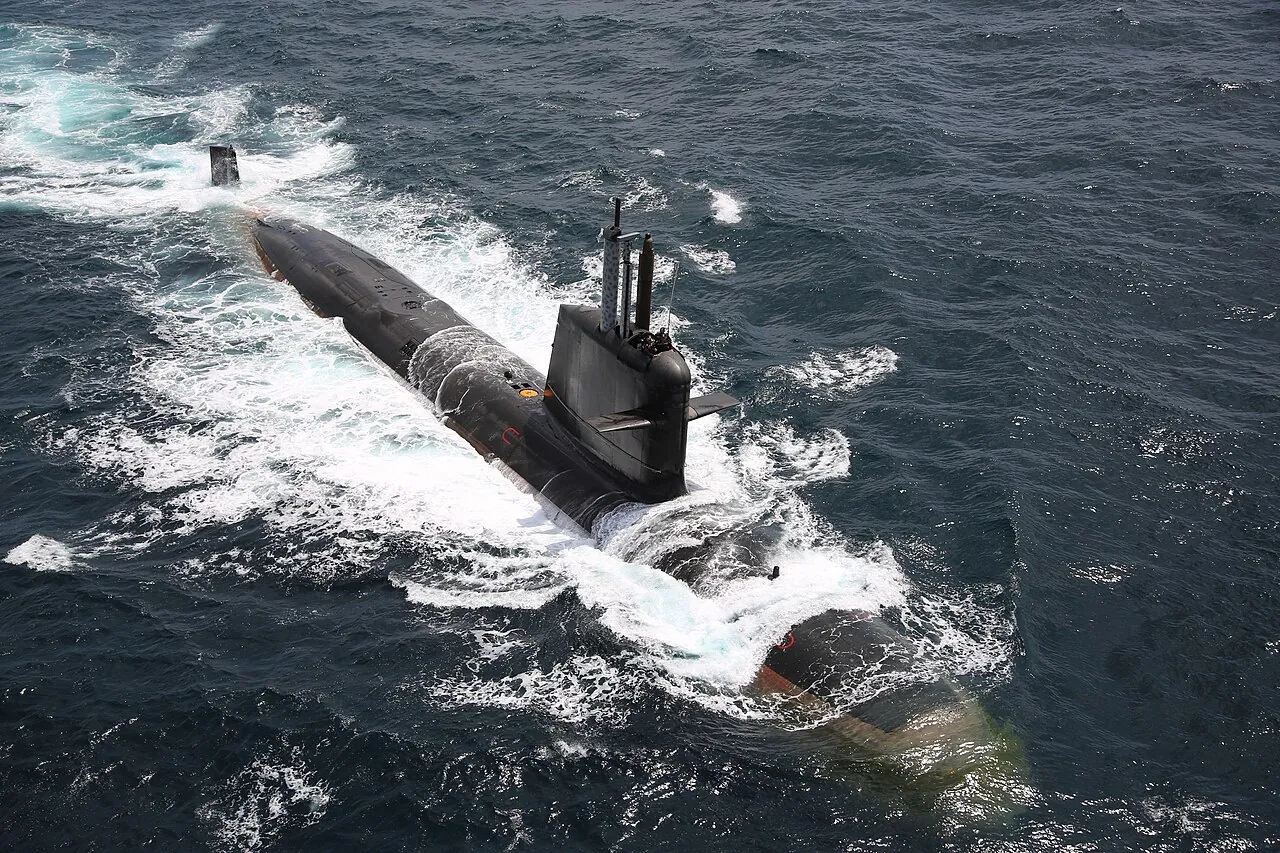
There is a new move in Europe’s anti-ship missile market. According to Kongsberg, the company signed an order worth NOK 4.7 billion (~$474 million) for the Joint Strike Missile. The customer’s identity and the number of missiles were not disclosed, but the deal marks the sixth country to add the JSM to its inventory.
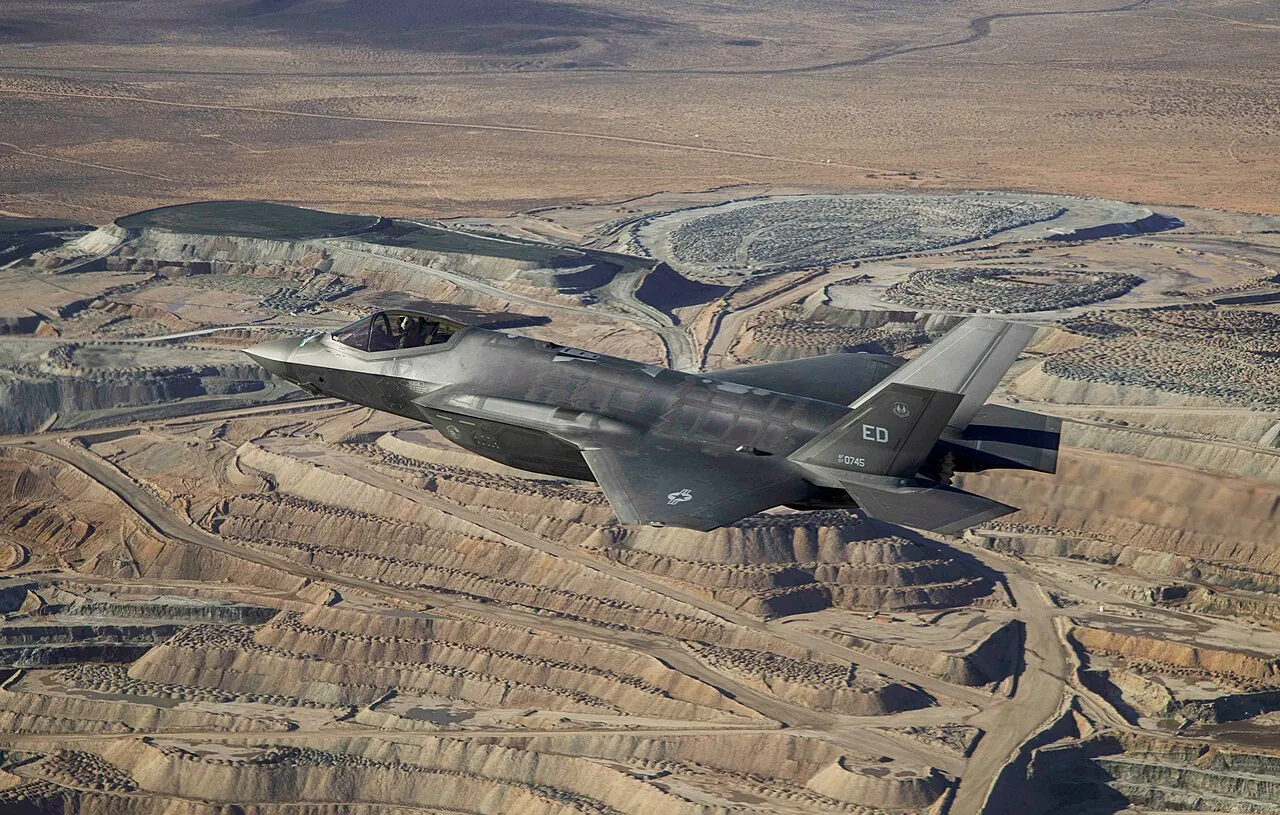
The JSM is a fifth-generation precision strike missile. About 4 meters long, it is designed to fit inside the internal weapons bay of the F-35A and F-35C, preserving the aircraft’s low radar signature. The missile can be used against both maritime and land targets.
What Is the JSM, and Why Does It Matter?
The Joint Strike Missile is the air-launched version Kongsberg developed from its Naval Strike Missile (NSM) family. About 4 meters long, it is sized to fit inside the F-35’s internal weapons bay. That means a fighter can preserve its low radar signature while still carrying an anti-ship/land-attack missile.
The missile’s standout feature is flying low, close to the sea surface, to reach its target without being caught by radar. So far Norway, Japan, Australia, the US and Germany have chosen the JSM; Germany’s deliveries are expected to begin before the end of 2027. With the new undisclosed customer, the number of users rises to six.
Inside the Order
Kongsberg announced it signed the NOK 4.7 billion deal on 30 June; the customer’s identity and the number of missiles were not disclosed. Some sources assess it could be Belgium or another European nation with F-35 acquisition plans. What is certain is that the JSM has found its sixth user country.
The JSM’s integration with the F-35 is what makes the missile especially valuable. The biggest advantage of fifth-generation fighters is low observability, but that advantage is lost when weapons hang on external pylons. Fitting inside the internal bay, the JSM grants long-range anti-ship capability without breaking the F-35’s stealth profile, of strategic importance for sea-heavy theaters such as the Pacific and the Baltic.
| Item | Detail |
|---|---|
| Maker | Kongsberg (Norway) |
| Missile | Joint Strike Missile (JSM) |
| Family | Naval Strike Missile (NSM) derivative |
| Length | ~4 meters |
| Role | Anti-ship + land-attack |
| Platform | F-35A / F-35C (internal bay) |
| Order | NOK 4.7 billion (~$474 million) |
| Users | Norway, Japan, Australia, US, Germany + undisclosed 6th |
Why Do Anti-Ship Missiles Matter?
Anti-ship missiles are among the decisive elements of the naval balance. A fighter being able to strike a ship from long range, with low observability, means keeping an enemy navy hundreds of kilometers off the coast. That capability provides deterrence especially in critical waterways such as straits and narrow seas.
With the F-35’s spread, missiles the aircraft can carry without breaking its stealth profile have become a strategic niche. The JSM is one of the limited number of products filling that gap. The addition of a sixth customer shows rising demand for the fifth-generation-fighter-plus-anti-ship-missile combination.
What It Means for Türkiye
Anti-ship and cruise missiles are among the critical areas Türkiye is developing with a sovereignty goal. Roketsan’s ATMACA anti-ship missile has been integrated onto Turkish Navy ships and is being exported; with its range and cruise capability it is a regional deterrent. Türkiye has thus produced an indigenous solution in an area where it once depended on imports.
The air-launched side is advancing too. Roketsan’s SOM cruise missile has been integrated onto F-16 and F-4 aircraft and is planned as a weapon for the indigenous KAAN fighter and the Kızılelma. The land-attack Gezgin cruise missile is under development. The ‘stealth aircraft plus internal-bay missile’ model the JSM establishes with the F-35 mirrors the path Türkiye follows for KAAN.
Kongsberg finding a sixth customer shows how competitive this segment is. Türkiye, with ATMACA, SOM and Gezgin, aims both to meet its own need and to take a place in the export market. Sovereign missile capability is one of the basic conditions for a country to act free of external supply constraints.
Frequently Asked Questions
What is the JSM?
How big is the order?
Why is the JSM special for the F-35?
Does Türkiye have an equivalent?
Conclusion
Kongsberg finding a sixth customer for the JSM shows rising demand for the combination of a fifth-generation fighter and a stealth-compatible anti-ship missile. Türkiye, with ATMACA, SOM and Gezgin, is building a sovereign capability in the same area; the aim is both to feed its own navy and air power and to become an exporter in this growing market.