FEMSAN alternators and power systems

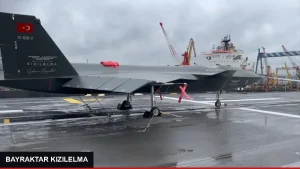
FEMSAN’s alternators and power systems extend the company’s motor technology from motion into power generation. According to public statements, the company supplies alternators that generate electricity on board to unmanned aerial vehicle manufacturers, and is developing electric power converters for the ATAK-2 helicopter and the HÜRJET jet trainer. Alternators are counted among the company’s main product groups in the official industrial catalog.
What does an alternator do on an air platform?
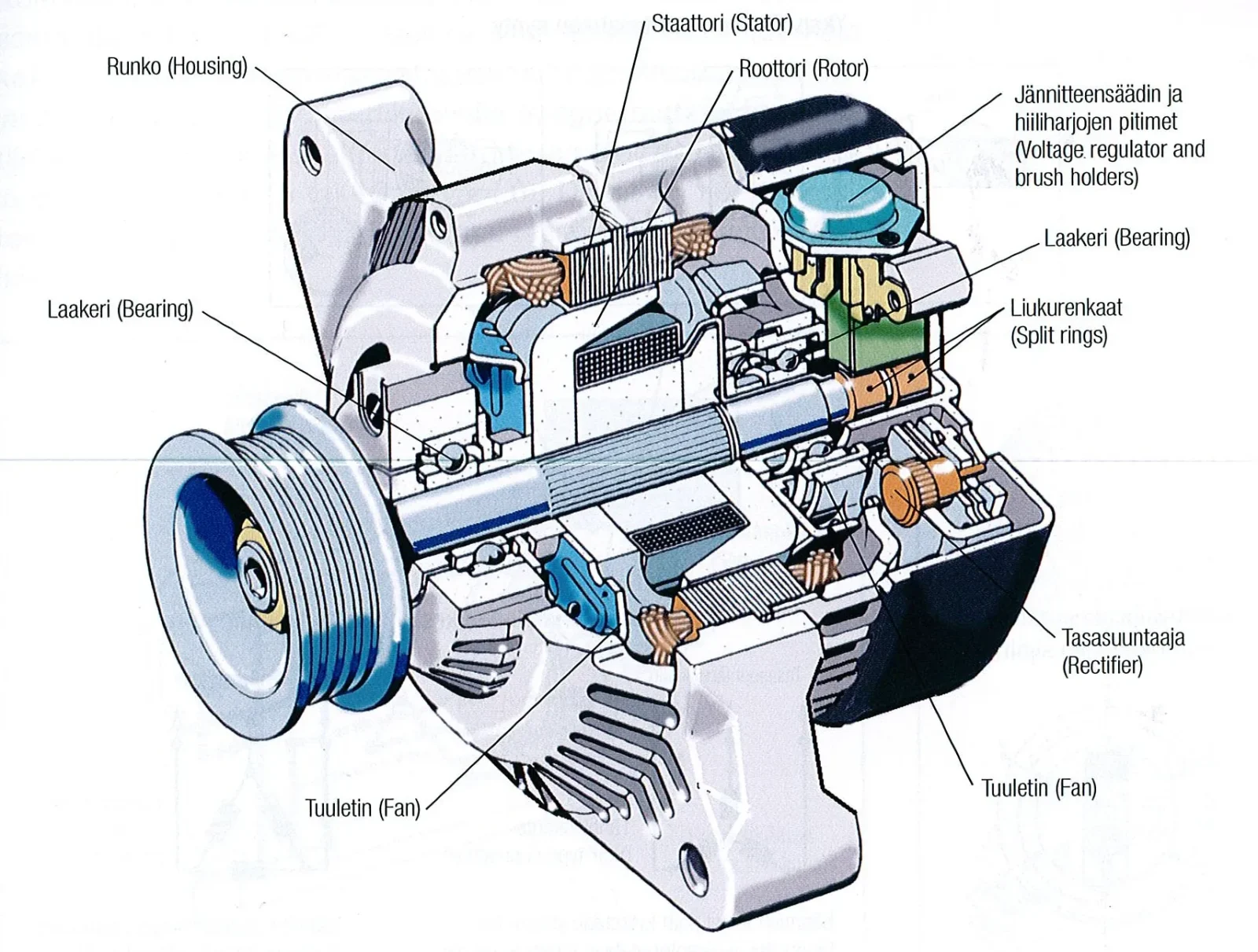
An alternator converts part of the main engine’s mechanical power into electrical energy. On unmanned aerial vehicles, the avionics computers, data link, payload (camera, radar) and servo systems are all fed from this generated power. As mission duration grows, the alternator’s efficiency and reliability directly determine the platform’s operational capability; an alternator failure forces even an aircraft with a running engine to abort its mission. Which UAV manufacturers FEMSAN supplies alternators to is not officially disclosed; a report published through SAHA Istanbul uses the phrase “alternators for UAV manufacturers.”
| Work area | Publicly known information | Status |
|---|---|---|
| UAV alternators | Supply to UAV manufacturers | Company statement |
| ATAK-2 power converter | Development work | Company statement |
| HÜRJET power converter | Development work | Company statement |
| Radar/antenna rotation motors | Supply for vision systems | Company statement |
Power converters: ATAK-2 and HÜRJET
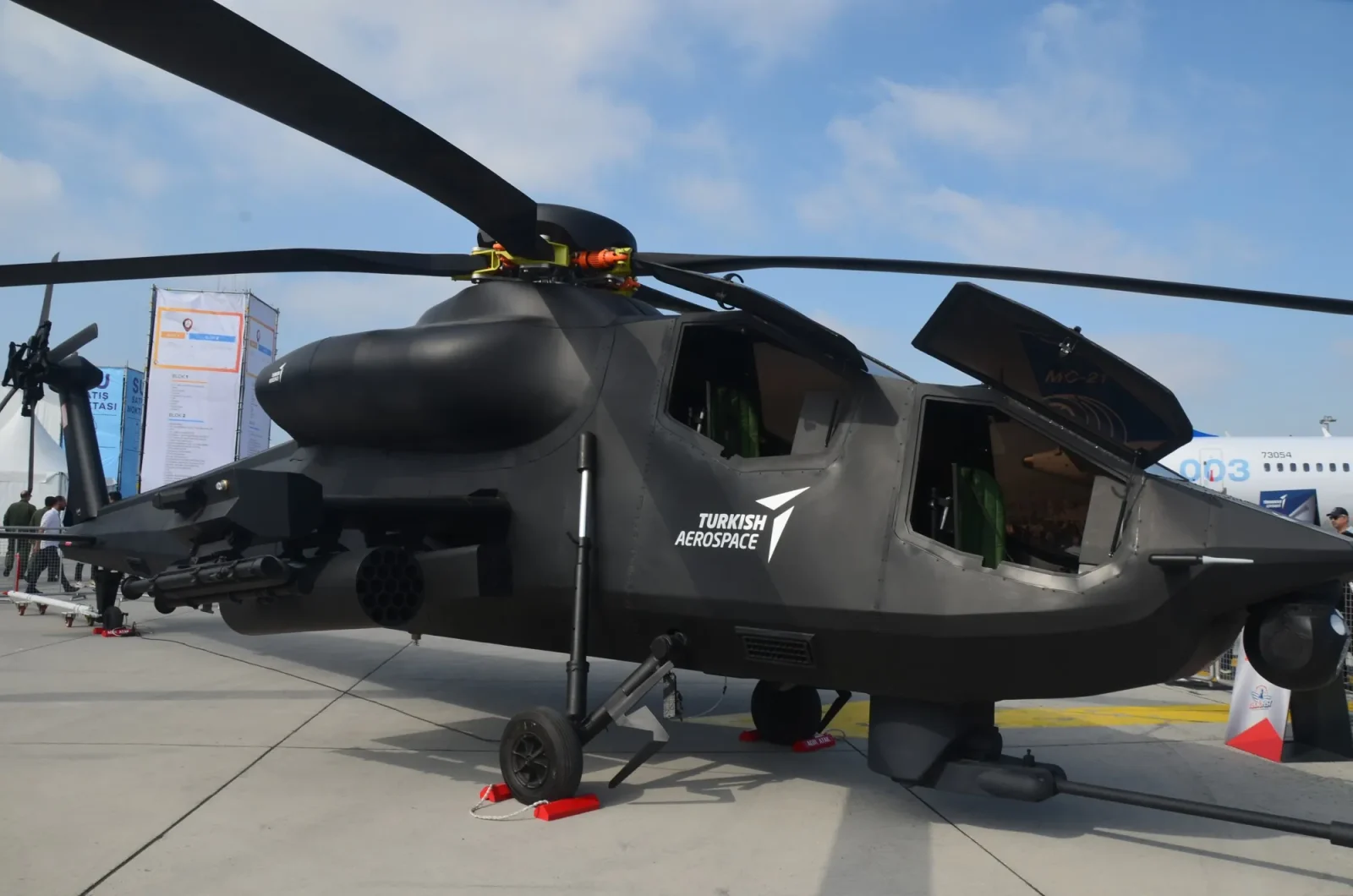
Power converters turn the raw electricity coming from the generator into the stable voltage and frequency values that avionics systems require. Composed of rectifier, inverter and DC-DC converter stages, these units are customized to the platform’s electrical architecture. According to information released through SAHA Istanbul, FEMSAN is at the development stage of electric power converters for the ATAK-2 attack helicopter and HÜRJET platforms; the products’ qualification status and technical values are not officially disclosed. Localizing power electronics on national platforms rests on the same supply security rationale as localizing motors and actuators; the company’s other work in this field is compiled in the defense projects file.
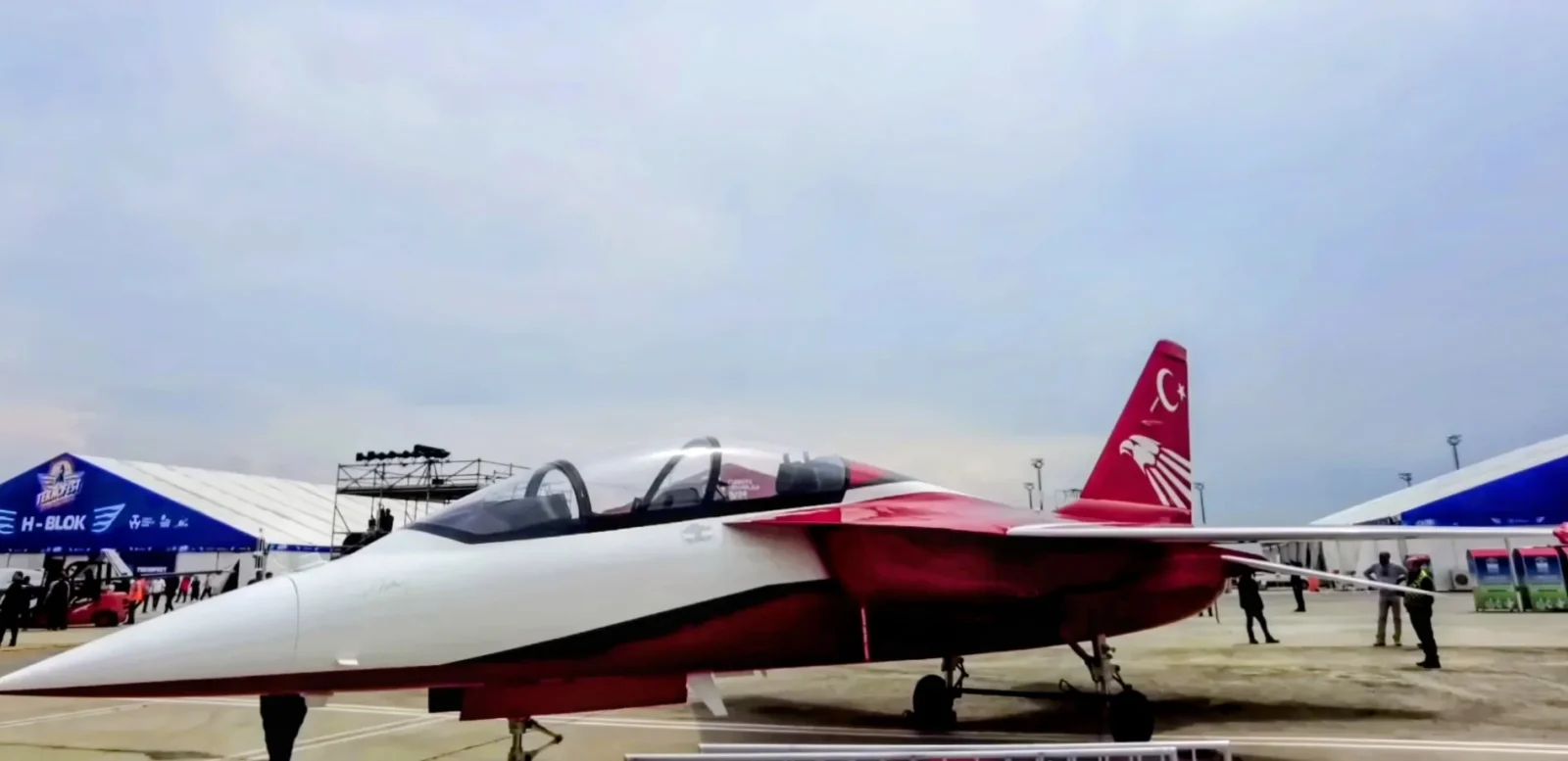
Radar and vision system motors
Aircraft electrical networks are designed to aviation power quality standards that define voltage fluctuation and transient limits; the converter staying within these limits is the precondition for uninterrupted operation of the avionics computers. In converter design, thermal management and electromagnetic interference suppression matter as much as efficiency.
The company’s statements also mention supplying electric motors for rotating and steering the vision systems of surveillance platforms. Antenna and electro-optical turret drives require high torque at low speed, low cogging and precise positioning; this requirement is met with servo motor and slotless BLDC technology. The same requirement family is shared with the weapon system actuators described in the actuator file.
Permanent magnet alternator technology
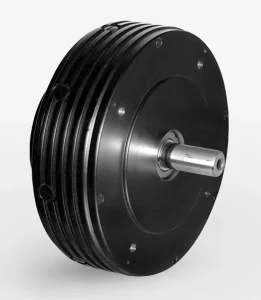
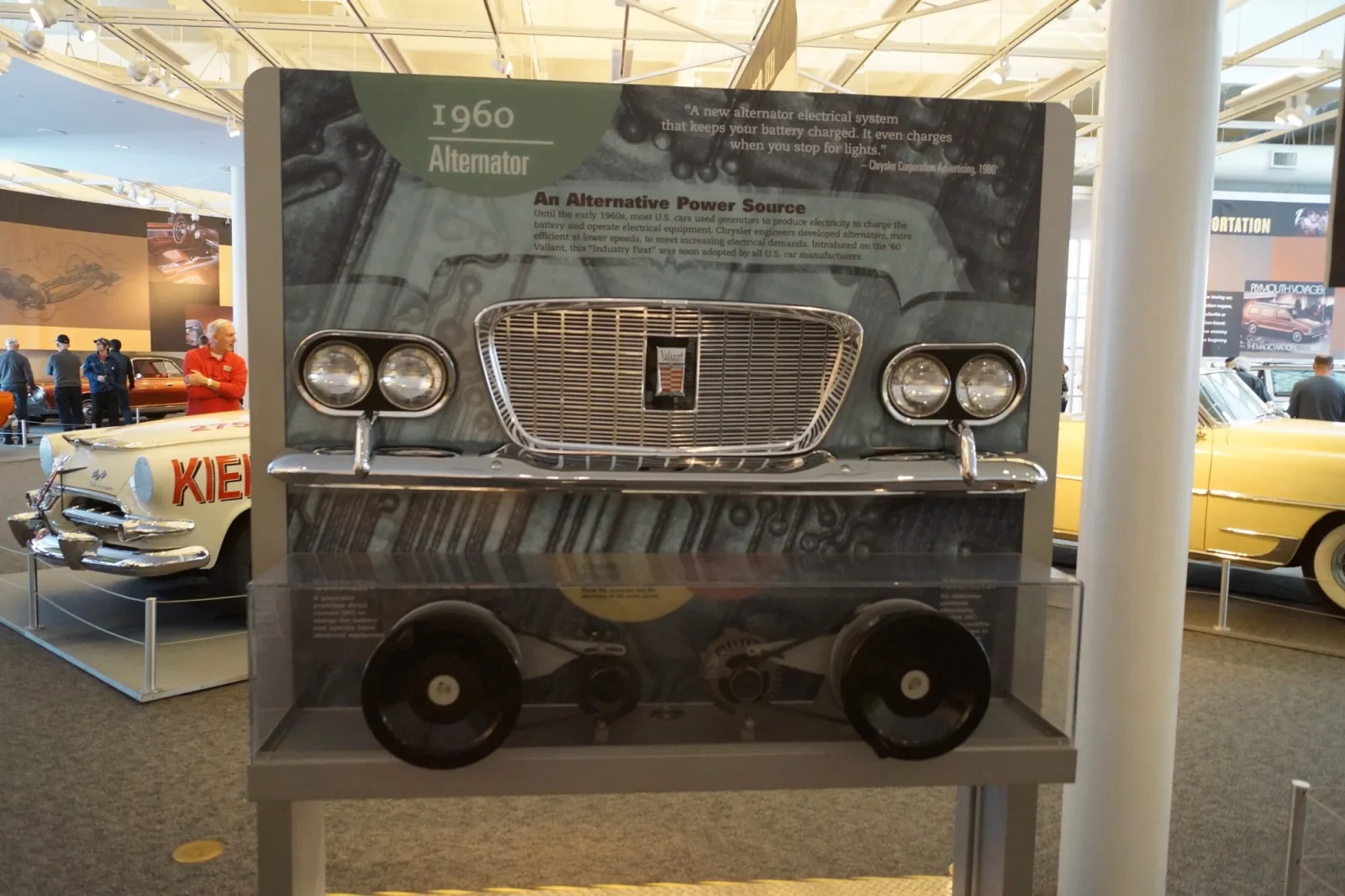
The approach gaining ground on air platforms is the permanent magnet alternator architecture: with no windings or brushes in the rotor, maintenance needs drop, power per unit mass rises, and direct coupling to a high-speed engine shaft becomes possible. The variable-frequency alternating current at the output is rectified and regulated by power electronics to the platform’s needs; alternator and power converter must therefore be designed together, and this pairing determines system efficiency. FEMSAN’s having both the alternator and the converter in its product program allows the two components to be matched under a single point of responsibility; the company’s brushless technology base on the motor side is described in the BLDC motors file. Power and speed ratings of FEMSAN’s UAV alternators are not officially disclosed.
Industrial alternators and maintenance services
The official catalog states that FEMSAN offers custom alternator production at wide scale for different voltages and speeds. The service unit within the group provides maintenance and repair for electric motors, alternators and servo motors. This unit is associated with Mogeser, named alongside FEMSAN in the concordat reports; the corporate structure is covered in the Who owns FEMSAN? file.
Frequently asked questions
Which UAVs does FEMSAN supply alternators for?
The company has stated that it supplies “UAV manufacturers”; platform and customer names are not officially disclosed.
What is the difference between a power converter and an alternator?
The alternator generates the electricity; the power converter turns the generated electricity into the voltage-frequency form the systems require.
Have the ATAK-2 and HÜRJET units been delivered?
The statements use the word “development”; qualification and delivery status is not officially disclosed.
Are FEMSAN alternators sold on the civilian market?
Custom alternator production appears in the catalog as a general product group; no details about civilian sales channels have been published.
Who can use the maintenance and repair service?
The group’s service unit repairs motors, alternators and servo motors; the service scope is defined in the company catalog. The full product range is listed in the products guide.
Sources and verification note
Project information is based on company statements; power ratings and customer lists are not included because they have not been disclosed. Accessed: August 13, 2026.
- http://www.sahaistanbul.org.tr/firma-haberleri/femsan-savunma-sanayisinin-yerlilik-oranini-artiran-cozumler-sunuyor
- https://www.ilhamipektas.com/femsan-savunma-sanayi-icin-elektrikli-motorlar-uretiyor/
- https://www.hannovermesse.de/apollo/hannover_messe_2023/obs/Binary/A1228817/FEMSAN%20END-2019-ENG.pdf
- https://www.sahaistanbul.org.tr/firma/femsan-elektrik-motorlari-san-ve-tic-a-s
- https://www.dunya.com/ekonomi/aselsan-ve-roketsanla-calisan-savunma-sanayi-sirketi-femsandan-konkordato-basvurusu-haberi-787049