Seasats and Neros Test Quickfish USV Carrying Archer FPV Drones: A Reusable Strike Boat With 227 kg of Payload

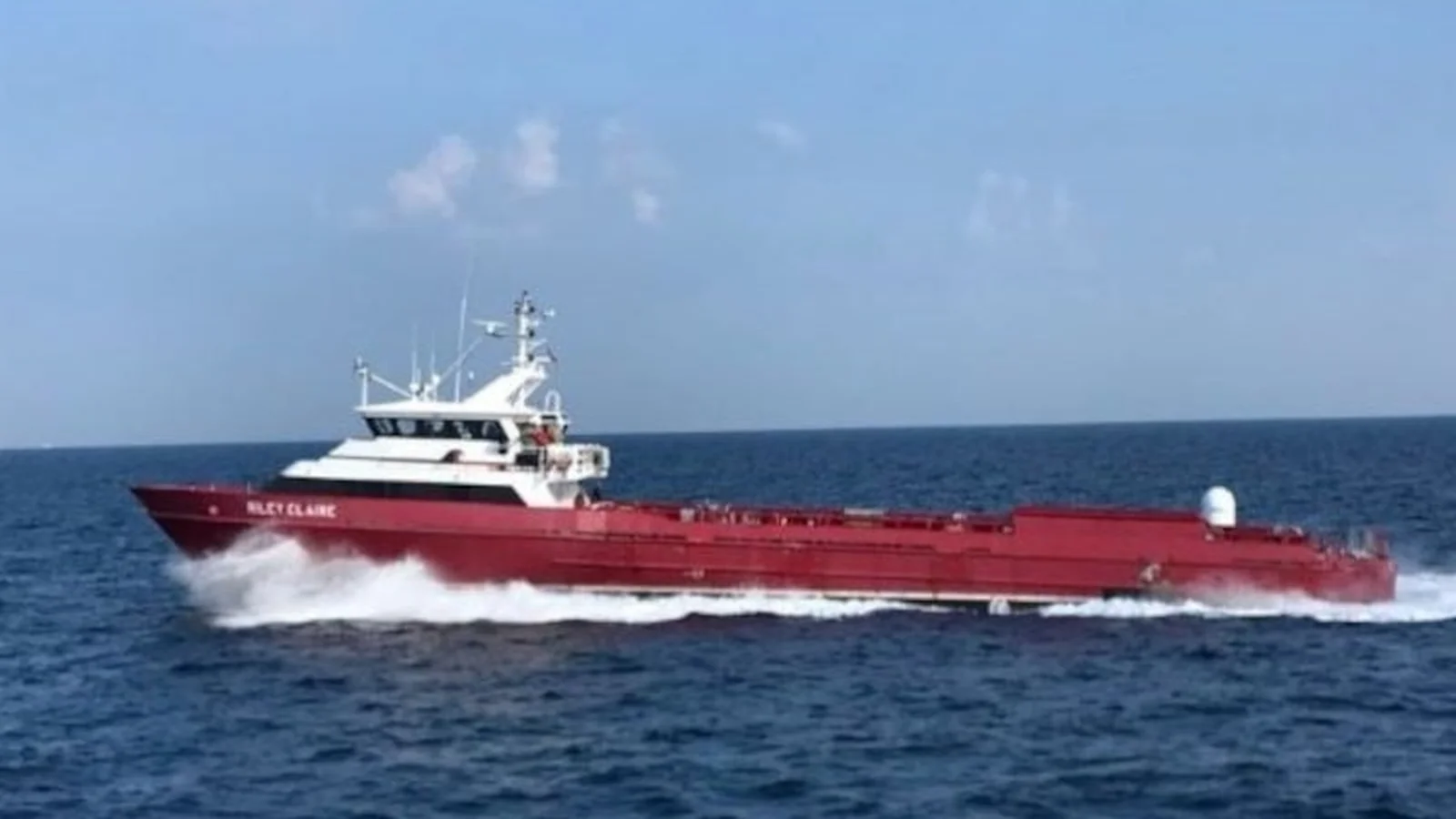
U.S. companies Seasats and Neros reported to Army Recognition on an integration first announced on November 10: Seasats’ Quickfish unmanned surface vessel (USV) has been tested carrying and launching Neros’ Archer family of first-person-view (FPV) strike drones at sea. Quickfish measures 5.8 meters long, 1.7 meters in beam, with a displacement of 1,800 kg and hybrid propulsion — a combustion waterjet for transit and electric propulsion for slow-speed movement. It reaches a top speed of 40 knots, with a range exceeding 400 nautical miles at a 22-knot cruise (over 550 nm in an extended-range configuration) and endurance of up to four weeks (672 hours). Its 2.4 cubic-meter compartment can carry up to 227 kg of payload, including six FPV drones.
The Archer family’s strike variant, the “Archer 10-inch Strike,” weighs 3.5 kg unloaded and can carry up to 3.18 kg of payload, with a top speed of 129 km/h unloaded and 116 km/h loaded. Its range drops from 36 km unloaded to 13 km loaded, and endurance from 48 to 13 minutes as payload increases. The “Archer AI” variant, weighing 2.72 kg, adds GPS-free position hold and terminal guidance that can continue an attack after losing communications, with similar range and endurance figures. Both variants can carry Terminus anti-personnel or anti-armor payloads; the manufacturer prices an unarmed drone at about $2,000 and an armed system at roughly $5,000.
The system’s key feature, unlike one-way kamikaze USVs, is reusability: Quickfish can return to base after a strike, rearm, and conduct repeated missions. A layered architecture is also planned alongside Seasats’ smaller Lightfish USV — a 138 kg, solar-electric and methanol fuel-cell vessel with a range above 8,000 nautical miles and endurance of up to six months — which can detect a contact and hand it off to Quickfish, which then identifies the target with its own sensors and launches a drone if needed.
According to Army Recognition, the approach draws on precedents from Ukraine’s FPV-carrying USVs — Sea Baby, Magura and Barracuda — and Russia’s Skorlupa system; a Sting interceptor reportedly destroyed a Shahed-type drone in April. The report also notes a concentration risk: on July 19, a Barracuda carrying several drones was destroyed near Zaliznyi Port, and crews reported losing three Barracudas within 30 minutes. The U.S. Marine Corps, for its part, separates reconnaissance and target tracking from the strike operator; the 7th Marine Regiment launched an Archer from a Multi-Mission Reconnaissance Craft-B off Okinawa on September 18, followed by live-fire strikes on October 20.
Neros said in August it closed a $250 million Series C funding round at a $2.5 billion valuation, received an order for more than 14,000 drones on September 30, and is targeting production of one million drones a year by 2028 at its Project Millennium facility. Army Recognition notes that most of these figures are manufacturer-stated and have not been independently verified.
Sources
- Jérôme Brahy, “US companies Seasats and Neros test Quickfish USV carrying Archer FPV drones for naval strikes,” Army Recognition, November 17, 2026, 15:54 — https://www.armyrecognition.com/news/navy-news/2026/us-companies-seasats-and-neros-test-quickfish-usv-carrying-archer-fpv-drones-for-naval-strikes