The World’s Biggest Arms-Exporting Countries


Being the ‘biggest’ arms exporter is often assumed to be a revenue ranking measured in dollars — but the field’s most respected independent source, the Stockholm International Peace Research Institute (SIPRI), doesn’t publish figures in dollars at all. It uses the trend-indicator value (TIV), a standard unit that measures the military value of major arms systems. This file compares the biggest arms exporters of 2021-25, how dependent each one is on its single largest buyer, and the biggest buyers on the import side — all based on SIPRI’s database update and official fact sheet, both released in March 2026.
Methodology: What The TIV Is, And Isn’t
SIPRI’s TIV is a standardised measure of ‘military value’ based on the known production cost of a weapon system; it does not reflect an actual sale price or contract value and cannot be converted into dollars. SIPRI also separates ‘change in share’ from ‘change in volume’: even if a country’s share of the global total falls, its own export volume can still rise, because the global total itself grew (by 9.2% in 2021-25). Both figures are shown separately in this file and are never conflated.
| Data type | Description | Where it’s used in this file |
|---|---|---|
| SIPRI TIV export share | A country’s share of global arms exports as measured by SIPRI’s trend-indicator value — not dollar revenue | Main table |
| Volume change (%) | The change in a country’s total TIV volume between the two periods, not its share; since the global total also grew, a country’s share can fall while its own volume still rises | Main table and third axis |
| Single-buyer concentration ratio | SIPRI’s own calculation of the share of a supplier’s total exports going to its single largest recipient | Second axis |
| SIPRI TIV import share | A country’s share of global arms imports, calculated the same way | Third axis |
The Biggest Arms Exporters of 2021-25
The ranking below covers the top 12 rows of SIPRI’s full 25-country list. Türkiye enters at its own genuine rank, 11th — no country’s position in this file was artificially adjusted.
| Rank | Country | Share 2021-25 (%) | Share 2016-20 (%) | Volume change (%) | Source |
|---|---|---|---|---|---|
| 1 | United States | 42 | 36 | +27 | SIPRI |
| 2 | France | 9.8 | 8.8 | +21 | SIPRI |
| 3 | Russia | 6.8 | 21 | -64 | SIPRI |
| 4 | Germany | 5.7 | 5.4 | +15 | SIPRI |
| 5 | China | 5.6 | 5.5 | +11 | SIPRI |
| 6 | Italy | 5.1 | 2.2 | +157 | SIPRI |
| 7 | Israel | 4.4 | 3.1 | +56 | SIPRI |
| 8 | United Kingdom | 3.4 | 3.3 | +13 | SIPRI |
| 9 | South Korea | 3.0 | 2.6 | +24 | SIPRI |
| 10 | Spain | 2.3 | 2.4 | +6.7 | SIPRI |
| 11 | Türkiye | 1.8 | 0.9 | +122 | SIPRI |
| 12 | Netherlands | 1.2 | 2.1 | -34 | SIPRI |
Second Axis: How Dependent Are The Biggest Suppliers On A Single Buyer?
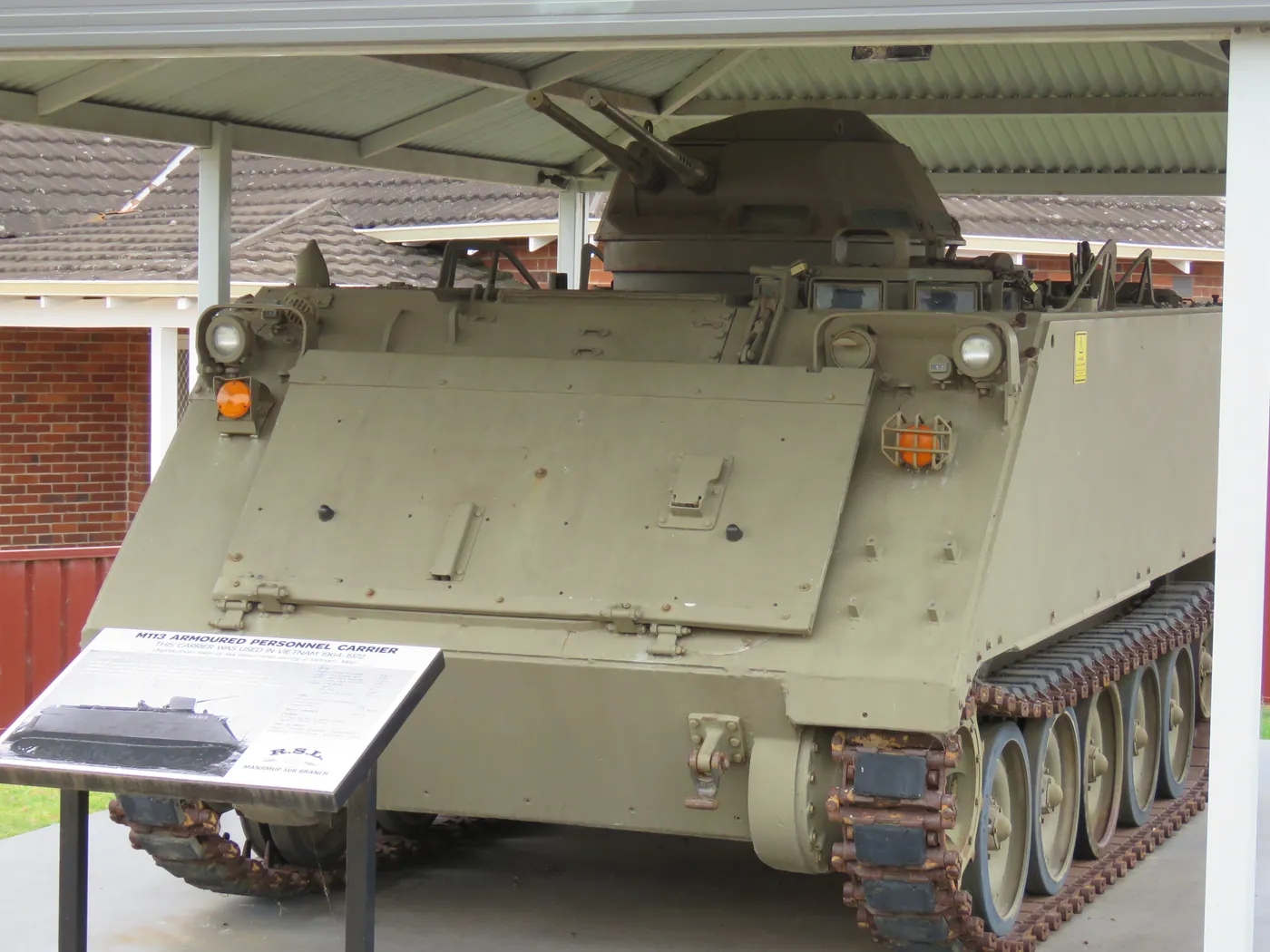
Global share shows how big an exporter a country is; whether that trade is concentrated in a single buyer is a different question. Using the ‘largest single recipient’ data from the same SIPRI table, we ranked the 12 suppliers in the main table by how much of their exports goes to their single biggest customer.
| Supplier | Single largest buyer | Buyer’s share (of supplier’s total exports, %) | Source |
|---|---|---|---|
| China | Pakistan | 61 | SIPRI |
| South Korea | Poland | 58 | SIPRI |
| Russia | India | 48 | SIPRI |
| United Kingdom | Qatar | 31 | SIPRI |
| Israel | India | 29 | SIPRI |
| Spain | Saudi Arabia | 28 | SIPRI |
| Italy | Qatar | 26 | SIPRI |
| Germany | Ukraine | 24 | SIPRI |
| France | India | 24 | SIPRI |
| Netherlands | Ukraine | 23 | SIPRI |
| Türkiye | Pakistan | 16 | SIPRI |
| United States | Saudi Arabia | 12 | SIPRI |
Third Axis: The Import Side — The Biggest Arms Buyers
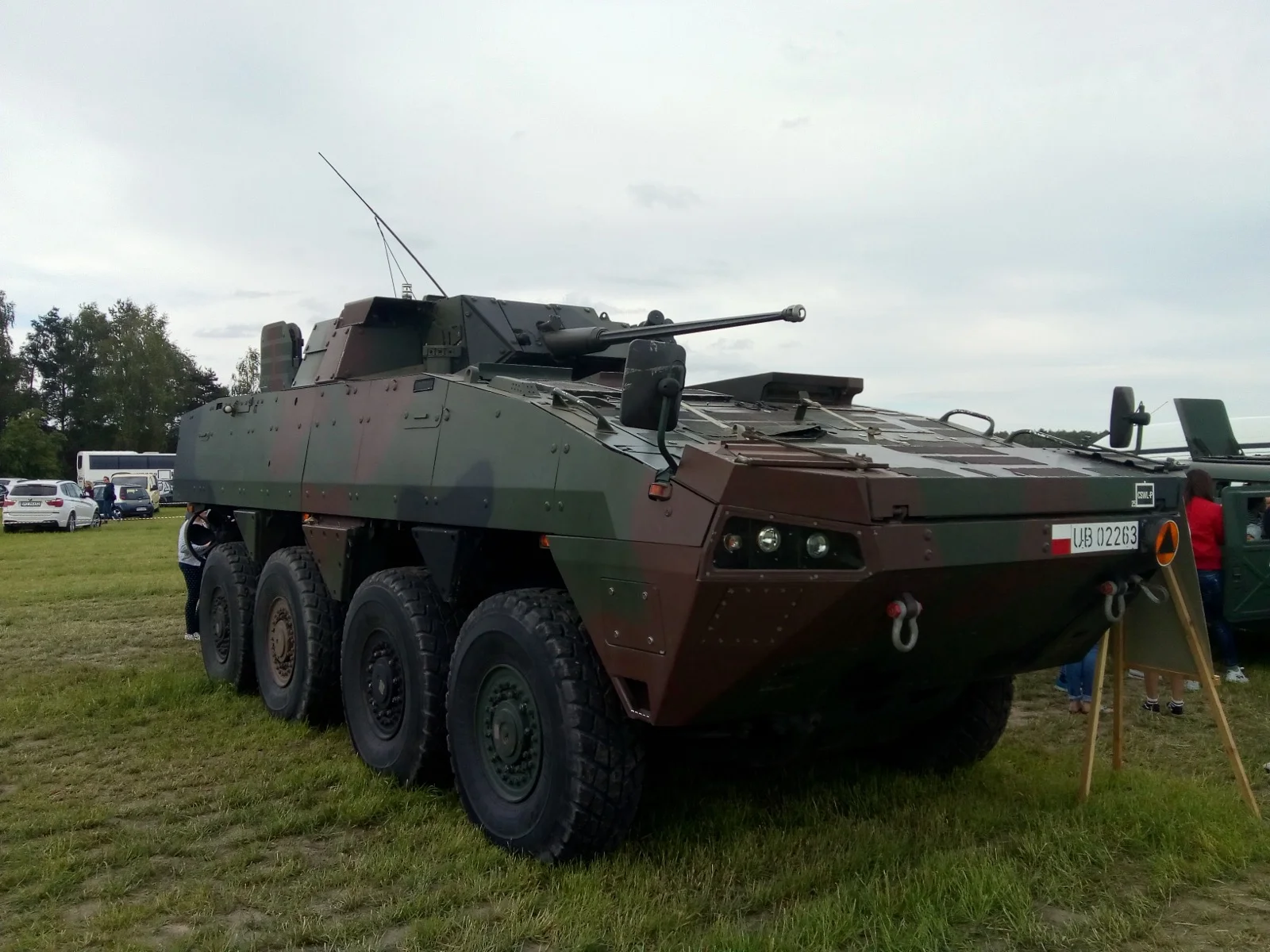
The mirror image of the export ranking is the import side. Per SIPRI, Ukraine became 2021-25’s largest single recipient, its import share jumping from 0.1% to 9.7% following Russia’s invasion — roughly a 119-fold increase in volume between the two periods.
| Rank | Country | Share 2021-25 (%) | Share 2016-20 (%) | Volume change (%) | Source |
|---|---|---|---|---|---|
| 1 | Ukraine | 9.7 | 0.1 | +11,896 | SIPRI |
| 2 | India | 8.2 | 9.3 | -4.0 | SIPRI |
| 3 | Saudi Arabia | 6.8 | 11 | -31 | SIPRI |
| 4 | Qatar | 6.4 | 3.4 | +106 | SIPRI |
| 5 | Pakistan | 4.2 | 2.8 | +66 | SIPRI |
| 6 | Japan | 3.9 | 2.5 | +76 | SIPRI |
| 7 | Poland | 3.6 | 0.4 | +852 | SIPRI |
| 8 | United States | 2.9 | 2.1 | +48 | SIPRI |
| 9 | Kuwait | 2.8 | 0.3 | +805 | SIPRI |
| 10 | Australia | 2.8 | 5.0 | -39 | SIPRI |
Why Did The Ranking Shift Like This?
Europe’s rearmament
Combined arms imports by the 29 European NATO member states grew 143% between 2016-20 and 2021-25; per SIPRI, 58% of that came from the US alone. This demand surge directly boosted the global share of suppliers like the US, France, Germany and Italy.
The US’s growing share and its shift toward allied markets
US exports rose 27%, pushing its global share from 36% to 42%. For the first time in two decades, per SIPRI, the single largest destination for US exports was not the Middle East or Asia, but Europe (38%).
Russia’s sharp drop in export capacity
Russia’s export volume fell 64%, dropping its global share from 21% to 6.8% and knocking it from second to third place. SIPRI does not attribute this to a single cause, and neither do we.
Smaller but fast-growing suppliers
Countries like Italy (+157%), Türkiye (+122%), Sweden (+58%) and Norway (+349%) grew their shares quickly from a relatively small base. This file focuses on where these countries stand in the current ranking; a dedicated ranking by growth rate is covered in a separate file on this site.
Turkey’s Position In This Category
Per SIPRI’s 2021-25 data, Türkiye raised its share of global arms exports from 0.9% to 1.8%, placing it 11th on the 25-country list — a 122% increase in volume. Among the top 15 suppliers, once smaller countries growing fast from a near-zero base (Poland, Norway) are set aside, Türkiye’s growth rate is the second-highest after Italy’s. Türkiye’s largest buyers are Pakistan (16% of its exports), the United Arab Emirates (12%) and Ukraine (8.4%).
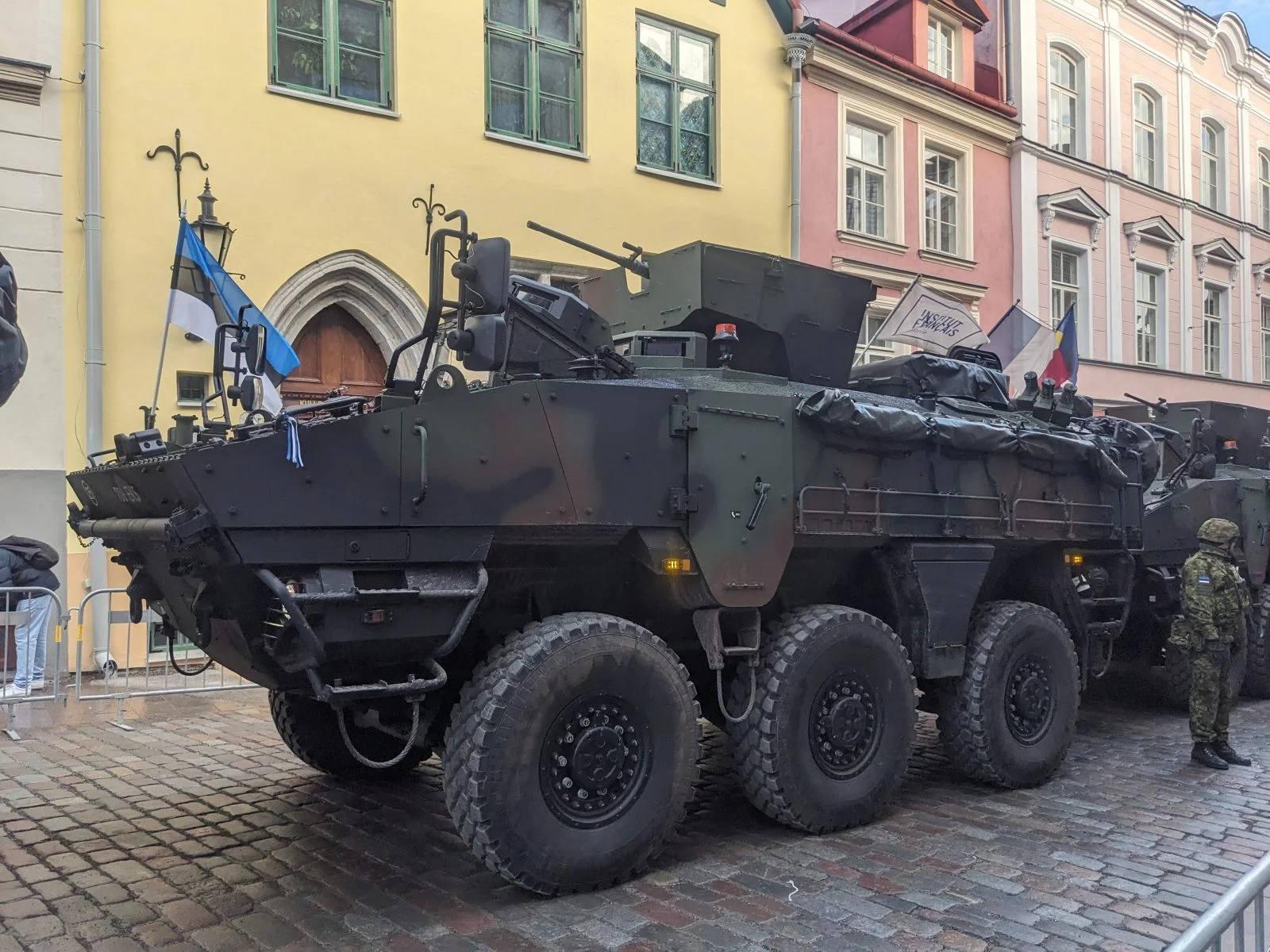
Together, these figures show Türkiye as a mid-sized supplier that grew relatively quickly over the past five years — neither an overstated ‘top-tier’ claim nor a ‘falling behind’ narrative is supported by this data.
Frequently Asked Questions
Which country is the world’s biggest arms exporter?
Are the ‘share’ figures in this file in dollars?
Why did Russia’s arms exports fall so much?
Which country is most dependent on a single buyer?
Where does Turkey rank in arms exports?
Which country is the world’s biggest arms importer?
Sources
- SIPRI (Stockholm International Peace Research Institute) — Trends in International Arms Transfers, 2025, Fact Sheet, March 2026
- SIPRI Arms Transfers Database — March 2026 update