Top 10 Fifth-Generation Fighters in 2026: KAAN on Stage — F-22, F-35, J-20, Su-57 Compared, Explained

Fifth-generation fighters are the apex predator of modern air war. All-aspect stealth, sensor fusion, an internal weapons bay, supercruise and a data-link backbone — only a handful of platforms anywhere meet all five criteria. As of 2026, only four nations can field an operational 5th-gen fighter: the U.S., China, Russia and Turkey. TAI TF KAAN is Turkey's answer to being kicked out of the F-35 program over the S-400 — first flight 21 Feb 2024, Pakistan signed for 40 units, and it is the first non-U.S. 5th-gen export ever. Here are the world's 5th-generation fighters in 2026, with full comparison tables.
At a Glance: Full Comparison
| # | Fighter | Country | Max Speed | Production/Status | Unit Cost |
|---|---|---|---|---|---|
| #1 | F-22 Raptor | ABD | Mach 2.25 | 187 | $150M |
| #2 | F-35 Lightning II | ABD | Mach 1.6 | 1,000+ | $82M (A) |
| #3 | TAI TF KAAN 🇹🇷 | Türkiye | Mach 1.8 | Flight testing | — |
| #4 | Chengdu J-20 Mighty Dragon | Çin | Mach 2.0+ | 300+ | ~$120M |
| #5 | Sukhoi Su-57 | Rusya | Mach 2.0 | ~30 | $50M |
| #6 | Shenyang FC-31 / J-35 | Çin | Mach 1.8 | In naval service | — |
| #7 | KAI KF-21 Boramae | Güney Kore | Mach 1.8 | Production | — |
| #8 | HAL AMCA | Hindistan | Mach 1.8 | Design | — |
| #9 | GCAP Tempest | Birleşik Krallık/İtalya/Japonya | — | Design | £20B+ |
| #10 | Sukhoi Su-75 Checkmate | Rusya | Mach 1.8 (planned) | Mockup | $30M (claimed) |
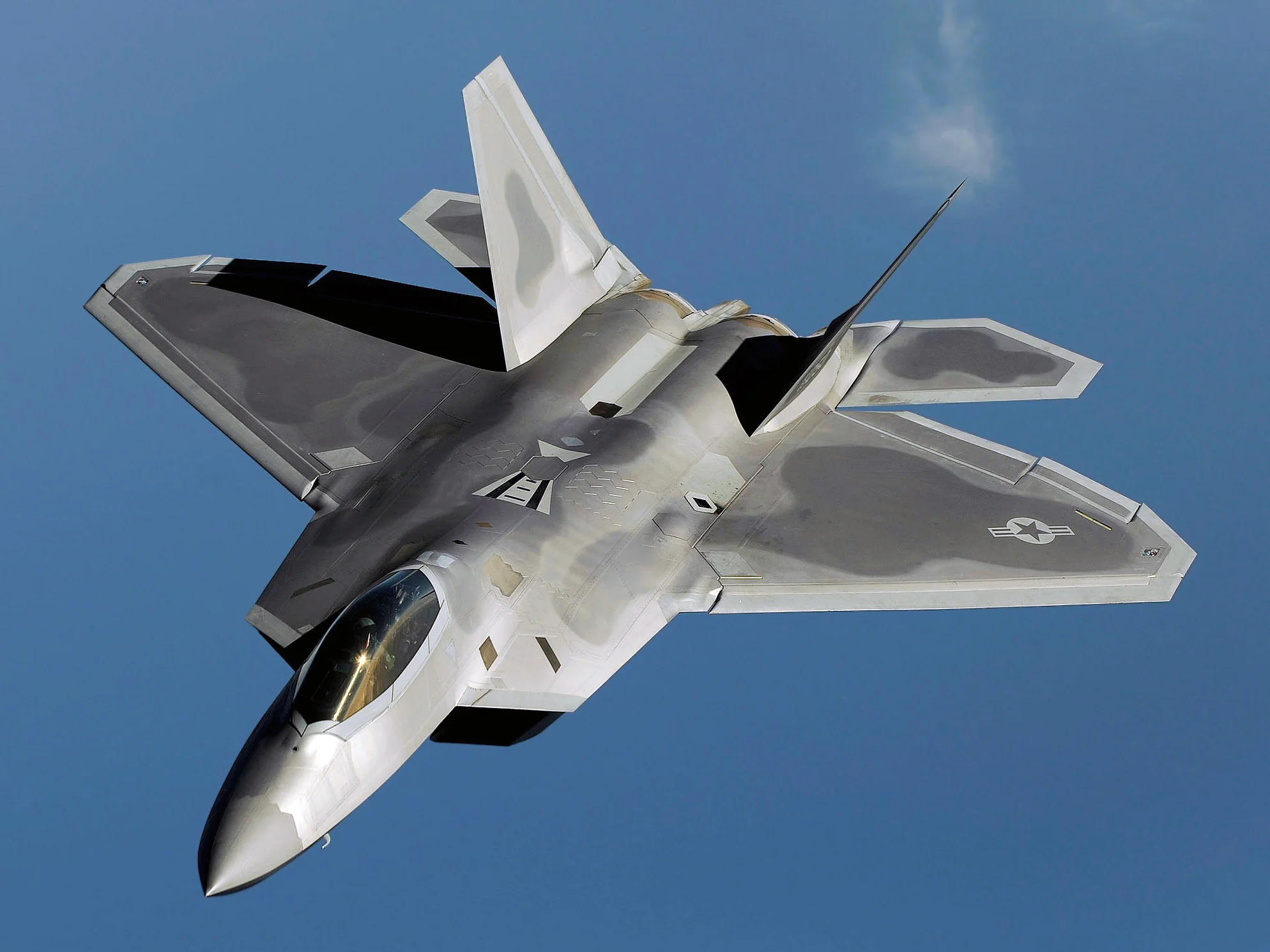
F-22 Raptor
F-22 Raptor — Still the Undisputed Air-Superiority King. The American air-superiority fighter that entered service in 2005 and was cut at 187 airframes in 2011 — none exported. Supercruise, F119 engines, true stealth. Still untouchable on paper. But the fleet is shrinking and the supply chain is bleeding.
F-35 Lightning II
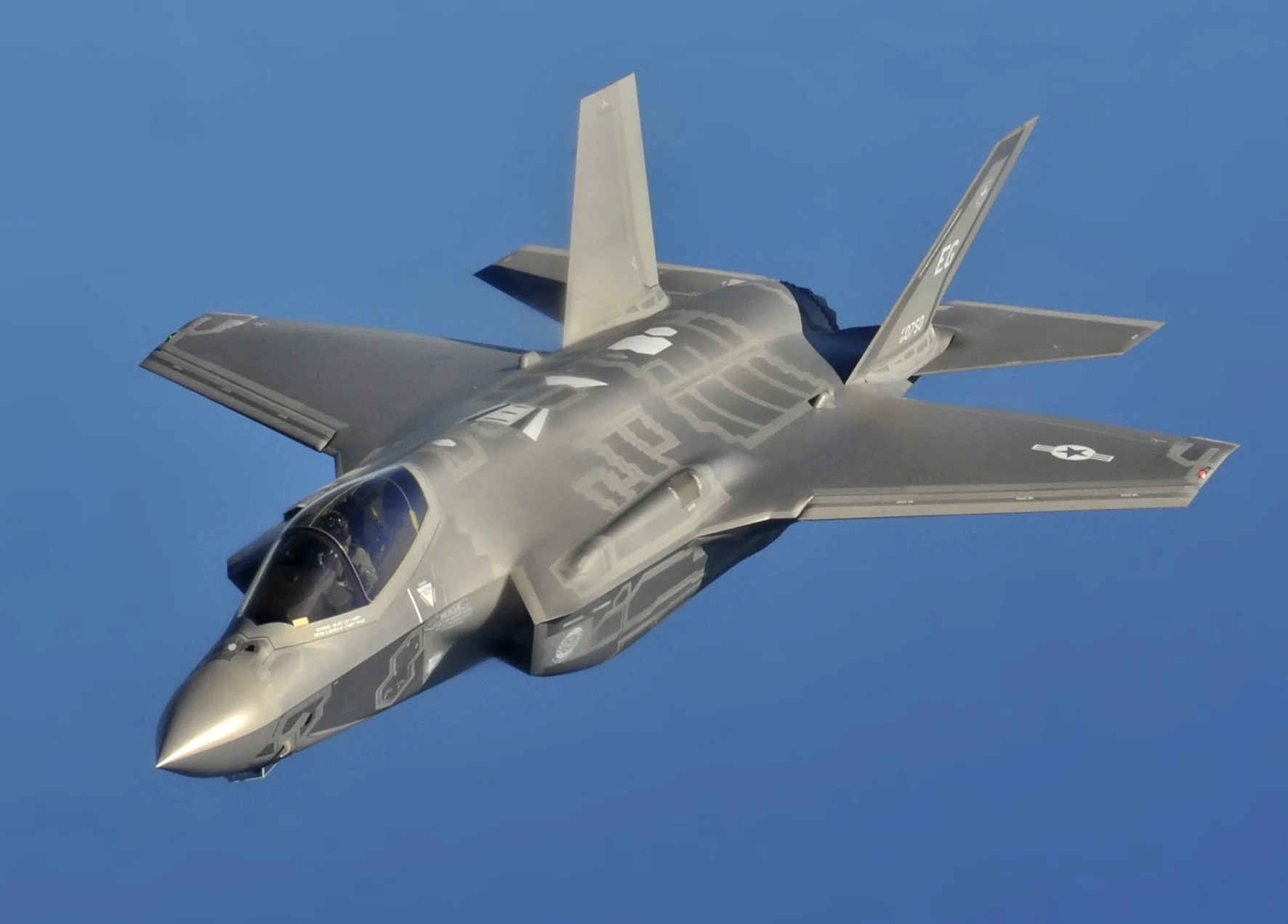
F-35 Lightning II — The World's Most-Produced 5th-Gen Fighter. Three variants (A/B/C), 19 operators, 1,000+ produced — the dominant Western 5th-gen. Sensor fusion and networking are the real edge. Turkey was kicked out of the program (over S-400) — the reason KAAN exists.
TAI TF KAAN

TAI TF KAAN — Turkey's Indigenous 5th-Generation Fighter. First flight 21 Feb 2024; flight-test campaign ongoing in 2026. F-110-powered prototype with the indigenous BLOCK-30 engine targeted for 2029-2030. MURAD AESA, domestic weapons (Gökdoğan, Bozdoğan, SOM-J), internal weapons bay. Pakistan signed for 40 units — the first export deal for a 5th-gen by anyone other than the U.S.
Chengdu J-20 Mighty Dragon

Chengdu J-20 — China's Operational 5th-Gen Fighter. Entered service in 2017, 300+ produced. Transitioning from WS-10C to the more capable WS-15 engine. Stealth claims debated (canards), but it has changed the Pacific equation.
Sukhoi Su-57

Sukhoi Su-57 Felon — Russia's Troubled 5th-Gen. Stealth claim is shaky (visible panel gaps), Izdeliye 30 engine still delayed, production around 30 airframes. Used over Ukraine but kept at standoff range. Russia itself wants to pair it with the S-70 Okhotnik loyal wingman.
Shenyang FC-31 / J-35

Shenyang J-35 — China's Naval 5th-Gen. A carrier-based fighter built for the Fujian, externally similar to the F-35. An export version was discussed with Pakistan — they chose KAAN. The naval variant entered service in 2026.
KAI KF-21 Boramae

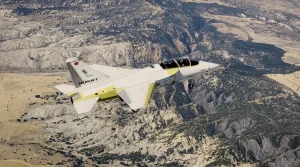
KAI KF-21 Boramae — Korea's 4.5-Gen Bridge. Has 5th-gen lines (external pylons currently), with an internal bay planned for Block 3. Partnership with Indonesia. The closest competitor to KAAN, but a more conservative design.
HAL AMCA
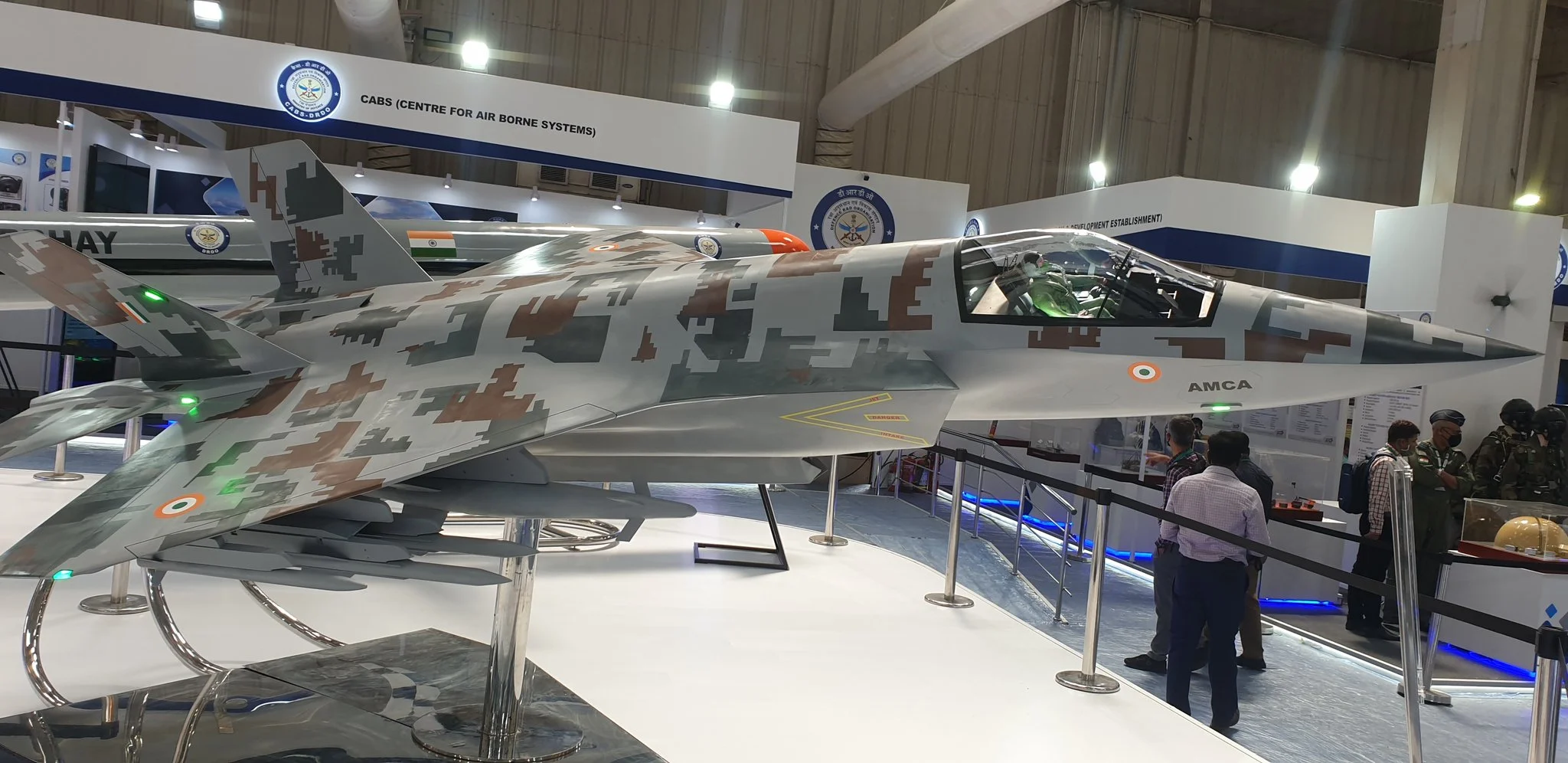
HAL AMCA — India's Indigenous 5th-Gen. Approved May 2024, first flight targeted for 2028. F414 engine, AESA radar, internal weapons bay. Still paper-stage — while KAAN is flying, India has not yet built a prototype.
GCAP Tempest
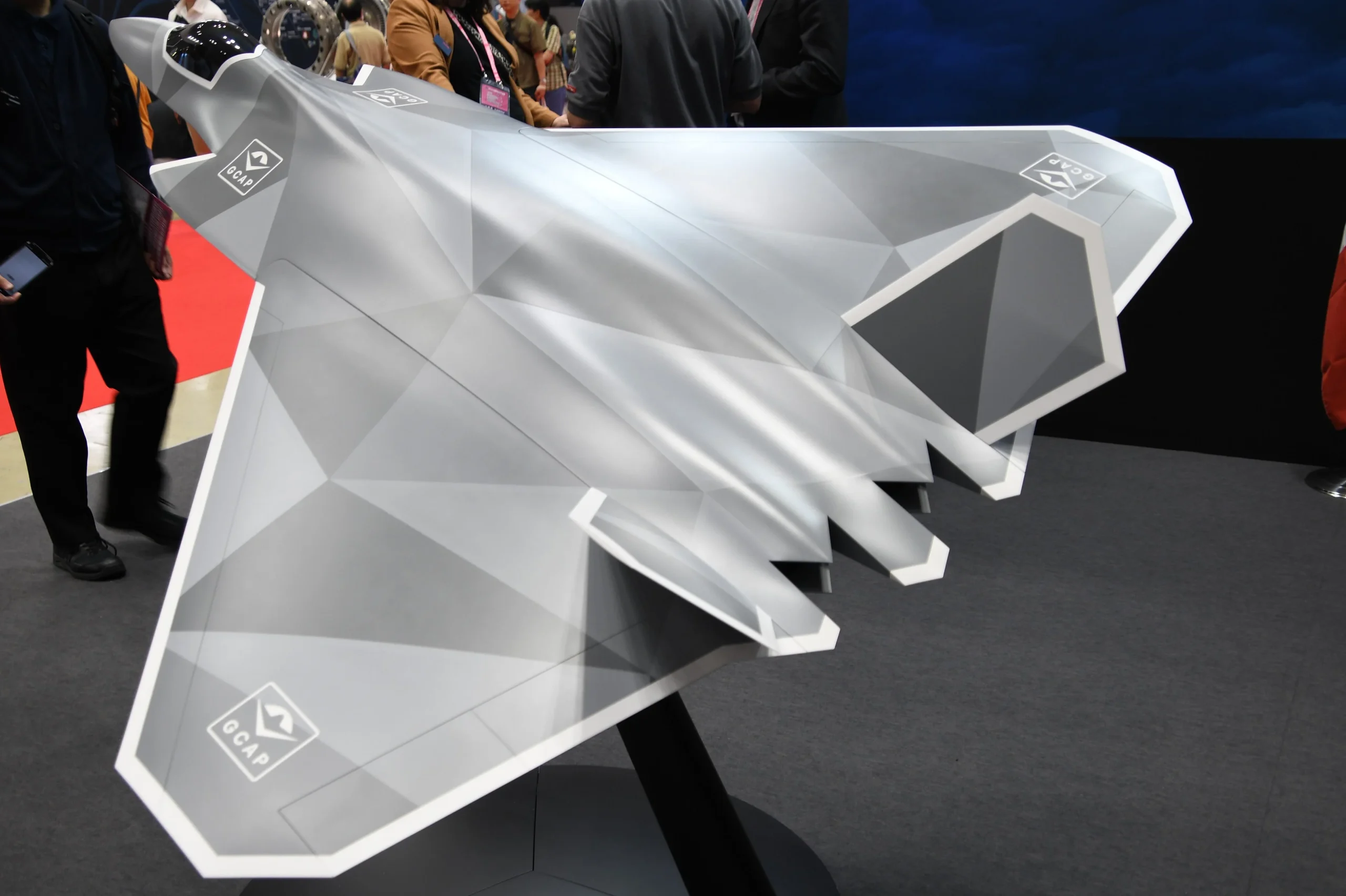
GCAP Tempest — The Europe-Japan Project Aiming for 6th-Gen. UK + Italy + Japan, targeting 2035. AI-augmented, drone-wingman-equipped, optionally manned. On a 5th-gen list as the 'future' entry.
Sukhoi Su-75 Checkmate

Sukhoi Su-75 Checkmate — Russia's Single-Engine Export Pitch. Unveiled in 2021, pitched to the UAE, India and Vietnam as a single-engine 5th-gen. Five years on, no first flight. Sanctions shelved the project.
Why KAAN Is Strategic
Fielding a 5th-gen fighter is a sovereignty marker. KAAN enters the club as the fourth non-U.S. producer — and the only non-U.S. 5th-gen with a signed export deal:
- Operational testing: First flight 21 Feb 2024, active flight-test campaign in 2026. Same bracket as Su-57 and J-20 — AMCA, Tempest, KF-21 haven't flown the spec yet.
- Pakistan export: 40-unit signed deal. No other non-U.S. 5th-gen has any export contract — Su-75 died as a mockup.
- Indigenous engine roadmap: BLOCK-30 engine targeted for 2029-2030 (TUSAŞ + TEI). None of the 19 F-35 operators have engine licensing rights.
- Sovereign weapons ecosystem: SOM-J (internal bay), Gökdoğan (BVR), Bozdoğan (WVR), KEMANKEŞ-2 (loitering) — unlike F-35 operators, KAAN can fire without U.S. clearance.
- Cost: Estimated $100M per unit — slightly above F-35A but below F-22 ($150M) and J-20 ($120M). Targets a mid-tier 5th-gen export niche.
A new “Top 10” analysis every day
Tomorrow: Top 10 Hypersonic Missiles (with Tayfun Block-4). 30 days, 30 comparisons.
Frequently Asked Questions
Is KAAN really 5th-gen?
Yes. All-aspect stealth profile, internal weapons bay, sensor fusion and the MURAD AESA radar meet the 5th-gen criteria. Supercruise is planned with the BLOCK-30 engine (2029-2030).
Is KAAN better than the F-35?
Different categories. The F-35 leads on sensor-network ecosystem; KAAN beats it on operator independence (engine, weapons, software). It can fire without a U.S. veto.
When does KAAN enter serial production?
Official timeline: 2028. Pakistan deliveries target 2030. BLOCK-30 indigenous engine integration: 2029-2030.
Which countries will buy KAAN?
Pakistan is a formal partner (40 units, co-production). Azerbaijan, Indonesia, Malaysia, UAE in talks. Saudi Arabia has expressed interest.
What engine will KAAN use?
The prototype flies on the licensed F-110. The BLOCK-30 will be a fully domestic TUSAŞ + TEI engine (2029-2030). F-35 operators only get licensed F135s — Turkey breaks that dependency.