The World’s Most Expensive Air Defence Systems (2026): Why a Battery Can Cost a Billion Dollars

Every row is tagged with the type of figure it’s based on.
Asking “how much does an air defense system cost” is really several questions at once: which battery, with which missile mix, with which command-and-control architecture, sold to which country as part of what package? This file ranks the world’s most expensive air defense systems at the battery/system level — not a single interceptor, but the full package of radar, launchers and fire control. Then it explains why the same system can cost up to four times more depending on the buyer.
Methodology: what does “system price” actually mean?
Air defense system pricing hides a trickier trap than missile pricing: the same name — “Patriot” or “THAAD” — covers wildly different packages. This file uses four figure types:
| Figure type | What it includes | How reliable is it? |
|---|---|---|
| Budgeted unit cost | A single battery’s baseline hardware: radar, fire control, launchers, initial missile load | Cleanest comparison base; drawn from official budget documents |
| Package ÷ units | Total value of an FMS/export contract divided by the number of batteries/regiments it covers | Can vary several-fold depending on exactly what the contract bundles in — the most sensitive category |
| Program ÷ units | Total value of a multinational procurement program (R&D included), divided by the number of systems | Unit price tends to fall over time as the R&D share is amortized |
| Manufacturer/official statement | An approximate figure stated directly by the manufacturer or a defense ministry | Official, but usually rounded and undated |
Main table: the highest costs per battery/system
The list below ranks air defense systems currently in production or service by cost per battery/system. The top entry stands out because it’s the same Patriot system covered further down at roughly a quarter of the price in its “bare” configuration.
| Rank | System | $ million | Figure type | Note |
|---|---|---|---|---|
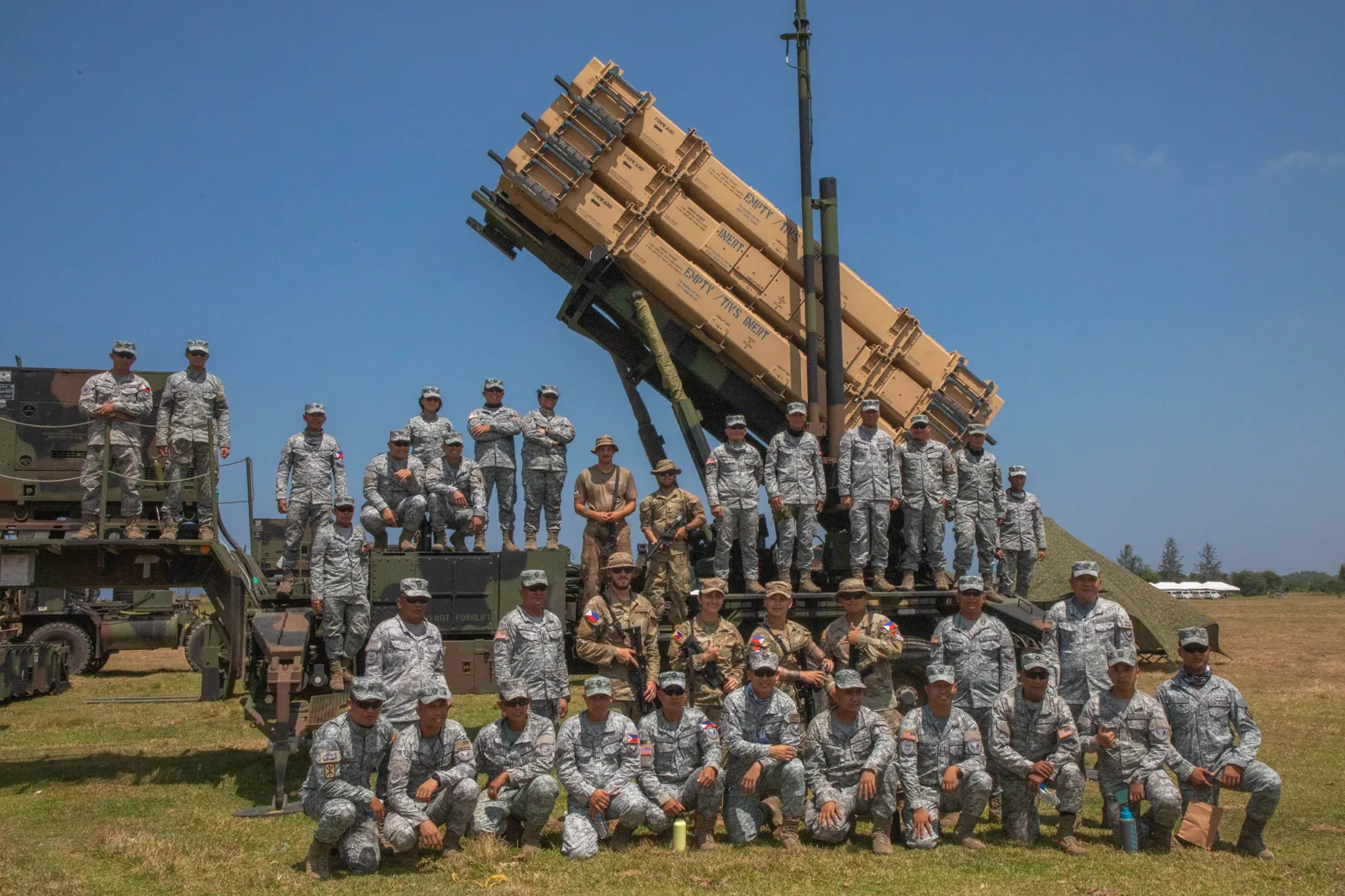
| 1 | Patriot (Poland, Wisła Phase I) | 2,375.0 | Package ÷ units | $4.75B contract split across 2 batteries; includes IBCS command system and training |
| 2 | S-400 (India) | 1,086.0 | Package ÷ units | $5.43B intergovernmental deal split across 5 regiments |
| 3 | THAAD | 800.0 | Budgeted unit cost | Congressional Budget Office (CBO) estimate, 2020 dollars; doesn’t assume a full 192-interceptor load |
| 4 | David’s Sling | 250.0 | Manufacturer/official statement | Battery comprises radar, fire-control vehicle and six launchers |
| 5 | Iron Dome (U.S. buy) | 186.5 | Package ÷ units | $373M U.S. Army acquisition split across 2 batteries; Israel’s own internal cost is lower |
| 6 | SAMP/T NG | 155.0 | Program ÷ units | Approximate unit price derived from France-Italy OCCAR contracts |
| 7 | NASAMS (Lithuania) | 120.0 | Package ÷ units | Lithuania’s 2017 contract for its first battery |
S-500 (Russia): Russia has never published an official unit price. Open-source estimates range from $500 million to $2.5 billion — a spread that wide is itself a sign there’s no reliable figure. It’s marked “undisclosed” here.
Same system, four times the price: the Patriot and THAAD cases
An air defense system’s name can stay the same while its price changes completely depending on what’s bundled in. The gap between Poland’s and Romania’s Patriot deals is the clearest example:
| System and buyer | $ million / unit | Total package | Ratio | Note |
|---|---|---|---|---|
| Patriot — Poland | 2,375.0 | $4.75B / 2 batteries | ×4.3 | Includes IBCS command system, training and integration; NATO’s first international IBCS buy |
| Patriot — Romania | 557.0 | $3.9B / 7 fire units | ×1.0 (base) | ‘Standard’ package with GEM-T and PAC-3 MSE missiles, no IBCS |
| THAAD — CBO estimate | 800.0 | Single battery (estimated) | ×1.4 | Rises when a full 192-interceptor load is assumed |
| THAAD — UAE 2011 | 567.5 | $1.135B / 2 batteries | ×1.0 (base) | THAAD’s first foreign buyer; a more limited missile load |
A system’s bill is really a national program’s bill
For a country, “buying an air defense system” rarely means buying a single battery. The table below shows the scale of entire national programs, not individual batteries:
| Country / program | $ billion | Scope | Note |
|---|---|---|---|
| Saudi Arabia — THAAD | 15.0 | 44 launchers, 360 interceptors, 16 fire control stations, 7 AN/TPY-2 radars | Signed in 2017; the region’s most comprehensive THAAD package |
| Poland — Wisła | ≈15.0 | Phase I (2 batteries, signed) + Phase II (approved ceiling) | Phase I’s signed value is $4.75B; the Phase II figure is DSCA’s approved maximum, not a final contract value |
| Germany — Arrow-3 | 6.5 | Original ($3.5B) plus expansion ($3.1B) deals | Part of Germany’s European missile shield investment; battery count undisclosed |
| India — S-400 | 5.43 | 5 regiments, 2018 intergovernmental deal | Delivery of the final two regiments completes in 2026 |
Why it costs this much: four reasons
1. Radar and sensor complexity
The most expensive part of a modern air defense system is often the radar, not the missile. Multifunction AESA radars have to track and classify dozens of targets at once, separate real threats from decoys, and guide multiple interceptors simultaneously. That complexity accounts for a large share of a system’s total cost.
2. Small production runs
The buyer pool for an air defense battery is nowhere near that of a mass-produced rifle or vehicle. THAAD has only a handful of buyers worldwide; SAMP/T NG’s customer list can be counted on one hand. Fewer units mean fixed R&D and production-line costs get spread across a smaller base — which pushes the unit price up.
3. Command-and-control and integration
Poland is the clearest illustration: the same Patriot hardware, sold with the IBCS integrated command system, costs nearly four times as much. In modern air defense, getting radars, launchers and command centers from different manufacturers to work together as one network can push software and integration costs ahead of the hardware itself.
4. The need for layered defense
No single system covers every threat type. Stopping a ballistic missile calls for THAAD or S-400; stopping a drone or cruise missile calls for a NASAMS- or Iron Dome-type short/medium-range layer. A country’s real air defense bill isn’t the price of one system — it’s the sum of these layers, which is exactly why the third chart’s figures run into the billions.
Türkiye’s work in this category
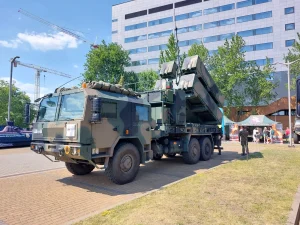
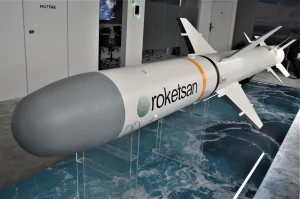
Türkiye’s air defense architecture is built as a layered system: short-range HİSAR-A, medium-range HİSAR-O, and long-range SİPER. The Presidency of Defense Industries (SSB) announced a serial-production contract with ASELSAN for the HİSAR and SİPER family, with a contract value of €428,538,878.16 and 4,884,244,675.07 TL. ROKETSAN’s missile production contracts cover a 2025-2029 delivery schedule, with serial-production deliveries planned to begin in January 2026.
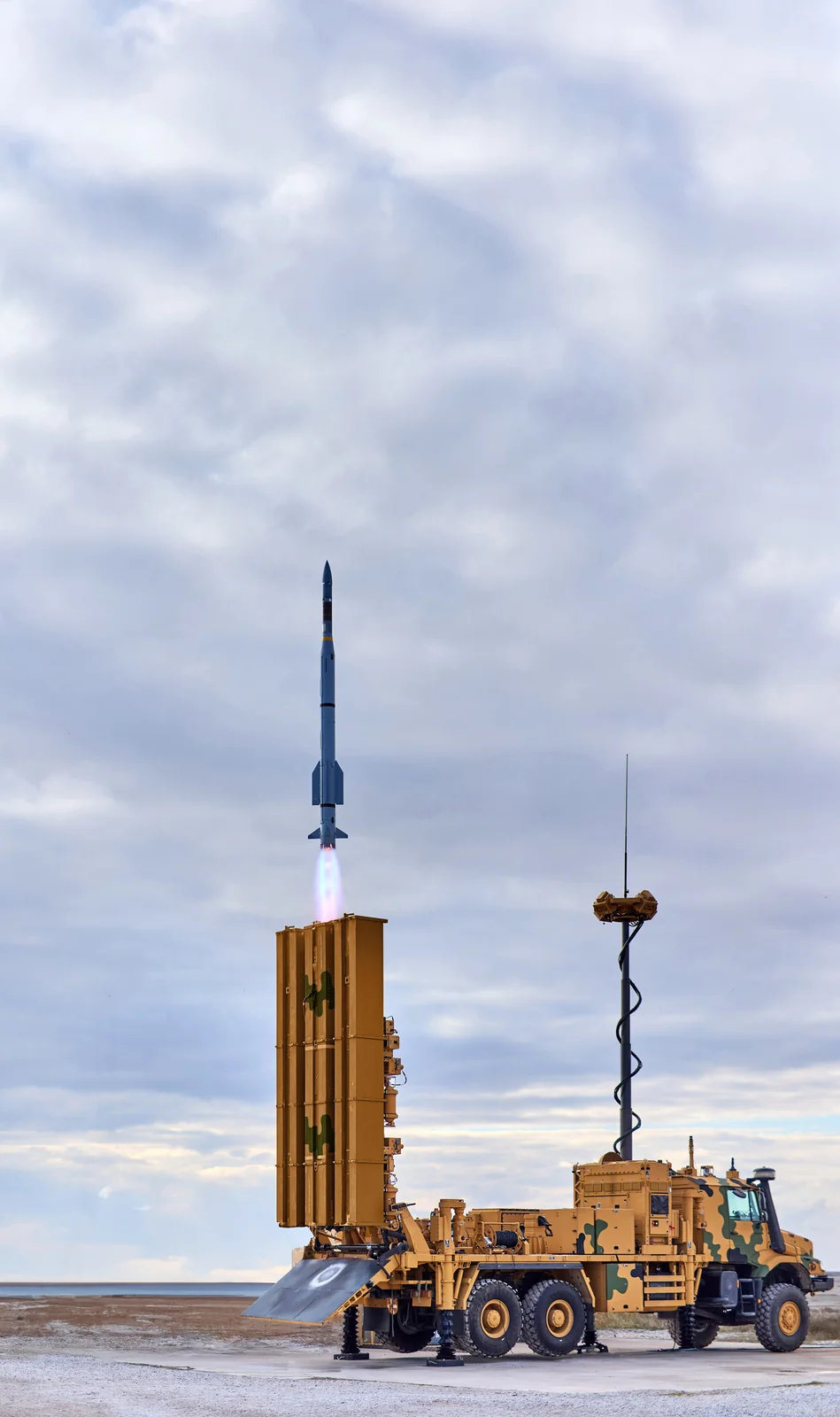
That gap shouldn’t be read as a shortcoming: many countries decline to publish detailed unit costs for their domestic systems for strategic reasons. As of 2026, Türkiye’s SİPER remains one of the few long-range domestically developed air defense systems to reach serial production; on the specific metric this file is about — cost transparency — it sits in the same category as most other producer nations.
Frequently asked questions
What is the world’s most expensive air defense system?
Why does a Patriot battery cost so differently from country to country?
What does the S-400 actually cost?
Why isn’t THAAD’s battery price a fixed number?
Why hasn’t Russia disclosed a price for the S-500?
What does Türkiye’s SİPER/HİSAR system cost?
Sources
- U.S. Congressional Budget Office (CBO) — cost report on implementing the 2019 Missile Defense Review
- U.S. Defense Security Cooperation Agency (DSCA) — notification texts for Poland (Wisła Phase I/II), Romania (Patriot Config-3+), and the UAE (THAAD)
- Government of India – publicly disclosed value of the 2018 S-400 intergovernmental agreement with Russia
- Israeli Ministry of Defense and Rafael Advanced Defense Systems — David’s Sling battery statements
- U.S. Army – notification to Congress on the Iron Dome battery acquisition (2019)
- OCCAR (the France-Italy joint armaments organization) — SAMP/T NG contract disclosures
- Lithuanian Ministry of Defence and Kongsberg — NASAMS battery contracts
- German Bundestag approval records — Arrow-3 agreements
- Presidency of Defense Industries of Türkiye (SSB) — SİPER/HİSAR serial-production contract announcement