US Clears 500 Patriot Missiles for Ukraine: Allies, Not Washington, to Pay the $2.1 Billion Bill

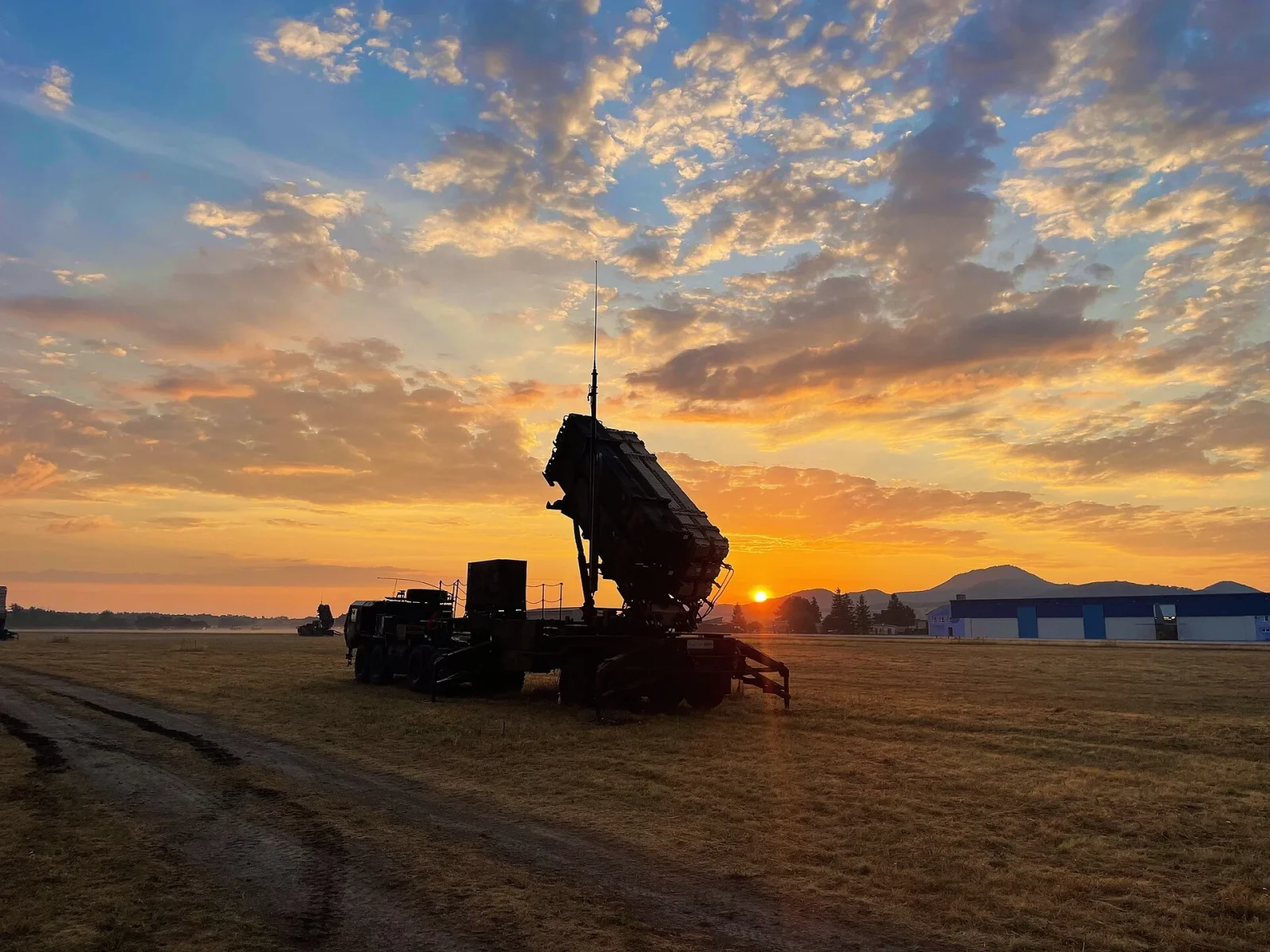
The U.S. State Department has approved a possible Foreign Military Sale of 500 Patriot PAC-3 Missile Segment Enhancement (MSE) interceptors to Ukraine. The package is valued at an estimated $2.1 billion, a figure that covers classified and unclassified spare parts, logistics and program support alongside the missiles themselves, not the per-unit missile price.
The approval was announced out of Washington on October 30. What sets this package apart is its financing: rather than drawing on U.S. funds, it will be paid for entirely through allied and partner contributions, channeled via JUMPSTART, the Joint Ukraine Multinational Program, Services, Training and Articles Rapid Timeline mechanism.
How JUMPSTART works
JUMPSTART routes donations from allied governments into purchases made on Ukraine’s behalf through the U.S. Foreign Military Sales system. Canada, Germany and Norway are named as contributors to this particular package. Ukraine is also drawing on national funds financed through the European Union’s Ukraine Support Loan. The arrangement lets Kyiv’s Patriot batteries keep running without placing a new line item on the U.S. defense budget.
Lockheed Martin is the principal contractor. The package notably does not include new radars, launchers or engagement control stations — it is built to replenish interceptor stocks for Patriot batteries Ukraine already operates, rather than to expand the fleet.
Zelensky: Delivery could take years
Ukrainian President Volodymyr Zelensky welcomed the approval but cautioned that deliveries under a fresh contract could take years to arrive. He has proposed an alternative: drawing interceptors directly from existing U.S. and allied stockpiles now, with those stocks replenished later through new production. That remains a Ukrainian proposal rather than a confirmed delivery arrangement.
The State Department said the sale would support Ukraine’s continued operation of its existing Patriot systems and assessed that Ukrainian forces would have no difficulty absorbing the additional missiles. U.S. officials said they were not aware of any proposed offset agreement tied to the deal.
What PAC-3 MSE adds
The PAC-3 MSE is a hit-to-kill interceptor designed against ballistic missiles and maneuvering air threats. Compared with the earlier PAC-3 CRI variant, it carries a larger rocket motor and bigger control fins, extending both range and intercept altitude while remaining compatible with existing Patriot launchers — which is precisely why this sale is framed as a munitions refresh rather than a new capability.
This is not an isolated move. In November 2025, Washington had already approved a roughly $105 million package to upgrade Ukraine’s M903 launchers for compatibility with PAC-3 and PAC-3 MSE interceptors. Seen together, the two decisions point to a staged modernization of Ukraine’s Patriot fleet covering both hardware and munitions.
Why NATO’s eastern flank is watching
The deal illustrates a broader shift: air-defense munitions support for Ukraine is increasingly running through multinational, allied-funded channels rather than direct U.S. appropriations. Patriot batteries are fielded across several NATO members in the region bordering Ukraine, giving the alliance a direct stake in the sustainability of this support. A 500-interceptor replenishment matters most for keeping Ukraine’s defense against Russian ballistic missile strikes uninterrupted.
Should Congress raise no objection, contracting can proceed, though the actual delivery timeline will depend on production capacity and how quickly allied contributions are transferred.
Sources
- Army Recognition, “U.S. Approves Possible $2.1 Billion Allied-Funded Sale of 500 Patriot Missiles to Ukraine,” October 31, 2026 — read the article (based on the U.S. State Department’s October 30, 2026 announcement; used as the factual basis for this report).