Atlantic Thunder 26: SM-6, Torpedo Sink Frigate at 1,800 Meters

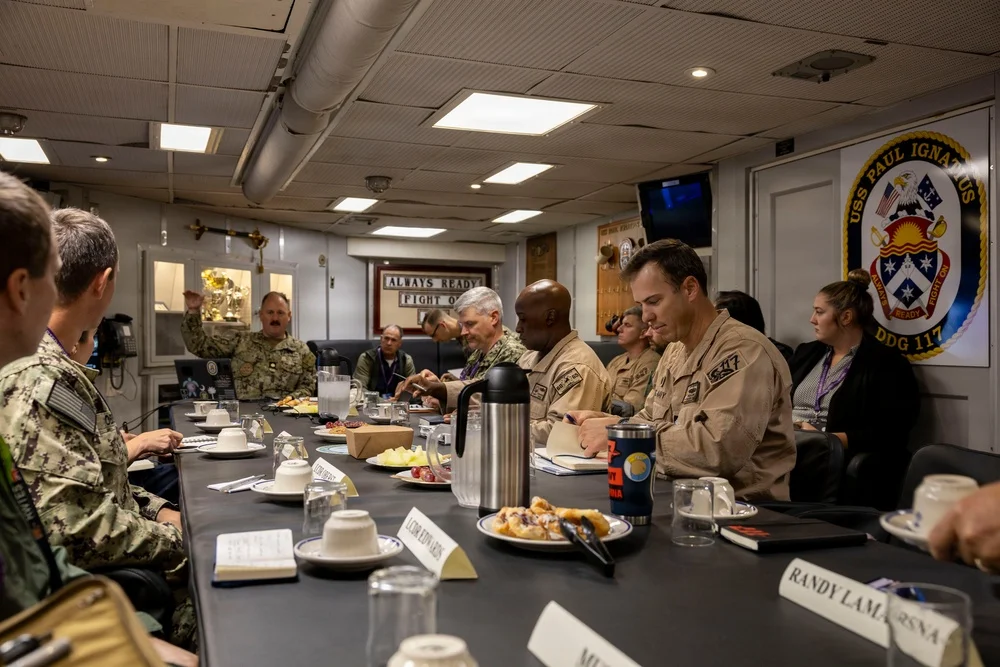
The US Navy and the UK Royal Navy sank the decommissioned frigate USS Klakring off Scotland’s Outer Hebrides during Exercise Atlantic Thunder 26, using four separate platforms to strike the same target in sequence. The exercise’s real value lay not in the sinking itself, but in demonstrating that surface, air and subsurface shooters can be chained together against one target through a shared targeting picture.
The engagement opened with the Arleigh Burke-class destroyer USS Paul Ignatius (DDG-117), forward-deployed to Rota, Spain, firing a Standard Missile-6 (SM-6) at the target in a near-maximum-range surface engagement. A Royal Navy Wildcat helicopter followed with a Sea Venom missile, and surface units added a Naval Strike Missile (NSM) hit. The finishing blow came from the Virginia-class submarine USS Massachusetts (SSN-798), which fired a Mk48 ADCAP torpedo that sent Klakring to the bottom at a depth of roughly 1,800 meters (6,000 feet).
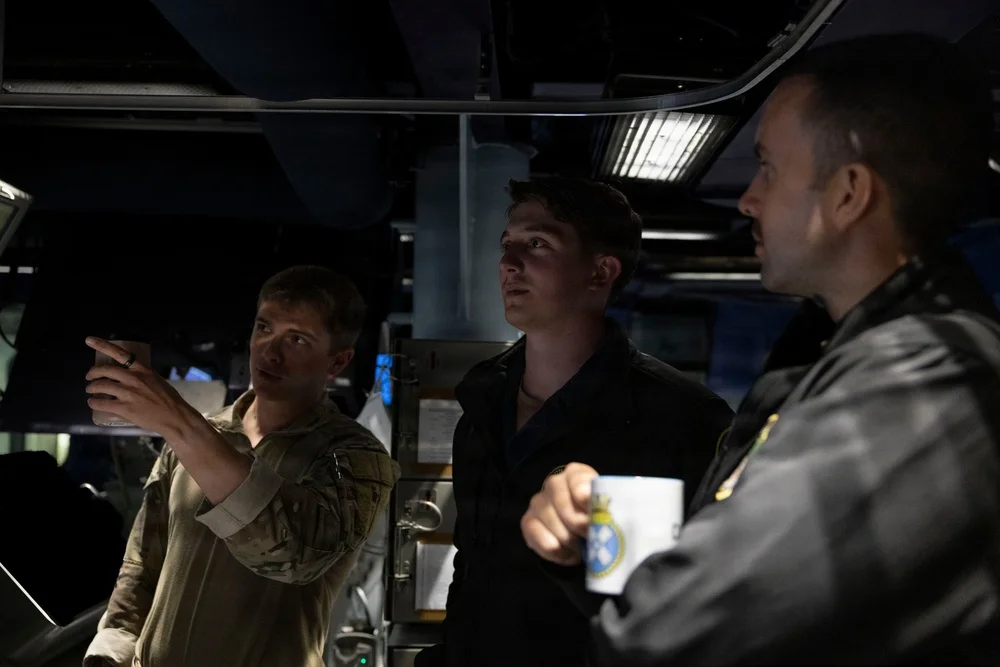
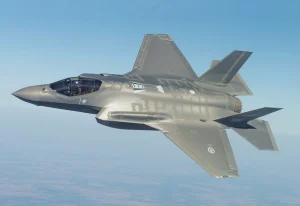
Before the live-fire phase on September 20-21, the crews ran pre-sail conferences and rehearsals in Faslane, UK, between September 9 and 14. P-8 Poseidon patrol aircraft and F-15E Strike Eagles rounded out the air picture, and unmanned underwater vehicles later surveyed the wreck for battle-damage assessment.
Why it matters: testing a kill web, not a single shooter
Atlantic Thunder 26 is the latest iteration of a series that began with Atlantic Thunder 22 in September 2022, when HMS Diamond, USS Arleigh Burke, RAF Typhoons and US Navy P-8s sank the former USS Boone — at the time billed as the most complex multinational SINKEX conducted in UK waters. Four years on, the 2026 edition widened the platform mix to include a submarine and added a fourth kill chain to the same engagement, a step change from a single-shooter demonstration toward a genuinely networked one.
US Navy Capt. Kelechi Ndukwe said the exercise demonstrated “the unmatched lethality and interoperability of the United States and United Kingdom,” language that reflects the exercise’s dual purpose: validating surface warfare (SUW) kill chains and sending a deterrence signal through kinetic demonstration rather than words alone.
The use of SM-6 against a surface target is itself worth noting. Designed primarily for air and ballistic-missile defense, SM-6 has increasingly been positioned by the US Navy as a secondary anti-surface option, and this exercise offered another real-world validation of that role at extended range.
Context: surface combatant debates continue
The exercise took place against the backdrop of an unresolved US Navy debate over surface combatant design following the cancellation of the Constellation-class frigate program. Atlantic Thunder 26 showed that the existing destroyer-submarine-helicopter-aircraft combination can already deliver a credible multi-domain strike capability while that debate continues.
For NATO’s eastern and southern members, including Turkey, the exercise offers a concrete reference point for how allied platforms from different national inventories can be tied into a single targeting chain — a concept Turkey is pursuing in its own way through MİLGEM-class corvettes and the ATMACA anti-ship missile as part of a broader distributed-lethality approach.
Sources:
- Breaking Defense, “US, UK test SM-6, other missiles on SINKEX target frigate,” September 29, 2026, breakingdefense.com — used for the weapons/platform list and official statement.
- UK Defence Journal, “American warship sunk by missiles off Scotland in live fire,” September 2026, ukdefencejournal.org.uk — used for target ship identity, location and sinking depth.
- DVIDS, “Atlantic Thunder Kicks Off on DDG 117” and “Atlantic Thunder Rehearsal on DDG 117” photo galleries, dvidshub.net — used for dates, Faslane location and official imagery.