Germany Approves 16 New A400Ms: A €3.6bn Lifeline for Airbus’s Seville Line

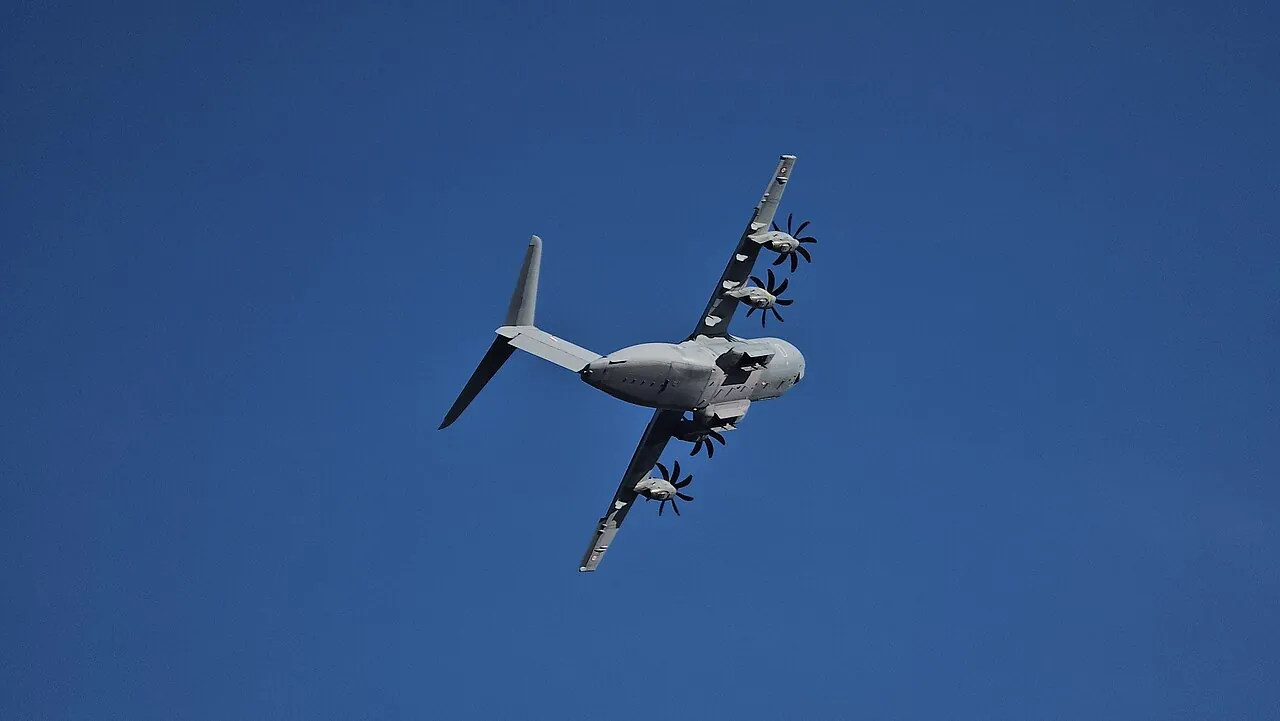
The German Bundestag’s Budget Committee has cleared the way to set aside funding for 16 new A400M transport aircraft, a step that keeps alive one of the few active production lifelines for Airbus’s troubled flagship airlifter. The approval covers the 2027 budget and is not yet final: a full Bundestag vote on that budget is scheduled for the last week of November, so the order itself is not yet a signed contract.
The committee’s figure amounts to roughly €3.6 billion earmarked for the 2028-2032 window. Defence Minister Boris Pistorius had already flagged the plan in late September, during a visit to Airbus’s Bremen site, where he estimated a per-unit price of €150-200 million depending on configuration and fit-out.
The driver behind the request is technical rather than purely numerical. Germany currently operates 53 A400Ms, based at Wunstorf near Hannover, with the last aircraft from its original order delivered in April 2026. A portion of that fleet is configured mainly for logistics runs and lacks some of the protection systems — missile-approach warning, countermeasures, and reinforced cargo-bay elements are the kind of fittings typically missing from such builds — needed for operations in higher-threat environments. The new order is meant to swap out 16 of those logistics-standard jets for aircraft built to a full tactical configuration, rather than simply growing the fleet’s headcount.
For Airbus, the stakes run through its final assembly line in Seville. The company’s order book currently holds 38 aircraft still to deliver, which at a production rate of roughly eight a year covers a little over two years of work. The last firm order placed on the programme came from Indonesia, for two aircraft, about five years ago. The A400M’s history of development delays and cost overruns has made European partner nations cautious about adding to that backlog, which makes Germany’s move — even at the committee stage — a meaningful data point for the line’s near-term survival, though not a guarantee of its longer-term future.
Germany is not acting alone in weighing new orders. Poland is considering 8 to 15 aircraft, potentially financed through the EU’s SAFE loan instrument; France has listed six aircraft in an update to its 2024-2030 military programming law; and Denmark has been in talks for four to five. Outside Europe, Saudi Arabia (15-20), the United Arab Emirates (8-10) and Indonesia (four more) are named as prospective buyers. India’s separate 60-aircraft tactical transport competition is a more doubtful prospect for the A400M, since its 18-30 tonne payload requirement sits below the aircraft’s 37-tonne capacity.
Spain’s own fleet is also expanding: the 14 A400Ms flown by Ala 31 in Zaragoza are set to grow to 20 once six more aircraft arrive starting late 2026, while a further seven-aircraft tranche from the original plan remains undecided.
Türkiye is itself an A400M operator, flying the type for strategic airlift within the Turkish Air Force. While Germany’s order does not involve Türkiye directly, it affects the broader health of a production line that NATO’s own airlift-sharing arrangements, including Turkish participation, ultimately depend on.
The committee’s approval is a budgetary green light, not a contract. Whether the order becomes binding — and on what delivery schedule — depends on the Bundestag’s full vote at the end of November.
Sources:
Infodefensa, “Alemania autoriza la compra de 16 nuevos A400M y da oxígeno a la línea de ensamblaje de Airbus Sevilla,” 15 November 2026, infodefensa.com — primary reporting for the budget committee decision, cost figures and Pistorius’s remarks.