Mali’s Military Power: How Many Tanks, Aircraft and Armed Drones Are in the Inventory? (2026)

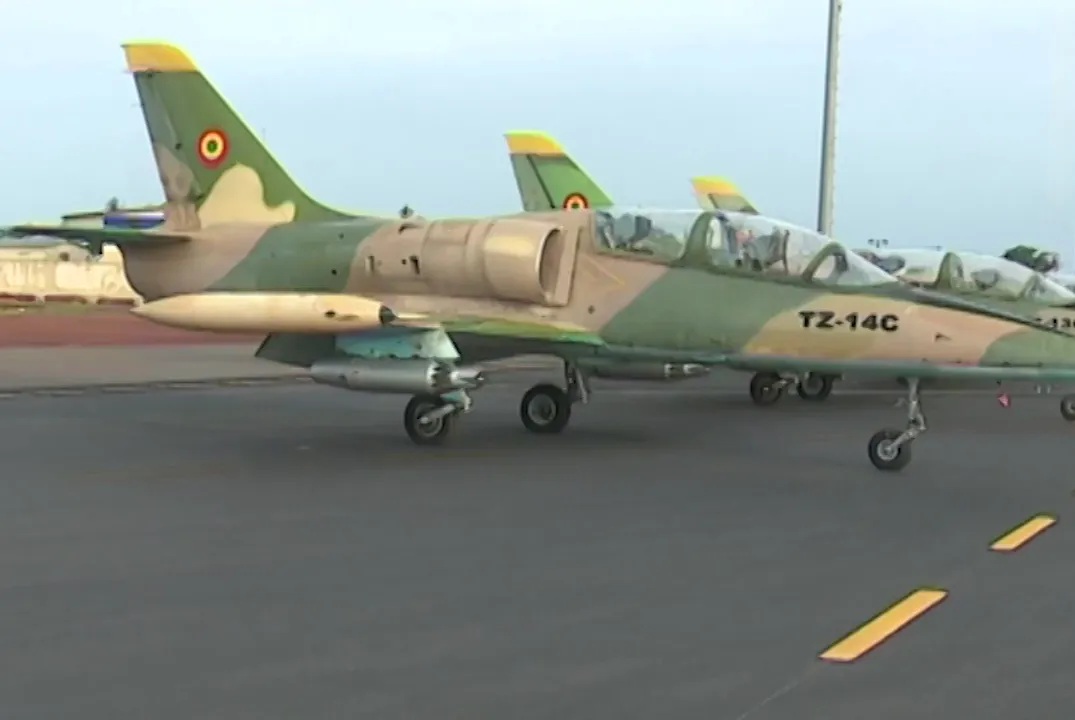
Mali’s military inventory maps the equipment of an army that has long fought jihadist groups and separatist movements and has been under military rule since 2020. About 21,000 active personnel, a land force of old Soviet tanks and new Russian MRAPs, an air force centred on the L-39C and Mi-35M and a fleet of Turkish-made armed drones form the backbone of today’s Malian Armed Forces (FAMa).
At a Glance
- Active personnel: About 21,000 active personnel and a paramilitary element of about 20,000 made up of the gendarmerie and National Guard (IISS/GFP, approximate); Russia’s Africa Corps units are also deployed in the country
- Tanks: A small number of Soviet-built T-54/55 main battle tanks and PT-76 amphibious light tanks; the number of operational tanks is limited to a few dozen (approximate)
- Armoured vehicles: Soviet armoured vehicles such as the BRDM-2, BTR-60PB and BTR-70; Typhoon-K 4×4/6×6 from Russia, VN2C and VN-4 from China and ACMAT Bastion protected vehicles from France
- Military aircraft: About 40 aircraft (approximate); L-39C and A-29 Super Tucano light attack aircraft, Mi-24/Mi-35M attack helicopters, C-295 transports and Turkish-made Bayraktar TB2 and Akıncı armed drones
- Navy: Mali is a landlocked country with no navy. Limited river patrol capacity on the Niger River sits within the army
- Defence budget: About 0.9-1 billion dollars (SIPRI/GFP, approximate); the share of defence spending in the state budget has risen markedly since 2020
Note: The inventory figures below are approximate values drawn from open sources such as Global Firepower, the IISS Military Balance and SIPRI.
About the Mali Armed Forces
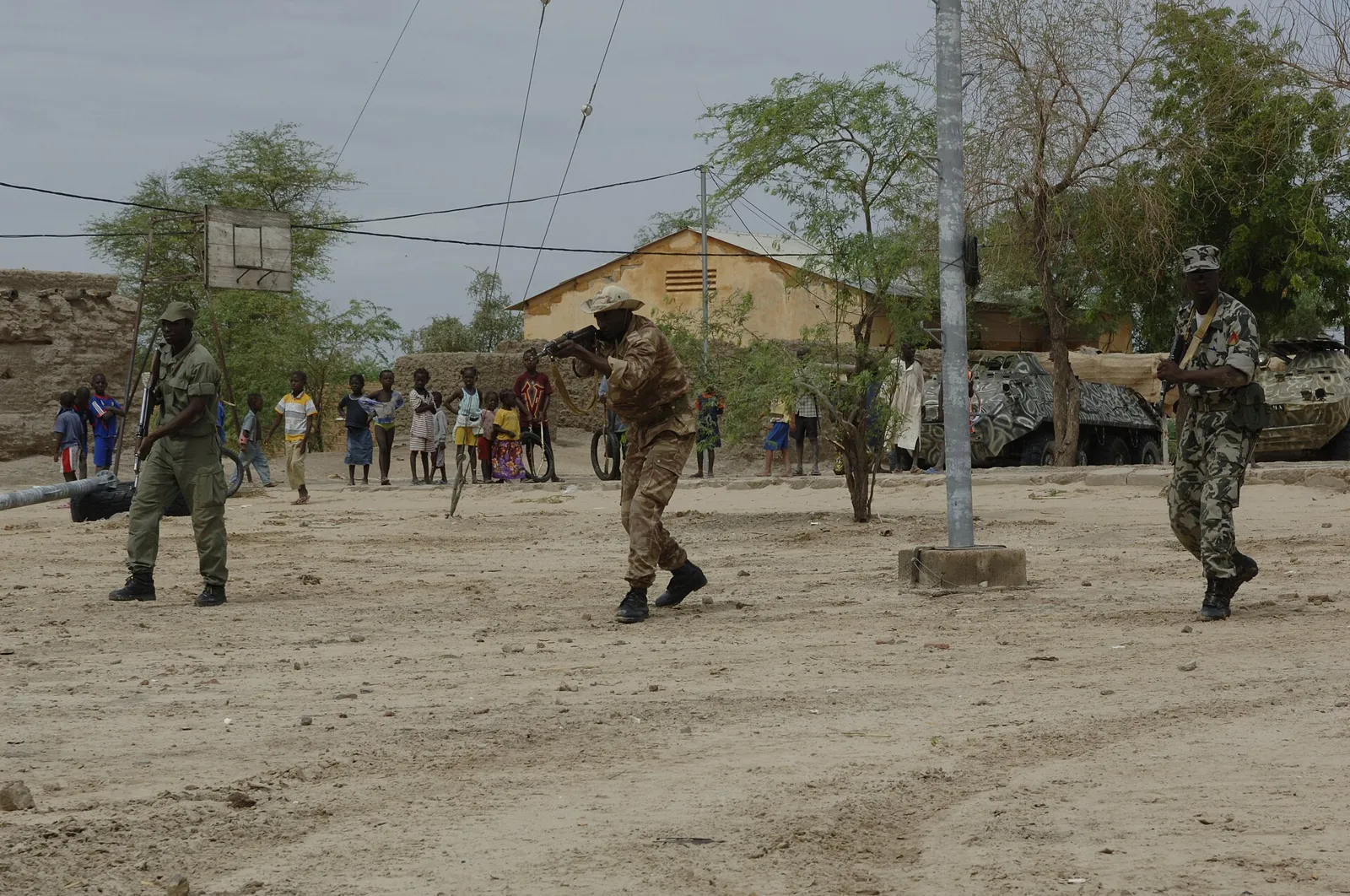
The Malian Armed Forces (Forces Armées Maliennes, FAMa) consist of the Army and the Air Force; the gendarmerie and National Guard complete the paramilitary structure. According to IISS and Global Firepower data there are about 21,000 active personnel and about 20,000 paramilitaries. Figures are approximate.
The country’s security environment has been in crisis since 2012. The separatist rebellion in the north and the advance of jihadist groups brought France’s Serval and Barkhane operations. After the 2020 and 2021 coups, the military government led by General Assimi Goïta pushed French forces out in 2022 and the UN peacekeeping mission MINUSMA at the end of 2023, and turned to military cooperation with Russia. Russia’s Africa Corps replaced Wagner in 2025. Mali formed the Alliance of Sahel States (AES) with Burkina Faso and Niger and left ECOWAS in January 2025.
In November 2023 the army retook Kidal, which had been outside central government control for years; drone support was decisive in that success. However, after coordinated nationwide attacks by JNIM and the Tuareg-led FLA on 25 April 2026, the army and Africa Corps withdrew from Kidal. The fuel blockade JNIM launched in September 2025 also complicates the supply of the capital Bamako; convoys now move under armed escort.
The land inventory is limited in number and mixed in origin. Alongside a small number of T-54/55 and PT-76 tanks, it uses Soviet armoured vehicles such as the BRDM-2, BTR-60PB and BTR-70, Chinese-built VN2Cs and VN-4s, Typhoon-K MRAPs acquired from Russia and French ACMAT Bastion vehicles. In artillery, D-30 howitzers and BM-21 Grad and Grad-P rocket launchers stand out.
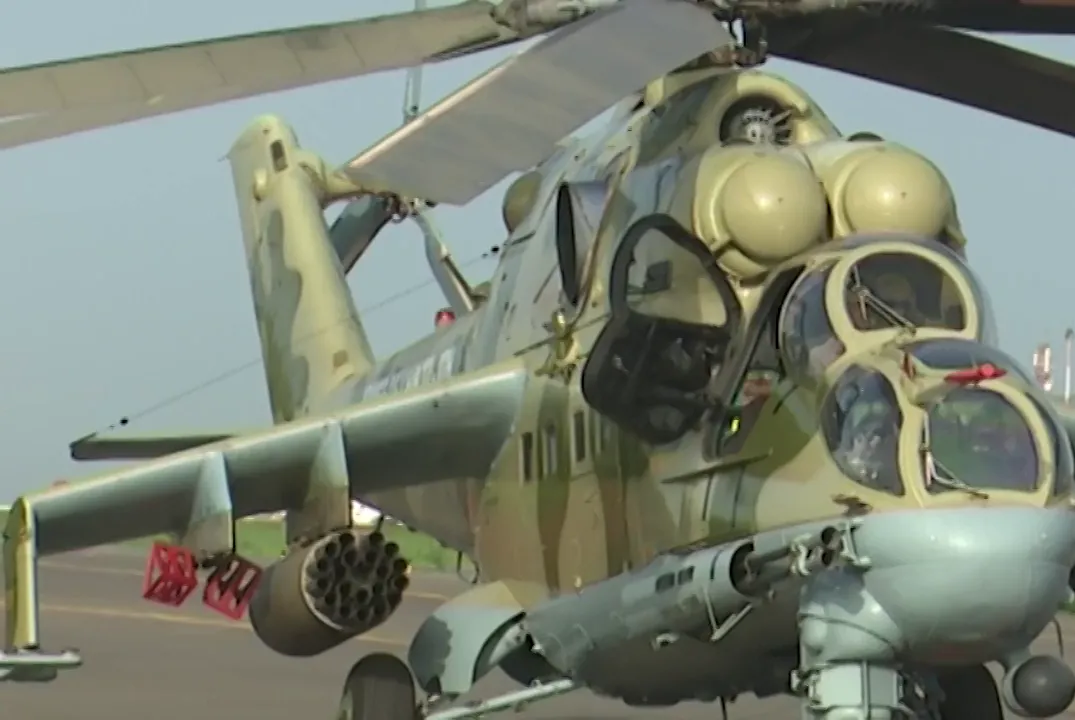
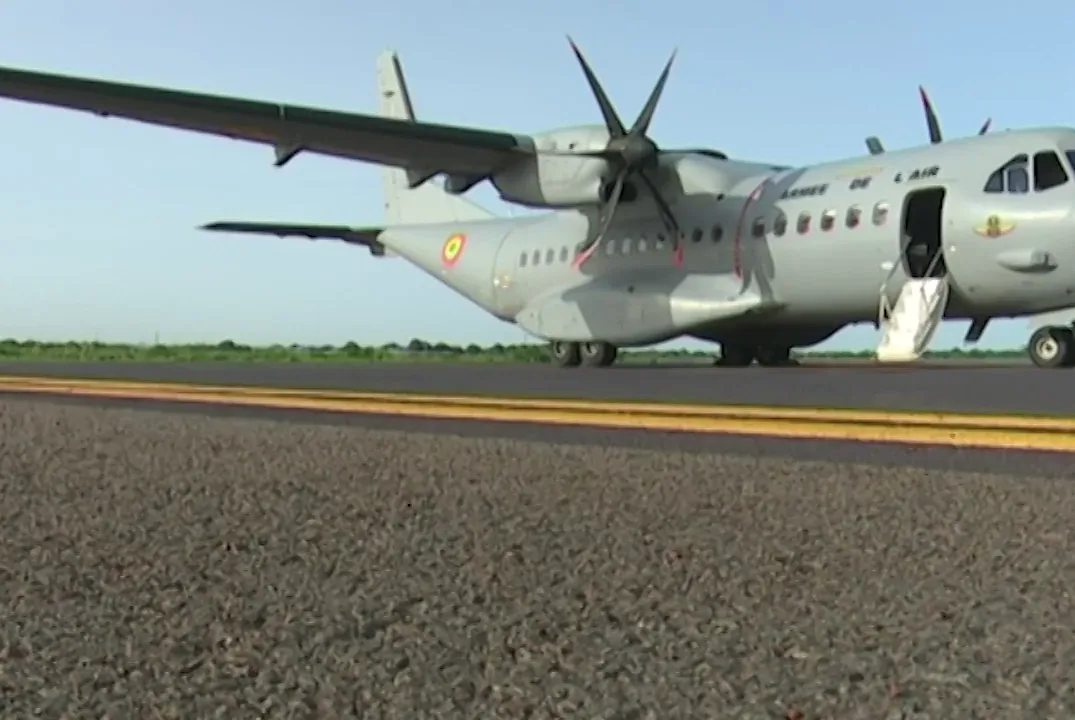
The air force was rapidly renewed after 2020. In August 2022 L-39C jets, Mi-35M attack helicopters and an additional C-295 transport were formally received at Bamako Air Base. A-29 Super Tucano light attack aircraft, H215 Super Puma and Mi-8/Mi-171 helicopters and Y-12 and BT-67 transports complete the fleet. Open-source estimates put the total at about 40 aircraft.
Mali is landlocked; it has no navy and only limited patrol capacity on the Niger River within the army. Air defence relies on the ZSU-23-4 Shilka and towed anti-aircraft guns. Logistically, the country depends on roads from the ports of Senegal, Côte d’Ivoire and Guinea, and these routes have been blockade targets since 2025.
Land Forces Inventory
| System type | Est. quantity |
|---|---|
| Main battle and light tanks | T-54/55 main battle tanks and PT-76 amphibious light tanks; in the mobile conflict environment of the Sahel tanks play a secondary role (approximately a few dozen) |
| Reconnaissance and armoured personnel carriers | BRDM-2 reconnaissance vehicles, BTR-60PB, BTR-70 and BTR-152 armoured vehicles; Chinese-built VN2C and VN-4 wheeled armoured vehicles |
| Protected vehicles (MRAP) | Typhoon-K 4×4 and 6×6 MRAPs acquired from Russia after 2022 and French ACMAT Bastion vehicles; critical for convoy escort and protection against mines |
| Artillery and rocket launchers | 122 mm D-30 towed howitzers, 100 mm MT-12 anti-tank guns, BM-21 Grad and light 9P132 Grad-P rocket launchers (approximate) |
Air Force Inventory
| Platform | Est. quantity |
|---|---|
| Light attack and training aircraft | L-39C Albatros jets received in Bamako in August 2022 and Brazilian-built A-29 Super Tucanos; the old MiG-21 fleet has been retired |
| Attack and transport helicopters | Mi-24 and Mi-35M attack helicopters, Mi-8/Mi-171 and Airbus H215 Super Puma transport helicopters |
| Transport aircraft | Airbus C-295, Harbin Y-12, Basler BT-67 and An-26; when roads are risky because of blockades, the air bridge depends on this fleet |
| Armed drones | Turkish-made Bayraktar TB2 (at least 17 according to open sources) and Bayraktar Akıncı received from December 2024; the most effective element of air power |
Missile and Air-Defence Systems
| System | Type / Note |
|---|---|
| Air defence | ZSU-23-4 Shilka self-propelled anti-aircraft guns and towed anti-aircraft guns; the Soviet-era S-125 batteries are out of service (approximate) |
| Shoulder-launched missiles | A limited number of Soviet-origin Strela-type systems; because the air threat from armed groups is low, the priority is shifting to counter-drone measures |
| Tactical missiles | There are no ballistic or cruise missiles; precision strike capacity comes from the smart munitions carried by the TB2 and Akıncı |
Naval Power
| Class / Type | Est. quantity |
|---|---|
| Naval forces | None; Mali is a landlocked Sahel country and has not established a navy |
| River elements | A limited number of patrol boats within the army along the Niger River; used to secure river traffic around Mopti and Timbuktu |
| Logistical dependence | With no sea access, fuel and military supplies arrive by road from the ports of Senegal, Côte d’Ivoire and Guinea; these routes have been blockade targets since 2025 |
The Turkey Angle: Turkish Defence Industry
The defence relationship between Türkiye and Mali is one of the most concrete examples in the series. Mali first received Bayraktar TB2 drones in December 2022; with later batches the fleet reached at least 17 TB2s according to open sources, making Mali one of the largest TB2 operators in Africa.
In December 2024 transitional President Assimi Goïta handed Bayraktar Akıncı strike drones over to the armed forces at a ceremony in Bamako. Mali thus joined the African operators of the Akıncı, and the fleet grew with later deliveries. Defence Minister General Sadio Camara stressed that the purchases were financed from Mali’s national budget. Goïta also awarded a state decoration to Baykar’s General Manager.
Turkish drones stand out as the most effective component of Mali’s air power. The TB2 and Akıncı played a decisive role in the recapture of Kidal in November 2023 and in reconnaissance, surveillance and precision strike missions across the vast Sahel. Long endurance, high-altitude surveillance and smart munitions act as a force multiplier for an army with limited numbers of tanks and combat aircraft.
Mali’s needs list overlaps with the strengths of the Turkish defence industry: mine-resistant armoured vehicles for convoy security, remote weapon stations, border surveillance, counter-drone systems and training. The fact that Burkina Faso and Niger in the Alliance of Sahel States also use Turkish drones makes Mali a strong reference market for Turkish defence products in the region.
Frequently Asked Questions
How many tanks does Mali have? Mali’s inventory includes a small number of T-54/55 main battle tanks and PT-76 light tanks; the number of operational tanks is limited to a few dozen. Figures are approximate.
Does Mali have fighter jets? Mali has no modern fighter jets; the air force operates L-39C and A-29 Super Tucano light attack aircraft, Mi-24/Mi-35M attack helicopters and Bayraktar TB2 and Akıncı drones.
Does Mali buy weapons from Türkiye? Yes. Mali has received Bayraktar TB2 drones since December 2022 and Bayraktar Akıncı strike drones from December 2024; according to open sources it operates at least 17 TB2s.
Does Mali have a navy? No. Mali is landlocked; there is only limited river patrol capacity on the Niger River within the army.
Which foreign military forces are in Mali? French forces left in 2022 and the UN peacekeeping mission MINUSMA at the end of 2023. About 2,000 personnel linked to Russia’s Africa Corps are estimated to be in the country today.
Bottom Line
The Malian inventory shows an army fighting an irregular enemy over a vast territory with a limited number of old tanks and armoured vehicles. Russian MRAPs and helicopters carry mobility on the ground, while Turkish-made TB2 and Akıncı drones carry surveillance and precision strike capacity. The JNIM-FLA attacks of 2026 and the fuel blockade have raised the importance of convoy security and air resupply. Through its drone deliveries Türkiye is the supplier of Mali’s most critical capability and also stands out as a natural partner in armoured vehicles and training.