US Signs Seven-Year Deals With Lockheed Martin and General Dynamics to Triple PAC-3 MSE and Quadruple THAAD Production

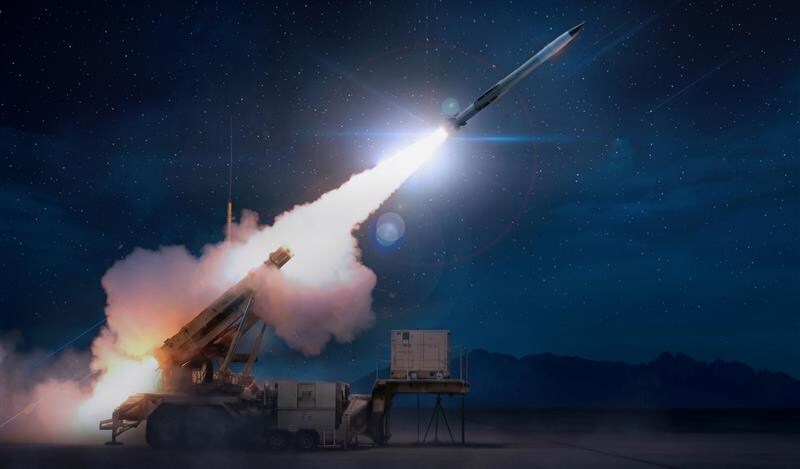
The US Department of War has signed seven-year production agreements with General Dynamics and Lockheed Martin aimed at closing a persistent shortfall in air and missile defense interceptors. The deals target tripling PAC-3 MSE interceptor production capacity and quadrupling THAAD interceptor output.
At a Glance
- Lockheed Martin received a seven-year undefinitized contract action worth up to $35 billion to quadruple THAAD interceptor production.
- In July, Lockheed Martin also secured a seven-year multiyear contract worth up to $58.6 billion for PAC-3 MSE production.
- The framework agreement with General Dynamics-OTS covers expanded manufacturing of subcomponents including motor cases, seeker housings, midsections and shroud deployment systems.
- The agreements are structured to support multiyear procurement with guaranteed minimum annual quantities, subject to annual appropriations.
- The push comes as the Ukraine war, Middle East air defense demand, and Indo-Pacific stockpile requirements strain existing interceptor supply.
Background
PAC-3 MSE and THAAD interceptors form the backbone of layered US and allied missile defense, but shipments to Ukraine, Israeli air defense needs, and rising tension in the Asia-Pacific have exposed how thin production lines had become. The Pentagon’s seven-year commitment model gives manufacturers long-term order guarantees, encouraging investment in factory capacity, supply chains and subcontractor networks. Multiyear deals of this kind let producers commit to labor and equipment with more confidence than single-year contracts allow, though they require locking in most of the total cost upfront.
What This Means for Türkiye
Türkiye does not operate Patriot or THAAD; it is pursuing air defense self-sufficiency through the HİSAR family and the still-in-development long-range SİPER system. The bottleneck in US interceptor production is a case study in the supply risk that comes with depending on imported systems. It reinforces the strategic logic behind Türkiye’s push to keep SİPER’s production timeline under domestic control rather than tied to a foreign manufacturer’s backlog.
FAQ
What are PAC-3 MSE and THAAD? PAC-3 MSE is the extended-range interceptor for the Patriot system; THAAD is a long-range system capable of engaging targets inside and outside the atmosphere.
Why is production being increased? Rising demand from Ukraine, the Middle East and the Indo-Pacific is straining existing stockpiles and output rates.
What is the total value of the deals? Lockheed Martin’s THAAD contract is worth up to $35 billion and its PAC-3 MSE contract up to $58.6 billion; the value of the General Dynamics subcomponent agreement has not been disclosed in detail.