UK Awards Thales £36M LMM Contract: The Missile That Downed 100+ Drones Over Cyprus
According to Defence Blog and Defence Industry Europe, the British MoD placed two separate contracts — in April and May 2026 — worth a combined £36 million for several hundred LMMs built by Thales. The deal lands as NATO accelerates its search for cost-effective answers to the proliferating low-altitude drone threat.
At a Glance
- Who: UK Ministry of Defence & Thales UK
- What: Several hundred Lightweight Multirole Missiles (LMM / Martlet)
- Value: £36 million (~$48M), two contracts (April + May 2026)
- Announced: 1 June 2026
- Production: Belfast, Northern Ireland — ~700 jobs
- Combat record: 100+ drones downed from Cyprus bases
Background: What Is the LMM / Martlet?
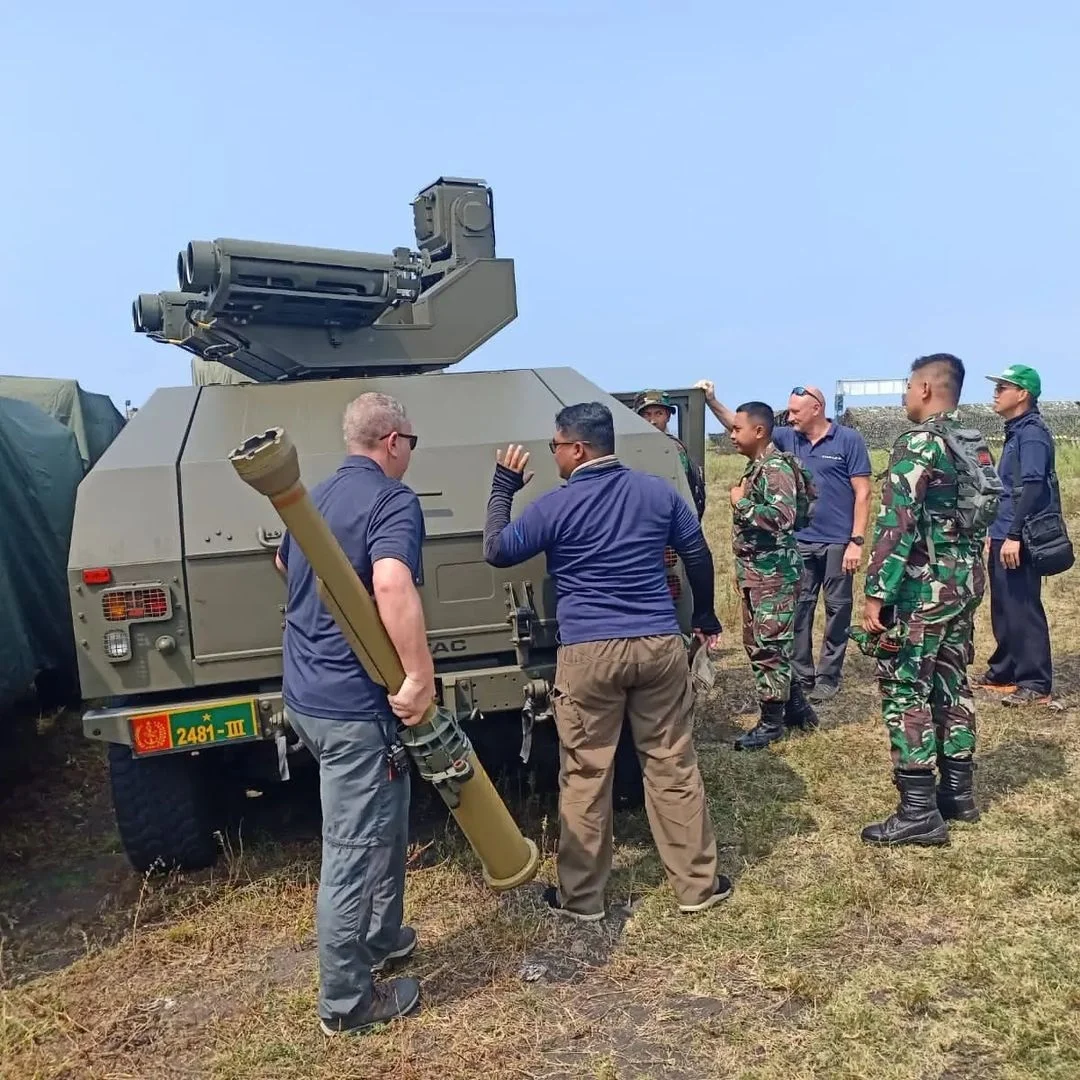
The Lightweight Multirole Missile (LMM), known in Royal Navy service as Martlet, is a compact guided weapon built at Thales' Belfast facility. According to technical data on Wikipedia, the roughly 13-kilogram missile uses laser beam-riding guidance and reaches out to about 6 kilometres. It can be launched from air, land and sea platforms, fitting helicopters, light armoured vehicles and fixed or mobile air-defence turrets alike.
The Contract and Its Combat Record
The significance of the deal flows from the missile's proven field performance. According to Army Technology and the UK Defence Journal, British operations in the Middle East — notably RAF Regiment gunners defending the bases in Cyprus — used the RapidRanger / Rapid Sentry air-defence system to bring down more than 100 drones with the weapon. Deliveries are scheduled to begin in the coming months and continue through 2026. Thales says it has quadrupled missile production capacity in Northern Ireland since 2022.
| Feature | LMM / Martlet |
|---|---|
| Guidance | Laser beam-riding |
| Range | ~6 km |
| Weight | ~13 kg |
| Platforms | Helicopter, ground vehicle, naval, fixed/mobile turret |
| Role | Counter-drone, low-altitude air defence, light strike |
| Manufacturer | Thales UK — Belfast |
NATO Context: The Cheap-Drone, Costly-Defence Dilemma
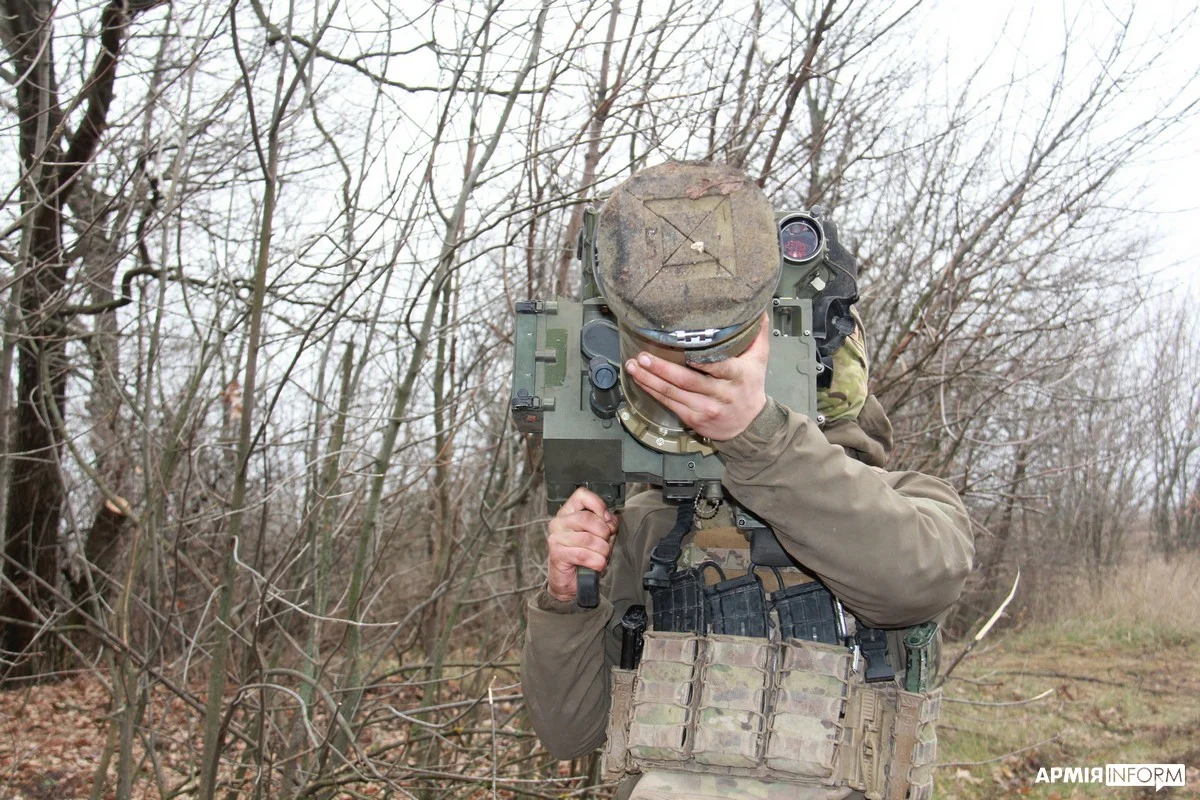
The LMM order is part of a wider NATO debate: the unsustainable cost curve of spending hundreds of thousands of dollars on interceptors against kamikaze drones that cost only a few thousand. The LMM's relatively low unit cost and high production rate make it attractive in that equation. The UK's parallel commitment of thousands of LMMs to Ukraine further cements the missile's place in European air-defence stockpiles.
Why It Matters for Turkey
Counter-drone defence is one of the fastest-growing segments of Turkey's defence industry, and Turkey can meet the full capability spread the UK seeks with the LMM through indigenous solutions. In the low-altitude layer, the ASELSAN KORKUT gun system and the SUNGUR short-range air-defence missile already counter drone and helicopter threats. On the directed-energy side, ALKA and the GÖKBERK mobile laser weapon system kill drones with the same cost-effective logic as the LMM — at a near-zero cost per shot.
In the medium-range tier, HİSAR-A+/O+ and SİPER form Turkey's layered “Steel Dome” architecture, while new micro-missiles such as GÖKDEMİR target swarming drones directly. Turkey's edge is that it builds this entire spread fully indigenously and free of export constraints — in a domain where even allies like the UK remain tied to a single supplier, Turkish industry feeds both domestic demand and a fast-expanding export market.
Frequently Asked Questions
What is the LMM / Martlet? A ~6 km-range, laser-guided lightweight multirole missile built by Thales in Belfast, used by the Royal Navy as Martlet.
How big is the deal? Two contracts signed in April and May 2026 worth a combined £36 million for several hundred missiles.
How effective is it against drones? The UK says it has downed more than 100 drones with the missile from its Cyprus bases.
Does Turkey have an equivalent? Yes — indigenous systems such as SUNGUR, KORKUT, the GÖKBERK laser and GÖKDEMİR fill a similar counter-drone role.
Bottom Line
The UK's LMM order shows the centre of gravity of modern air defence shifting from costly interceptors toward cost-effective, high-rate missiles. The same trend highlights the strategic opening Turkey has seized with its layered counter-drone line, from SUNGUR to the GÖKBERK laser.