One Ukrainian brigade downed 3,000 Russian drones in seven months — and not with missiles

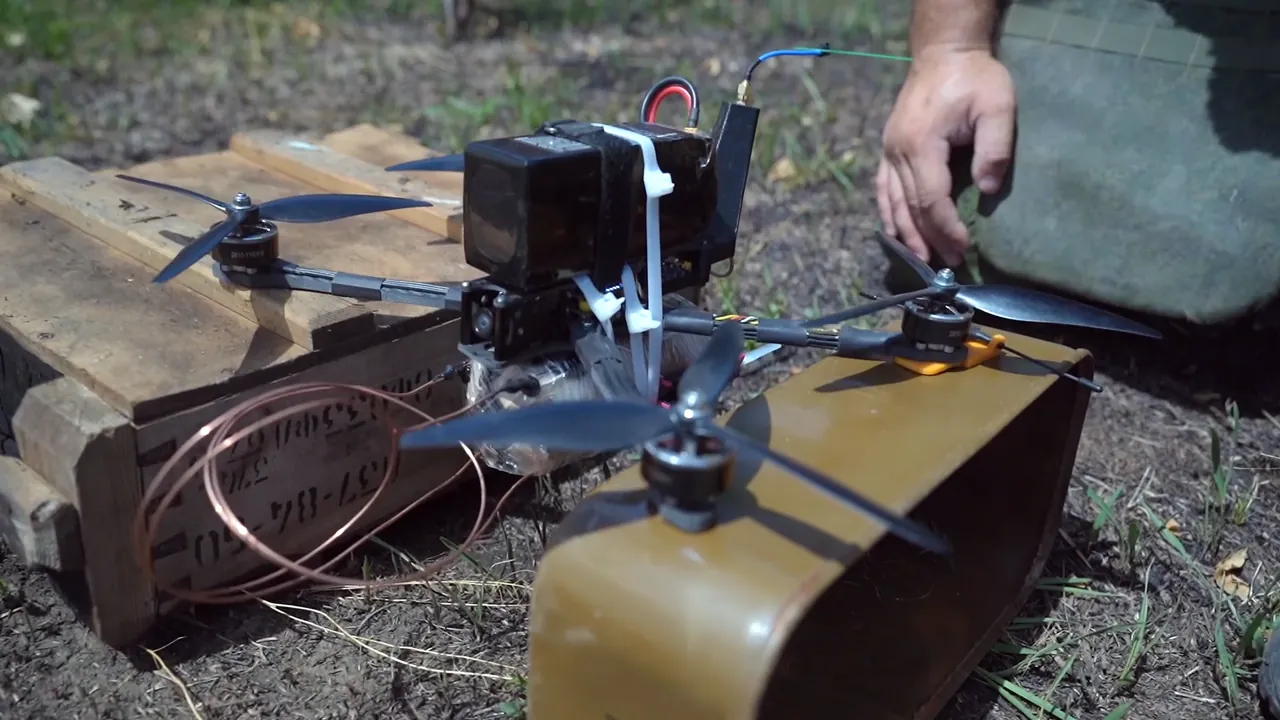
Ukraine’s National Guard 3rd Operational Brigade, known as ‘Spartan’, says its crews have destroyed roughly 3,000 Russian unmanned aerial vehicles around Pokrovsk since January 2026. The striking part is how. Not with expensive surface-to-air missiles, but with comparatively cheap interceptor drones flown into their targets. On busy days, a single crew launches up to 20 sorties.
At a Glance
- Who: Ukraine’s National Guard 3rd Operational Brigade ‘Spartan’ — interceptor drone crews within its anti-aircraft missile and artillery battalion.
- How many: Roughly 3,000 Russian UAVs since January 2026.
- Where: The Pokrovsk sector, among the most heavily pressed stretches of the front.
- Tempo: Up to 20 interception sorties per crew per day, depending on Russian activity.
- Targets: Molniya strike drones, Lancet loitering munitions, Supercam reconnaissance UAVs and similar platforms.
- The point: Shooting a cheap drone with an expensive missile is a losing trade. Interceptor drones invert it.
The economics behind the number
Three thousand is a striking figure on its own, but the real story is what did the shooting. In the early years of the war Ukrainian air defence leaned heavily on conventional means against Russian reconnaissance and strike drones — anti-aircraft guns, light missiles, in places even machine-gun positions. The problem was that Russia had shifted to a production model designed to exhaust the defender: cheap airframes, made in volume, whose loss costs almost nothing.
Against that model, expensive interceptors are not sustainable. A single air defence missile can cost tens or hundreds of times what it destroys. Every engagement looks like a win and is, in inventory terms, a loss. Ukraine’s recent interceptor shortage is that arithmetic arriving in the real world.
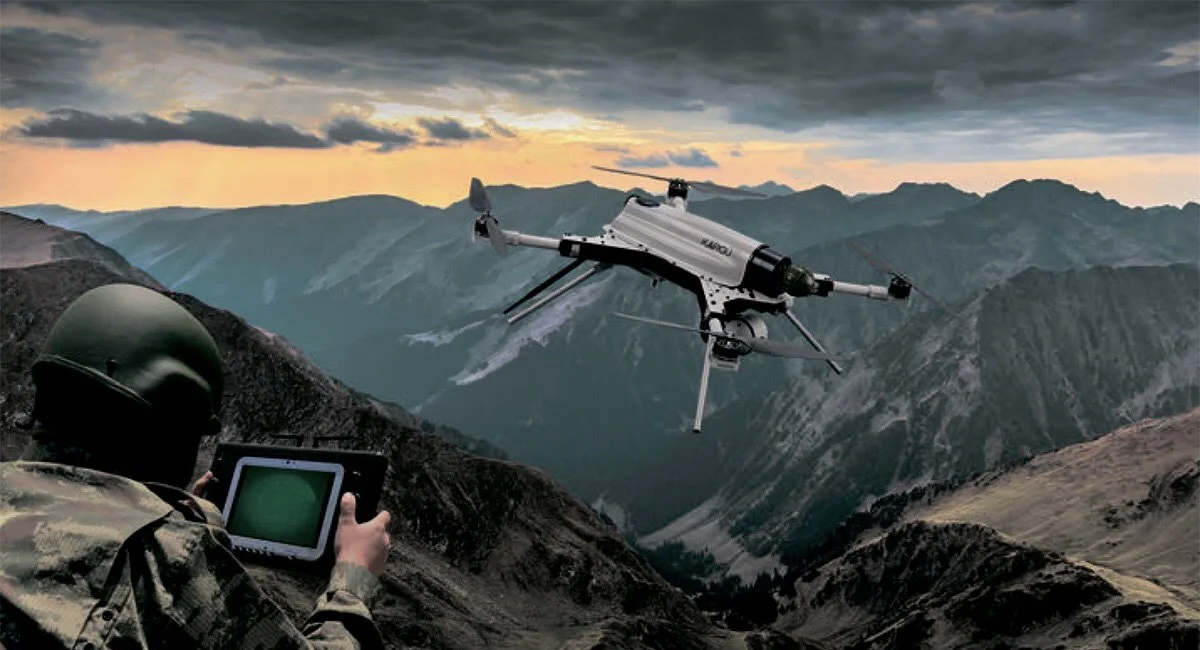
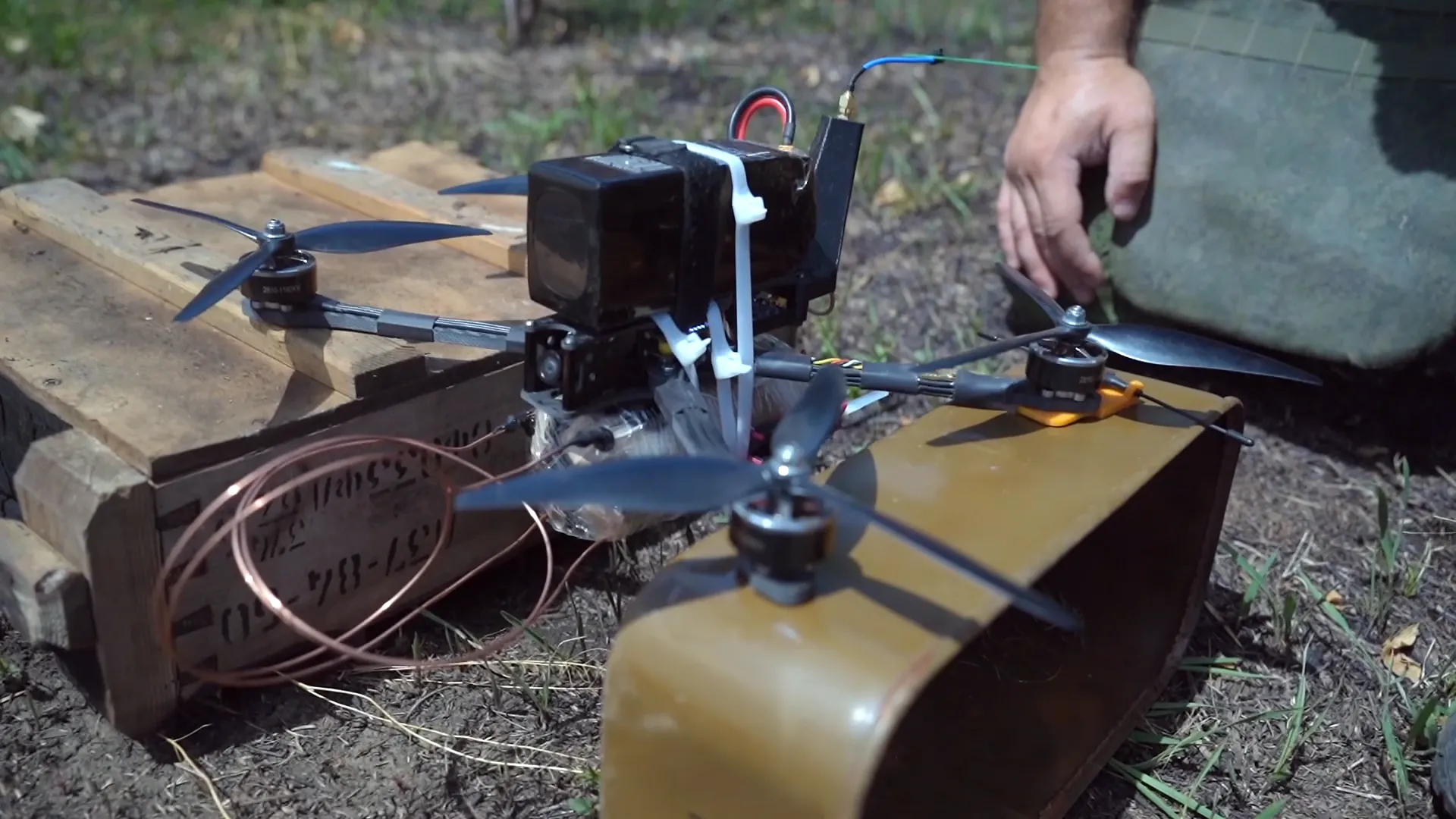
The interceptor drone emerged from exactly this pressure. The logic is plain: do not shoot the target with a missile — fly another unmanned aircraft into it. Cost is low, production is fast, attrition is acceptable. The cost pressure Russia applied gets applied straight back.
The tempo Spartan describes suggests the concept is working. An operator using the call sign Yakuza put it this way: “Sometimes we fly as many as 20 sorties. The success of an intercept depends on the entire crew.” The second half of that sentence carries more weight than the first. Intercepting a drone is not a one-person job — detection, cueing, flying and confirmation are separate tasks under time pressure.
What is actually being shot down
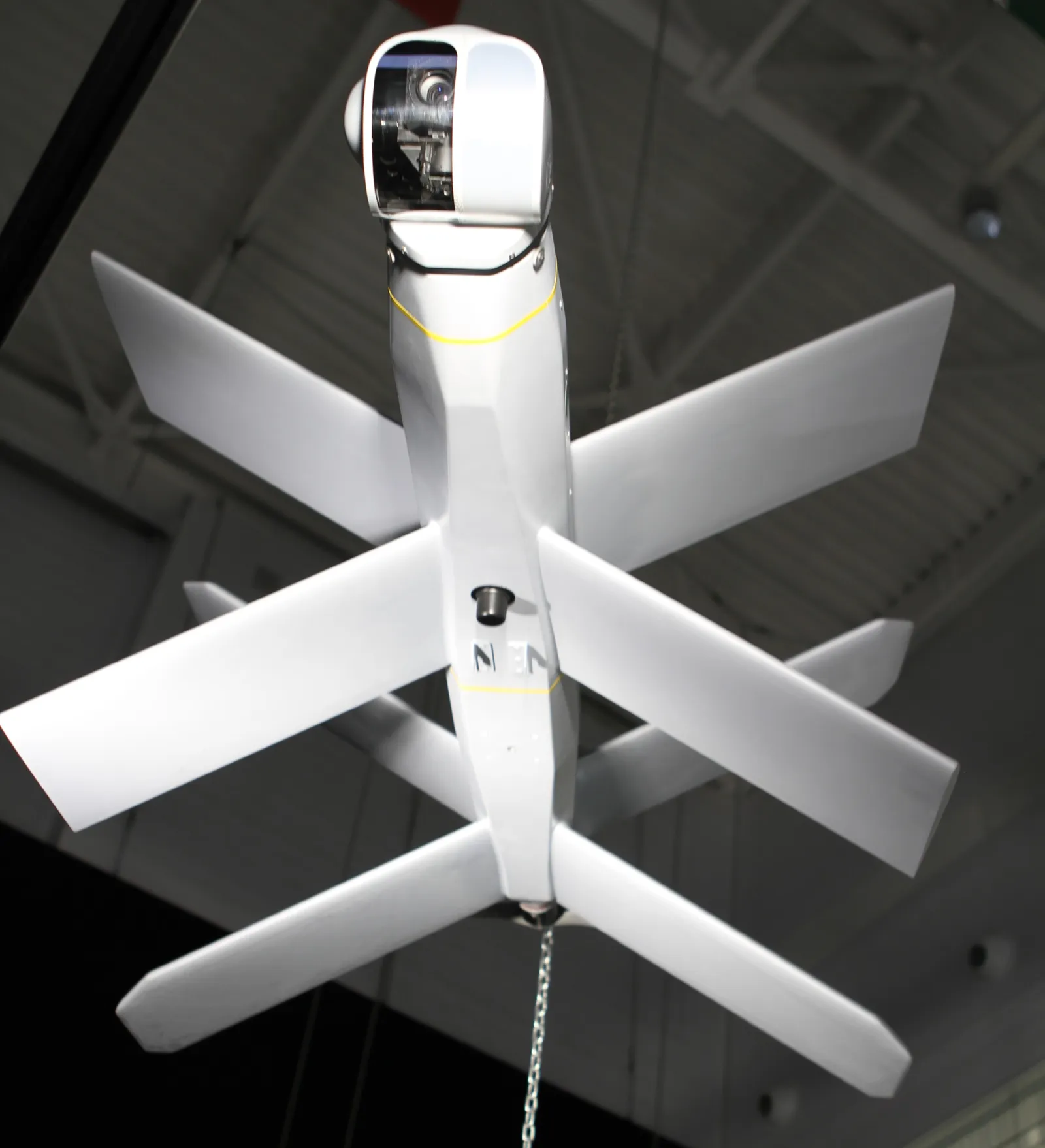
The target list the brigade published is a useful snapshot of how many different jobs a drone now does at the front. The three named types represent three distinct functions.
Molniya is Russia’s cheap strike drone concept in practice — simple materials, modest range, used in numbers. The intent is not the effect of any single airframe but the cumulative weight of many.
Lancet, developed by ZALA, is the best-known Russian loitering munition. It can hold over an area, wait for a suitable target and then dive on it. In Ukraine it has been used intensively against artillery positions and air defence vehicles.
Supercam carries no warhead at all. It is pure reconnaissance — which arguably makes it the most dangerous of the three, because the imagery it returns directs artillery fire. Downing a Supercam can mean preventing the barrage that would have followed it.
Handling all three categories with the same method says something about how flexible the interceptor concept is. It also has clear limits: night interception, targets cruising at higher altitude, jammed data links and simple operator fatigue remain unsolved. Interceptor drones are not replacing classical air defence. They are making its bottom layer affordable.
The Interceptor Equation
| Unit | Ukraine National Guard 3rd Operational Brigade ‘Spartan’ |
| Sector | Pokrovsk and surroundings |
| Period | January 2026 – August 2026 (roughly seven months) |
| Platforms destroyed | Approximately 3,000 unmanned aerial vehicles |
| Daily tempo | Up to 20 interception sorties per crew, depending on Russian activity |
| Target types | Molniya strike UAVs, Lancet loitering munitions, Supercam reconnaissance drones and similar |
| Underlying logic | Meet cheap platforms with cheap platforms; preserve the expensive interceptor stock |
| Known limits | Night engagements, higher-altitude targets, electronic warfare pressure, crew fatigue |
The bottom rung of layered defence
To place this properly, think of air defence as a ladder. At the top sit long-range systems built to engage ballistic missiles — expensive, precious, available in limited numbers. In the middle are medium and short-range missile systems. At the bottom is the close-in layer: guns, electronic warfare and now interceptor drones.
Ukraine’s recent problem was being forced to spend the top rung’s ammunition on the bottom rung’s work. Burn an interceptor meant for a ballistic missile on a cheap drone and your hands are empty when the real threat arrives. That is where the strategic value of the interceptor drone lies. It is not a wonder weapon; it keeps the expensive layer in reserve by relieving it.
The same logic runs through the layered architecture Turkey is building. The Steel Dome concept aims to bind systems of different ranges and cost classes under a single battle management network, and the decisive variable is not only how well the top layer performs but whether the bottom layer is genuinely cheap. ASELSAN’s counter-drone line and the Turkish industry’s accumulated experience in small loitering platforms sit precisely on that rung. Ukraine’s field lesson generalises: if the bottom layer does not get cheaper, the top layer runs dry.
Sources
- Defense Express (en.defence-ua.com) — “Nearly 3,000 russian Drones Downed in Seven Months: Spartan’s Interceptors Hold the Line Over Pokrovsk”, 16 August 2026
- Ukrainian National Guard press releases, August 2026
- Wikipedia — ZALA Lancet, Supercam, drone warfare in Ukraine
- ASELSAN — counter-drone product information
- STM — KARGU loitering munition product page