HII’s ROMULUS-25 clears DIU testing, putting an autonomous interceptor boat in front of the US Navy

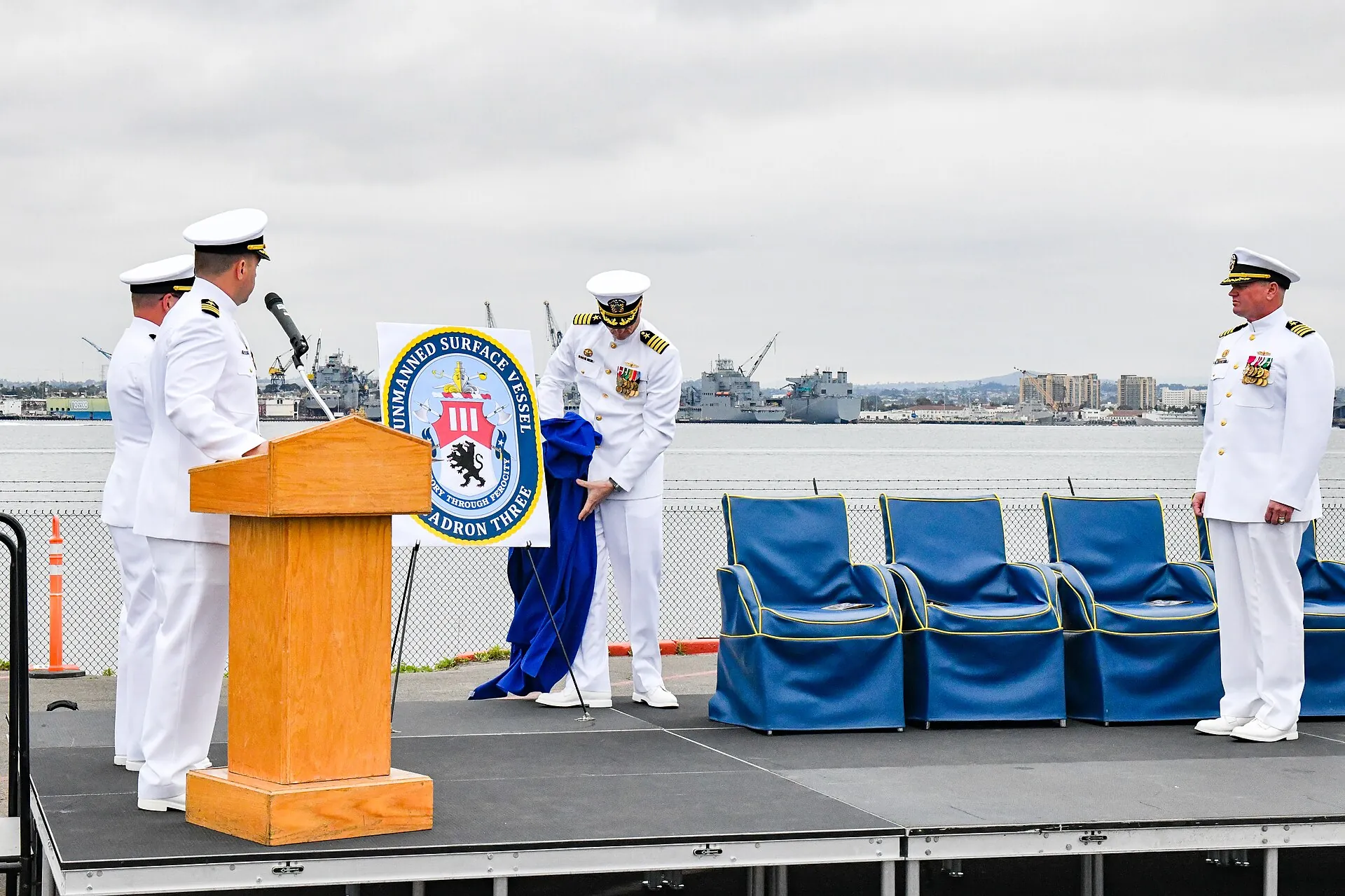
HII’s ROMULUS-25 unmanned fast boat, developed with MetalCraft Marine, has completed government-led testing under the Defense Innovation Unit’s PRIME prototype programme. With a 1,000 pound payload and 1,000 nautical miles of range, the vessel is now positioned against the US Navy’s requirement for a small unmanned surface interceptor.
At a Glance
- What: The ROMULUS-25 “Watcher” unmanned surface vessel completed DIU PRIME testing in August 2026.
- Who: HII’s Unmanned Systems group with boatbuilder MetalCraft Marine.
- Performance: Up to 1,000 nautical miles of range and a 1,000 pound payload.
- Test scope: Autonomy, seakeeping, operational functionality and performance in degraded environments.
- Competition: 116 solution briefs were submitted; the first two Watchers were delivered in December 2025.
- The brain: HII’s Odyssey autonomous control system — modular open architecture, AI-enabled contact recognition, edge-based decision-making.
Why an interceptor boat, and why now
Maritime security has spent a decade without a proportionate answer to small, fast targets. Spending a destroyer’s anti-ship missile to stop an approaching fast boat or one-way attack USV is unsustainable on cost and on magazine depth alike. Sending a crewed patrol craft after every contact in a busy strait is not practical either.
That gap produced the autonomous interceptor category. The logic is simple: meet the threat with something of comparable cost and comparable speed. Unmanned fast boats do that while taking sailors out of the engagement entirely. The hard part is not top speed — it is telling a threat from the surrounding traffic, holding seakeeping in a real sea state, and continuing the mission when the link drops.
DIU’s PRIME programme is aimed squarely at that problem, using open calls to pull mature commercial designs into a military requirement quickly. The call drew 116 solution briefs. ROMULUS-25 came through the screen to prototype, and in DIU’s words has “successfully demonstrated its appropriateness to address the Department of the Navy’s operational need for sUSV interceptors” capable of autonomous transit and maritime interception.

What was tested, and what Odyssey does
The government-led evaluation ran across four headings: autonomy, seakeeping, operational functionality and operation in degraded environments. The last one usually separates the field. What a vessel does when satellite navigation is jammed, the datalink is cut or sensor returns are corrupted says far more than a calm-water demonstration.
The decision-making sits with HII’s Odyssey autonomous control system. Its headline claim is a modular open architecture: the software layer is not welded to one hull and runs across multiple vehicle types. On top of that sit AI-enabled contact recognition and edge-based decision-making, so the boat can classify and route on its own processing rather than waiting for a command that may never arrive.
Duane Fotheringham, president of HII’s Unmanned Systems group, called the result “another example of HII’s strategy to rapidly transition innovative technologies from concept to operational capability.” Mike Reed of MetalCraft Marine said the testing “confirms the quality of the aluminium platform and the discipline behind its design and construction.” The hull emphasis is not filler: repeated slamming loads at speed in a seaway are where this class usually breaks.
The schedule moved quickly by naval standards. The first two Watcher ROMULUS-25 vessels were delivered in December 2025; government testing wrapped in August 2026. Eight months from prototype delivery to evaluation result is a notable tempo against traditional shipbuilding timelines.
ROMULUS-25 “Watcher”: Key Data
| Class | Small unmanned surface vessel (sUSV) / fast interceptor |
| Developers | HII Unmanned Systems and MetalCraft Marine |
| Range | Up to 1,000 nautical miles |
| Payload | 1,000 pounds (approximately 450 kg) |
| Hull | Aluminium |
| Autonomy | HII Odyssey autonomous control system |
| Software architecture | Modular open architecture, AI-enabled contact recognition, edge decision-making |
| Programme | DIU PRIME prototype initiative |
| First delivery | Two vessels, December 2025 |
| Testing completed | August 2026 |
The Turkish parallel
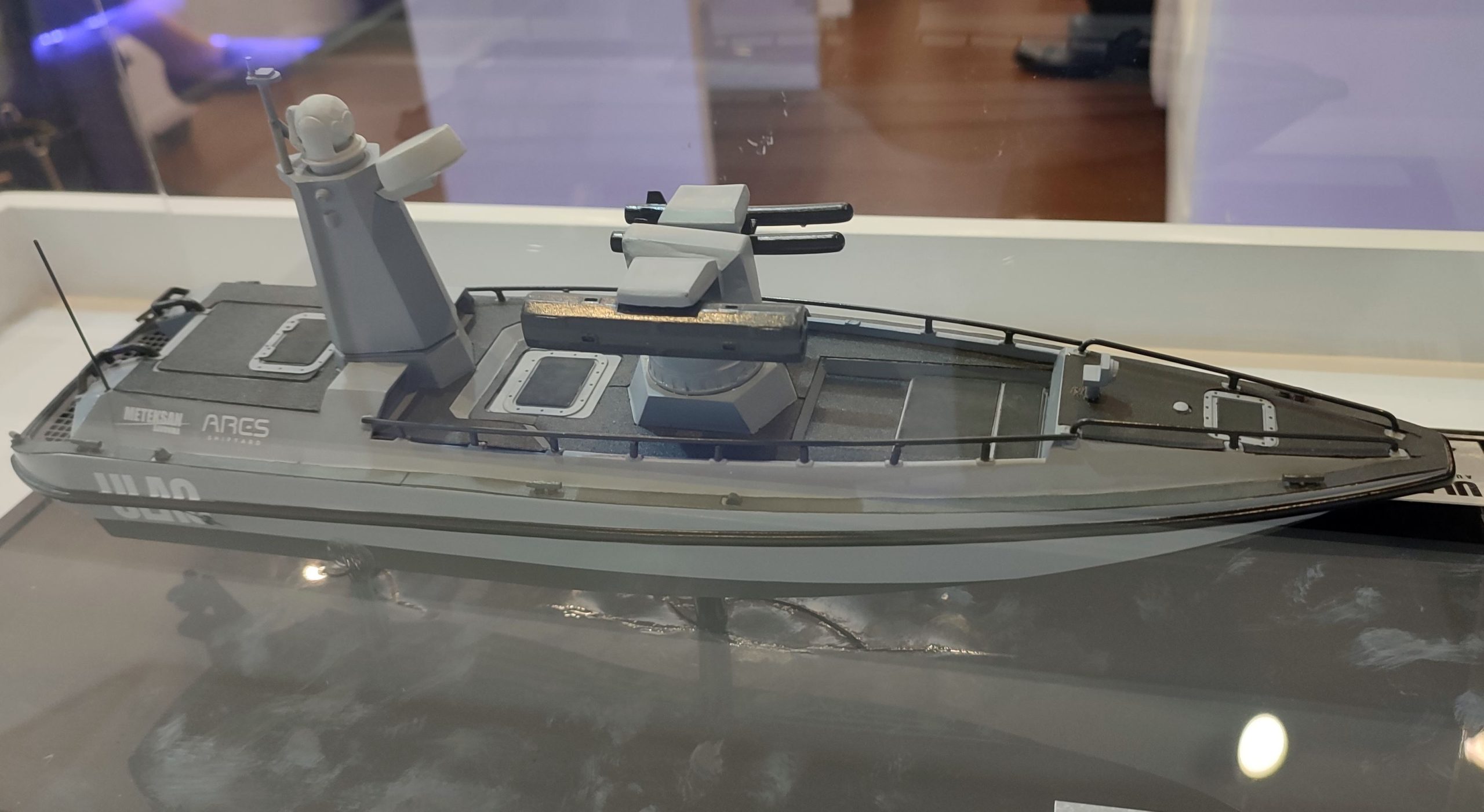
Turkey was early into armed unmanned surface vessels. The ULAQ family, developed by ARES Shipyard with Meteksan Defence, was built for armed patrol and escort work and has since branched into additional configurations, with further programmes running at Dearsan, Yonca-Onuk and Havelsan.
The differentiator in this segment is no longer the hull. In the ROMULUS-25 case, the examination was effectively of Odyssey. Developing indigenous autonomy and mission management software that is portable across hulls — rather than tied to one platform — is what will determine both export flexibility and operational depth over the next decade.
Sources
- Defence Industry Europe — “HII’s ROMULUS-25 autonomous vessel completes DIU PRIME testing”, 17 August 2026
- Defense Innovation Unit (DIU) PRIME programme statements
- HII Unmanned Systems and MetalCraft Marine corporate releases