What Are TUALCOM’s Electronic Warfare Receivers? ESM/ELINT, DFD, IFM and TUALARIA Explained

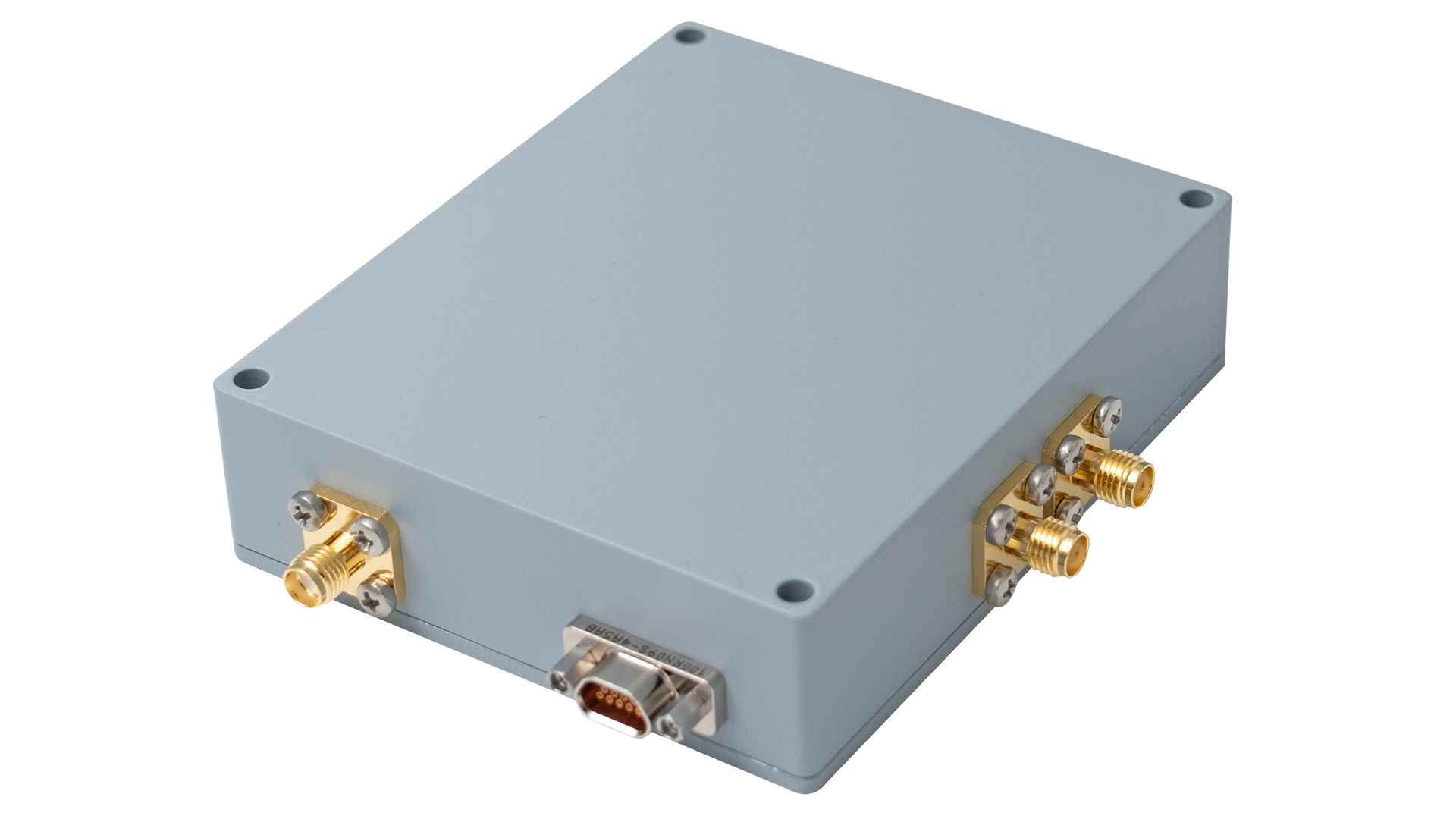
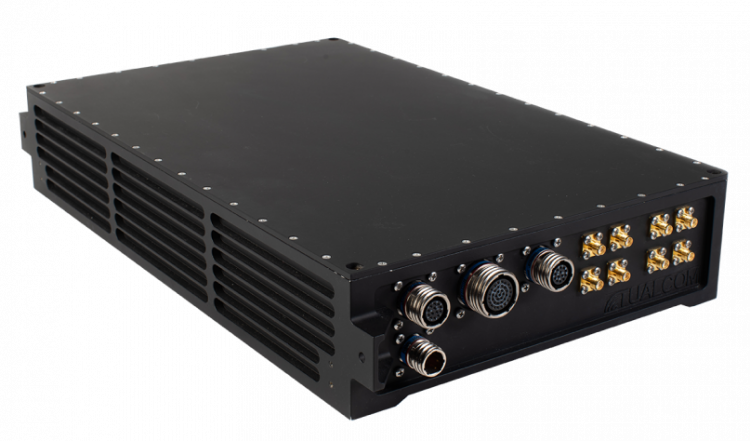
The electronic warfare portfolio of Turkish defense electronics company TUALCOM consists of three receiver types that capture and instantly characterize radar signals across 2-18 GHz (ESM/ELINT, DFD and IFM) and the TUALARIA active radar reflector, which simulates targets for training radar-guided systems. The receivers generate pulse descriptor words (PDWs) — recording each captured pulse’s frequency, amplitude, pulse width, time of arrival and PRI — at nanosecond-order speeds, forming the front end of signals intelligence systems.
The ESM/ELINT receiver: an ear on the spectrum
ESM (electronic support measures) and ELINT (electronic intelligence) are the discipline of locating and fingerprinting hostile radars from their emissions. TUALCOM’s compact ESM/ELINT receiver captures radar signals across the 2-18 GHz spectrum and produces a PDW (pulse descriptor word) for each pulse: frequency, amplitude, pulse width, time of arrival (TOA) and pulse repetition interval (PRI). The PDWs stream out over Gigabit Ethernet, with an LVDS interface for critical settings and telemetry. The 2-18 GHz range is the standard EW surveillance band, covering most fire-control, search and illumination radars.
DFD and IFM receivers: instantaneous frequency measurement
| Receiver | Band | Output | Notable feature |
|---|---|---|---|
| Compact DFD Receiver | 2-18 GHz | LVDS; 14-bit frequency resolution plus a data-valid bit | Optional switched multiplexer filter; stackable for multi-channel direction finding (DF) |
| Compact IFM Receiver | 2-18 GHz | Gigabit Ethernet PDWs plus LVDS | Over 2 million PDWs per second; nanosecond-order processing; user-defined digital filters; built-in DFD and SDLVA blocks |
DFD (digital frequency discriminator) and IFM (instantaneous frequency measurement) receivers measure frequency on a single pulse, without waiting for a spectrum scan — a critical capability against modern frequency-hopping radars. The stackable DFD architecture enables the construction of systems that find a signal’s direction of arrival (DF) by comparing phase across multiple receivers.
TUALARIA: the training range’s programmable target
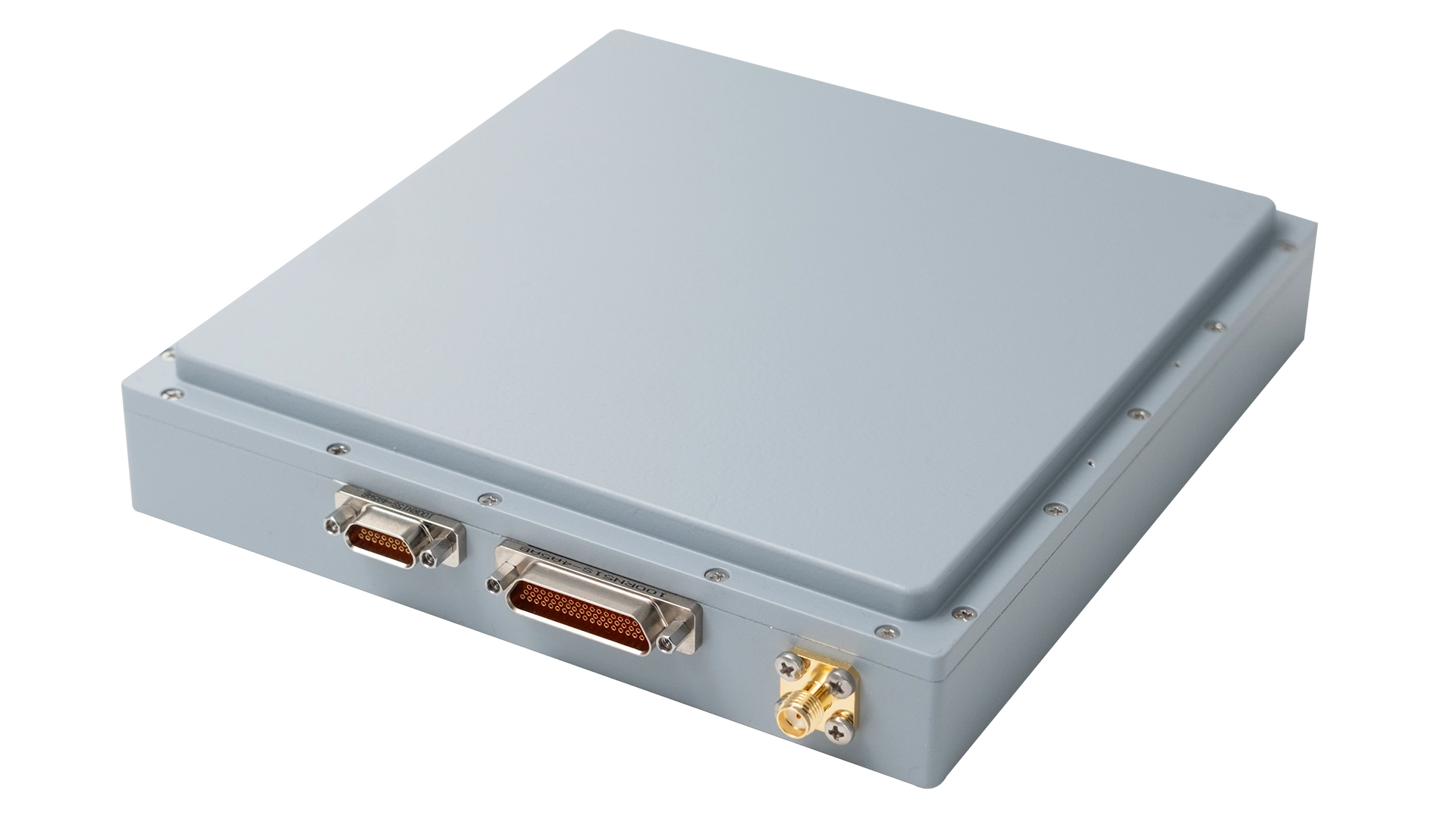
TUALARIA is a compact active radar reflector designed for military training missions with radar-guided platforms. The two-antenna system operates in the C, X and Ku bands, amplifying an incoming radar signal and re-transmitting it at a programmed radar cross-section (RCS) level. A small target — a training UAV, for example — can thus appear on a radar screen as a large warship or aircraft.
- RHCP or LHCP spiral antenna options support all polarization types
- System gain is adjustable over RS-232 via a programmable attenuator
- Settings are stored in internal memory; gain can be changed before and during flight
This product class allows naval air-defense firings, missile seeker tests and radar operator training to set up realistic RCS scenarios without using real targets.
Position in Turkey and worldwide
In Turkey’s wideband EW receiver field, ASELSAN operates at the comprehensive system level and Meteksan Defence in microwave subsystems; TUALCOM focuses on compact, board-level receiver modules, supplying an intermediate layer to system integrators. In the global market, comparable compact IFM/DFD modules are produced by Teledyne Defense Electronics (US) and Elbit Systems (Israel). The company does not publicly disclose the customers of its EW receivers.
Frequently asked questions
What is a PDW?
A pulse descriptor word: a digital summary of each captured radar pulse containing its frequency, amplitude, pulse width, time of arrival and PRI.
Why is the 2-18 GHz band the standard?
Most fire-control, search and illumination radars operate in this range, so EW surveillance systems treat 2-18 GHz as the baseline band.
How many pulses per second can the IFM receiver process?
Per company data, it can generate over 2 million PDWs per second.
What does TUALARIA do?
It simulates realistic targets with programmable RCS for the training and testing of radar-guided systems; it operates in the C, X and Ku bands.
Can TUALARIA’s gain be changed in flight?
Yes; settings are stored in internal memory, and gain can be adjusted during flight as well.
Who are the users of these products?
The company does not publicly share a customer list.
Sources and verification note
- TUALCOM official electronic warfare product pages — ESM/ELINT, DFD, IFM and TUALARIA details
- SSB 2026 Product Catalogue — the 2-18 GHz band, 14-bit resolution, 2 million PDW/s and C/X/Ku band figures
Sensitivity, dynamic range and customer information is not publicly disclosed by the manufacturer and is therefore absent from this article.