Thailand’s Military Strength: Tanks, Jets and Warships (2026)

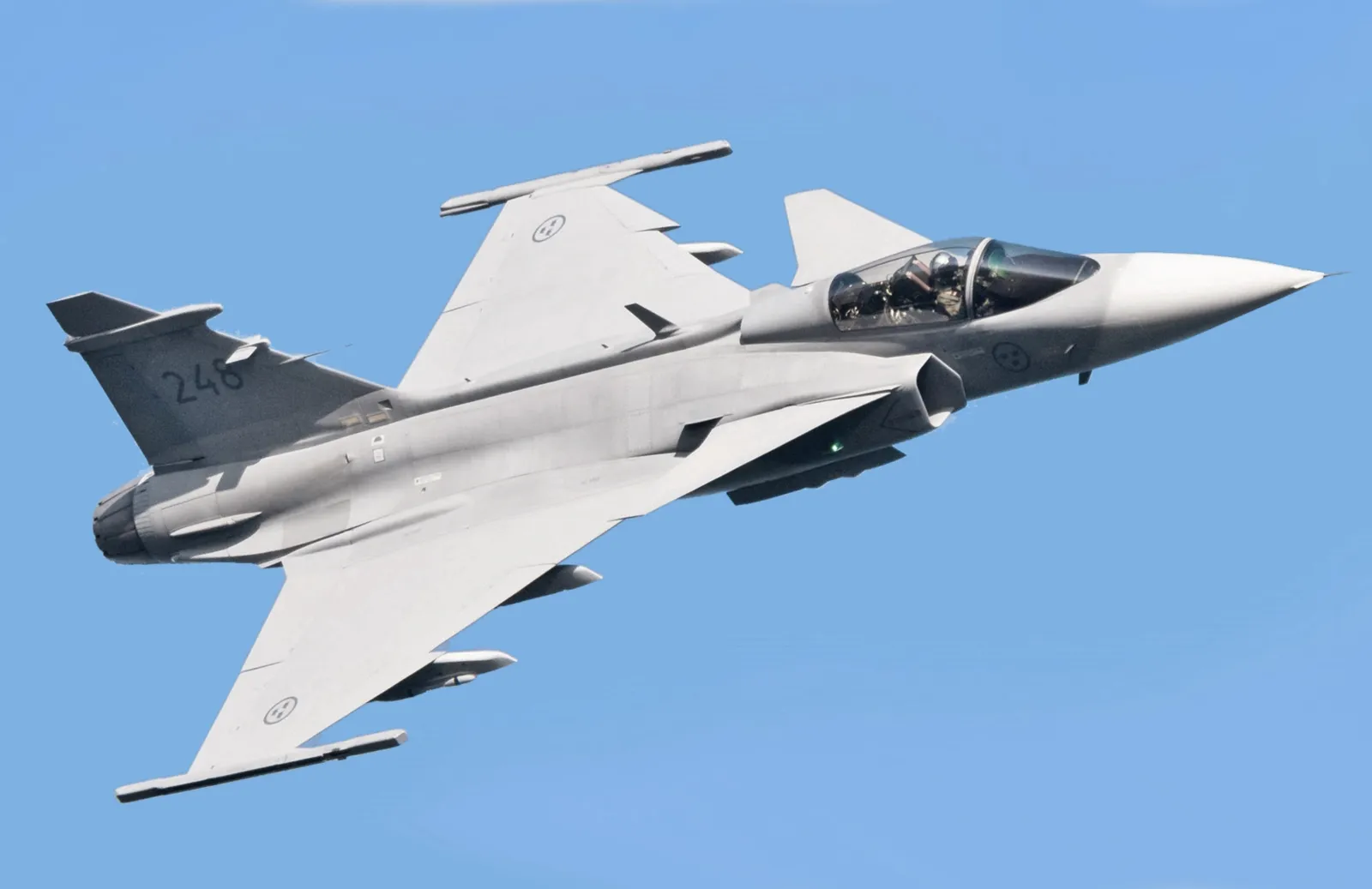
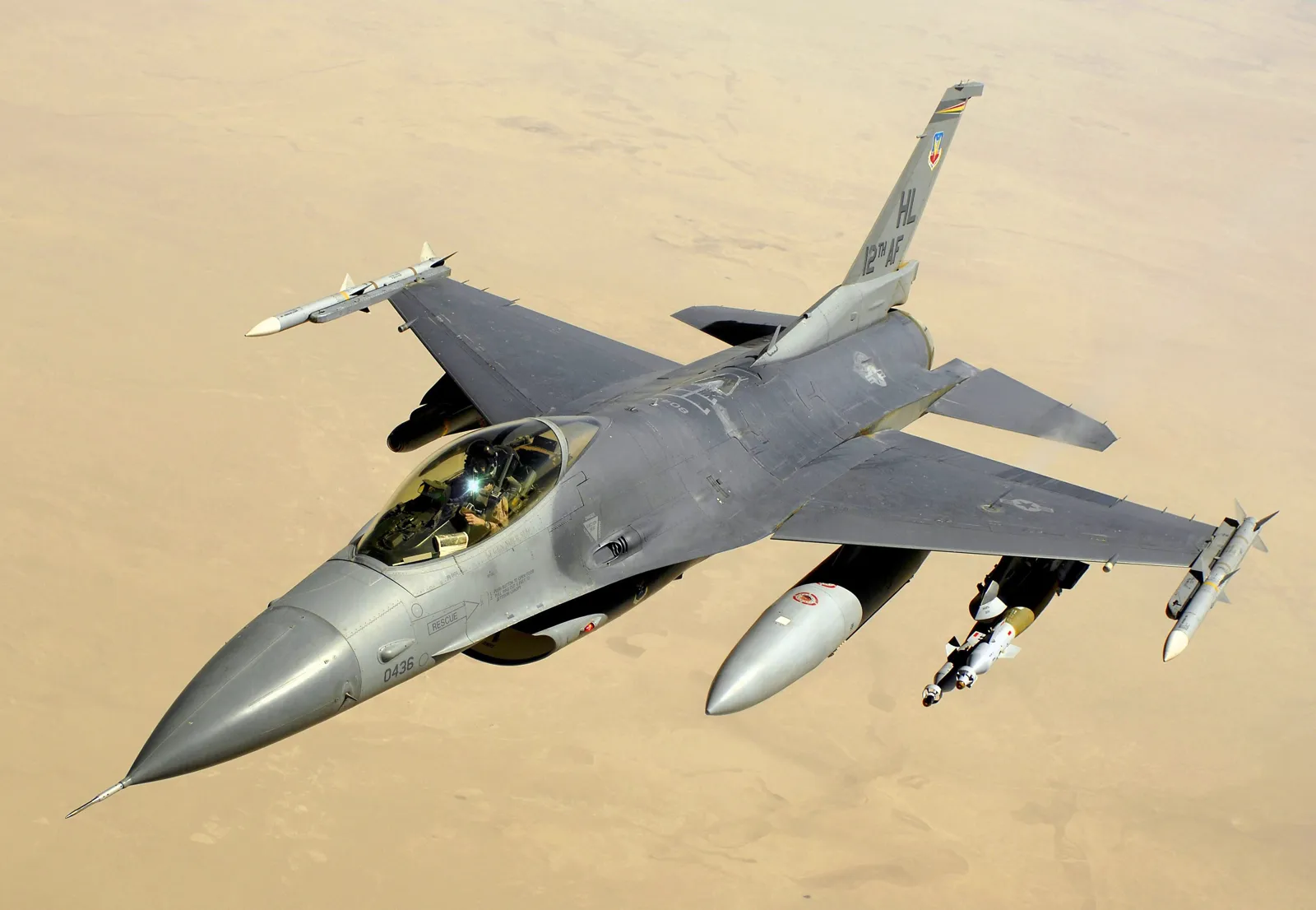
Thailand’s military inventory reflects one of Southeast Asia’s most balanced and multi-sourced armed forces. Long one of the United States’ principal allies in the region, the Royal Thai Armed Forces combine US-origin F-16 and Swedish JAS-39 Gripen fighters, Chinese VT-4 tanks and a light aircraft carrier in a single inventory. A pronounced pivot toward Chinese procurement in recent years stands out as a product of the country’s doctrine of avoiding dependence on any single supplier.
At a Glance
- Active personnel: ≈ 360.000
- Main battle tanks: ≈ 400
- Military aircraft (total): ≈ 560
- Key fighter: JAS-39 Gripen, F-16
- GFP ranking: ≈ 25
- Aircraft carrier: HTMS Chakri Naruebet (1)
Note: The inventory figures below are approximate values drawn from open sources such as Global Firepower, the IISS Military Balance and SIPRI.
About the Thailand Armed Forces
The Royal Thai Armed Forces, with around 360,000 active personnel, form one of Southeast Asia’s largest and best-equipped militaries. Comprising Army, Air Force and Navy, the structure covers a wide mission set driven by internal security duties, historical tensions along the Cambodian border and insurgent activity near the Malaysian frontier. The country’s defence policy rests on balancing a deep-rooted alliance with the US against a rapidly deepening procurement relationship with China.
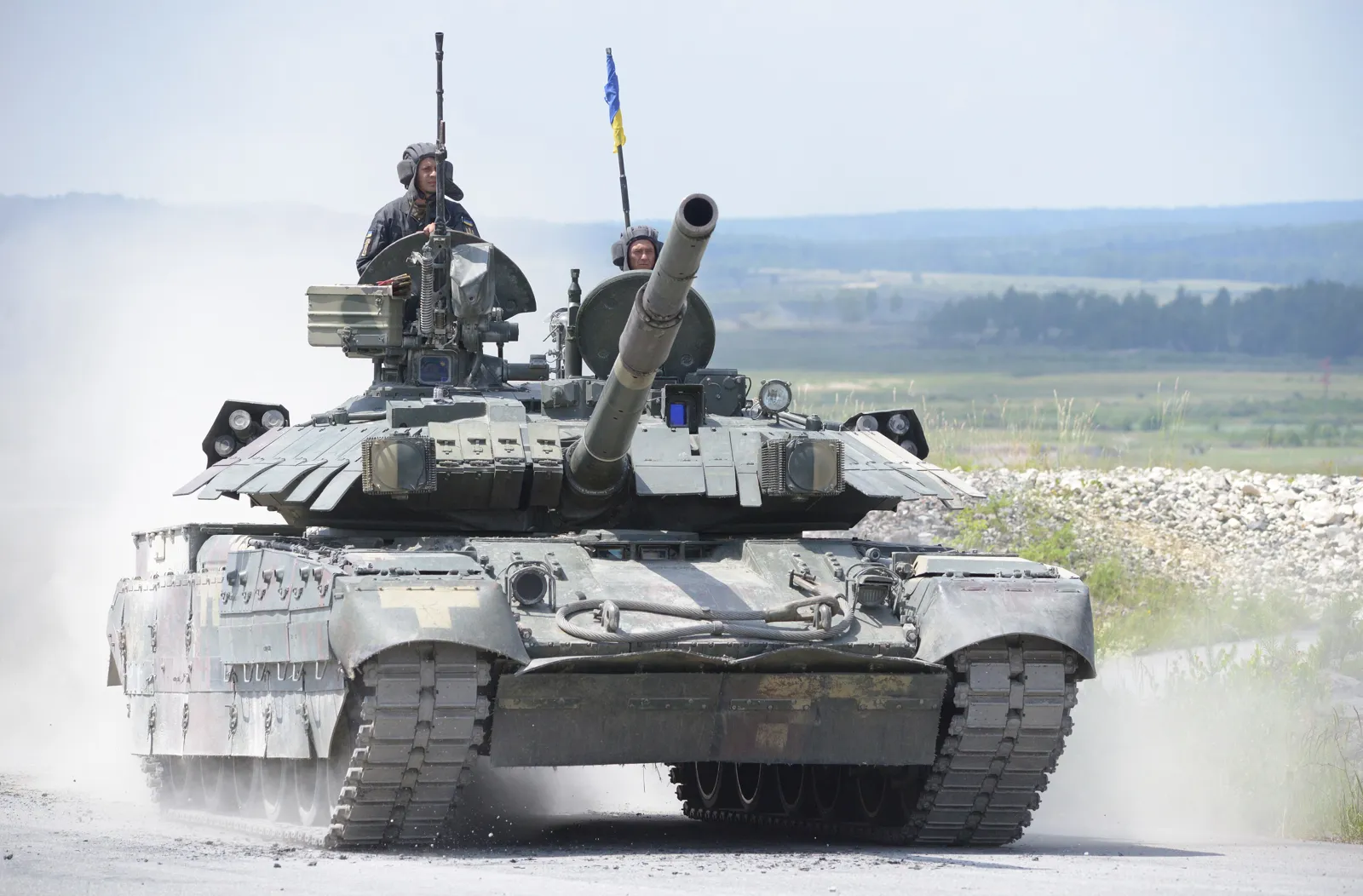
The inventory’s defining feature is the diversity of its sources: F-16s and UH-60s from the US, Gripens and Erieye early-warning aircraft from Sweden, VT-4 tanks and S26T submarines from China, Oplot tanks and BTR-3 armour from Ukraine, and T-50 trainer/light-attack aircraft from South Korea. This multi-source structure gives Thailand flexibility while creating a complex logistics chain in terms of sustainment and integration.
Land Forces Inventory
| System type | Est. quantity |
|---|---|
| Main battle tanks (VT-4, Oplot-T, M60A3, M48A5) | ≈ 400 |
| Armoured fighting vehicles (Stryker, BTR-3E1, VN-1, M113) | ≈ 2.600 |
| Howitzers / self-propelled guns (M109, ATMOS 2000, M198, M114) | ≈ 600 |
| MLRS (DTI-1G, DTI-2, Type 90B) | ≈ 60 |
Air Force Inventory
| Platform | Est. quantity |
|---|---|
| Total military aircraft | ≈ 560 |
| Fighters / multirole (JAS-39C/D Gripen, F-16A/B, F-5TH) | ≈ 90 |
| Attack / trainer (Alpha Jet, T-50TH, AU-23, DA42) | ≈ 100 |
| Helicopters (UH-60, H145M, Mi-17, AH-6, Bell 212) | ≈ 250 |
Missile and Air-Defence Systems
| System | Type / Note |
|---|---|
| Harpoon / RBS-15 / C-802A anti-ship missiles | Naval and coastal strike capability |
| RBS-70 / Igla / QW-2 man-portable air defence | Short-range air defence |
| KS-1C (HQ-12) medium-range air defence (reported) | Point and area air defence |
| Gun air defence (35 mm Oerlikon, 40 mm Bofors) | Short-range point defence |
Naval Power
| Class / Type | Est. quantity |
|---|---|
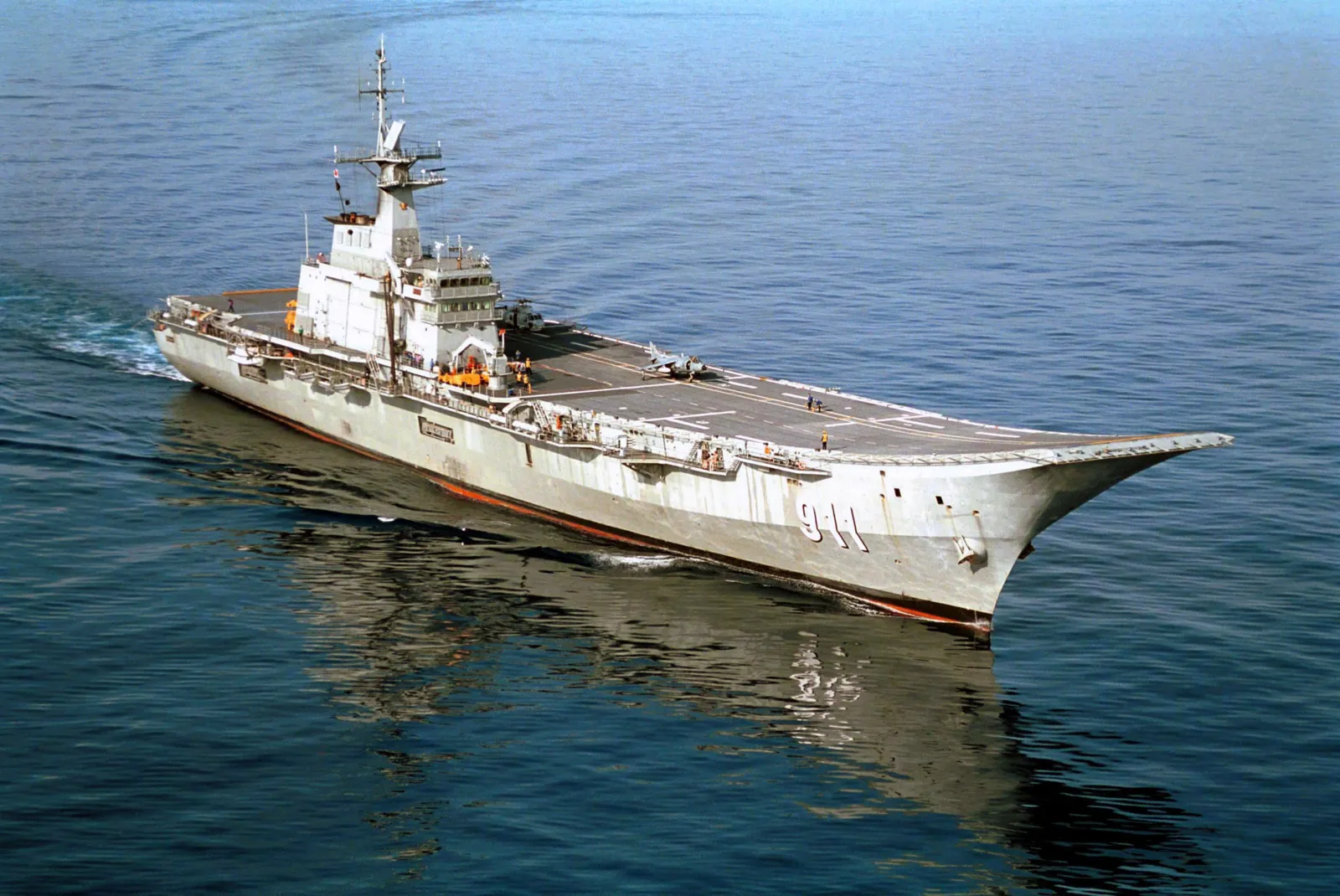
| Aircraft carrier (helicopter carrier) | HTMS Chakri Naruebet — 1 |
| Frigates (Naresuan, Chao Phraya, HTMS Bhumibol Adulyadej) | ≈ 7 |
| Corvettes and offshore patrol vessels (Krabi, Pattani) | ≈ 12 |
| Submarines (S26T on order — delivery delayed) | No operational capability yet |
The Turkey Angle: Turkish Defence Industry
Although it has not yet grown into a large-scale procurement relationship, Thailand is a Southeast Asian market of tangible potential for Turkey’s defence industry. The country’s most distinctive trait is a diversification doctrine that avoids reliance on any single supplier, buying from the US, China, Sweden, Ukraine, Israel and South Korea alike. That doctrine offers a natural entry point for a Turkish industry that attaches no political conditions to exports and is open to technology transfer.
Turkish defence firms sustain their interest in the Thai market by regularly exhibiting at the biennial Defense & Security show in Bangkok. Roketsan’s guided munitions and multiple-launch rocket systems, ASELSAN’s electronic-warfare and electro-optical systems, the armoured vehicles of Otokar and FNSS, and the UAVs of Baykar and TAI all align with Thailand’s modernization and indigenization goals (via the Defence Technology Institute — DTI). While no concrete contract exists yet, regional demand for armed UAVs and armoured vehicles opens a window of opportunity worth tracking from Turkey’s perspective.
Frequently Asked Questions
What is Thailand’s main fighter jet? The Royal Thai Air Force’s most capable fighters are the Swedish-origin JAS-39C/D Gripen and the US-origin F-16A/B; the inventory also includes upgraded F-5TH fighters and Saab 340 Erieye airborne early-warning and control aircraft. This mix makes Thailand one of the region’s most balanced air forces.
Does Thailand have an aircraft carrier? Yes. HTMS Chakri Naruebet is a light aircraft/helicopter carrier built in Spain and commissioned in 1997; it is regarded as one of the smallest carriers in service worldwide. It is currently used mainly for helicopter operations and as a flagship.
Does Thailand have defence cooperation with Turkey? There is no large-scale public procurement contract. However, Turkish defence firms regularly exhibit at defence shows in Bangkok, and Thailand’s multi-source procurement doctrine creates a potential market for Turkish UAVs, guided munitions and armoured vehicles.
Bottom Line
Thailand fields one of Southeast Asia’s most balanced and diversified militaries, complementing US, Chinese, Swedish and Ukrainian systems with a helicopter carrier. Its no-single-supplier doctrine and indigenization goals leave an as-yet-unrealized but worth-watching window of opportunity for a Turkish defence industry that attaches no conditions to exports. The inventory’s strength lies in the flexibility of its multi-source structure.