Tajikistan’s Military Power: How Many Tanks, Aircraft and Helicopters Are in the Inventory? (2026)

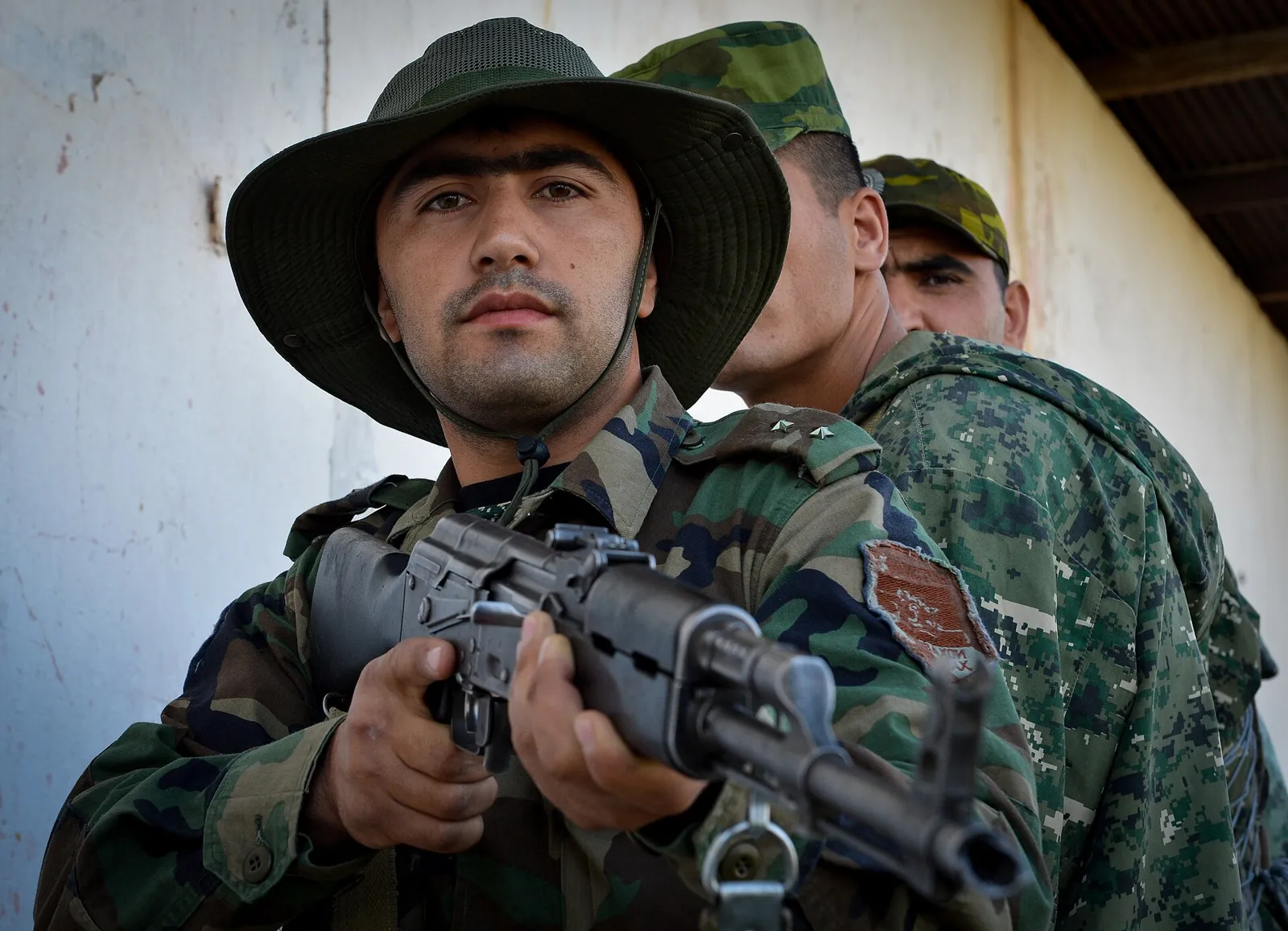
Tajikistan’s military inventory describes a small force shaped less by numbers than by mountain geography, the Afghan border and Russia’s security umbrella. About 8,000 to 9,000 active personnel, roughly 30 to 40 T-72 and T-62 tanks and BMP and BTR armoured vehicles make up land power, while air power consists of Mi-8, Mi-17 and Mi-24 helicopters. Russia’s 201st Military Base in Dushanbe and CSTO membership complete the country’s real security architecture.
At a Glance
- Active personnel: Roughly 8,000 to 9,000 active personnel (approximate IISS value); paramilitary structures such as internal troops, the National Guard and border troops are counted separately. The army is fed by 24 months of conscription
- Main battle tanks: About 30 to 40 tanks, mostly Soviet-legacy T-72 and T-62 (approximate GFP/IISS values)
- Armoured vehicles: BMP-1 and BMP-2 infantry fighting vehicles, BTR-60/70/80 armoured personnel carriers and BRDM-2 reconnaissance vehicles; several hundred armoured vehicles in total
- Military aircraft: Very limited: no combat aircraft; Mi-8/Mi-17 transport and Mi-24 attack helicopters plus a few trainer and transport aircraft
- Navy: None; Tajikistan is a landlocked mountain country. Surveillance of the Panj (Amu Darya) border river is a task for border troops
- Defence budget: Estimated in a band of roughly 150 to 300 million dollars, around 1 to 2 percent of GDP, varying by source. The real security umbrella is Russia’s 201st Military Base in Dushanbe and CSTO membership
Note: The inventory figures below are approximate values drawn from open sources such as Global Firepower, the IISS Military Balance and SIPRI.
About the Tajikistan Armed Forces
The Tajik Armed Forces consist of the Ground Forces and the Air Force and Air Defence; there is no navy. Created after the Soviet collapse in 1991, the army was rebuilt after the 1992-1997 civil war. About 8,000 to 9,000 active personnel are supplemented by paramilitary structures such as internal troops, the National Guard and border troops, which are counted separately. Figures are approximate.
At the centre of Tajik military strategy is the roughly 1,344 km border with Afghanistan. The border runs along the Panj River through rugged mountain terrain, and drug trafficking routes and the risk of infiltration by armed groups set the security agenda. The inventory is therefore oriented less to heavy armour than to mobility, helicopter support and border surveillance.
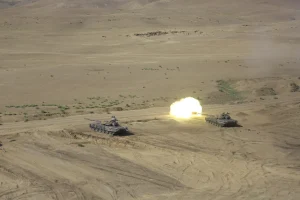
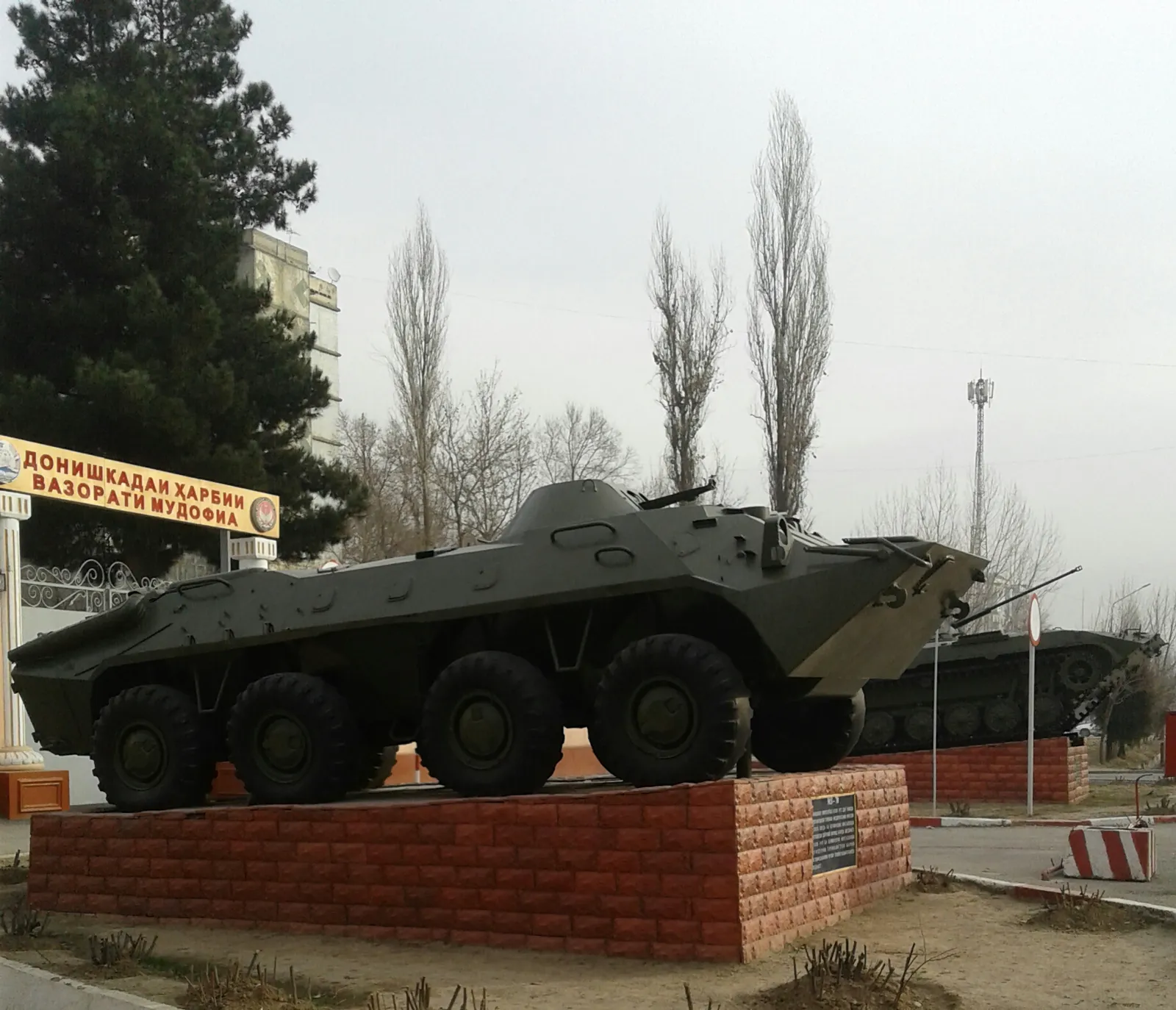
The land inventory is small and old. About 30 to 40 T-72 and T-62 tanks, BMP-1, BMP-2, BTR-60/70/80 and BRDM-2 vehicles come from the Soviet legacy; artillery includes the 2S1 Gvozdika, D-30 and BM-21 Grad. The units that actually carry the army are light infantry, the Mobile Forces and the National Guard.
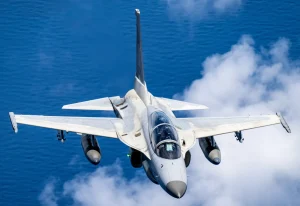
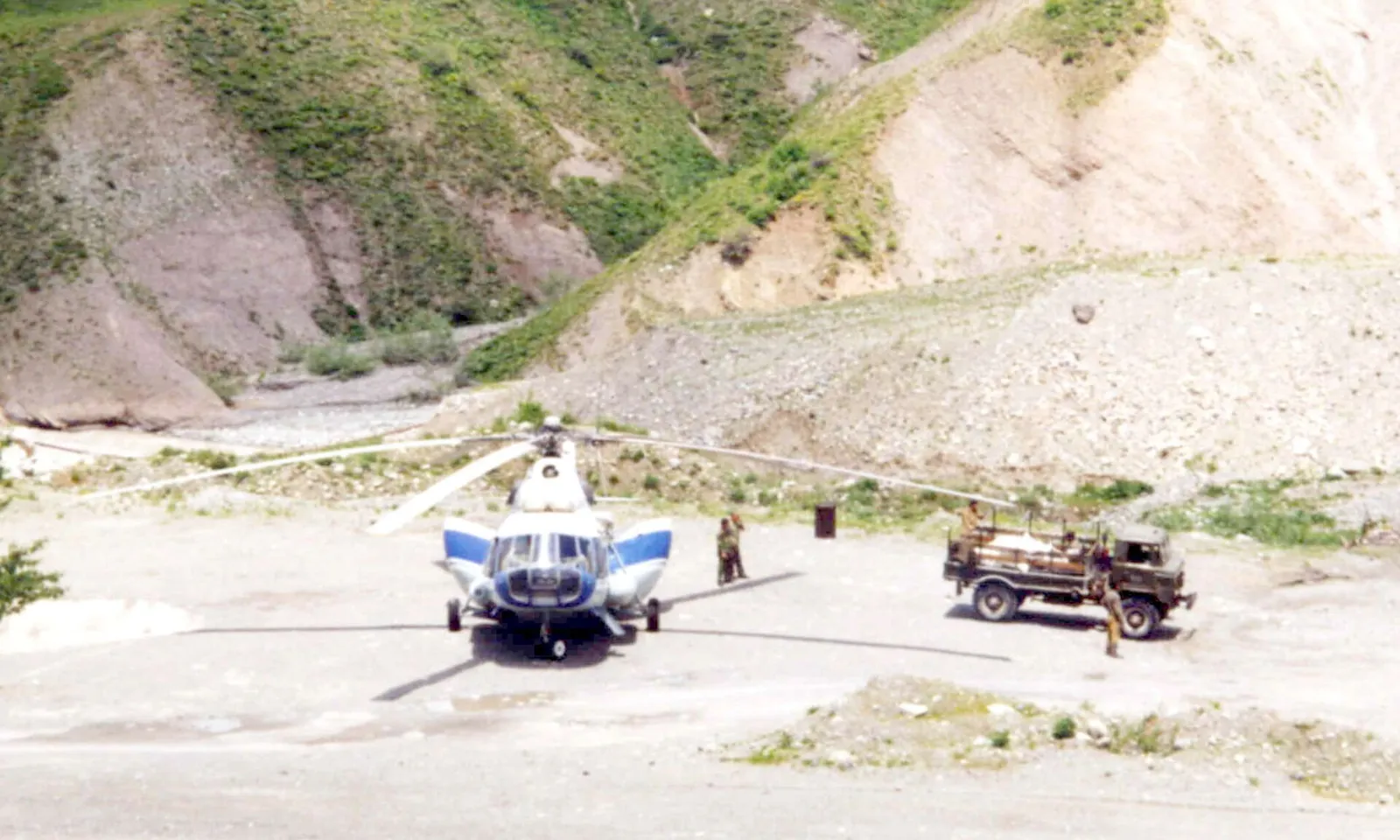
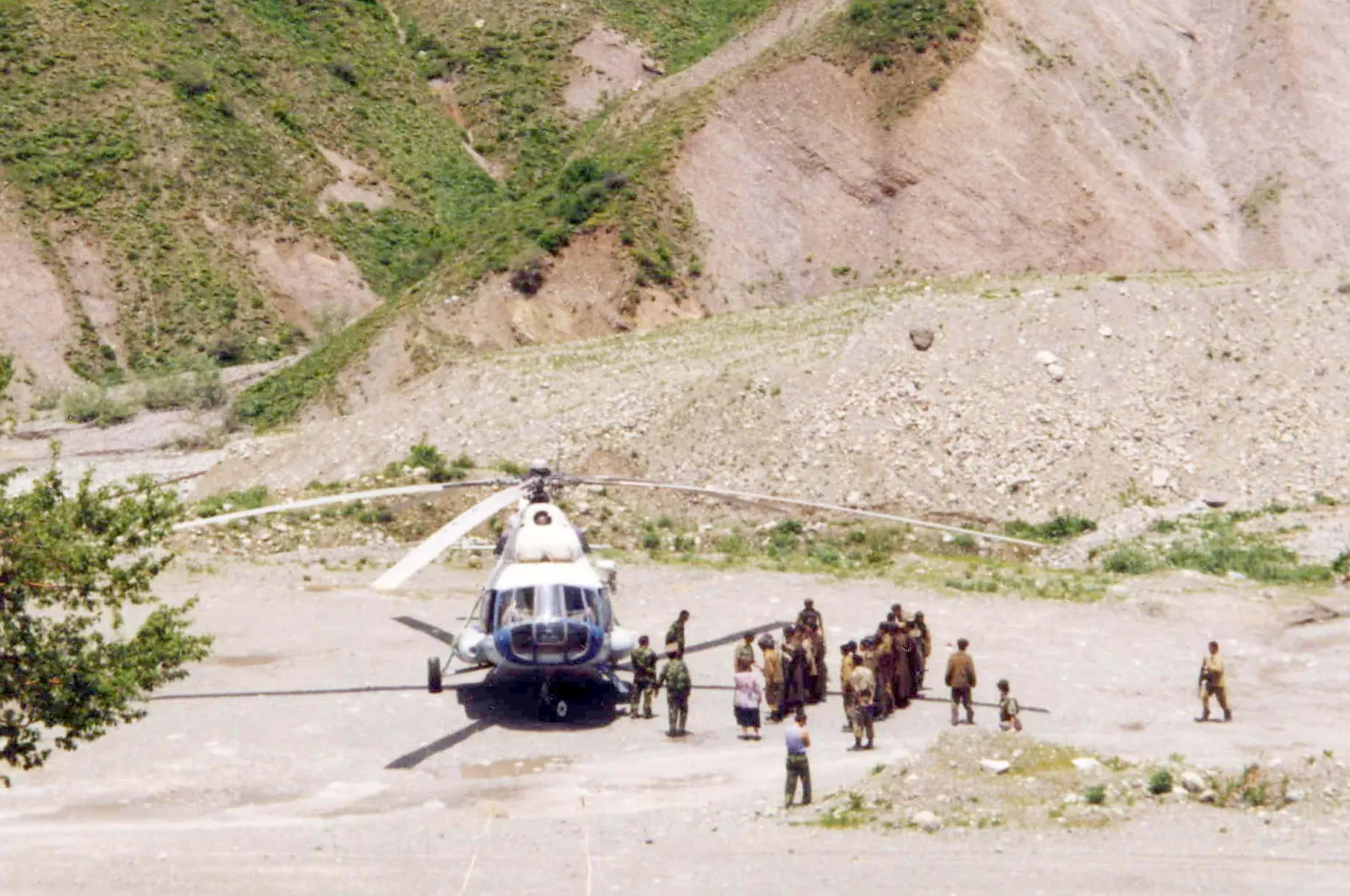
Air power is helicopter-centred: Mi-8 and Mi-17 transport helicopters and a small number of Mi-24 attack helicopters are in service. There are no combat aircraft in the inventory; airspace assurance relies largely on Russia’s regional presence and the CSTO framework.
Air defence consists of Soviet-legacy S-75 and S-125 systems, ZSU-23-4 Shilka and ZU-23-2 anti-aircraft guns and Igla shoulder-fired missiles, most of them old. There is no publicly confirmed ballistic missile inventory. Reports say an Iranian-linked UAV facility opened in the country in 2022; capacity is only partly verified by independent sources.
There is no navy: Tajikistan is a landlocked mountain country. The outer ring of security is Russia’s 201st Military Base, stationed in Dushanbe, Bokhtar and Kulob (about 6,000 to 7,000 personnel; the basing agreement was extended to 2042). Tajikistan is a member of the CSTO, the CIS and the Shanghai Cooperation Organisation.
Land Forces Inventory
| System type | Est. quantity |
|---|---|
| Main battle tanks | About 30 to 40 T-72 and T-62 tanks; long in service with a limited renewal budget. Most of the tanks are held in depots and in garrisons around Dushanbe |
| IFVs and APCs | The BMP-1, BMP-2, BTR-60, BTR-70, BTR-80 and BRDM-2 families; vehicles inherited from the Soviet army and refreshed over time form the backbone of the army |
| Artillery and rocket launchers | 2S1 Gvozdika self-propelled howitzers, D-30 122 mm towed howitzers and BM-21 Grad multiple rocket launchers; limited in number and all of Soviet design |
| Mountain and border forces | The Mobile Forces and the National Guard field light infantry units prepared for mountain conditions; the roughly 1,344 km border with Afghanistan is the main focus of the army |
Air Force Inventory
| Platform | Est. quantity |
|---|---|
| Total military aircraft | Very few aircraft; the Tajik Air Force and Air Defence operates with roughly 1,500 personnel and most of the capacity consists of helicopters |
| Helicopters | Mi-8 and Mi-17 transport helicopters plus a small number of Mi-24 attack helicopters; the main tool for resupply, evacuation and border patrol in mountain terrain |
| Combat aircraft | None. Combat aircraft inherited after the Soviet collapse are effectively out of service; airspace assurance relies largely on Russia’s regional presence and the CSTO framework |
Missile and Air-Defence Systems
| System | Type / Note |
|---|---|
| Air defence | Soviet-legacy S-75 and S-125 systems, ZSU-23-4 Shilka and ZU-23-2 anti-aircraft guns and Igla shoulder-fired missiles; most systems are old and their operational readiness is uncertain |
| Tactical missiles | There is no publicly confirmed ballistic missile inventory; apart from BM-21 Grad rocket launchers and anti-tank missiles there is no heavy strike capability |
| UAVs and newer capabilities | Reports indicate UAV production with a foreign partner in the country (an Iranian-linked Ababil-2 facility opened in 2022); capacity and operational use are only partly verified by independent sources |
Naval Power
| Class / Type | Est. quantity |
|---|---|
| Navy | None. Tajikistan has no access to the sea; the inventory contains no warships, submarines or naval aviation |
| River border | The Panj River forms much of the border with Afghanistan; patrolling is carried out by posts along the riverbank and by border troops |
| Strategic meaning | Tajikistan’s security question is not the sea but mountain passes, drug trafficking routes and the Afghan border; the inventory is therefore weighted towards land forces and helicopters |
The Turkey Angle: Turkish Defence Industry
There is no publicly confirmed defence procurement contract between Tajikistan and Türkiye, and no Turkish-made major weapon system appears in the Tajik inventory. Relations continue on diplomatic, economic and cultural ground; defence contacts have not turned into a concrete contract beyond training and cooperation frameworks.
The regional context is instructive for the Turkish defence industry. Among Central Asian neighbours, Kyrgyzstan bought the Bayraktar TB2 and Kazakhstan worked with TUSAŞ on ANKA production, so there is genuine demand for Turkish platforms in the region. Tajikistan, however, is tied to a Russia-centred security architecture and a Soviet-legacy inventory, so a similar opening would need political will and financing.
Tajikistan’s needs list is oriented to mountain operations, border surveillance and transport: light armoured vehicles, reconnaissance and surveillance UAVs, communications systems and helicopter modernisation are natural headings. Turkish products in these segments could theoretically fit, but this should be assessed within a potential-market framework for now.
In conclusion, Tajikistan is not a direct customer of the Turkish defence industry today but a potential Central Asian market to watch. Rather than invented contracts or claims, the development of regional demand and the country’s security priorities should be followed.
Frequently Asked Questions
How many tanks does Tajikistan have? Tajikistan’s inventory contains about 30 to 40 tanks, mostly Soviet-legacy T-72 and T-62. Figures are approximate values drawn from Global Firepower and IISS.
Does Tajikistan have fighter jets? No. Air power consists of Mi-8, Mi-17 and Mi-24 helicopters and a few trainer and transport aircraft; airspace assurance relies largely on Russia’s regional presence.
Does Tajikistan buy weapons from Türkiye? No publicly confirmed Turkish arms procurement has been reported. Tajikistan should be assessed as a potential market for the Turkish defence industry.
Is there a Russian military base in Tajikistan? Yes. Russia’s 201st Military Base is stationed in Dushanbe, Bokhtar and Kulob; it is reported to host about 6,000 to 7,000 personnel and its basing agreement was extended to 2042.
Does Tajikistan have a navy? No. Tajikistan is a landlocked country and the inventory contains no warships or submarines.
Bottom Line
The Tajik inventory shows a small force shaped by mountain geography, the Afghan border and a Russia-centred security architecture: about 30 to 40 Soviet-legacy tanks, BMP/BTR armoured vehicles and a helicopter-centred air arm, with no combat aircraft and no navy. There is no confirmed defence procurement with Türkiye. For the Turkish defence industry, Tajikistan is today less a direct sale than a potential Central Asian market worth watching.