Kongsberg Wins Contract for Underwater Surveillance and Critical Infrastructure Protection

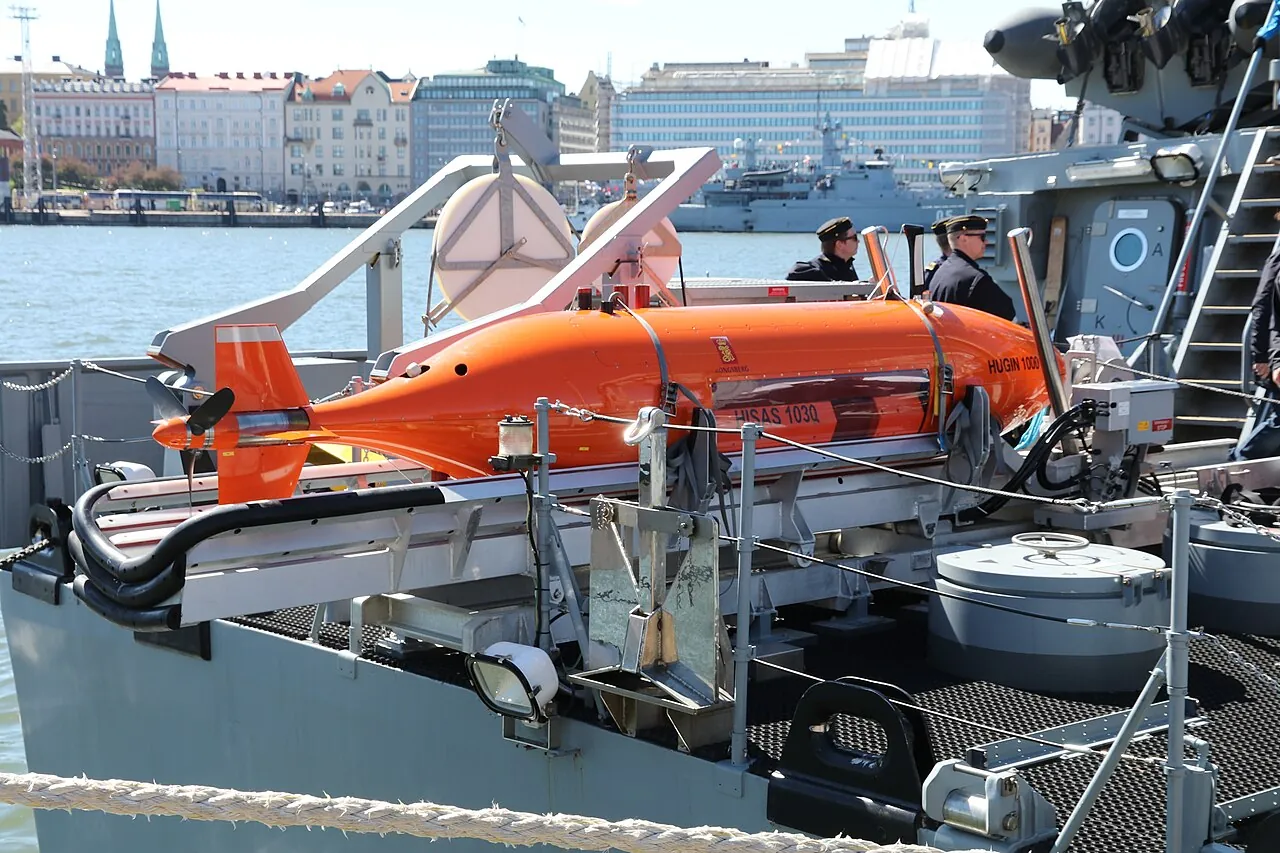
The security of critical infrastructure on the seabed is one of the prominent items on the defense agenda. According to Kongsberg, the company signed a contract with an undisclosed international customer for the protection of critical infrastructure. The project is built primarily on underwater surveillance and protection; the value was not disclosed.
The infrastructure to be protected includes oil and gas installations, telecommunication cables, energy grids, ports and transportation networks. These systems must be protected against a wide range of threats, from cyber-attacks and natural disasters to physical sabotage; in recent years, sabotage incidents targeting undersea cables and pipelines have made this need concrete.
Why Is Seabed Defense on the Agenda?
Modern economies depend heavily on infrastructure that runs under the sea. The overwhelming majority of internet traffic flows through undersea fiber-optic cables; energy is carried between seas by pipelines and power cables. This invisible network is critical but vulnerable, running along the seabed at depths that are hard to monitor.
In recent years, cable and pipeline damage incidents in the Baltic and other seas have shown that seabed infrastructure is a point of vulnerability. As a result, ‘seabed warfare’ has become one of the new priority areas for navies and defense industries. Kongsberg’s contract is a reflection of this rising demand.
HUGIN and the Underwater Surveillance Net
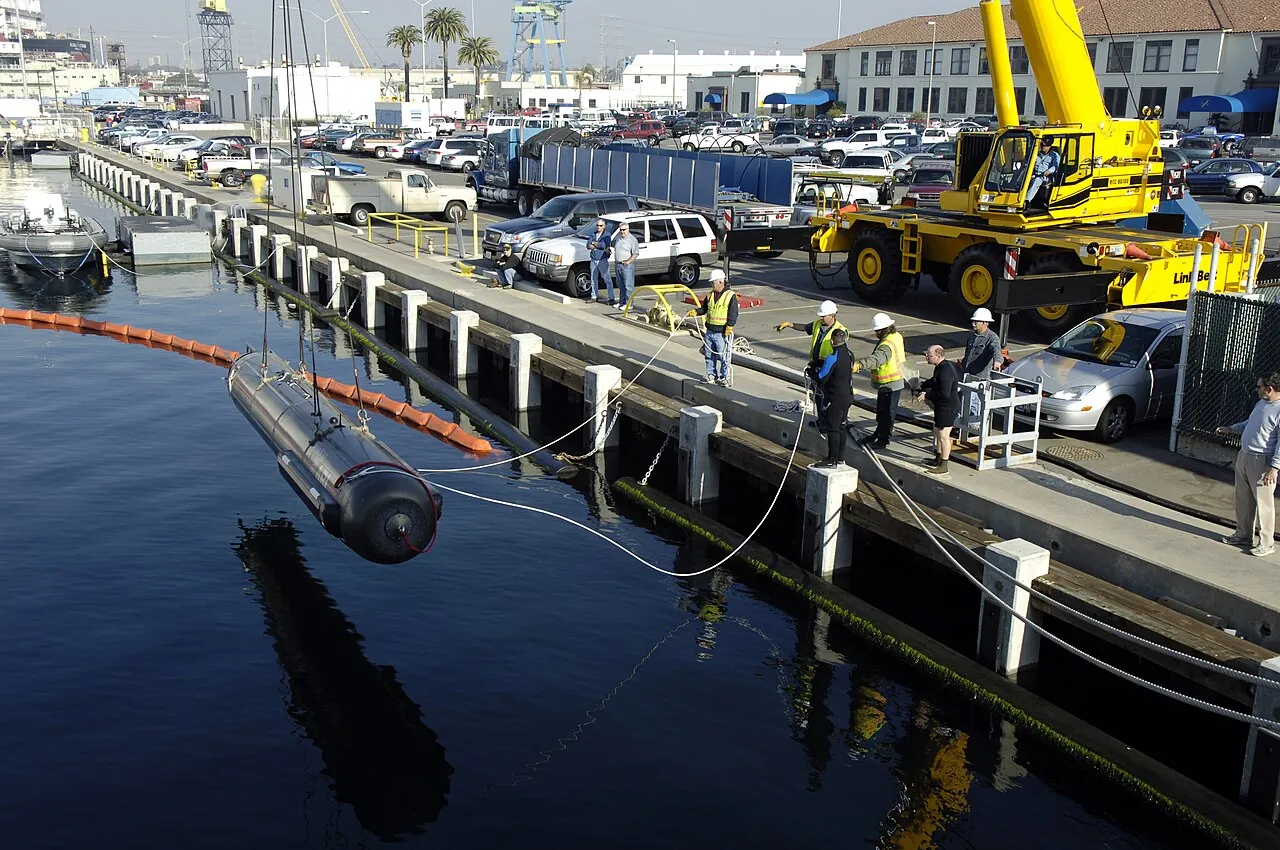
At the center of the system is Kongsberg’s HUGIN autonomous underwater vehicle (AUV). HUGIN can patrol up to 2,200 kilometers per mission and dive to depths of 6,000 meters. Combined with seabed sensors, hydroacoustic systems and satellite inputs, it creates a surveillance net that detects changes, tracks threats and identifies degradation over time.
The data collected is processed with AI and visualization tools; anomalies, changes in infrastructure condition and potential indicators of interference are highlighted. Thus an unusual approach to a cable or pipeline, or damage, can be detected at an early stage. This is a proactive security approach based on continuous monitoring rather than passive protection.
| Item | Detail |
|---|---|
| Maker | Kongsberg (Norway) |
| Contract | Underwater surveillance + critical infrastructure protection |
| Customer | Undisclosed (international) |
| Main platform | HUGIN AUV |
| Range | Up to ~2,200 km per mission |
| Depth | Down to 6,000 meters |
| Sensors | Seabed + hydroacoustic + satellite |
| Processing | AI anomaly detection |
Critical Infrastructure and Maritime Security
Protecting seabed infrastructure is now not just an engineering matter but a security one. Damage to a country’s energy and communication lines under the sea can have economic and strategic consequences. As a result, autonomous underwater vehicles, seabed sensor networks and continuous monitoring systems are a new investment area for navies.
This area shows that unmanned systems are spreading underwater too. What the ‘loyal wingman’ is in the air and unmanned ground vehicles are on land, autonomous underwater vehicles are underwater: monitoring wide areas for long periods without human risk. Kongsberg’s contract is a commercial and operational example of this trend.
For Türkiye: Blue Homeland and Seabed Security
The security of seabed infrastructure is a directly strategic matter for Türkiye. Energy pipelines (such as TANAP and TurkStream) and communication cables pass through the seas around the country; the search for energy in the Eastern Mediterranean increases the importance of seabed infrastructure. The ‘Blue Homeland’ doctrine puts precisely the protection of these maritime jurisdiction areas and infrastructure at its center.
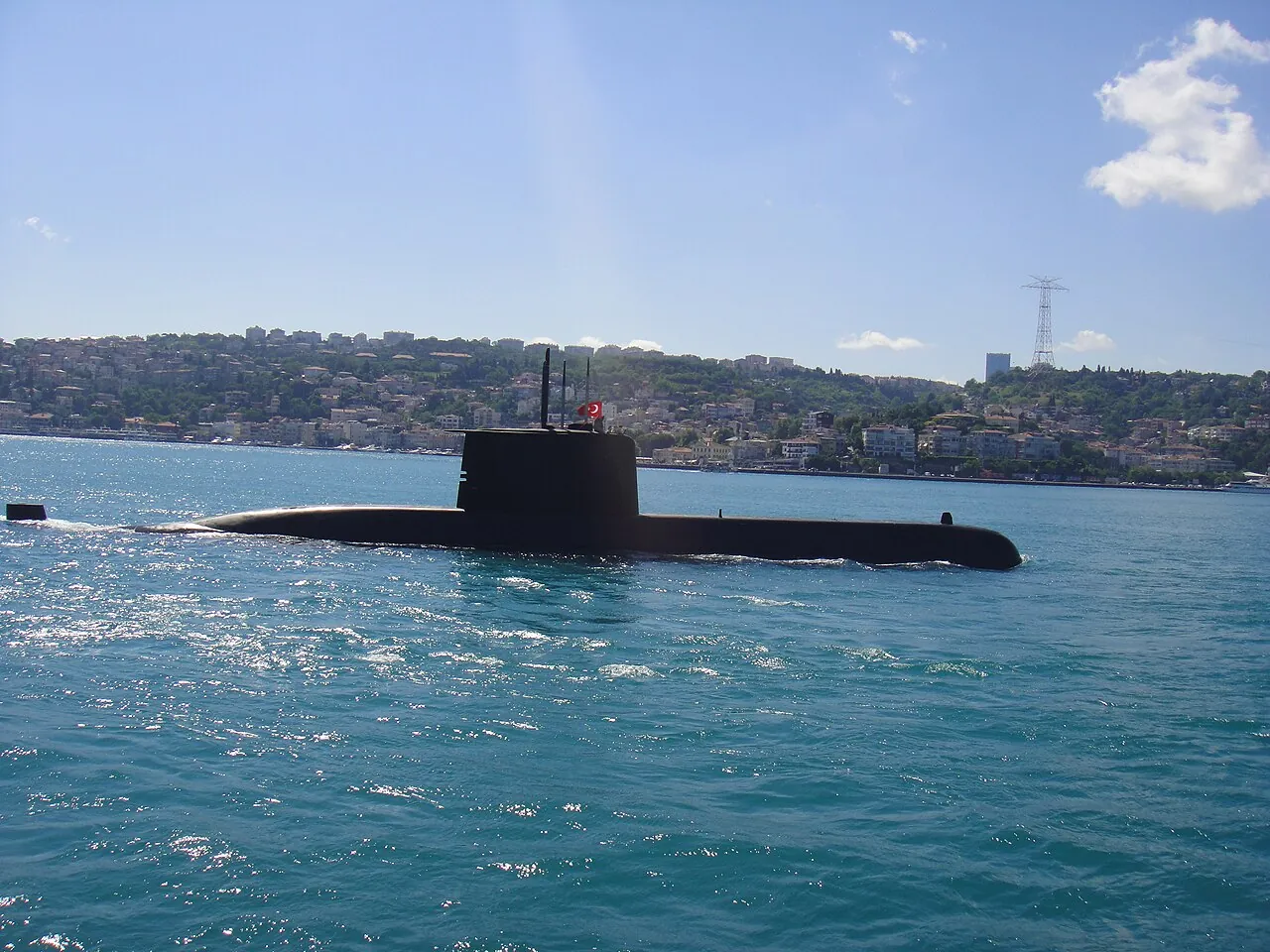
Türkiye is developing indigenous capability in this area. STM and various firms are working on unmanned underwater vehicles, seabed sensors and underwater acoustic systems. The Turkish Navy’s submarine fleet (including the Reis-class Type 214TN) and the indigenous MİLDEN submarine under development form the backbone of undersea awareness.
Kongsberg’s contract shows that seabed defense has become a global priority. For Türkiye, this is both a security need and an industrial opportunity: developing indigenous systems to protect its own pipelines and cables, while also carrying the potential to export these technologies. The seabed is one of the future’s quiet but critical battlespaces.
Frequently Asked Questions
What did Kongsberg win a contract for?
What is HUGIN?
Why does seabed defense matter?
Does Türkiye work in this area?
Conclusion
Kongsberg’s underwater surveillance contract shows that seabed infrastructure security has become a global priority. For Türkiye, this area is both a security need under the Blue Homeland doctrine and an industrial opportunity to develop indigenous underwater systems; protecting energy and communication lines is a quiet but critical dimension of future maritime security.