The Philippines’ Military Strength: Tanks, Jets and Warships (2026)

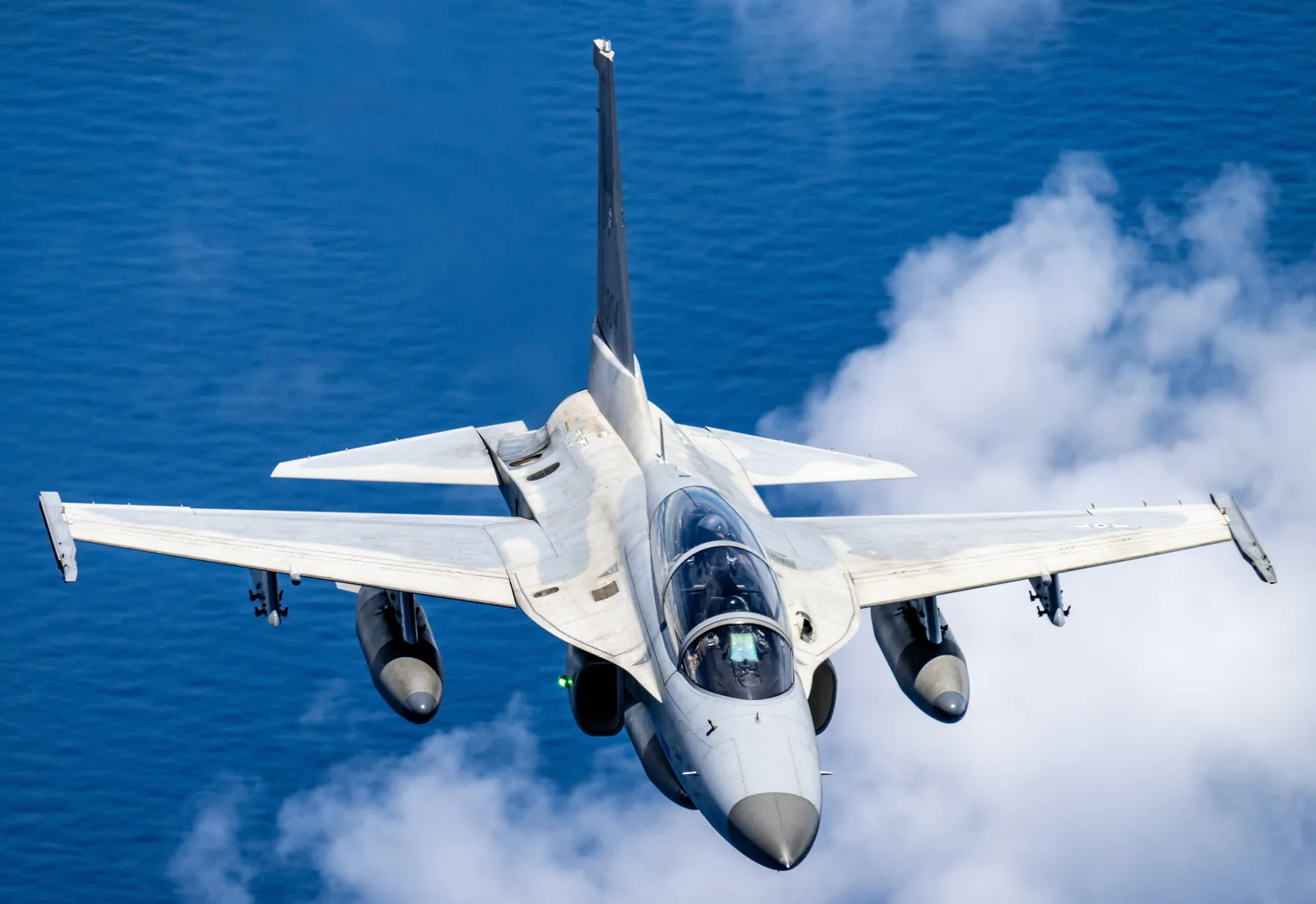
The Philippines’ military inventory reflects the shift of a force that spent decades focused on internal security and counter-insurgency toward maritime security and external deterrence over the past decade. The Armed Forces of the Philippines are modernizing by adding South Korean FA-50PH light combat aircraft, Israeli-built Sabrah light tanks, new Jose Rizal-class frigates and Indian-supplied BrahMos supersonic missiles. The backbone of its attack-helicopter fleet is the Turkish T129 ATAK.
At a Glance
- Active personnel: ≈ 145.000
- Light tanks (Sabrah): ≈ 28
- Military aircraft (total): ≈ 180
- Key combat aircraft: FA-50PH
- GFP ranking: ≈ 48
- Submarines: None
Note: The inventory figures below are approximate values drawn from open sources such as Global Firepower, the IISS Military Balance and SIPRI.
About the Philippines Armed Forces
The Armed Forces of the Philippines, with around 145,000 active personnel, form a mid-sized regional structure. Comprising Army, Air Force and Navy, the military was shaped for decades by internal-security operations against insurgent groups in the south. However, sovereignty disputes and rising tensions in the South China Sea have pushed Manila from a classic internal-security doctrine toward an externally-oriented modernization programme.
The inventory’s defining feature is a multi-sourced modernization that gathered pace over the past decade: FA-50PH fighters and Jose Rizal-class frigates from South Korea, Sabrah light tanks and SPYDER air defence from Israel, BrahMos coastal missiles from India and T129 ATAK attack helicopters from Turkey. Advancing under the phased ‘Horizon’ modernization plan, these acquisitions are moving the Philippines out of traditional US dependence toward a multi-source procurement structure. The country still operates no submarines; that capability remains a long-term goal.
Land Forces Inventory
| System type | Est. quantity |
|---|---|
| Light tanks (Elbit Sabrah) | ≈ 28 |
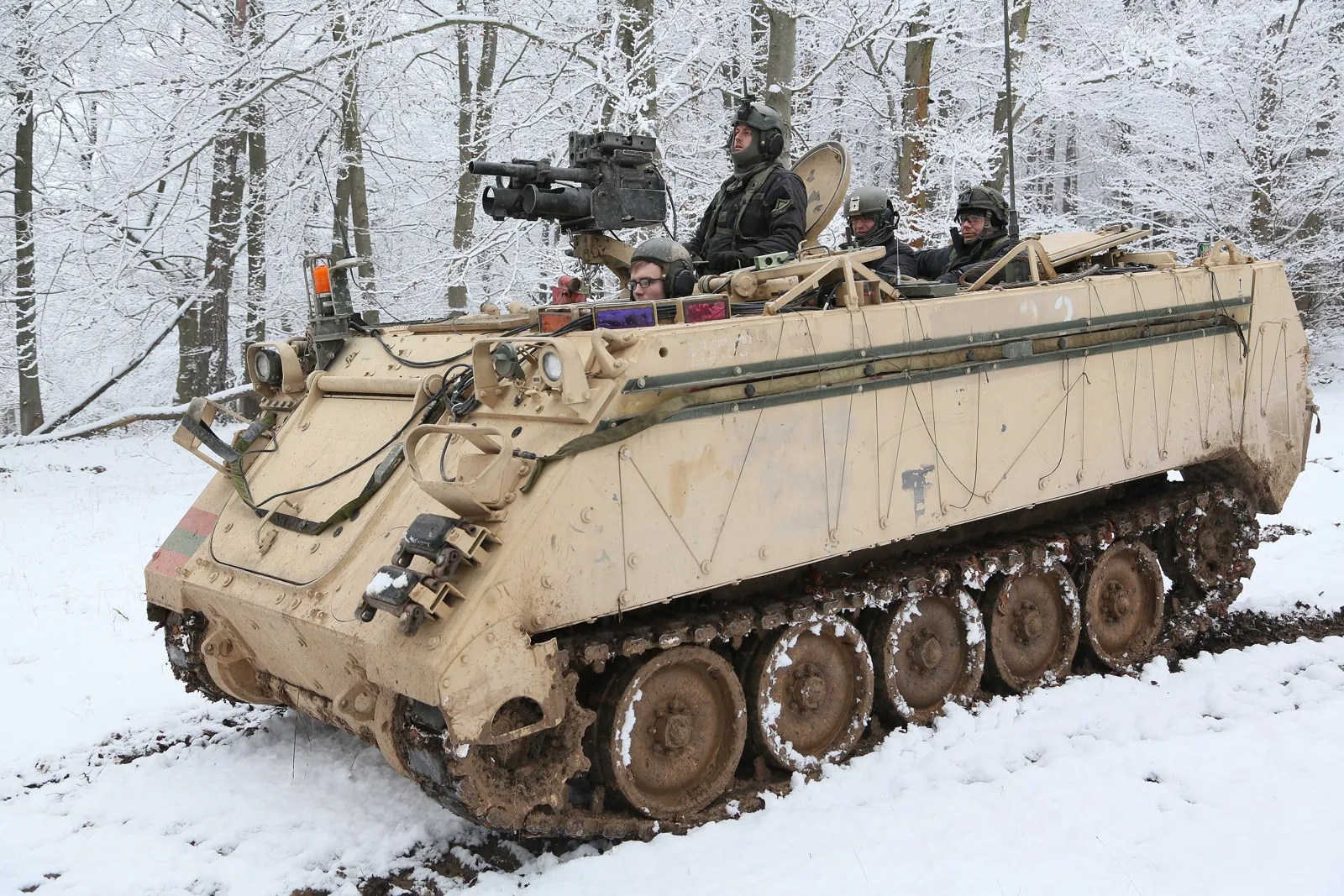
| Armoured fighting vehicles (M113, ACV-300, GKN Simba, Sabrah IFV) | ≈ 600 |
| Howitzers / towed guns (ATMOS 2000 155 mm, M114, Soltam M-71) | ≈ 280 |
| Coastal cruise-missile battery (BrahMos) | 3 batteries |
Air Force Inventory
| Platform | Est. quantity |
|---|---|
| Total military aircraft | ≈ 180 |
| Combat / light combat (FA-50PH, A-29 Super Tucano) | ≈ 25 |
| Transport / trainer (C-130H, NC-212i, C-295 on order) | ≈ 40 |
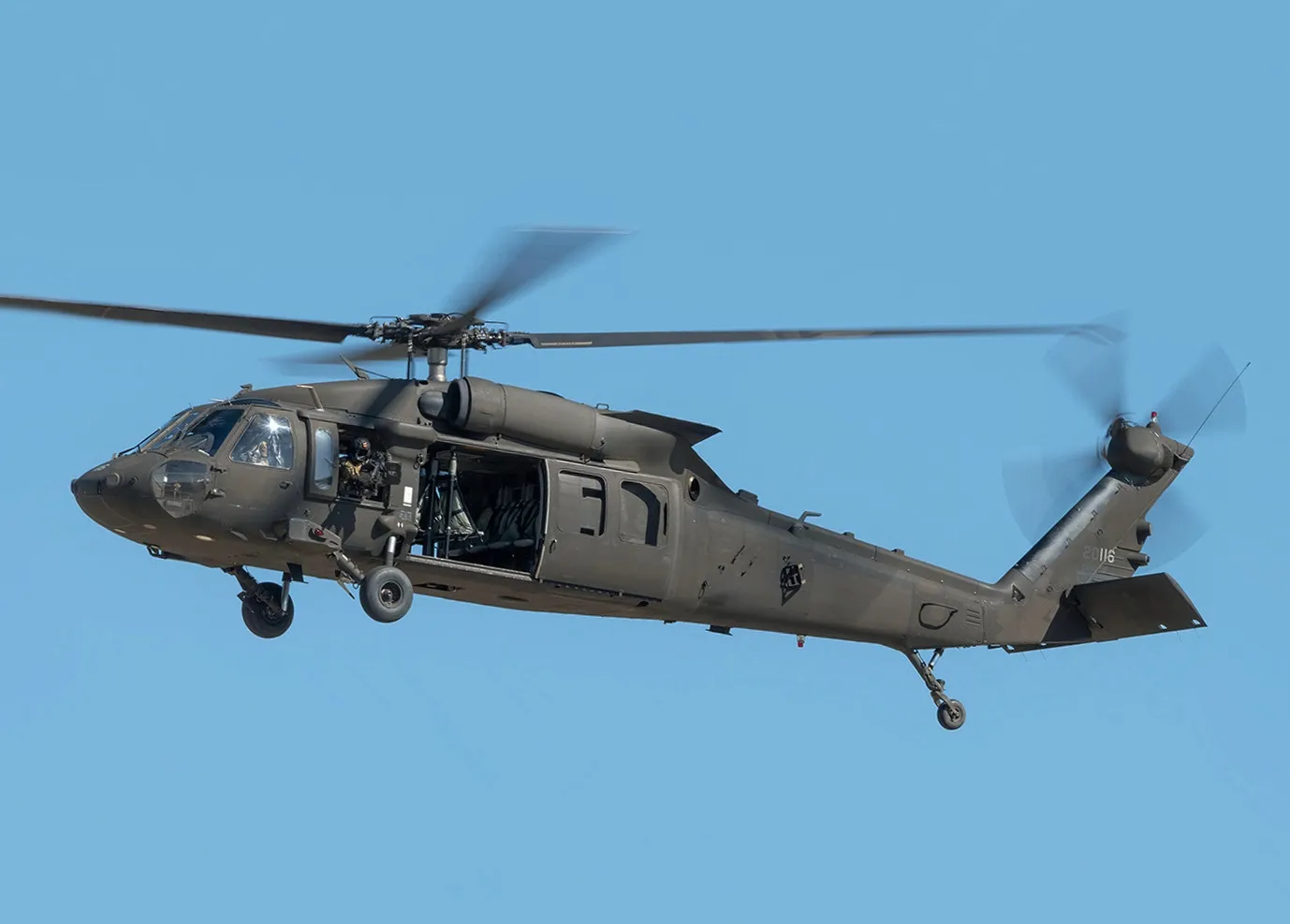
| Helicopters (T129 ATAK, S-70i Black Hawk, AW109, AW159, Bell 412) | ≈ 90 |
Missile and Air-Defence Systems
| System | Type / Note |
|---|---|
| BrahMos supersonic anti-ship / coastal cruise missile (India) | Strategic coastal strike capability |
| SPYDER short-to-medium-range air defence (Israel) | Point and area air defence |
| Man-portable air defence (Mistral / Igla limited) | Short-range air defence |
| AGM-65 Maverick / Spike-ER air-launched precision munitions | Precision strike capability |
Naval Power
| Class / Type | Est. quantity |
|---|---|
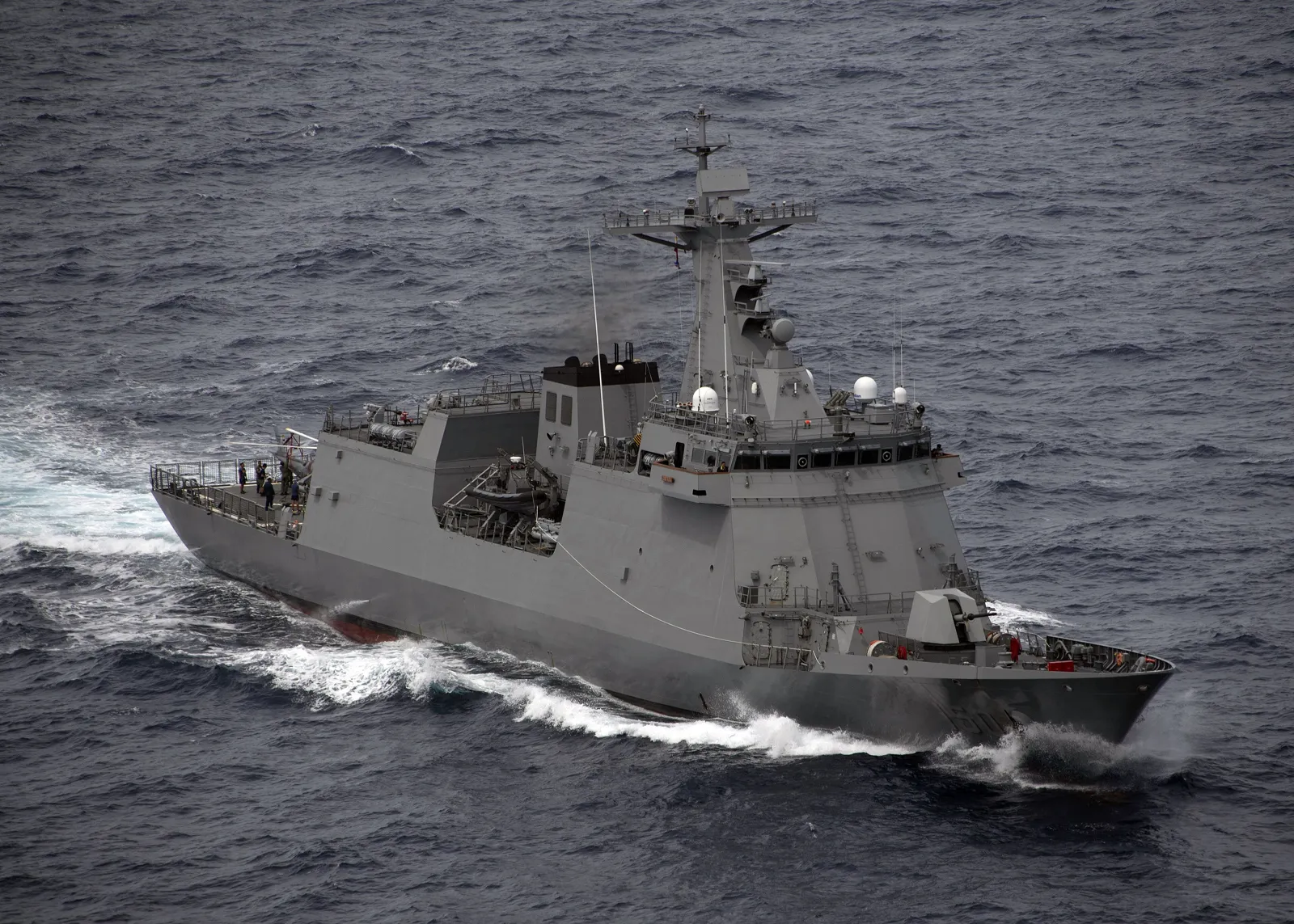
| Frigates (Jose Rizal-class) | ≈ 2 |
| Corvettes (Miguel Malvar / HDC-3100 class) | ≈ 2 |
| Patrol vessels (Del Pilar-class — ex-Hamilton cutters) | ≈ 3 |
| Landing platform docks (Tarlac-class LPD) | ≈ 2 |
The Turkey Angle: Turkish Defence Industry
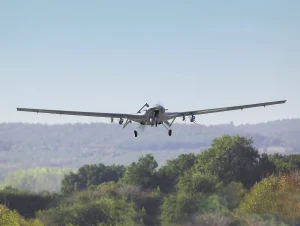
The Philippines hosts one of the most concrete success stories of Turkey’s defence industry in Southeast Asia. The Philippine Air Force’s attack-helicopter requirement was met with Turkish Aerospace’s (TAI) T129 ATAK under a contract signed in 2020. This roughly six-unit programme was recorded as one of the most important export successes of the T129 ATAK; the first deliveries took place in 2022. The ATAK helicopters provide the Philippine military with a critical close-air-support capability for both counter-insurgency in the south and external deterrence missions.
The potential of the cooperation is not limited to the attack helicopter. The Philippines’ maritime-security and reconnaissance-surveillance needs create a natural demand space for Turkish UAVs such as the Bayraktar TB2 and Akinci. Roketsan’s guided munitions, ASELSAN’s electro-optical and electronic-warfare systems, and naval platforms such as the ADA-class corvette and Istanbul-class frigate are options aligned with Manila’s multi-source procurement doctrine. With unconditional exports, openness to technology transfer and rapid delivery, the Turkish model offers a procurement foundation that matches the Philippines’ modernization timeline.
Frequently Asked Questions
What is the Philippines’ main fighter jet? The Philippine Air Force’s most capable combat aircraft are the South Korean-origin FA-50PH light combat aircraft. The country currently operates no heavy multirole fighter; air-to-air and air-to-ground missions are handled mainly by the FA-50PH fleet, while assessments continue for the acquisition of a more capable multirole fighter.
Does the Philippines have submarines? No. The Philippine Navy currently operates no submarines. Its naval power is built around Jose Rizal-class frigates, new Miguel Malvar-class corvettes and Del Pilar-class patrol vessels; a submarine capability remains among its long-term modernization goals.
Does the Philippines have defence cooperation with Turkey? Yes, a concrete one. Under a contract signed in 2020, the Philippines procured roughly six T129 ATAK attack helicopters from Turkish Aerospace, with first deliveries in 2022. This programme is one of the most important export successes of the T129 ATAK.
Bottom Line
The Philippines is undergoing a notable modernization that, under the pressure of tensions in the South China Sea, is shifting a decades-long internally-focused military toward external deterrence and maritime security. The FA-50PH, Jose Rizal-class frigates, BrahMos coastal missiles and T129 ATAK helicopters symbolize this transformation. For Turkey the country is not merely a potential market but an already-realized export success: the T129 ATAK contract is one of the most concrete footholds of the Turkish defence industry in Southeast Asia. The inventory’s future depends on how missing capabilities such as a multirole fighter, submarines and UAVs are filled under a multi-source procurement doctrine.