Portugal’s Military Power: How Many Tanks, Aircraft and Warships Are in the Inventory? (2026)

Portugal’s military inventory describes an armed force built on Atlantic geography and NATO compatibility rather than numbers. About 25,000 to 27,000 active personnel, roughly 37 Leopard 2A6 tanks and Pandur II and M113 armoured vehicles make up land power, but the real weight lies in maritime and air surveillance: F-16 MLU fighters, P-3C CUP+ and C-295 patrol aircraft, five frigates and two submarines. The Azores and Madeira make Portugal an indispensable point in NATO’s Atlantic security.
At a Glance
- Active personnel: Roughly 25,000 to 27,000 active personnel; gendarmerie structures such as the National Republican Guard (GNR) are counted separately. Portugal was a founding NATO member in 1949 and its armed forces are fully professional volunteers
- Main battle tanks: About 37 Leopard 2A6 (approximate GFP/IISS values); the core of the Mechanised Brigade
- Armoured vehicles: The Pandur II 8×8 family, M113 tracked vehicles, Chaimite V200 and VAMTAC light tactical vehicles; several hundred armoured vehicles in total
- Artillery: Limited: M109A5 self-propelled howitzers plus towed 155 mm and 105 mm guns
- Military aircraft: About 110 aircraft: F-16 MLU fighters, P-3C CUP+ and C-295 maritime patrol aircraft, KC-390 and C-130 transports and EH101 helicopters
- Defence budget: Roughly 4 to 5 billion dollars; around 1.5 to 2 percent of GDP. Portugal’s strategic weight comes less from budget than from Atlantic geography, namely the Azores and Madeira
Note: The inventory figures below are approximate values drawn from open sources such as Global Firepower, the IISS Military Balance and SIPRI.
About the Portugal Armed Forces
The Portuguese Armed Forces consist of the Army, Navy and Air Force. A founding NATO member in 1949, the country abolished conscription from the 1990s and moved to a fully professional force. About 25,000 to 27,000 active personnel serve, while the gendarmerie-type GNR is counted separately. Figures are approximate.
The Atlantic sits at the centre of Portuguese military strategy: the Azores and Madeira archipelagos give the country one of Europe’s largest Exclusive Economic Zones. Lajes Air Base, in cooperation with the United States, is a critical stop on the Atlantic crossing. The inventory therefore prioritises maritime and air surveillance, search and rescue and sea-lane security.
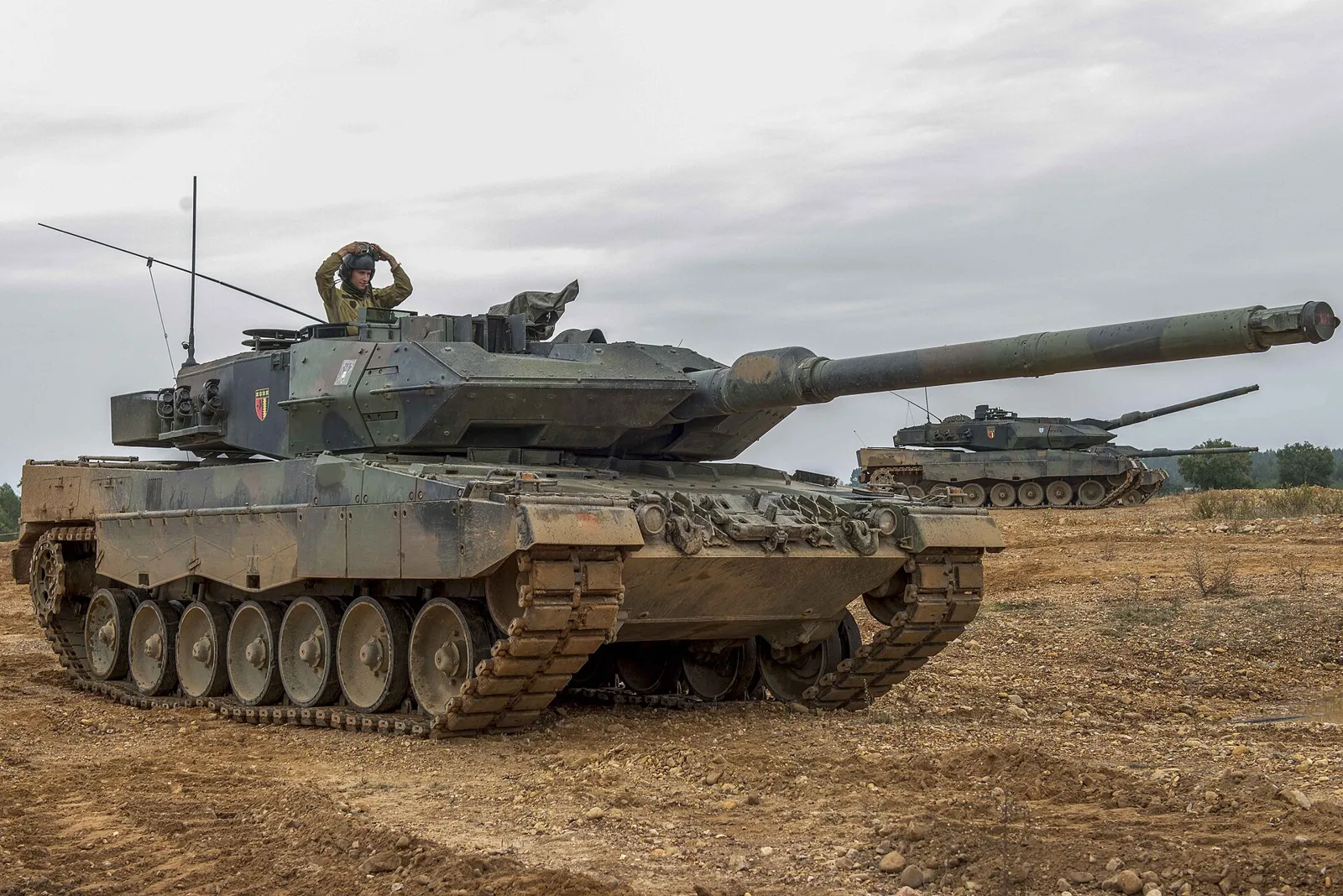
The land inventory is small but NATO-compatible. About 37 Leopard 2A6 tanks form the core of the Mechanised Brigade, Pandur II 8×8 vehicles are the backbone of the Intervention Brigade, and M113s and M109A5 howitzers complete the inventory. The Rapid Reaction Brigade houses commando and paratrooper units.
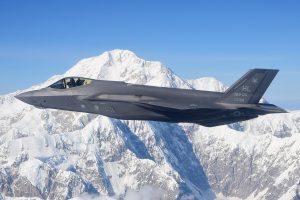
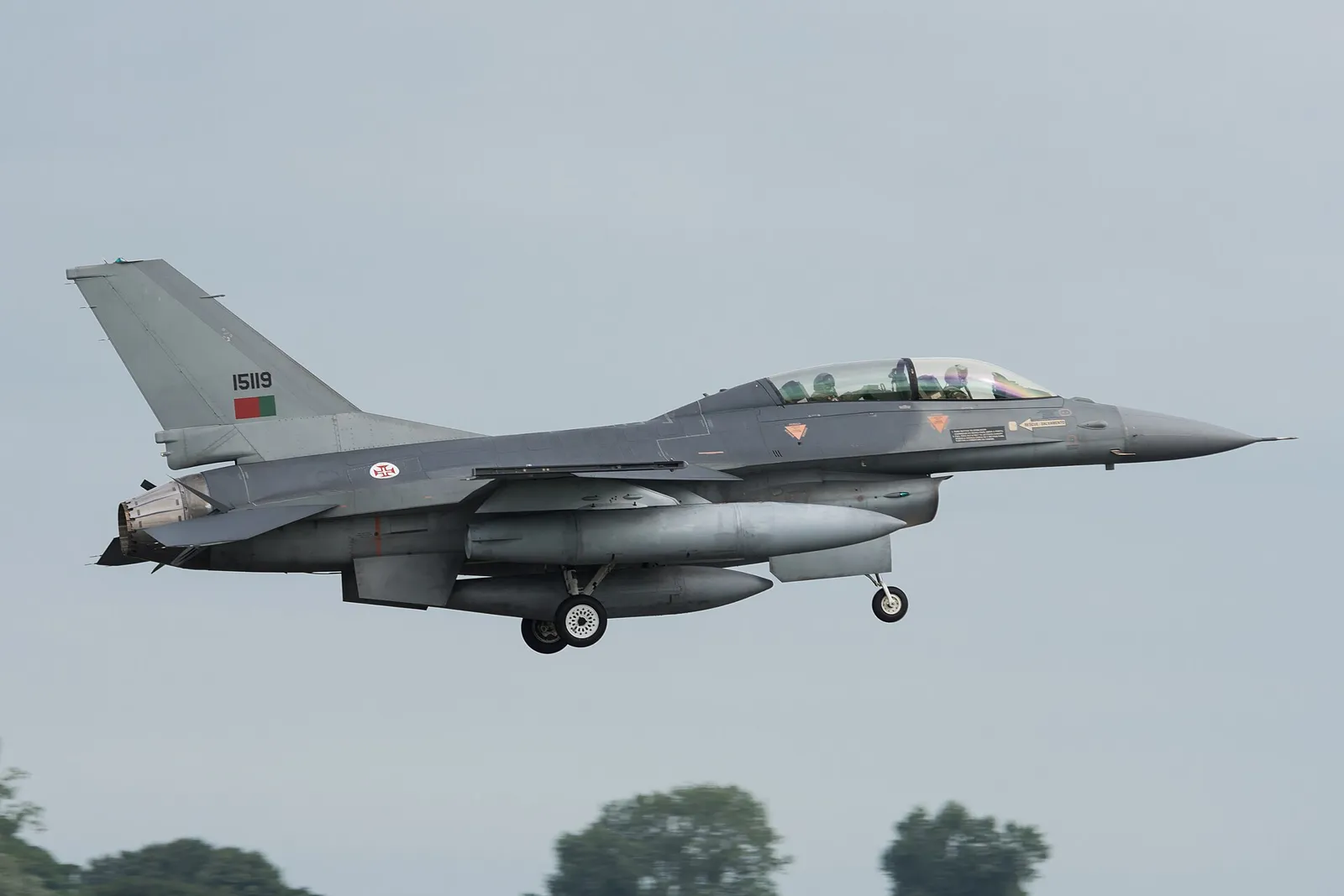
At the centre of air power is the F-16AM/BM MLU Block 20 fleet; the number varies after sales to Romania but sits in a range of roughly 25 to 30 aircraft. Also in service are 5 P-3C CUP+ Orions, C-295 and Embraer KC-390 Millennium transports and AW101 Merlin helicopters. The KC-390 is a product of Portugal’s industrial partnership with Embraer.
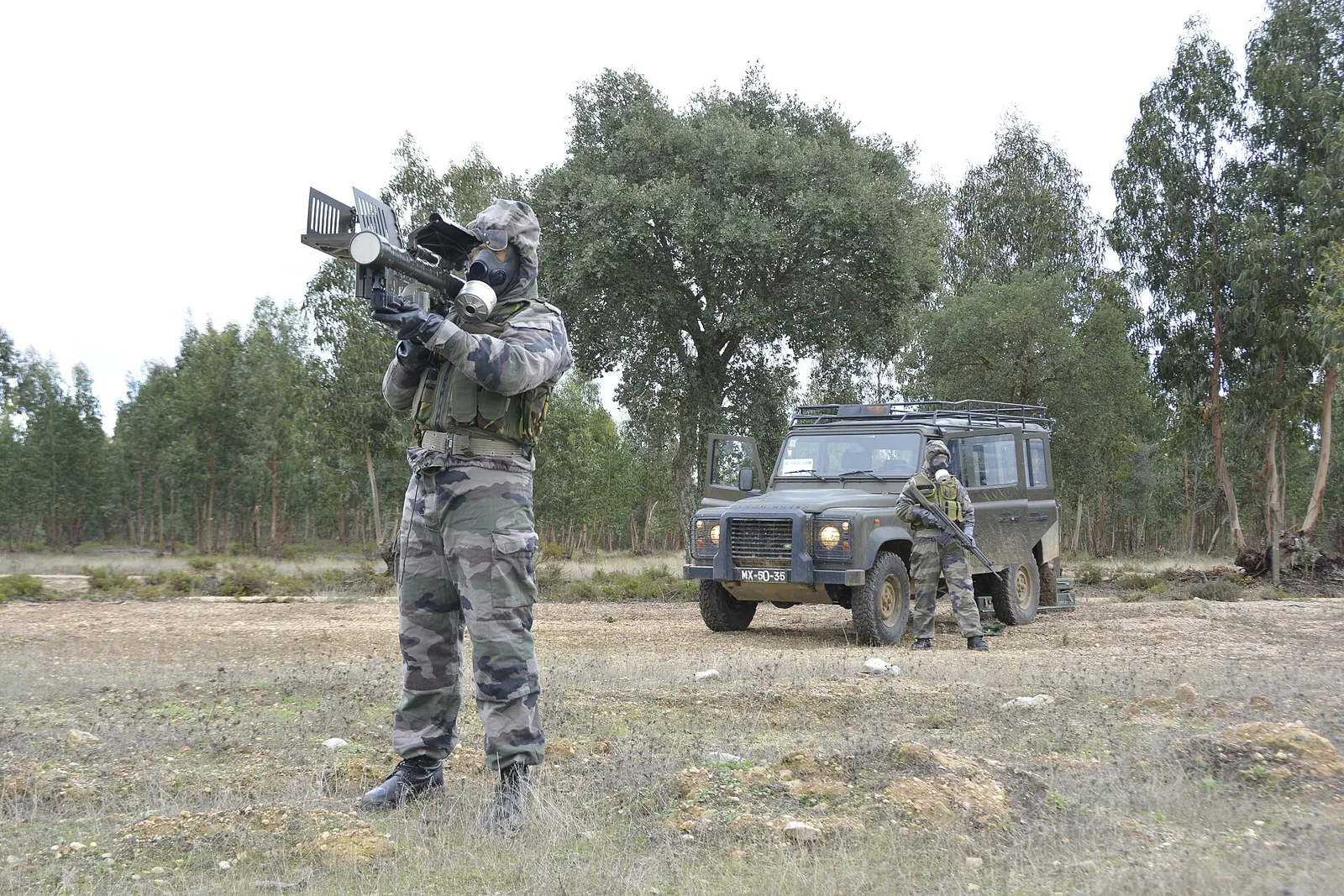
In missiles and air defence Portugal has no heavy system of its own: Stinger shoulder-fired missiles and Rheinmetall 20 mm anti-aircraft guns are deployed in the Azores and Madeira. Harpoon anti-ship missiles are carried on frigates and submarines. There are no ballistic missiles in the inventory.
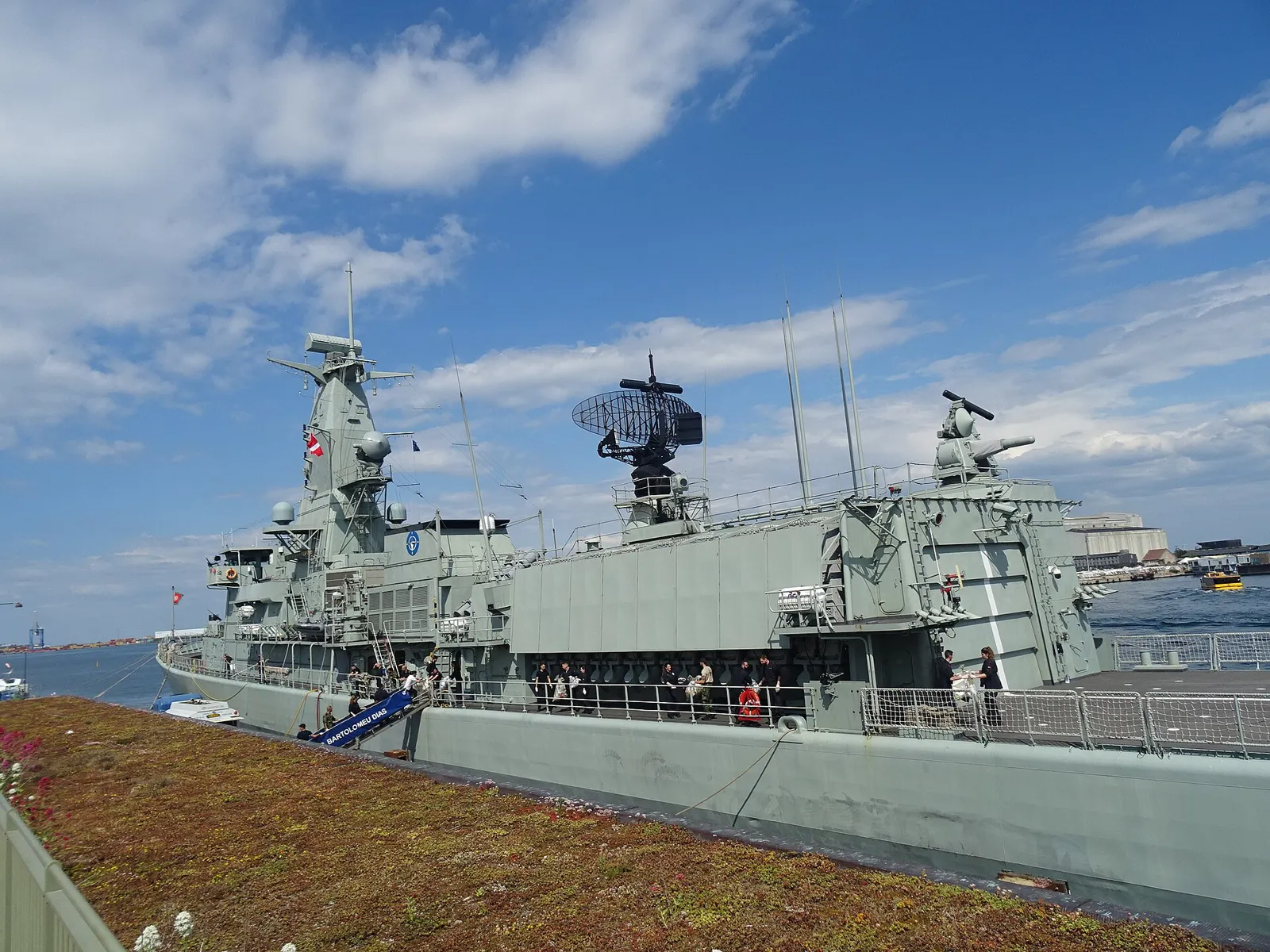
The navy consists of 3 Vasco da Gama-class MEKO 200PN frigates, 2 Bartolomeu Dias-class (ex-Dutch Karel Doorman) frigates, 2 Tridente-class Type 209PN submarines and Viana do Castelo-class offshore patrol vessels. The submarines have air-independent propulsion and carry Portugal’s rare underwater capability.
Land Forces Inventory
| System type | Est. quantity |
|---|---|
| Main battle tanks | Leopard 2A6: about 37 tanks in the tank group of the Mechanised Brigade (BriMec); the NATO interoperability of the German-built platform is Portugal’s main land argument |
| Armoured personnel carriers | Pandur II (backbone of the Intervention Brigade), M113A1/A2 (Mechanised Brigade) and the older Chaimite V200; the Pandur II is an 8×8 vehicle of Austrian-American design |
| Light and tactical vehicles | The Spanish-built URO VAMTAC ST5 and Land Rover light vehicles; they provide mobility for the Rapid Reaction Brigade and commando units |
| Artillery | M109A5 self-propelled howitzers support the Mechanised Brigade; light units field towed 105 mm and 155 mm guns. The artillery inventory is small and renewal is on the agenda |
Air Force Inventory
| Platform | Est. quantity |
|---|---|
| Total military aircraft | About 110 aircraft (Wikipedia, 2025) and a few UAVs; the Portuguese Air Force (FAP) operates with roughly 6,000 personnel |
| Fighter aircraft | The F-16AM/BM MLU Block 20 fleet (roughly 25 to 30 aircraft; the number varies after sales to Romania); 301 and 201 squadrons at Monte Real Air Base |
| Maritime patrol and transport | 5 P-3C CUP+ Orion, C-295M/MPA, Embraer KC-390 Millennium (deliveries under way), C-130H and Falcon 50/900 VIP and transport aircraft |
| Helicopters | AW101 Merlin (search and rescue and transport), ship-based Super Lynx Mk95A and training helicopters; search and rescue across the Atlantic coast is a critical Portuguese task |
Missile and Air-Defence Systems
| System | Type / Note |
|---|---|
| Short-range air defence | FIM-92 Stinger shoulder-fired missiles and Rheinmetall Rh 202 20 mm anti-aircraft guns, deployed in the military zones of the Azores and Madeira. There is no independent medium- or long-range system |
| Anti-ship missiles | Harpoon anti-ship missiles on frigates and submarines; the RIM-7 Sea Sparrow family in naval air defence |
| Ballistic missiles | There are no ballistic missiles in the inventory; Portugal contributes to NATO’s ballistic missile defence framework through allied infrastructure and observation support |
Naval Power
| Class / Type | Est. quantity |
|---|---|
| Frigates | 3 Vasco da Gama-class (MEKO 200PN, German design) and 2 Bartolomeu Dias-class (ex-Dutch Karel Doorman frigates); five frigates in total, deployed on NATO missions in the Atlantic and Mediterranean |
| Submarines | 2 Tridente-class (Type 209PN) diesel-electric submarines; German-built with air-independent propulsion; a small but critical fleet carrying Portugal’s underwater capability |
| Offshore patrol vessels | Viana do Castelo-class offshore patrol vessels (roughly four to five) and João Coutinho-class corvettes, used to police the vast Exclusive Economic Zone |
| Strategic meaning | Through the Azores and Madeira, Portugal’s Exclusive Economic Zone is among the largest maritime jurisdictions in Europe; the inventory is therefore oriented less to land power than to maritime surveillance and Atlantic security |
The Turkey Angle: Turkish Defence Industry
There is no reported direct defence procurement contract between Portugal and Türkiye, and no Turkish-made major weapon system appears in the Portuguese inventory. The relationship is therefore best read realistically through NATO membership and shared platforms: both countries operate the F-16 and the Leopard 2, and both navies have benefited from German-designed ships.
The geographic symmetry is striking: Türkiye holds the Straits and the Eastern Mediterranean, Portugal holds the gateway to the Atlantic. Both matter for sea-lane security and for NATO’s southern flank. This parallel creates potential for cooperation in maritime surveillance, anti-submarine warfare and training; no new contract in these fields has been reported.
On platforms, Portugal’s C-295 and KC-390 provide a point of comparison with Türkiye’s CN-235 and A400M experience. The Turkish defence industry could look for opportunities in small, NATO-compatible markets like Portugal in segments such as ships, UAVs and patrol boats; for now this should be treated as a potential market.
In conclusion, Portugal is not a direct customer of the Turkish defence industry but an Atlantic and intra-NATO peer. Rather than invented contracts or claims, the shared platforms and similar maritime strategies of the two armed forces are what deserve watching.
Frequently Asked Questions
How many tanks does Portugal have? Portugal’s inventory holds about 37 Leopard 2A6 tanks, which serve in the tank group of the Mechanised Brigade.
Does Portugal have fighter jets? Yes. The Portuguese Air Force operates an F-16AM/BM MLU Block 20 fleet; after sales to Romania the number varies in a range of roughly 25 to 30.
Does Portugal buy weapons from Türkiye? No Turkish-made major weapon system has been reported in the Portuguese inventory. The relationship runs within NATO and through shared platforms such as the F-16 and the Leopard 2.
How strong is the Portuguese navy? The navy consists of five frigates (three MEKO 200PN, two ex-Dutch), two Tridente submarines and Viana do Castelo-class patrol vessels.
Is Portugal a NATO member? Yes, it was a founding member of NATO in 1949. With the Azores and Madeira it holds a strategic position in Atlantic security.
Bottom Line
The Portuguese inventory shows a small country’s Atlantic-focused, NATO-compatible build-up: about 37 Leopard 2A6 tanks, an F-16 MLU fleet, five frigates and two submarines. There is no reported defence procurement with Türkiye; the paths of the two countries cross through NATO and shared platforms. For the Turkish defence industry, Portugal is a potential market and a peer worth watching rather than a direct sales customer.