





HMS Queen Elizabeth Runs First Hybrid Carrier Drone Trials: Four Strike Drones Hit Targets, Tekever AR5 Flies

The Royal Navy has completed two separate unmanned-systems trials aboard the aircraft carrier HMS Queen Elizabeth, marking the first time attack drones were launched from the ship and the first carrier flight of a fixed-wing reconnaissance drone.
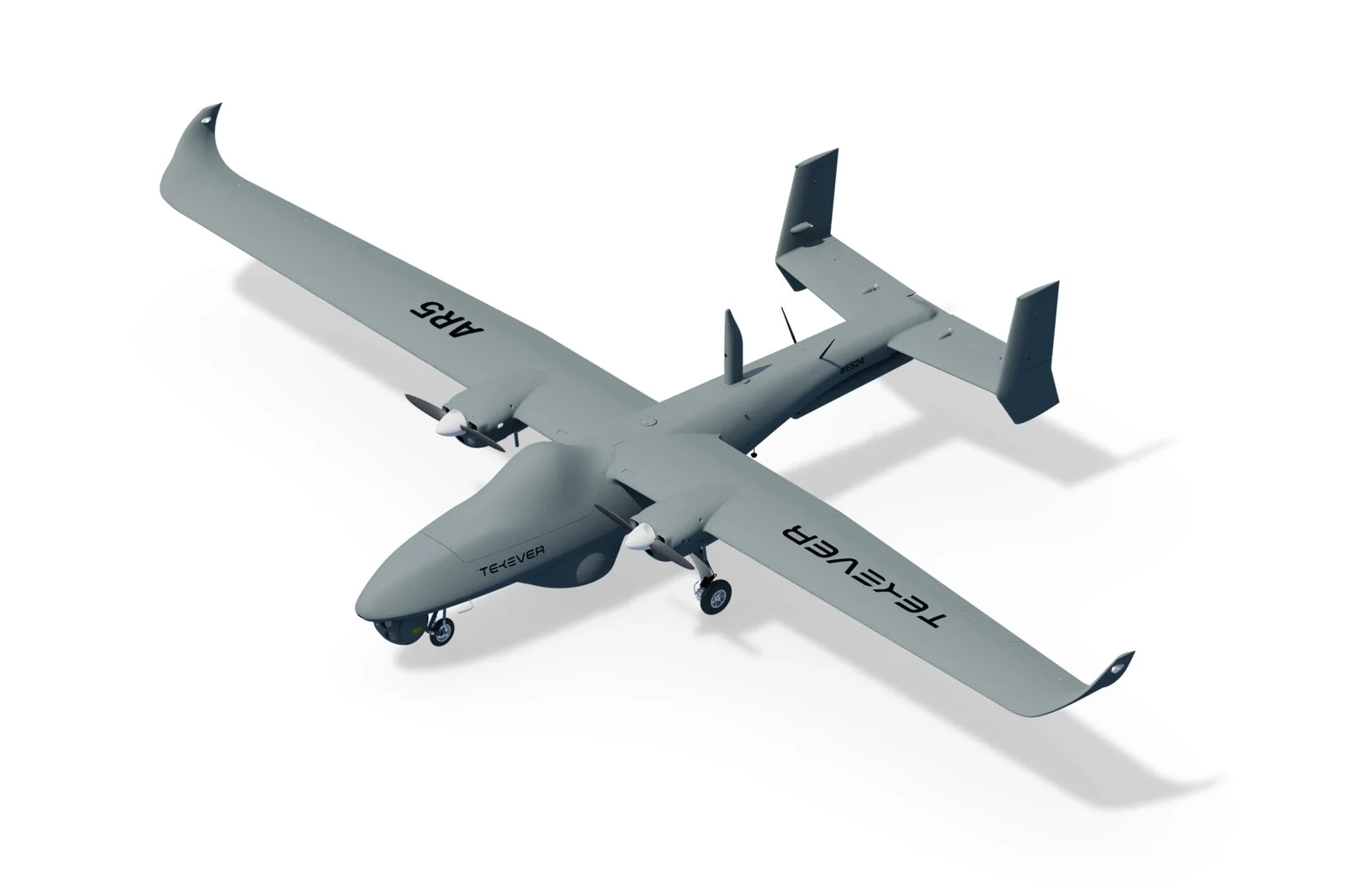
During Exercise Neptune Reach B in the North Atlantic in mid-October 2026, four Nyan one-way effector (OWE) drones built by Callen-Lenz were launched from HMS Queen Elizabeth, and all four struck their designated targets. The Nyan, with a 2.9-metre wingspan, had previously been tested from the experimental vessel RFA/XV Patrick Blackett; this was its first use from a carrier. In a separate trial, Exercise Heavy Lift Challenge 3, the Portuguese-built Tekever AR5 fixed-wing drone flew its first operational test from the same ship.
The Tekever AR5, with a 7-metre wingspan and payload capacity of up to 80 kilograms, is designed for logistics resupply as well as intelligence, surveillance, target acquisition and reconnaissance (ISTAR) missions. The UK selected the platform in July 2026 to replace the Watchkeeper under a programme worth up to £400 million; it is now moving from land-based operations toward carrier deck trials.
The Royal Navy is presenting both tests as a concrete step toward its “hybrid carrier air wing” concept, which aims to operate uncrewed systems alongside crewed aircraft such as the F-35B on the same deck, extending range, adding strike capacity and reducing risk to personnel. Callen-Lenz CEO Matt Foster said the Nyan operation was further proof of the capability underpinning the Royal Navy’s shift toward a hybrid fleet. The Royal Navy’s capability lead, Commander David Burton, called the exercise an important milestone in understanding how one-way maritime systems will contribute to future carrier strike group operations.
Figures released by the UK government show this is not a one-off demonstration but part of a larger investment plan. Under the Defence Investment Plan, more than £5 billion is earmarked for autonomous systems through 2030. That includes £250 million for Project Pantheon, which covers the hybrid air wing and autonomous systems for carriers, including jet-powered drones intended to operate alongside F-35Bs; at least £1.3 billion for a hybrid fleet of crewed and uncrewed vessels, with the first large autonomous naval systems expected in service before 2030; and at least £210 million for low-cost, long-range one-way attack drones for the Royal Navy, British Army and RAF.
According to the UK government, the threat environment has changed substantially, and innovation has become a decisive factor in military power. The push mirrors a broader NATO trend of integrating uncrewed systems into the same operational picture as crewed naval platforms.
For Turkey, the trials offer a useful point of comparison. Baykar’s Kizilelma and the unmanned-aircraft trials run from the deck of TCG Anadolu are testing a similar hybrid-deck logic on a different platform. The Royal Navy’s funded, phased roadmap gives a concrete benchmark showing how closely NATO allies are timing their moves in this area.
Sources
- Infodefensa, “Royal Navy opera, por primera vez, un dron de ala fija AR5 de la portuguesa Tekever desde el portaaviones HMS Queen Elizabeth,” by Ángel Luis de Santos, 6 November 2026. Read the report. Used as the primary source, drawing on Royal Navy, Callen-Lenz and UK government data.