Greek Press Does the Math: “Cheap Violations, Costly Interceptions”

The Athens daily Kathimerini looked at the Aegean this week through a calculator rather than a radar screen. The headline of Vassilis Nedos’ 13 August piece says most of it on its own: “Cheap violations, costly interceptions.”
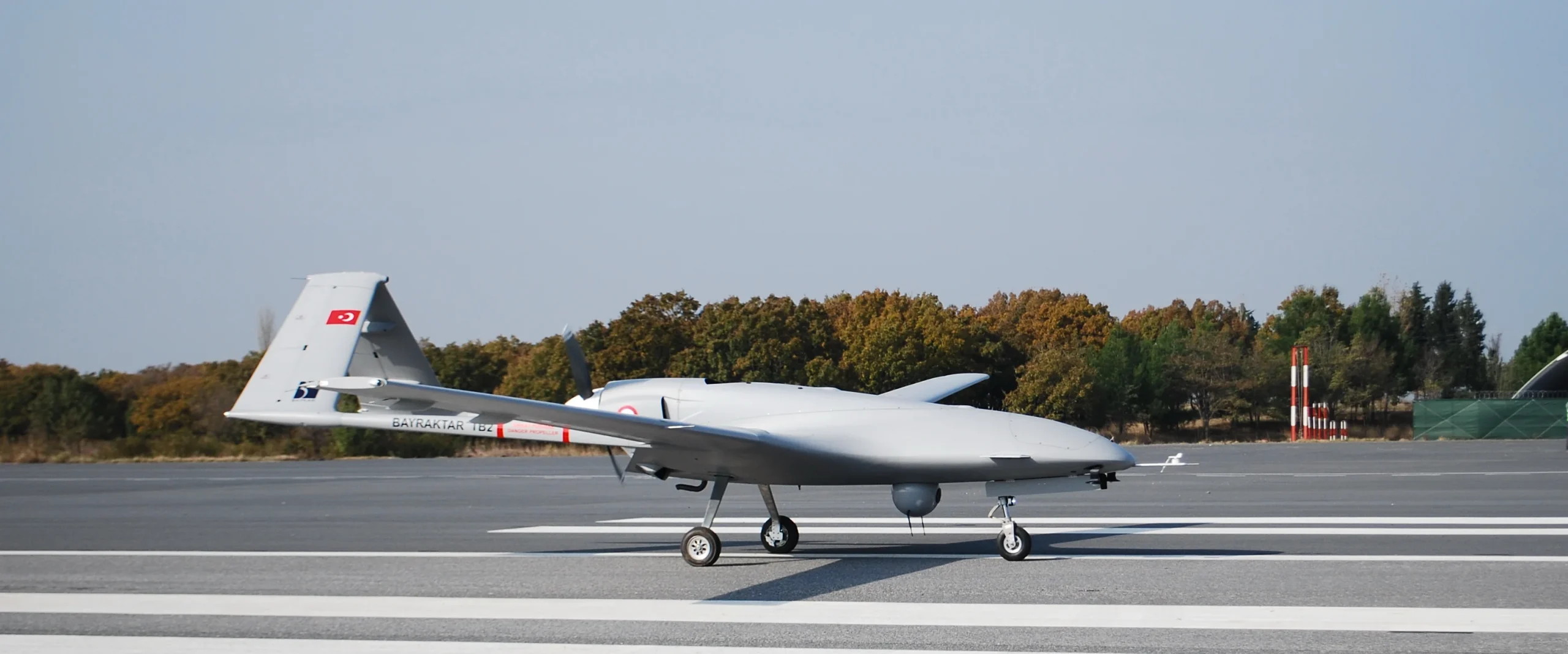
Drawing on Greek officials and available flight-cost estimates, the paper puts the figure at roughly €20,000 per flight hour for a Greek F-16 scrambled on an identification and interception mission. The operating cost of a Turkish Bayraktar UAV entering the same airspace, it notes, can be up to ten times lower. What Greek authorities describe, in their own words, is a strategy of “cheap violations with zero risk” to human life.
From zero to 433 in two years
The numbers in the report show how quickly the traffic over the Aegean has shifted. By Greek records, 2024 passed without a single recorded violation — a year marked by a complete halt in aerial activity. In 2025 the figure rose to 225. This year, before summer was even out, 433 violations had been logged: nearly double the previous annual total, with the curve still pointing upward.
Kathimerini also reports the return of mock dogfights, absent over the Aegean for three years. The paper is careful, though, to set today’s figures against the peak of Greek-Turkish tension. In the period before the earthquakes of 6 February 2023, Greece recorded 1,172 violations in the first month of that year alone, and 2022 closed with a total of 11,258.
The gap is a reminder of how directly the political weather between Athens and Ankara registers in aviation statistics. The détente that followed the earthquakes effectively emptied the Aegean sky for two years; the current rise is Athens’ reading that the period has ended.
Twenty thousand euros against a drone’s fuel bill
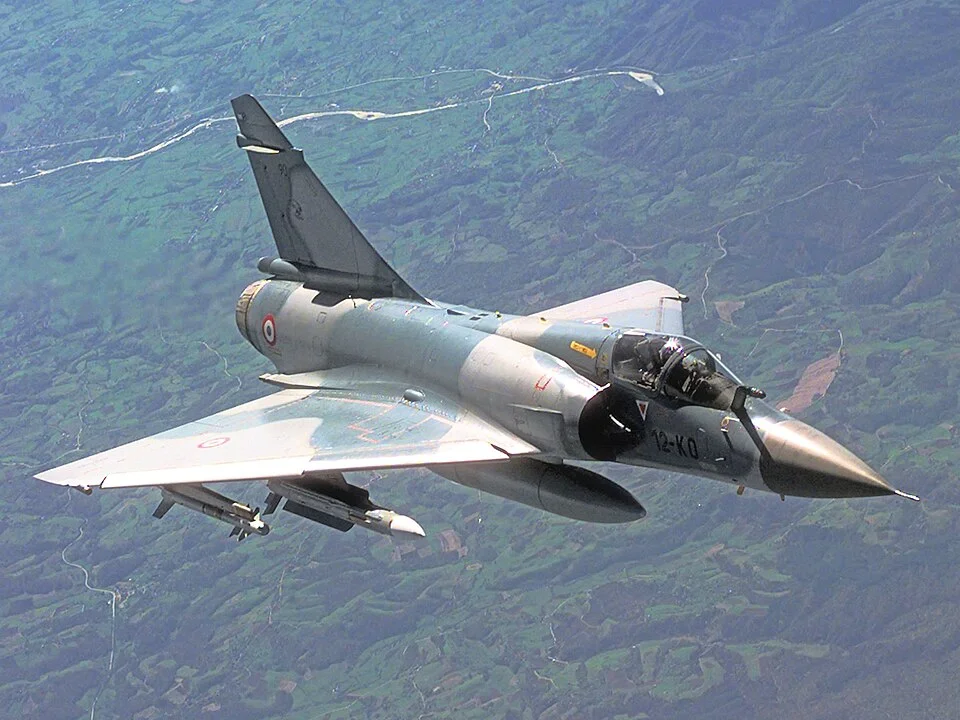
The sharper point is not the count but the cost equation. Getting a modern fighter airborne is an expensive line item built from fuel, engine life, maintenance hours, pilot flight hours and supporting assets. The Hellenic Air Force runs its interception missions primarily on F-16s and Mirage 2000-5s, and every scramble rewrites that bill.
On the other side of the equation, there is no pilot in the aircraft leaving the runway. The flight-hour cost of a medium-altitude, long-endurance unmanned system is marginal beside a fighter’s, and losing one is a materiel loss rather than a human one. That asymmetry is precisely what makes the arithmetic uncomfortable in Athens: a cheap platform that can loiter for hours obliges the other side to launch something ten times more expensive, every single time.
Which raises the obvious question: why scramble at all? According to Kathimerini, Greek officials accept the cost but argue the missions buy something in return — realistic training for pilots and for the wider air-defense system, testing detection, identification, coordination and response procedures under real conditions. UAVs, they add, are treated like any other unidentified or noncompliant track and are intercepted to ensure physical identification, monitoring and documentation.
Three names on the stage: TB2, Aksungur and ANKA-S
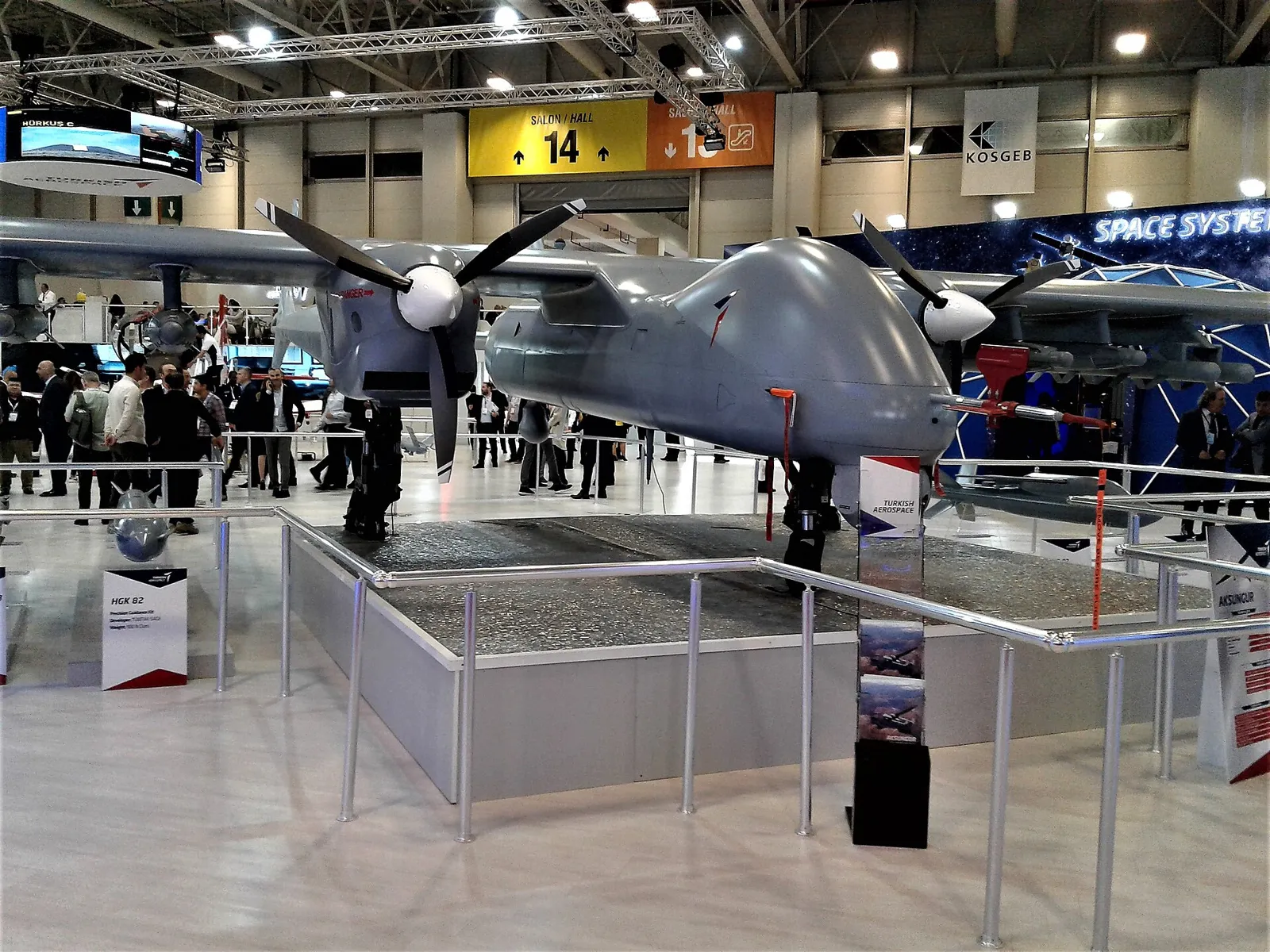
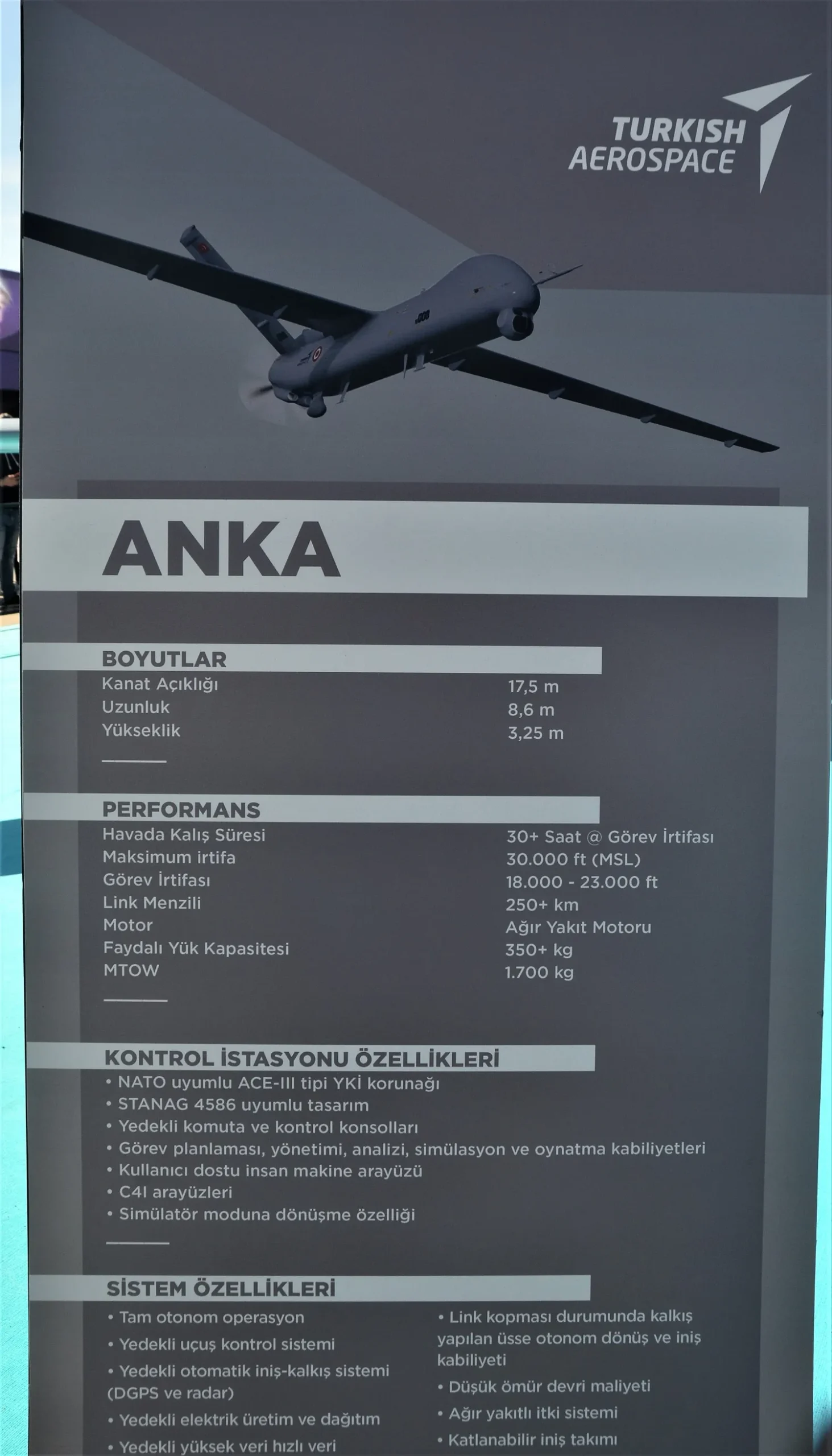
The report’s most consequential observation concerns the changing character of the flights. The weight has moved off fighter aircraft: unmanned systems including the Bayraktar TB2, Aksungur and ANKA-S now dominate. The three represent different layers of the UAV ecosystem Türkiye’s defense industry has assembled over the past decade.
The TB2 became the emblem of the low-cost, tactical-endurance class. Aksungur and ANKA-S add depth in reconnaissance and surveillance with heavier payloads and longer time on station; ANKA-S can be flown over satellite link, meaning it operates far beyond its operator’s line of sight. What is visible over the Aegean, in other words, is not a single platform but a tiered fleet.
There is a further dimension. The word “violation” rests on legal ground the two countries have never agreed on. Greece claims 10 nautical miles of national airspace above territorial waters that extend 6 nautical miles. Türkiye does not recognise the difference and treats the intervening four-mile belt as international airspace. Part of what Athens logs as a violation is, from Ankara’s standpoint, routine activity over international waters.
The equation facing Athens
The concern voiced in the report is in truth a problem shared by many air forces today. Meeting cheap, unmanned, mass-producible platforms with expensive and numerically limited fighters is not a sustainable long-run trade. Air arms wrestling with it are debating a shift of the interception task to cheaper layers — light turboprop trainers and light attack aircraft, ground-based sensor networks, their own UAVs, and electronic warfare assets.
Kathimerini’s piece suggests that debate has now opened in Greece as well. The paper proposes no remedy; but placing the cost comparison at the centre of the story is a message in itself. Competition over the Aegean, it implies, will from here be measured not only in aircraft numbers but in euros per flight hour.
Sources
- Kathimerini (eKathimerini.com), “Cheap violations, costly interceptions”, Vassilis Nedos, 13 August 2026
- Hellenic National Defence General Staff (GEETHA) daily air activity bulletins
- Public sources on the Türkiye-Greece dispute over territorial sea and national airspace limits