US Marines double down on unmanned anti-ship strike: Oshkosh wins record $70.6M ROGUE-Fires deal
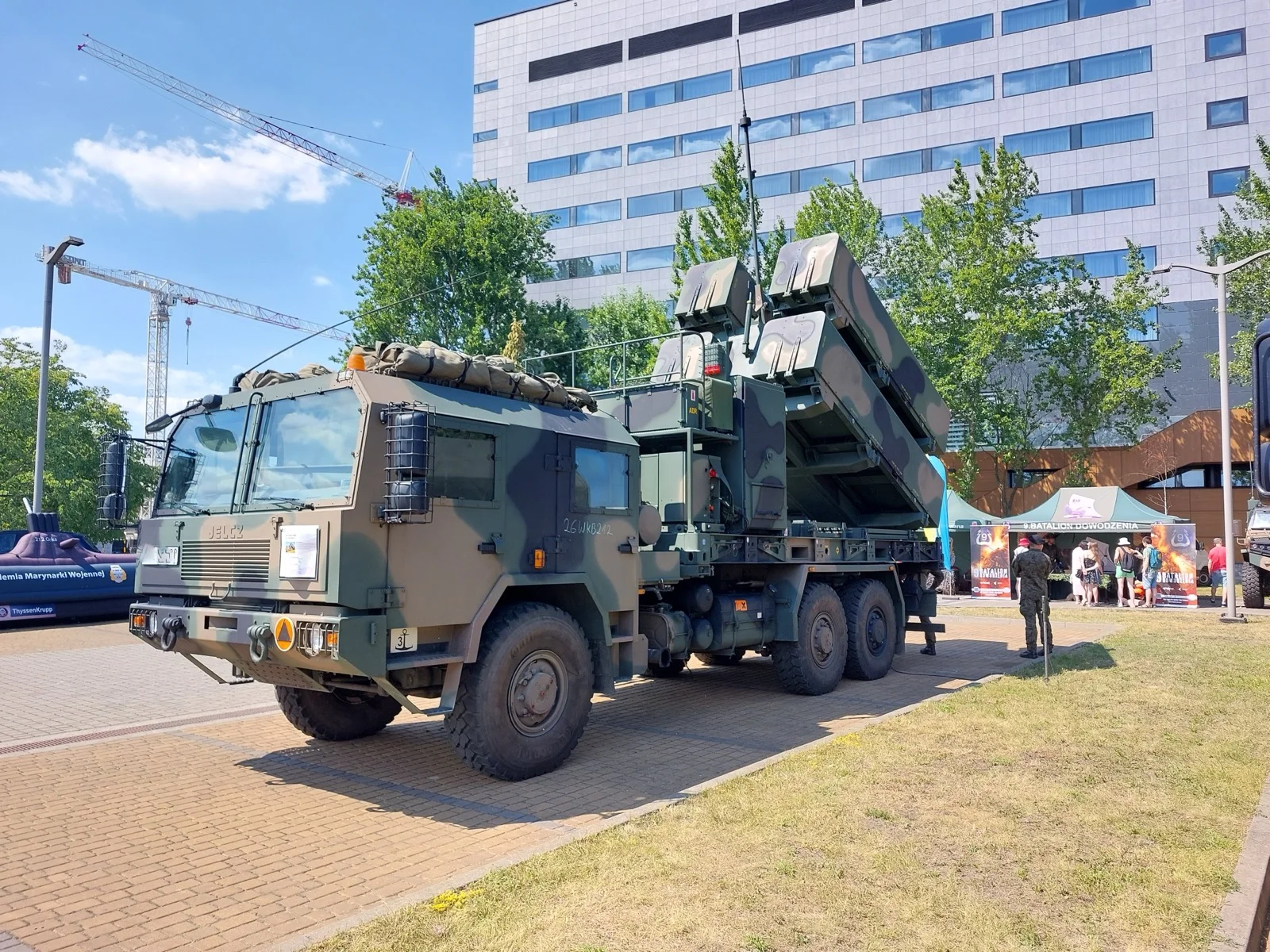
The US Marine Corps is expanding its distributed shoot-and-scoot anti-ship architecture against China’s Pacific forces. A new $70.6 million contract with Oshkosh Defense brings more JLTV-based unmanned ROGUE-Fires launchers into the field alongside the NMESIS system.
At a Glance
- What: Oshkosh Defense ROGUE-Fires launcher contract
- Amount: $70.6 million — the largest single award in the program to date
- Customer: US Marine Corps (MARCORSYSCOM)
- System: NMESIS — launcher for the Naval Strike Missile, unmanned
- Base: JLTV — autonomous control developed with Forterra
- Production timeline: through September 2028
A distributed anti-ship network for the Pacific
The US Marine Corps is strengthening its ability to threaten enemy warships from dispersed positions across the Indo-Pacific. A new $70.6 million contract with Oshkosh Defense expands production of the ROGUE-Fires carrier — the largest single award in the program to date, surpassing February’s $16.9 million modification and the $19 million initial order.
The contract is funded through FY2025 and FY2026 Marine Corps procurement appropriations and was issued on a sole-source basis by MARCORSYSCOM. Production will take place in Oshkosh, Wisconsin, with supporting work in Virginia, Maryland and Pennsylvania, with deliveries running through September 2028.
What are NMESIS and ROGUE-Fires?
NMESIS (Navy Marine Expeditionary Ship Interdiction System) gives the Marines a remotely operated, precision-strike capability against surface vessels without directly exposing crews to risk. At its heart is the NATO-standard Kongsberg/Raytheon Naval Strike Missile (NSM): a modern sea-skimming weapon with a 250+ km range, contoured to evade radar.
The launcher’s carrier, ROGUE-Fires, is derived from Oshkosh’s JLTV (Joint Light Tactical Vehicle) family and operates without a crew thanks to a robotic control architecture developed with Forterra. Low-profile, rapidly relocatable and remotely fireable, the system is seen as a critical “shoot-and-vanish” step against China’s surveillance-and-strike net in the Pacific.
| Item | Value |
|---|---|
| Contract value | $70.6 million (program record) |
| Contractor | Oshkosh Defense |
| Customer | US Marine Corps (MARCORSYSCOM) |
| System | NMESIS — NSM anti-ship launcher |
| Carrier | ROGUE-Fires (JLTV-based, unmanned) |
| NSM range | 250+ km, sea-skimming |
| Production timeline | through September 2028 |
From Turkey’s perspective
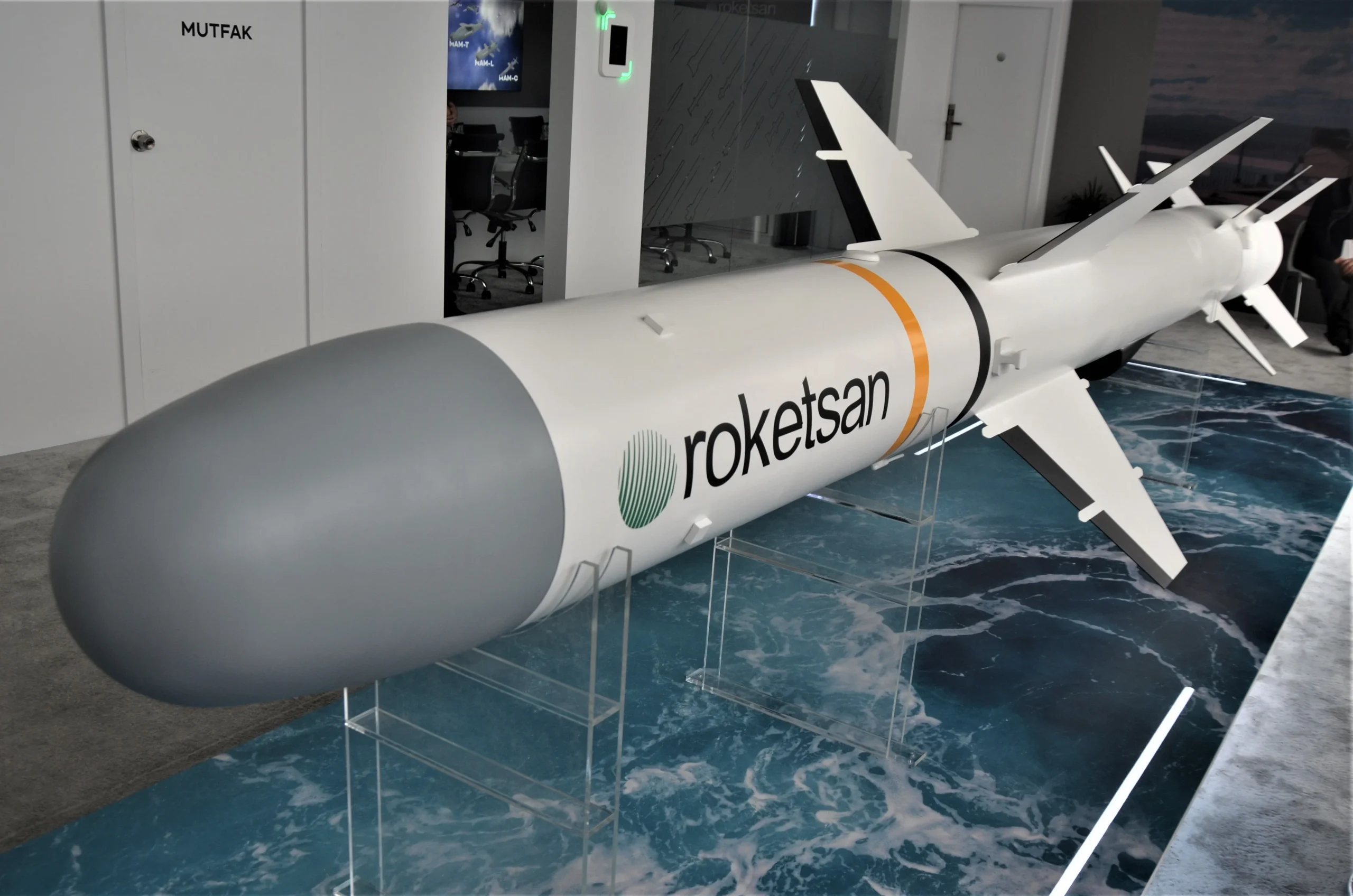
Unmanned, distributed land-launchers are spreading rapidly across the anti-ship domain worldwide. Turkey is pursuing its own track here: the indigenous ATMACA anti-ship missile (~220+ km) integrates with air (HÜRJET/F-16), naval (frigates/MILGEM) and, via the KARA-ATMACA variant, land platforms. The ROKETSAN ÇAKIR low-altitude cruise missile and the longer-range follow-ons now in development underline that Turkey, too, is shaping a similar “sea control — area denial” architecture.
Sources
- Army Recognition
- Defence Blog
- Joint Forces News