Asia’s 10 Largest Helicopter Fleets (2026)

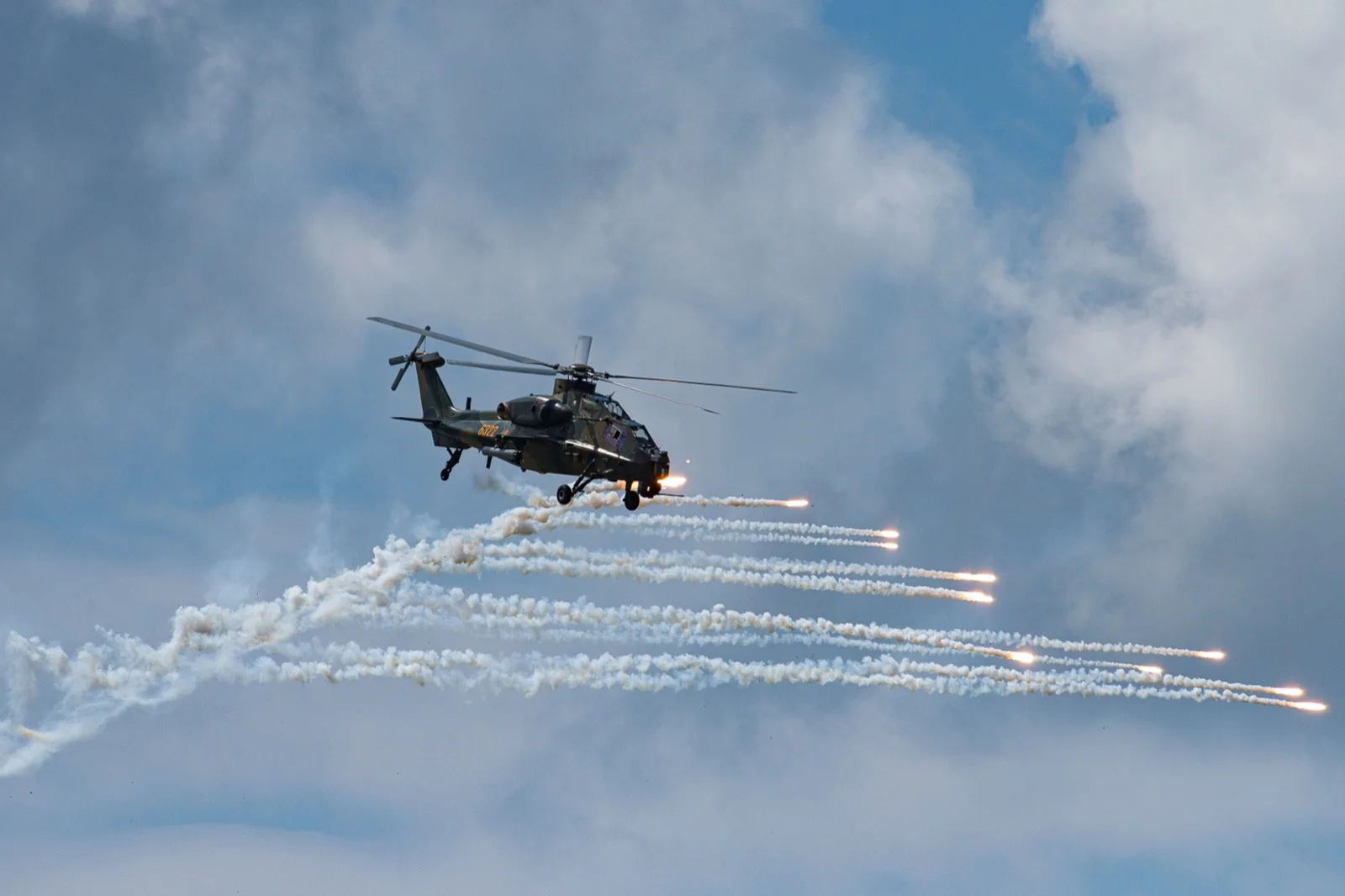
Helicopters are the quiet indispensable in modern armies. They do not make headlines the way fighter jets do, and they carry none of the symbolism of a tank. Yet casualty evacuation, special forces insertion, anti-submarine work and armoured resupply all run on rotors. A country’s helicopter fleet is one of the most honest measures of how mobile its forces actually are.
Asia is the densest region on earth for this capability. The continent holds vast conscript armies, mountain frontiers above 4,000 metres and archipelagos of thousands of islands. Each of those geographies generates helicopter demand: there are no roads in the mountains, no bridges between islands, and no substitute for speed across a wide front.
So which ten Asian countries operate the largest helicopter fleets in 2026? Is China at the top, why does a country the size of South Korea need so many, and where would Türkiye sit if it were counted here? The countdown starts at ten.
The ranking uses GlobalFirepower’s 2026 dataset and covers all military helicopters across army, navy and air force aviation — attack, transport, maritime patrol, anti-submarine, search and rescue and training types. Countries geographically in Asia are included.
#10Vietnam
Helicopter fleet · Southeast Asia
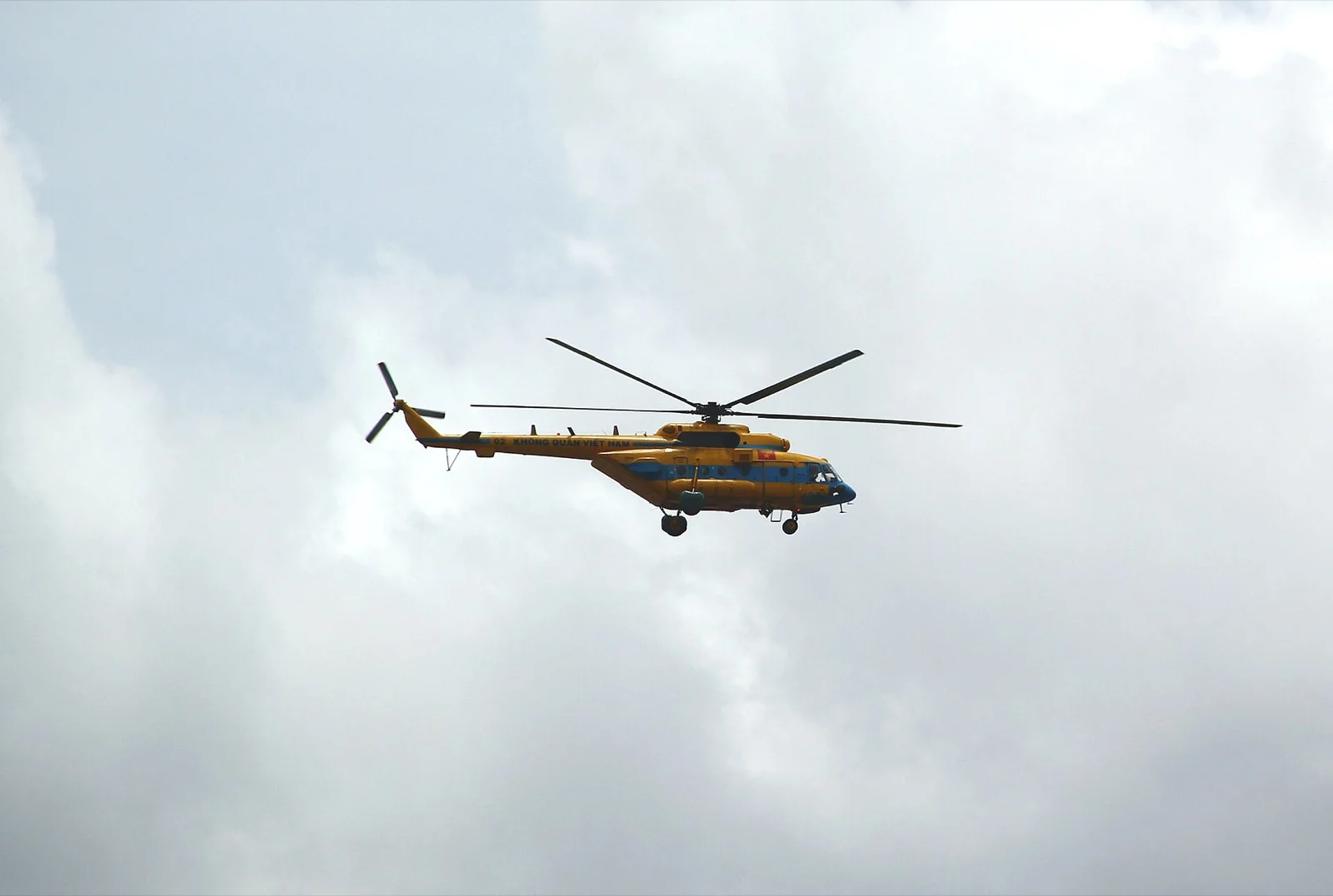
Vietnam opens the list with 101 helicopters. The number looks modest until you see the doctrine behind it: Vietnamese defence planning rests on ground defence rather than air mobility. With 1,999 tanks, Vietnam runs one of Asia’s largest armoured forces, and rotary aviation stays a secondary line.
The fleet is mostly Soviet and Russian Mi-8 and Mi-17 airframes. Hanoi has been working to diversify suppliers, with contacts across Western manufacturers and South Korea, but budget limits and the maintenance demands of the existing fleet slow the transition.
Vietnam’s real priority is maritime. Sovereignty disputes in the South China Sea pushed procurement toward submarines and coastal defence missiles, with six Kilo-class boats the most visible outcome. Where helicopters matter most is maritime patrol and search and rescue along a very long coastline.
Vietnam owns Asia’s fourth-largest tank fleet yet finishes last on this list — one of the clearest illustrations of how doctrine shapes inventory.
| Capability | Total |
|---|---|
| Helicopters | 101 |
| Total aircraft | 265 |
| Tanks | 1,999 |
| Active personnel | 450,000 |
| Defence budget | $10.20 bn |
The next country uses helicopters to fill a gap where fighters should be.
#9Philippines
Helicopter fleet · Southeast Asia
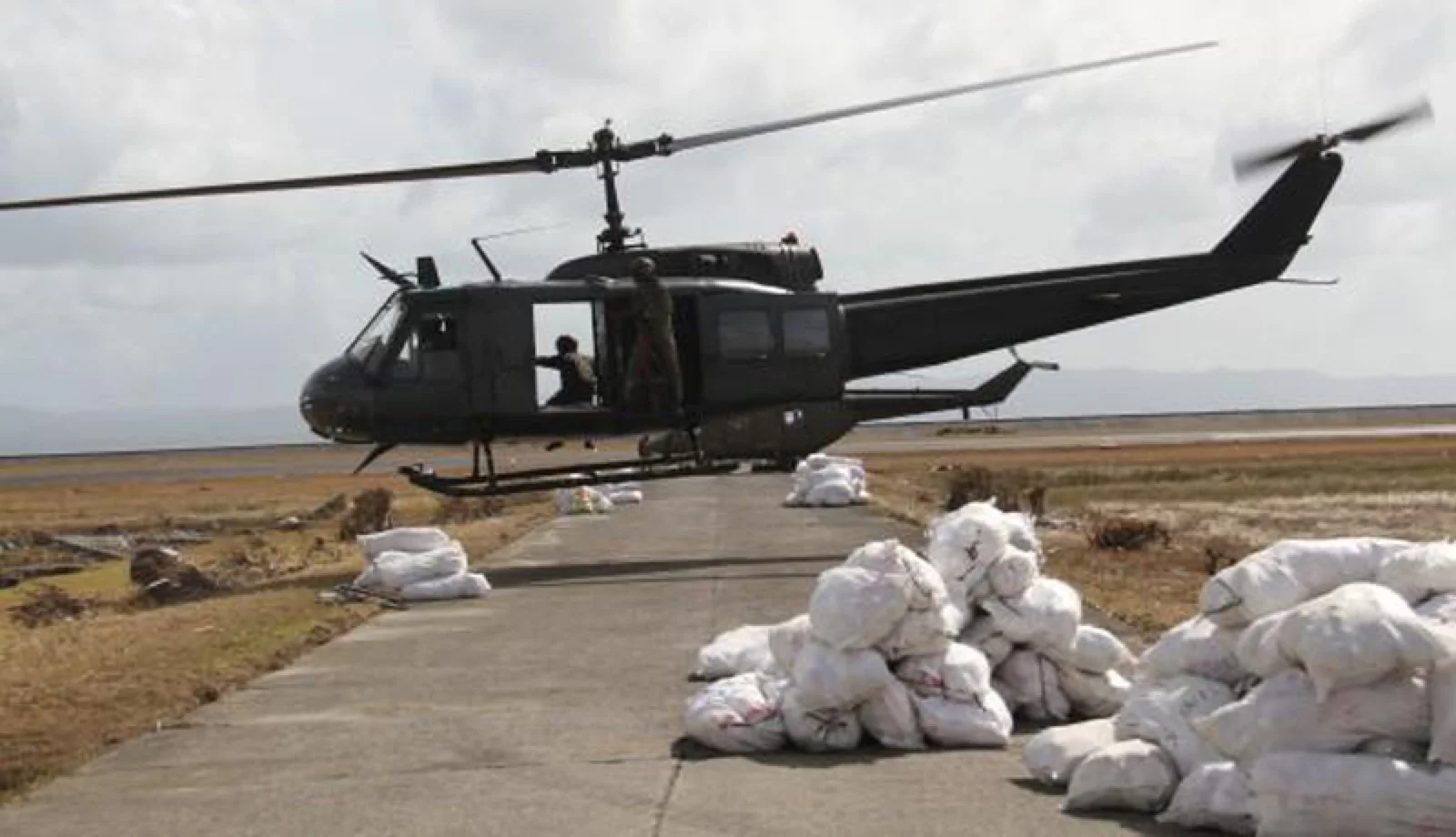
The Philippines is an archipelago of more than 7,000 islands, geography that makes rotary aviation a necessity rather than a luxury. Its 130 helicopters account for most of a total air inventory of 204 aircraft.
The fleet includes Black Hawk transports, T129 ATAK attack helicopters procured from Türkiye and a range of lighter types. The T129 deal is a case study in supplier diversification beyond the traditional Western chain; deliveries are complete and the type is operational.
Manila’s security agenda has two parts: maritime disputes in the South China Sea and internal security operations in the southern islands. Both put helicopters at the centre. The Philippines fields no fighter aircraft at all, with FA-50 light combat jets partially filling that role, and an army inventory of just 18 tanks underlines how completely the country depends on air and sea.
The Philippines flies 29 more helicopters than Vietnam while fielding roughly one per cent of its tank strength.
| Capability | Total |
|---|---|
| Helicopters | 130 |
| Total aircraft | 204 |
| Tanks | 18 |
| Active personnel | 160,000 |
| Defence budget | $6.57 bn |
One place higher sits one of the most closed militaries in the world.
#8North Korea
Helicopter fleet · East Asia

North Korea holds eighth place with 205 helicopters, largely Soviet-era Mi-2, Mi-8 and Mi-26 airframes, plus a batch of civilian-model Hughes 500s acquired indirectly in the 1980s and pressed into military service.
With 1,320,000 active personnel, the Korean People’s Army is the fourth largest standing force in the world, and its 4,895 tanks make it one of Asia’s biggest armoured inventories. Within that structure, helicopters are planned primarily for special forces infiltration — Pyongyang is assessed to maintain well over 200,000 special operations troops.
Availability is the open question. Sanctions have constrained spare parts for decades and fuel limits keep flying hours low, which means a numerically large fleet of uncertain usability. In any case, rotary aviation is not where the budget goes: ballistic missiles and the nuclear programme dominate spending.
North Korea flies about a quarter as many helicopters as South Korea while fielding 2.7 times as many tanks.
| Capability | Total |
|---|---|
| Helicopters | 205 |
| Total aircraft | 837 |
| Tanks | 4,895 |
| Active personnel | 1,320,000 |
| Defence budget | $4.75 bn |
The next country has to defend more than 17,000 islands with one force.
#7Indonesia
Helicopter fleet · Southeast Asia
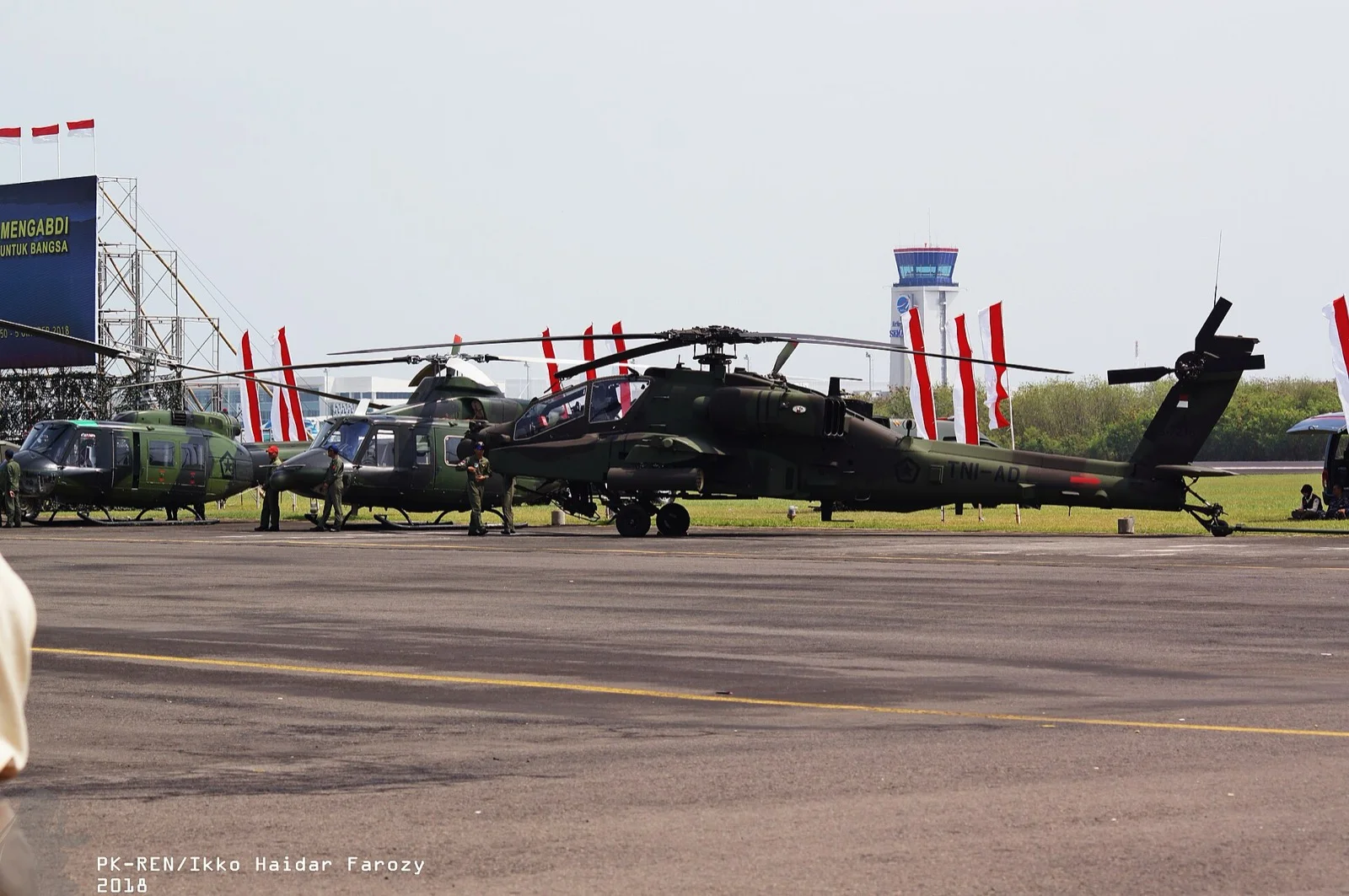
Indonesia spreads across more than 17,000 islands, and that geography turns helicopters into a strategic asset. Its 212 airframes cover transport, attack and search and rescue roles. Set against a navy of 338 vessels, it is clear that Indonesian defence logic runs almost entirely along maritime and air axes.
The inventory includes AH-64E Apaches, Black Hawk transports and locally built NBell-412s. PT Dirgantara Indonesia assembles helicopters under Airbus and Bell licences, putting Indonesia among the few regional states able to build rotorcraft at home.
Jakarta plans around two problems: maritime jurisdiction disputes near the Natuna Islands, and disaster response. The second is a primary mission rather than a secondary one — earthquakes, tsunamis and volcanic activity keep the fleet in near-constant use. Indonesia is also broadening defence industrial cooperation with Türkiye.
Indonesia flies only seven more helicopters than North Korea, but the modernity and availability of the two fleets are not remotely comparable.
| Capability | Total |
|---|---|
| Helicopters | 212 |
| Total aircraft | 460 |
| Tanks | 331 |
| Active personnel | 404,500 |
| Defence budget | $11.16 bn |
Next up: the largest rotary fleet in Southeast Asia.
#6Thailand
Helicopter fleet · Southeast Asia
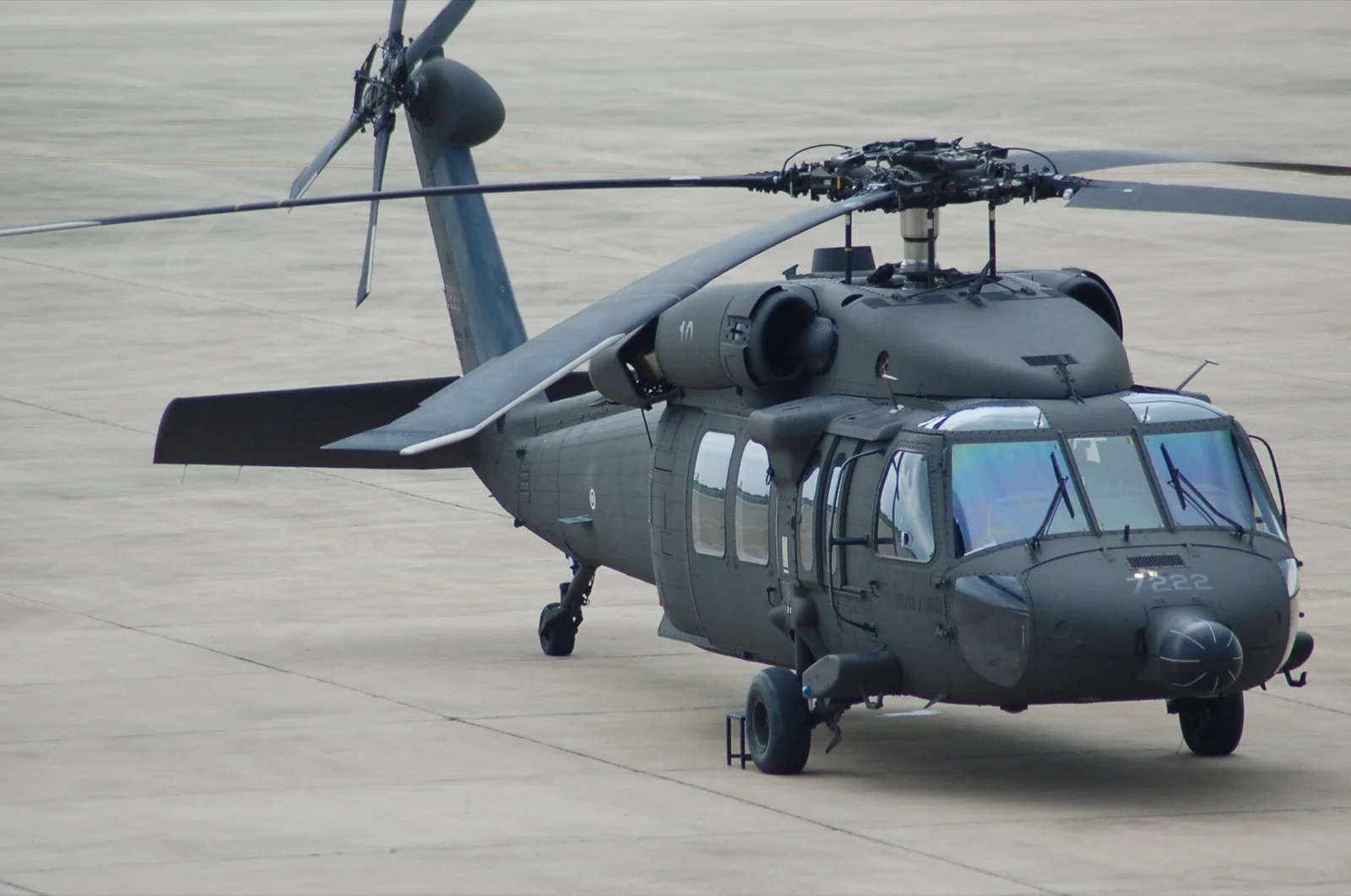
Thailand operates 258 helicopters, the largest rotary fleet in Southeast Asia and a striking concentration for a country of its size and budget. Geography and internal security explain it: mountainous northern borders, a long-running insurgency in the south and monsoon flood response keep the fleet flying.
The inventory spans UH-60 Black Hawks, AH-6 light attack helicopters, Mi-17 transports and a large training fleet. Thailand is one of the few countries sourcing simultaneously from the United States, Russia and Europe — political flexibility bought at the price of a complicated maintenance chain.
The Royal Thai Armed Forces field 360,850 active personnel and 304 naval vessels. Chakri Naruebet, one of the few light carriers in Asia, now operates essentially as a helicopter carrier. Tension along the Cambodian border and spillover from the conflict in Myanmar keep air mobility high on Bangkok’s list.
Thailand flies 46 more helicopters than Indonesia on roughly half the defence budget.
| Capability | Total |
|---|---|
| Helicopters | 258 |
| Total aircraft | 496 |
| Tanks | 744 |
| Active personnel | 360,850 |
| Defence budget | $6.01 bn |
Into the top five — where the airframes start being built at home.
#5Pakistan
Helicopter fleet · South Asia
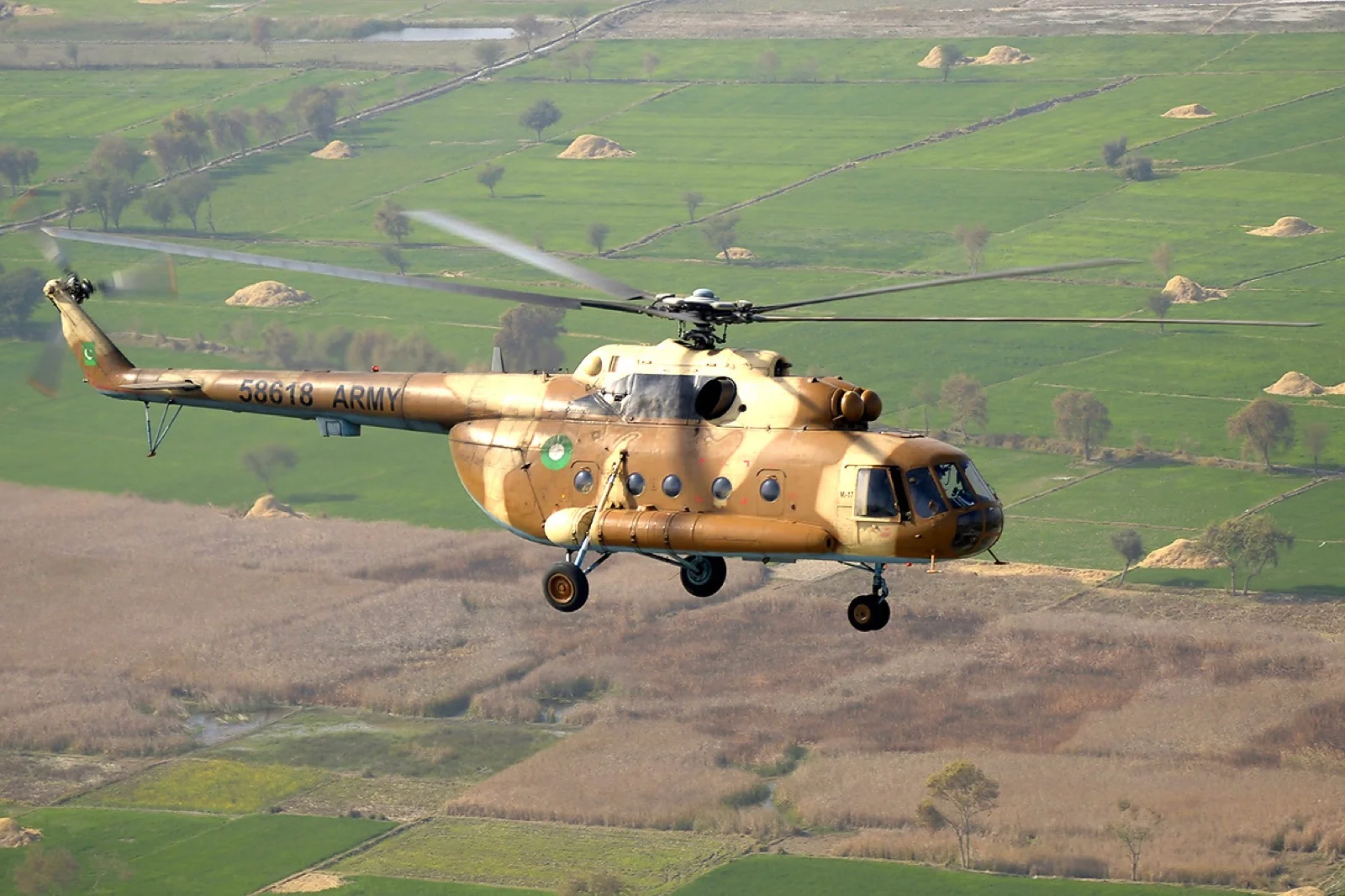
Pakistan takes fifth place with 379 helicopters, sized against punishing terrain: the Karakoram and Himalaya ranges to the north, mountainous frontier country toward Afghanistan in the west. On the Siachen Glacier, the highest battlefield on earth, resupply is done entirely by helicopter.
The fleet includes AH-1 Cobra gunships, Mi-17 transports and newer Chinese types such as the Z-10ME. Pakistan Army Aviation is regarded as among the most experienced high-altitude rotary forces anywhere, an expertise earned flying mission profiles at the edge of what the airframes can do.
A $9.1 billion defence budget constrains modernisation. Pakistan long planned to acquire T129 ATAK helicopters from Türkiye; an engine export licensing issue affected that process and Islamabad turned to alternative sources. Much of the requirement is driven by internal security and disaster response — the 2022 floods demonstrated how critical that capacity is.
Pakistan flies 121 more helicopters than Thailand on a defence budget only 1.5 times larger.
| Capability | Total |
|---|---|
| Helicopters | 379 |
| Total aircraft | 1,397 |
| Tanks | 2,677 |
| Active personnel | 660,000 |
| Defence budget | $9.10 bn |
From fourth place upward, the numbers suddenly double.
#4Japan
Helicopter fleet · East Asia
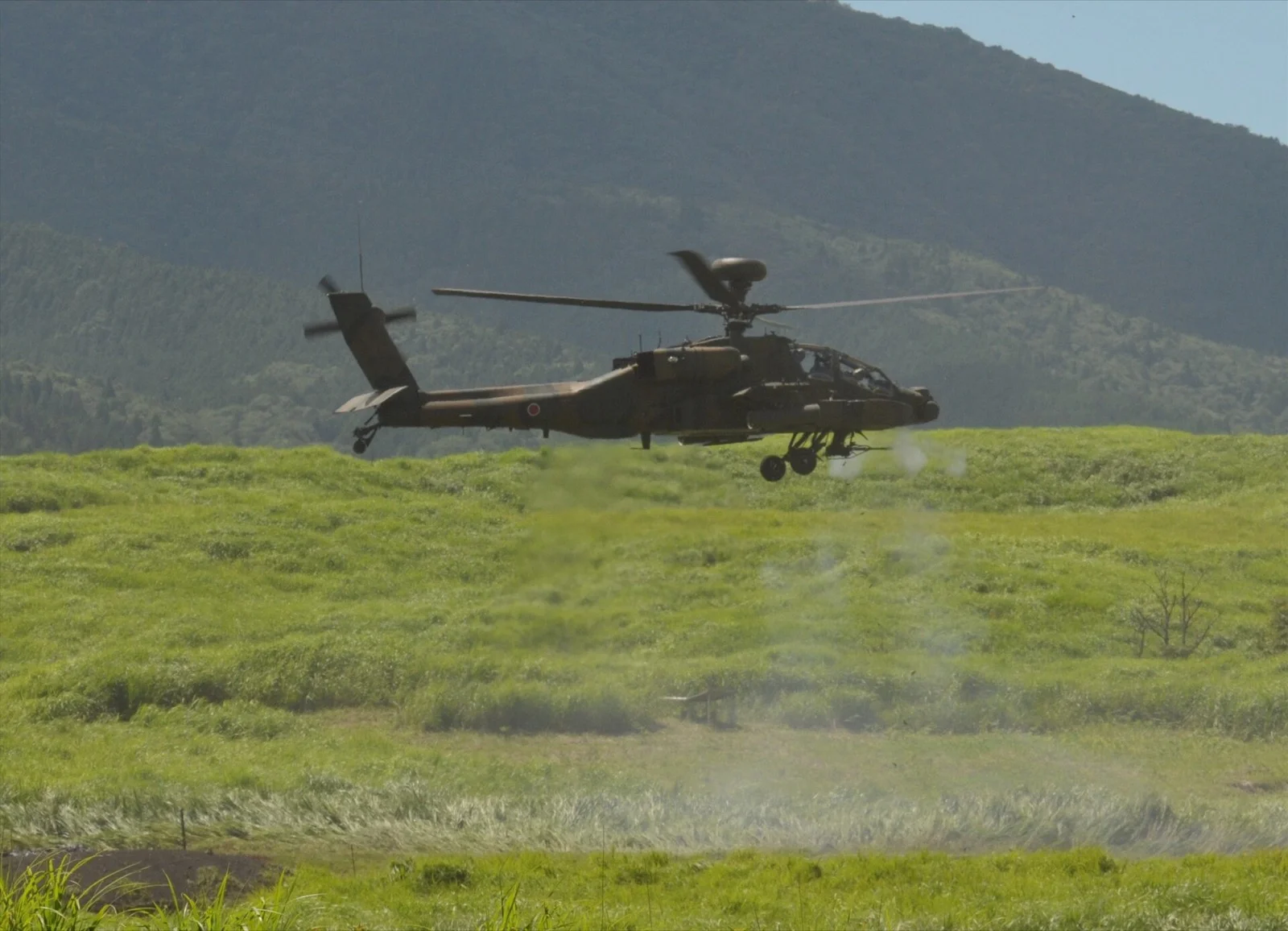
Japan’s 583 helicopters follow directly from archipelago defence. Across thousands of islands, movement, resupply and evacuation happen mostly by air, and the Ground Self-Defense Force operates one of the largest army aviation branches in the world.
The most consequential part of the fleet is maritime. SH-60 series anti-submarine helicopters form the backbone of Japanese ASW capability, a strategic priority given the pace of submarine activity in the region. MCH-101 mine countermeasures aircraft and detachments aboard Izumo-class ships complete the picture.
On land, AH-64D Apaches and AH-1S Cobras serve, though Japan plans to shrink its attack helicopter force and substitute unmanned systems. That is a significant bet on the future of rotary aviation: Tokyo is pricing in the vulnerability of low-flying platforms under dense air defences. V-22 Ospreys handle rapid movement for island defence.
Japan flies 204 more helicopters than Pakistan with roughly a third of the active personnel.
| Capability | Total |
|---|---|
| Helicopters | 583 |
| Total aircraft | 1,429 |
| Tanks | 734 |
| Active personnel | 251,500 |
| Defence budget | $58.00 bn |
The next country has to sustain air mobility on two fronts at once.
#3India
Helicopter fleet · South Asia
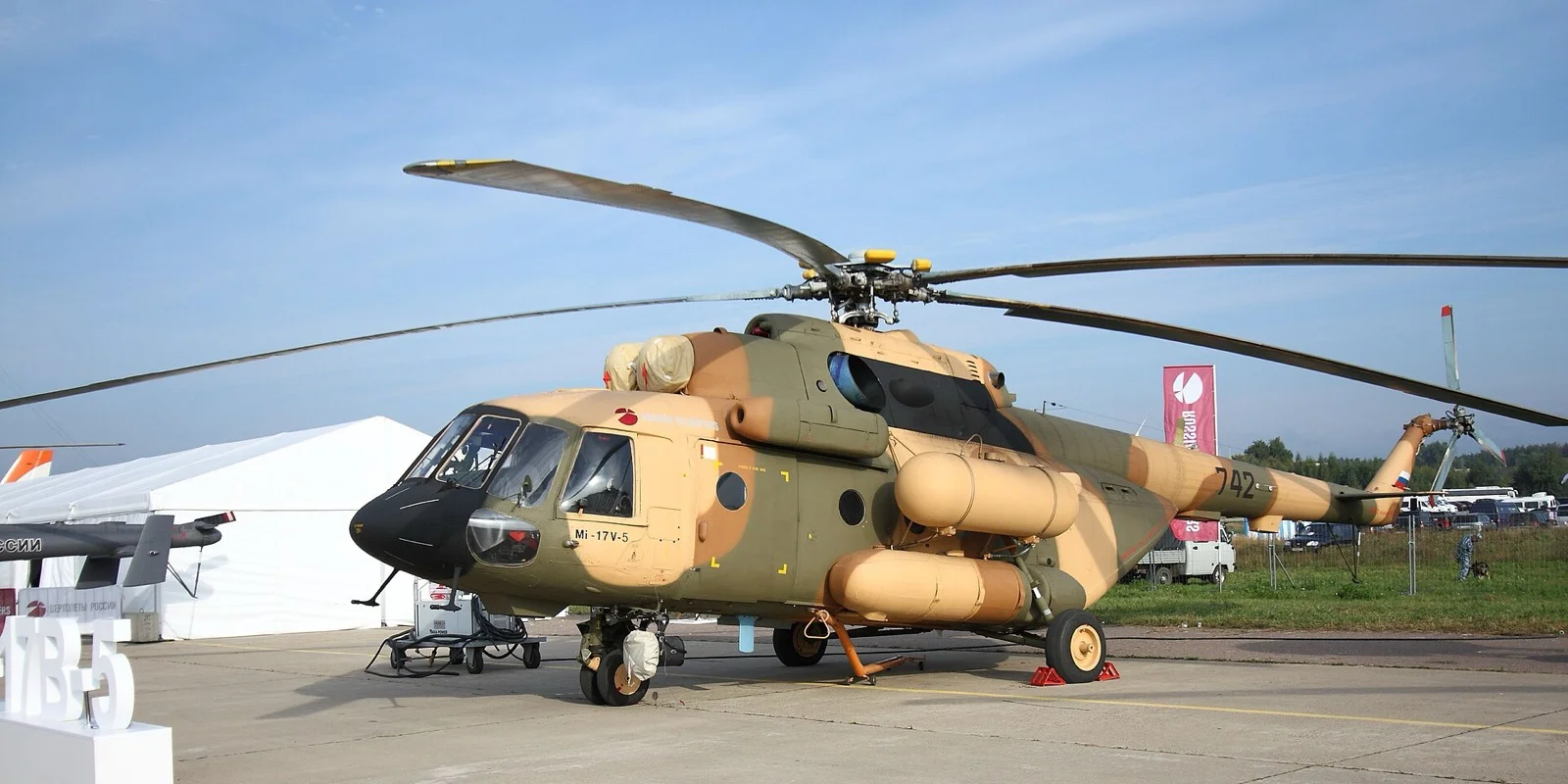
India holds third place with 594 helicopters, again a function of terrain: the Himalayan front above 4,000 metres to the north, desert border to the west, a long coastline to the south. In Ladakh, resupplying forward positions is almost exclusively a rotary task.
India occupies a special place in high-altitude helicopter operations. The HAL Dhruv, the armed Rudra derived from it, and the Prachand light combat helicopter are among the few combat rotorcraft anywhere capable of landing at extreme altitude. All are indigenous designs and count among the most successful Indian defence programmes.
The inventory also includes AH-64E Apaches, CH-47F Chinooks and a large Mi-17V-5 fleet. At sea, MH-60R anti-submarine helicopters have been acquired in response to Chinese submarine activity in the Indian Ocean, and New Delhi is pushing to accelerate an indigenous naval helicopter programme.
India flies just 11 more helicopters than Japan, but a far larger share of its fleet is of domestic design.
| Capability | Total |
|---|---|
| Helicopters | 594 |
| Total aircraft | 2,183 |
| Tanks | 3,913 |
| Active personnel | 1,431,000 |
| Defence budget | $109.00 bn |
Second place goes to a small country with an outsized fleet.
#2South Korea
Helicopter fleet · East Asia
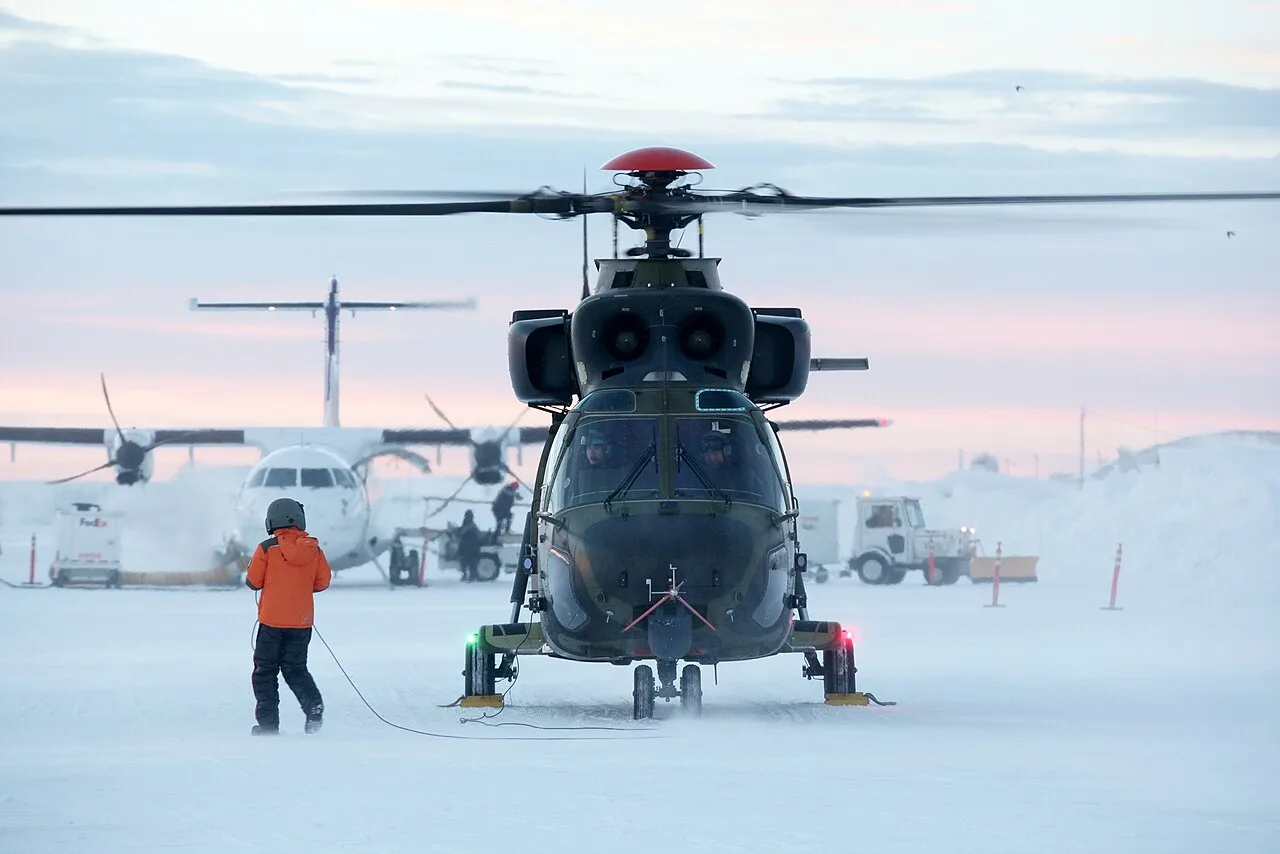
South Korea occupies about an eighth of Türkiye’s land area and flies 827 helicopters — the densest rotary fleet in Asia. The reason fits in one sentence: an army of 1.32 million sits immediately north of the border, and Seoul is only 50 kilometres from it.
In that scenario, reaction time is everything. Korean army aviation is structured to move infantry fast and blunt armoured thrusts in the opening hours of a conflict. AH-64E Apaches are central to that mission, with UH-60 and CH-47 fleets handling movement and resupply.
The more notable development is industrial. The KUH-1 Surion transport helicopter developed by KAI, and the LAH light attack helicopter derived from it, put South Korea among the countries that design their own rotorcraft. Surion is also produced in naval and coast guard variants, and both programmes have become part of Korea’s export push.
South Korea flies 233 more helicopters than India from a landmass about one thirty-third the size.
| Capability | Total |
|---|---|
| Helicopters | 827 |
| Total aircraft | 1,540 |
| Tanks | 1,831 |
| Active personnel | 450,000 |
| Defence budget | $44.80 bn |
And at the top, a fleet that grows every year.
#1China
Helicopter fleet · East Asia
China leads Asia with 1,007 helicopters, trailing only the United States and Russia globally. The figure is one of the clearest markers of how far the People’s Liberation Army has come in twenty years.
In the early 2000s Chinese rotary aviation was a genuine weakness. Today China builds its own attack helicopter, its own heavy lifter and its own naval types. The Z-10 gunship, the Z-20 utility helicopter and the Z-8/Z-18 heavy family are the products of that shift, with the Z-20 — outwardly similar to the Black Hawk but developed entirely in China — becoming the backbone of the fleet.
Two scenarios drive the expansion. The first is Taiwan, where helicopter-borne troops would play a central role in any amphibious operation and where Type 075 assault ships are purpose-built for the task. The second is the Indian border, where movement and resupply above 4,000 metres can only happen by air, prompting development of high-altitude variants.
Engines remain the weak link here as elsewhere in Chinese aviation: hot-and-high performance and service life still lag Western equivalents. Production volume, however, is unmatched. China is one of very few countries able to serially produce several helicopter types at once, and that capacity expands the inventory every year.
China’s 1,007 helicopters outnumber the combined fleets of the bottom five countries on this list (906).
| Capability | Total |
|---|---|
| Helicopters | 1,007 |
| Total aircraft | 3,529 |
| Tanks | 5,870 |
| Active personnel | 2,035,000 |
| Defence budget | $303.00 bn |
What Asia’s rotary map actually shows
The first conclusion is that helicopter inventories track geography almost perfectly. The upper half of this list is made up of archipelago states — Japan, Indonesia, the Philippines — and countries defending mountain frontiers: India, Pakistan, China. Armies that fight on open ground invest less in rotors and more in armour, as Vietnam and North Korea demonstrate.
The second is that domestic production has become decisive. China (Z-10, Z-20), South Korea (Surion, LAH), India (Dhruv, Prachand) and Indonesia (licence assembly) all build rotorcraft at home. The industrial threshold for helicopters is far lower than for combat aircraft, which makes them the natural entry point into defence manufacturing for mid-sized states.
The third is an open argument about the future of the attack helicopter. Japan intends to cut its gunship fleet and substitute unmanned systems, reading the lesson of Ukraine, where low-flying platforms proved fragile under saturated air defences. China, India and South Korea are doing the opposite and expanding theirs. The next decade will settle which read was right.
The fourth is that headcount is not availability. North Korea ranks eighth with 205 airframes, but sanctions-driven spares shortages and fuel constraints sharply limit what that fleet can actually do. Inventory tables never show that gap.
The fifth conclusion is that the helicopter remains irreplaceable. Unmanned systems have absorbed much of the reconnaissance and strike workload, but nothing yet substitutes for rotors in casualty evacuation, heavy lift, special forces insertion or anti-submarine work. That is precisely why Asian fleets keep growing. The competition over the next decade will not be about helicopter numbers, but about which forces can fly crewed rotorcraft and unmanned systems inside a single mission architecture.
Comparison table: Asia’s ten largest helicopter fleets (2026)
| # | Country | Helicopters | Total aircraft | Tanks | Active personnel | Defence budget |
|---|---|---|---|---|---|---|
| 1 | China | 1,007 | 3,529 | 5,870 | 2,035,000 | $303.00 bn |
| 2 | South Korea | 827 | 1,540 | 1,831 | 450,000 | $44.80 bn |
| 3 | India | 594 | 2,183 | 3,913 | 1,431,000 | $109.00 bn |
| 4 | Japan | 583 | 1,429 | 734 | 251,500 | $58.00 bn |
| 5 | Pakistan | 379 | 1,397 | 2,677 | 660,000 | $9.10 bn |
| 6 | Thailand | 258 | 496 | 744 | 360,850 | $6.01 bn |
| 7 | Indonesia | 212 | 460 | 331 | 404,500 | $11.16 bn |
| 8 | North Korea | 205 | 837 | 4,895 | 1,320,000 | $4.75 bn |
| 9 | Philippines | 130 | 204 | 18 | 160,000 | $6.57 bn |
| 10 | Vietnam | 101 | 265 | 1,999 | 450,000 | $10.20 bn |
| — | Türkiye (for comparison) | 509 | 1,101 | 2,284 | 481,000 | $51.40 bn |
A new ranking tomorrow
Coming next: Africa’s largest standing armies, the world’s biggest air inventories and Europe’s largest defence budgets.
Frequently Asked Questions
Which Asian country has the largest helicopter fleet?
China, with 1,007 helicopters, followed by South Korea (827) and India (594).
How many military helicopters does Türkiye operate?
509. Included in this Asian ranking, that would place Türkiye third, behind Japan and India.
Why does South Korea operate so many helicopters?
The world’s fourth-largest standing army is deployed immediately north of the border and Seoul is only 50 kilometres away. That scenario demands units be moved within hours, and rotary aviation is at the centre of that reaction time.
Which Asian countries build their own helicopters?
China (Z-10, Z-20), South Korea (KUH-1 Surion, LAH) and India (Dhruv, Prachand) produce indigenous designs; Indonesia assembles under licence. Türkiye belongs to the same group with the T129 ATAK, T929 ATAK-2 and T625 GÖKBEY.
What types does this ranking include?
All military helicopters across army, navy and air force aviation: attack, transport, maritime patrol, anti-submarine, search and rescue and training platforms.
Sources
- GlobalFirepower 2026 helicopter fleet strength ranking
- IISS The Military Balance
- SIPRI Arms Transfers Database
- National defence ministry and service statements
- Manufacturer technical documentation
- Source: https://www.globalfirepower.com/