The 10 Strongest Militaries in the Muslim World (2026)

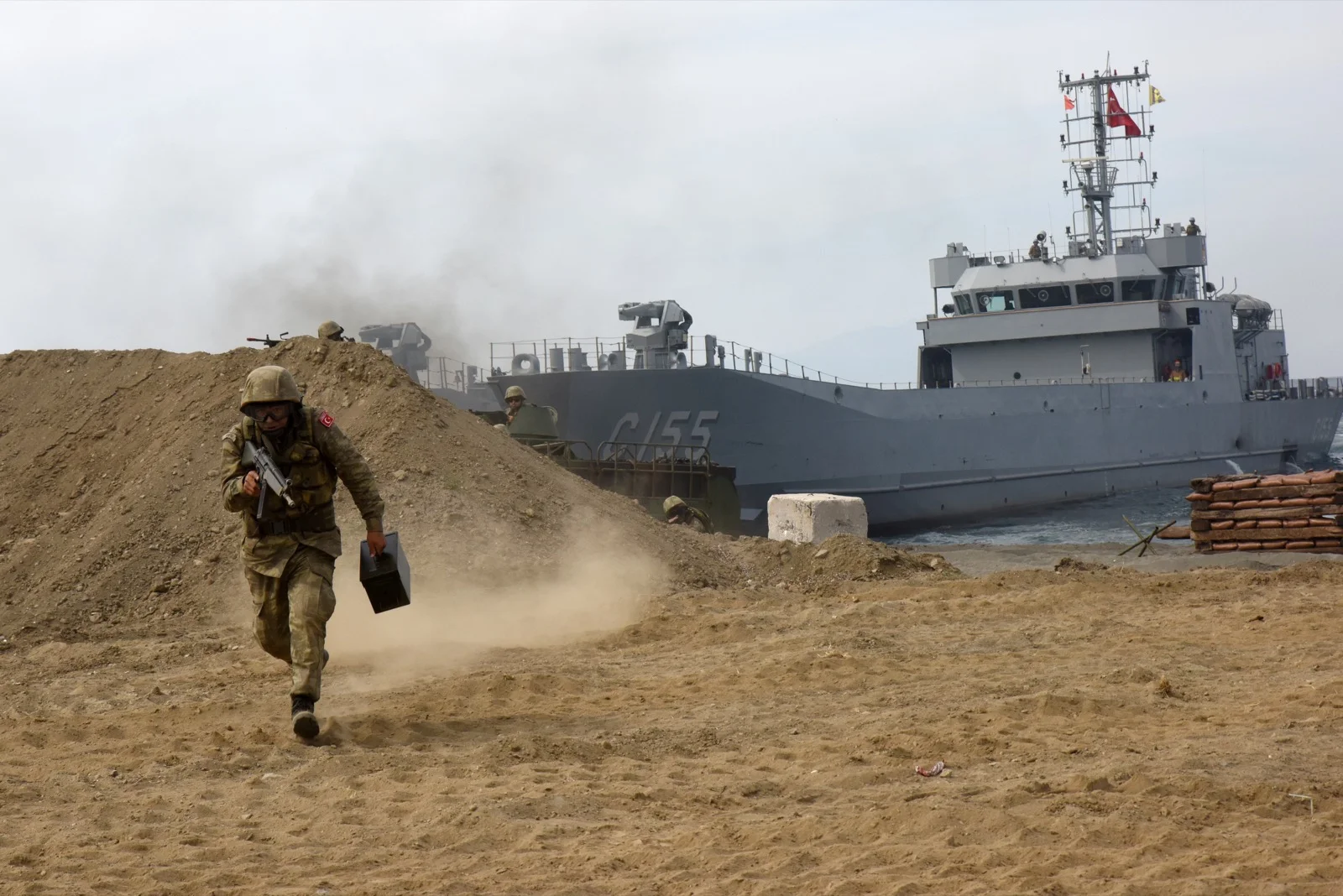
The Organisation of Islamic Cooperation brings together 57 member states, making it the second-largest intergovernmental body in the world. Its membership includes a nuclear-armed state, the world’s biggest oil exporters, several of the largest standing armies anywhere, and manufacturers that have reshaped the global defence export map over the past decade. It also contains a wider spread of military capability than almost any other bloc.
This ranking orders OIC member states by GlobalFirepower’s 2026 Power Index (PwrIndx), which combines more than sixty variables covering personnel, land, air and naval inventories, logistics, geography, natural resources and financial capacity. A lower score means a stronger military; 0.0000 represents theoretical perfection.
So which ten militaries lead the Muslim world in 2026? Who is at the top, where does the bloc’s biggest defence spender actually rank, and which member is the only one inside the global top ten? The countdown starts at ten.
The index measures conventional capability only; nuclear arsenals are not counted. Nor does it directly capture combat experience, command quality or training standards. Read it as a starting point, then look at what each inventory is made of.
#10Malaysia
Military Power Index · Southeast Asia
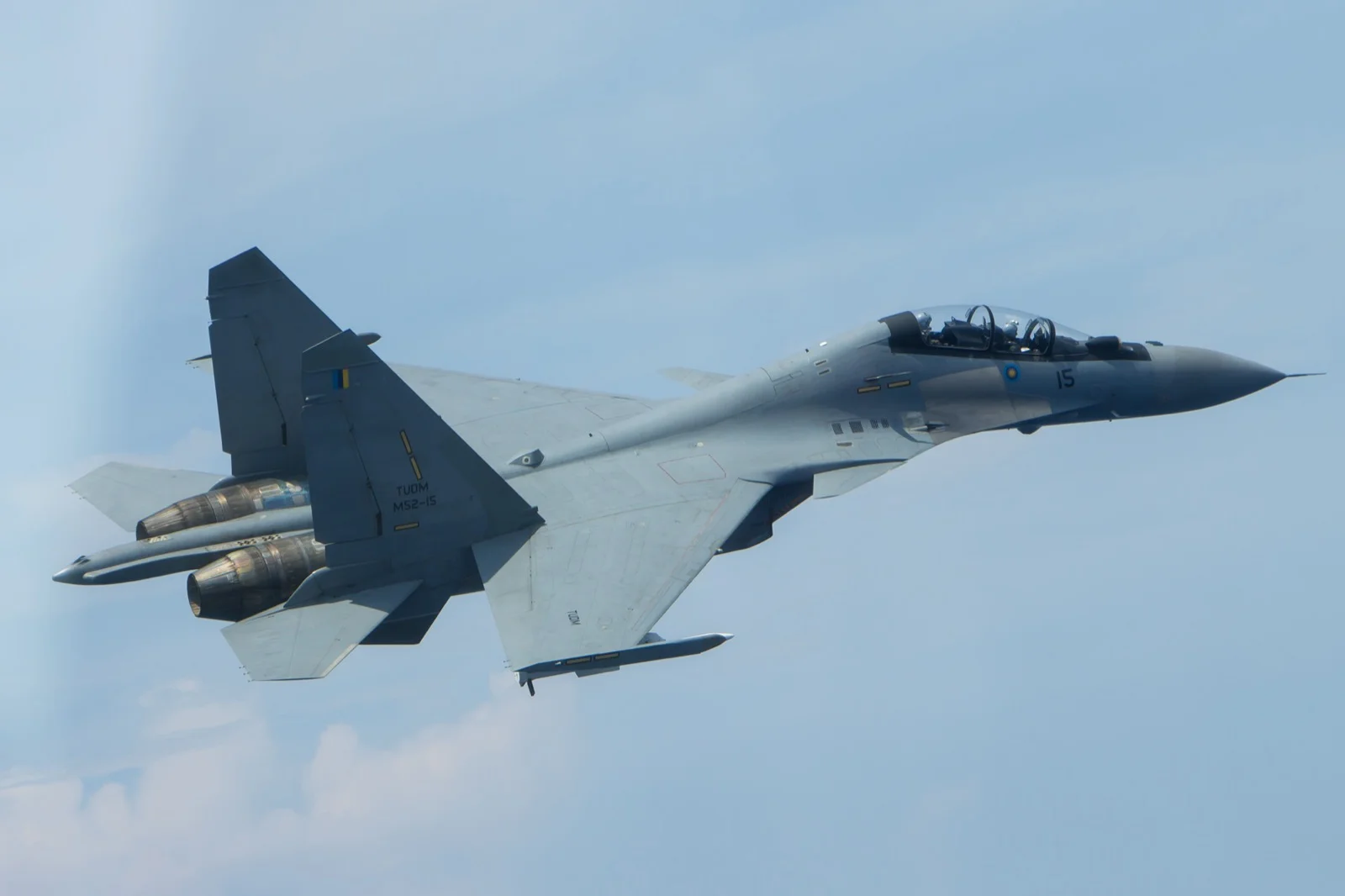
Malaysia opens the list at 0.7379. Its defence model leans on naval and air power rather than land forces, and geography explains why: Malaysia sits astride the Strait of Malacca, one of the busiest waterways in global trade, which makes maritime security the first priority.
The air force is built around Su-30MKM fighters, supplemented by FA-50 light combat aircraft from South Korea. The navy fields 100 vessels and two Scorpène-class submarines, a balanced regional force. On land there are just 48 tanks; Malaysian armour is built around wheeled vehicles rather than heavy tracked platforms.
Two issues dominate Kuala Lumpur’s agenda: maritime jurisdiction disputes in the South China Sea and security in Sabah. Malaysia is also working to grow its defence industry, with local shipbuilding and armoured vehicle production at the centre of that effort, and defence cooperation with Türkiye has expanded in recent years.
Malaysia outspends Bangladesh by $1.8 billion while fielding about half as many active personnel.
| Capability | Total |
|---|---|
| Active personnel | 113,000 |
| Tanks | 48 |
| Total aircraft | 132 |
| Naval vessels | 100 |
| Defence budget | $5.10 bn |
One place higher: the army of one of the world’s most populous nations.
#9Bangladesh
Military Power Index · South Asia
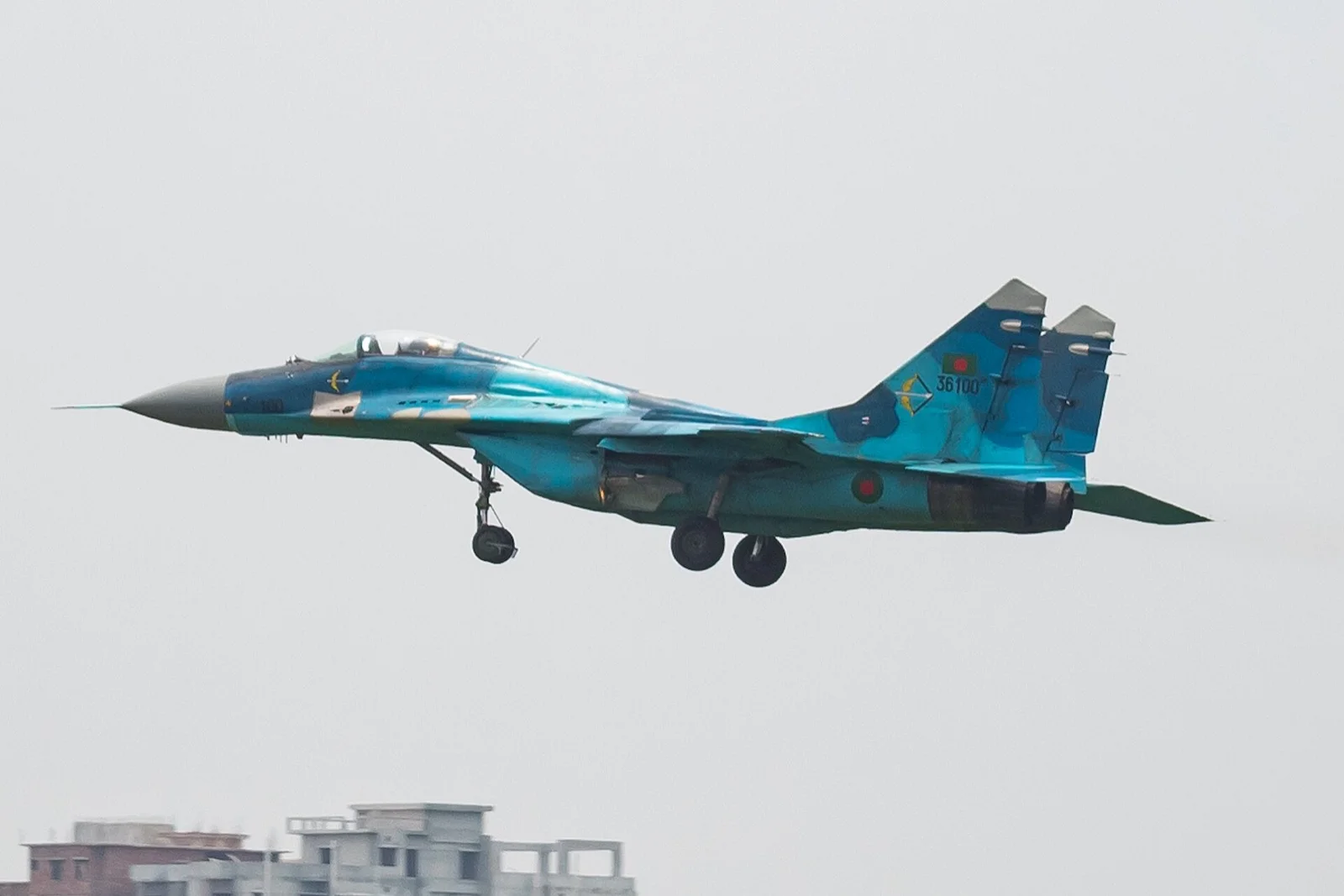
Bangladesh ranks ninth at 0.6517. With more than 170 million people it is the eighth most populous country on earth, yet keeps only 204,000 troops under arms — a deliberate choice, since Dhaka has to balance defence against development spending.
The Bangladesh Armed Forces are among the largest contributors of personnel to United Nations peacekeeping operations, which gives the force genuine expeditionary and logistics experience. The inventory includes 320 tanks, 212 aircraft, 121 naval vessels and two submarines, making Bangladesh one of the few submarine operators in the Bay of Bengal.
Planning is shaped by the refugee crisis on the Myanmar border, maritime boundaries in the Bay of Bengal, and climate-driven disaster response. The Forces Goal 2030 plan sets out a phased modernisation, and systems procured from Türkiye have become part of it.
Bangladesh fields 91,000 more troops than Malaysia and more than six times as many tanks — a neat summary of two different doctrines.
| Capability | Total |
|---|---|
| Active personnel | 204,000 |
| Tanks | 320 |
| Total aircraft | 212 |
| Naval vessels | 121 |
| Defence budget | $3.34 bn |
Next up: Africa’s most populous country.
#8Nigeria
Military Power Index · West Africa
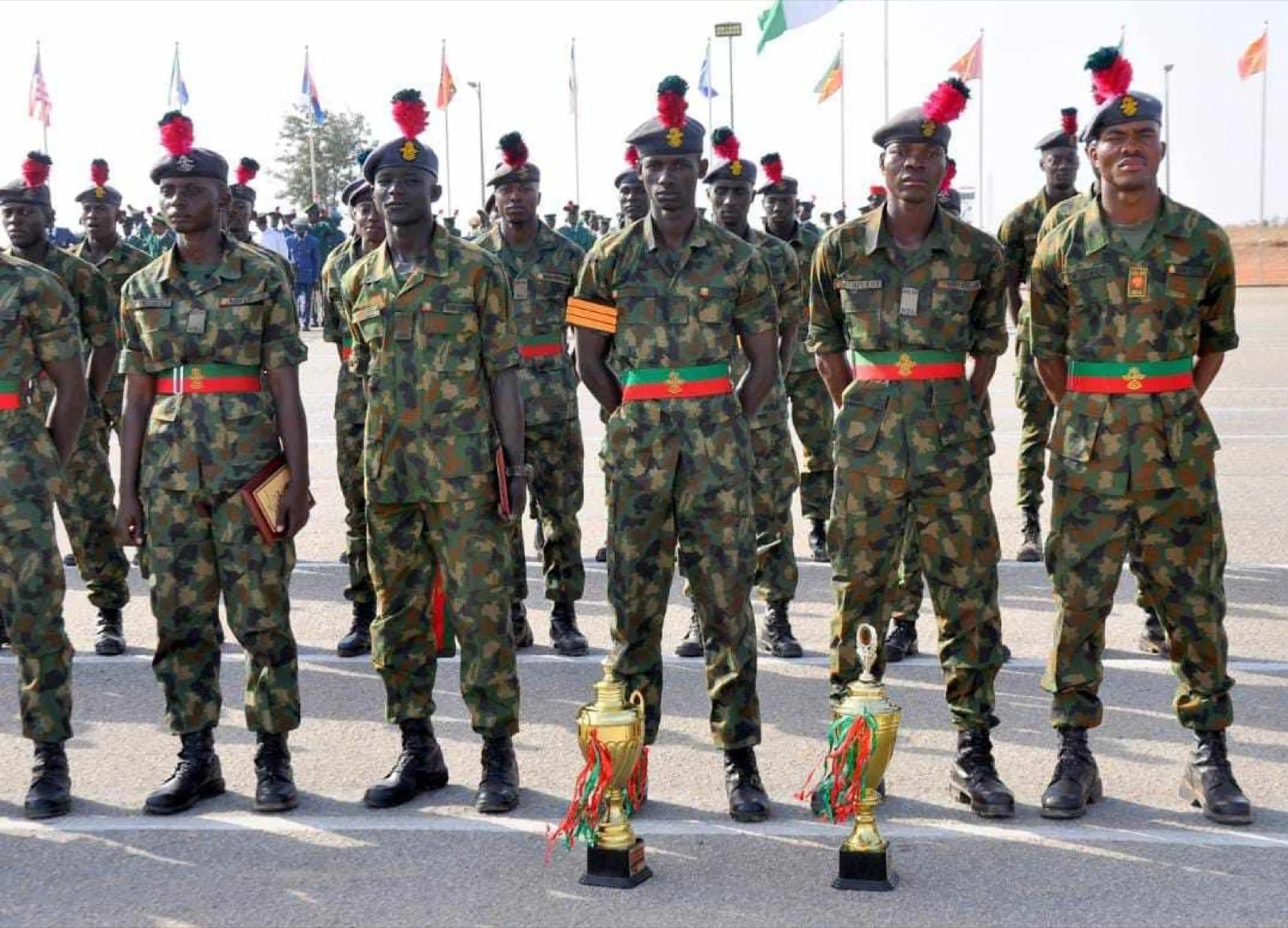
Nigeria takes eighth place at 0.6097, the strongest OIC member military in sub-Saharan Africa. A population above 230 million and a strategic position on the Gulf of Guinea give it regional responsibilities well beyond its borders.
The agenda is dominated by internal security: Boko Haram and its offshoots in the northeast, organised criminal groups in the northwest, and protection of energy infrastructure in the Niger Delta. A navy of 152 vessels, among Africa’s largest, plays an active role against piracy in the Gulf of Guinea.
The decisive change of recent years has been in the air. Armed unmanned aircraft procured from Türkiye transformed reconnaissance and strike reach across a vast and difficult country — capability acquired at a fraction of the cost of standing up a fighter fleet, allowing Abuja to raise its operational tempo. A $3.9 billion budget and persistent serviceability problems remain the weak links.
Nigeria fields 26,000 more troops than Bangladesh and spends $560 million more, yet has a smaller air inventory.
| Capability | Total |
|---|---|
| Active personnel | 230,000 |
| Tanks | 330 |
| Total aircraft | 159 |
| Naval vessels | 152 |
| Defence budget | $3.90 bn |
Into the top seven, starting with North Africa’s most modern inventory.
#7Algeria
Military Power Index · North Africa
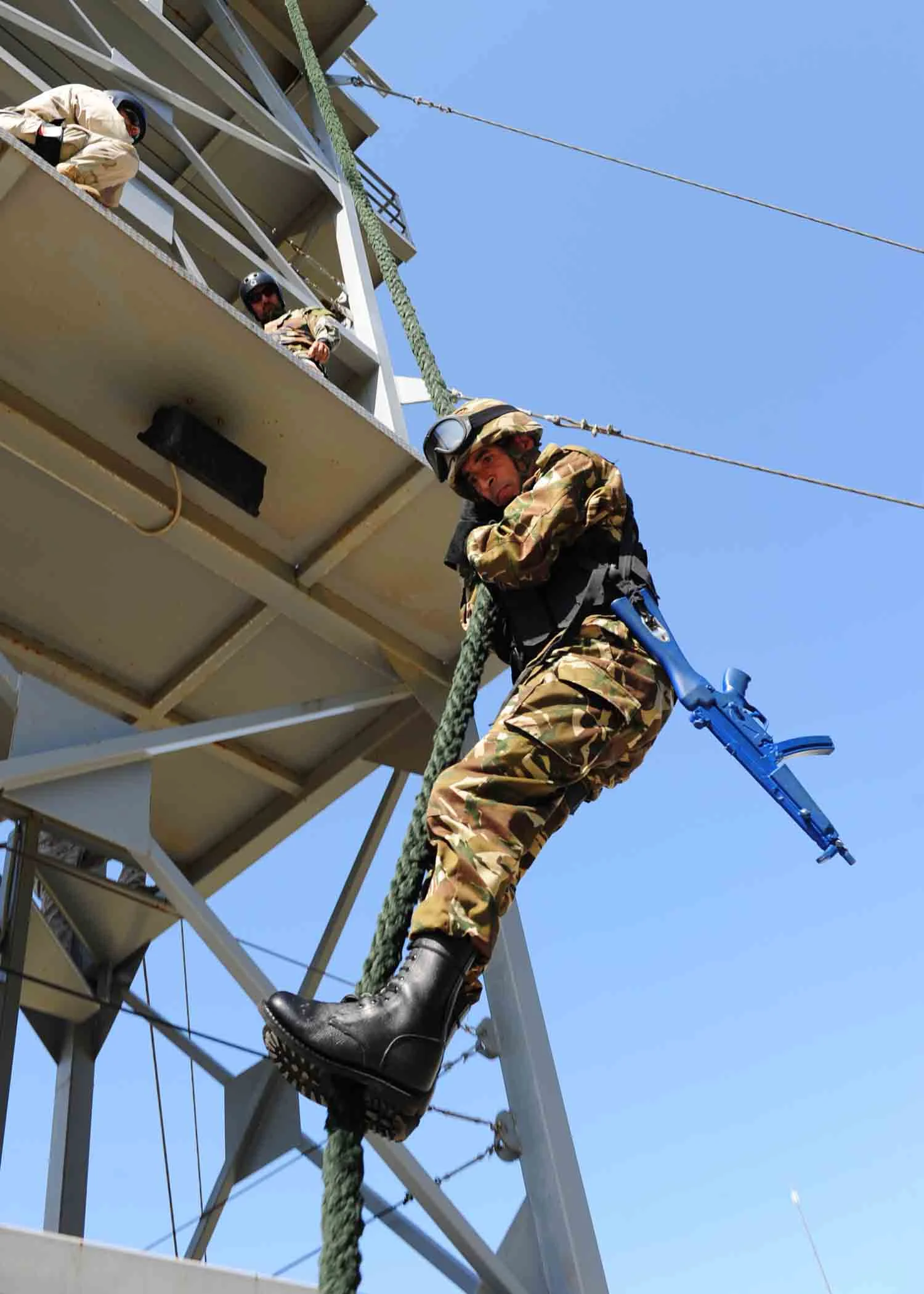
Algeria sits seventh at 0.4849 and is the second-strongest military on the African continent after Egypt. Its model substitutes firepower and modern equipment for mass: 130,000 active personnel against 1,485 tanks, 620 aircraft and 300 helicopters.
Most of that inventory is Russian in origin. T-90SA tanks, Su-30MKA fighters, the S-400 air defence system and six Kilo-class submarines make Algeria one of the most significant military actors on the southern Mediterranean shore, funded by a $25 billion budget underwritten by gas and oil revenue.
Two concerns drive planning: regional rivalry with Morocco and the security vacuum in the Sahel. Instability along the Malian, Nigerien and Libyan borders has pushed heavy investment into frontier security. Algiers has recently begun diversifying suppliers, with Chinese and European systems entering service alongside an accelerating push for domestic production.
Algeria fields 100,000 fewer troops than Nigeria but four and a half times the tanks and four times the aircraft.
| Capability | Total |
|---|---|
| Active personnel | 130,000 |
| Tanks | 1,485 |
| Total aircraft | 620 |
| Naval vessels | 111 |
| Defence budget | $25.00 bn |
The next country has the largest defence budget on this list.
#6Saudi Arabia
Military Power Index · Gulf
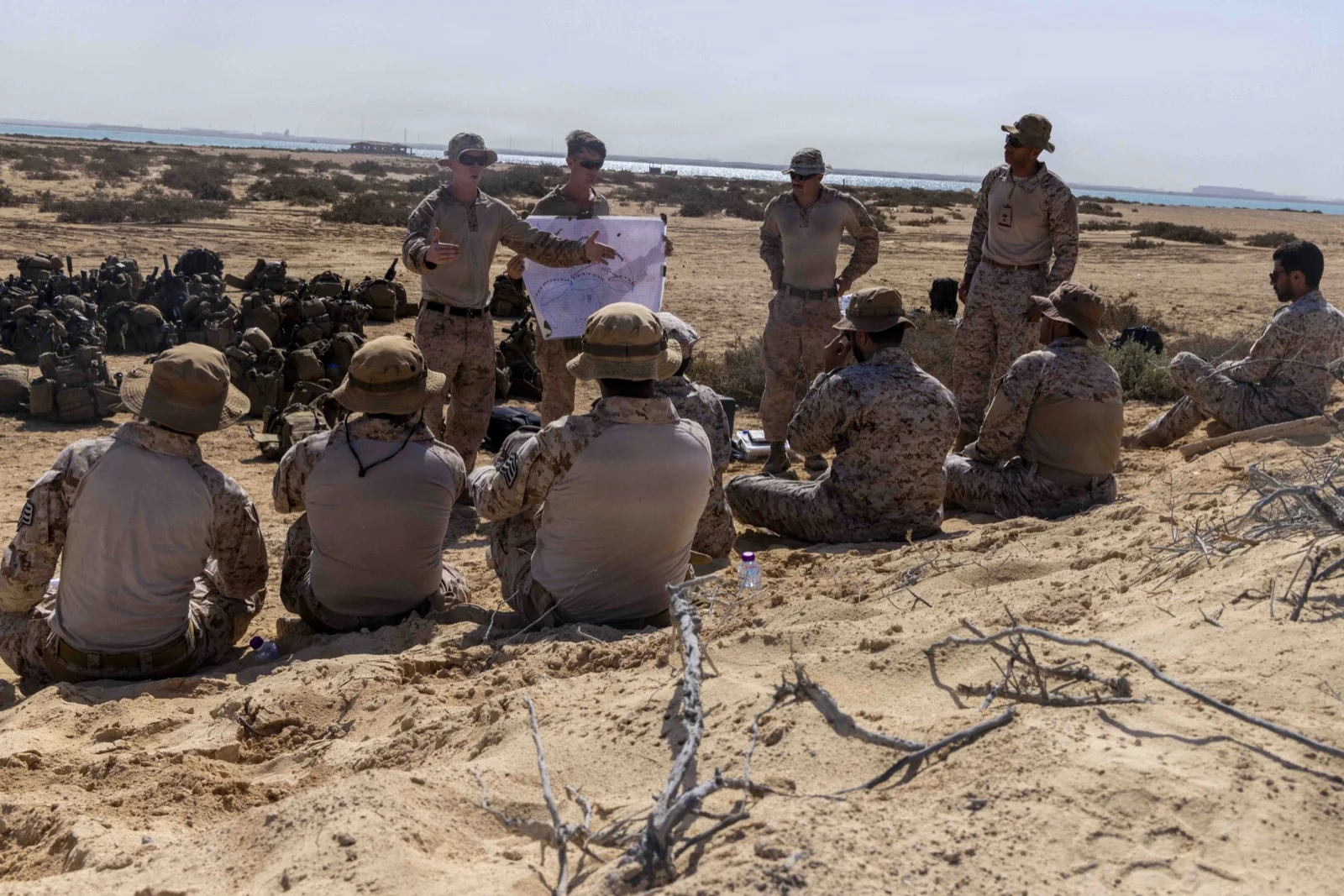
Saudi Arabia spends $63.99 billion, more than any other country on this list, and ranks sixth. It is one of the clearest demonstrations anywhere that the relationship between budget and military power is not linear.
Riyadh’s spending is weighted heavily toward air power and air defence. With 917 aircraft and 283 fighters, the kingdom fields one of the strongest air forces in the Middle East, with F-15SA, Typhoon and Tornado fleets backed by Patriot and THAAD layers. The maritime side is conspicuously thin: 32 naval vessels and no submarines at all.
Under Vision 2030, the declared aim is to localise half of military spending. SAMI is the industrial vehicle for that, and Riyadh has pursued co-production talks with several partners including Türkiye, with unmanned aircraft agreements signed with Turkish firms among the most concrete steps so far.
Saudi Arabia outspends Algeria by $39 billion, yet fields fewer tanks and no submarines.
| Capability | Total |
|---|---|
| Active personnel | 247,000 |
| Tanks | 1,085 |
| Total aircraft | 917 |
| Naval vessels | 32 |
| Defence budget | $63.99 bn |
Into the top five — and the deepest inventory in the Arab world.
#5Egypt
Military Power Index · North Africa
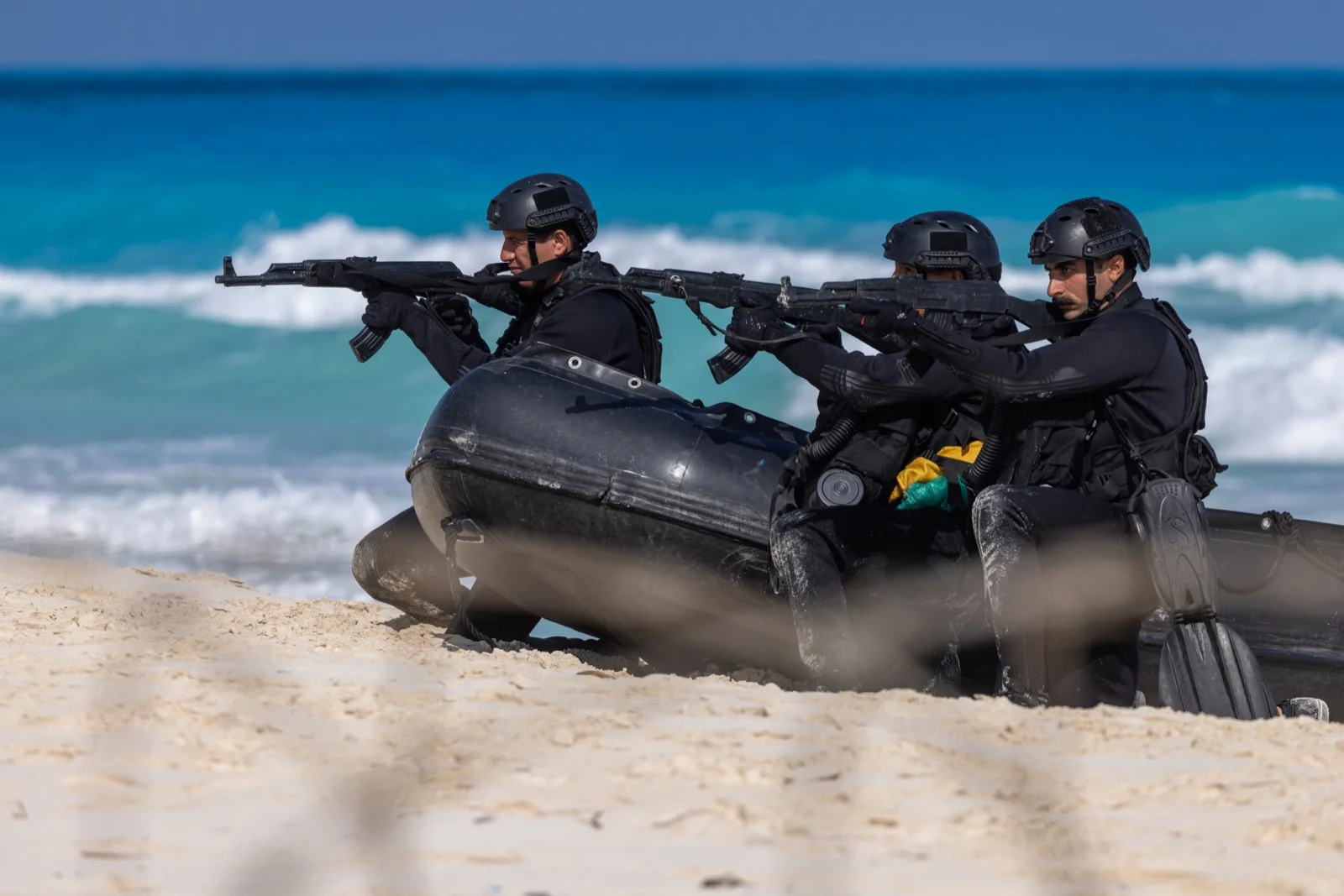
Egypt ranks fifth at 0.3651 with the deepest inventory in the Arab world: 3,620 tanks, 1,088 aircraft, 149 naval vessels, eight submarines and 438,500 active personnel. No other country in Africa or the Arab world comes close on combined mass.
Supplier diversity defines that inventory, with American, French, Russian, German, Italian and Chinese systems in simultaneous service. The flexibility is political; the cost is in munitions, maintenance chains and the difficulty of building common datalinks. With two Mistral-class ships, Egypt is one of very few regional operators of helicopter carriers.
Egyptian planning is multi-directional: instability in Libya to the west, civil war in Sudan to the south, security operations in Sinai to the east, and the Nile dam dispute upstream. Securing the Suez Canal adds a global dimension. The official budget of $5.19 billion shows how much of the inventory is financed through long-term credit and military assistance.
Egypt spends a twelfth of what Saudi Arabia does, yet operates more than three times the tanks and four times the naval vessels.
| Capability | Total |
|---|---|
| Active personnel | 438,500 |
| Tanks | 3,620 |
| Total aircraft | 1,088 |
| Naval vessels | 149 |
| Defence budget | $5.19 bn |
Fourth place goes to a military built entirely under sanctions.
#4Iran
Military Power Index · Middle East
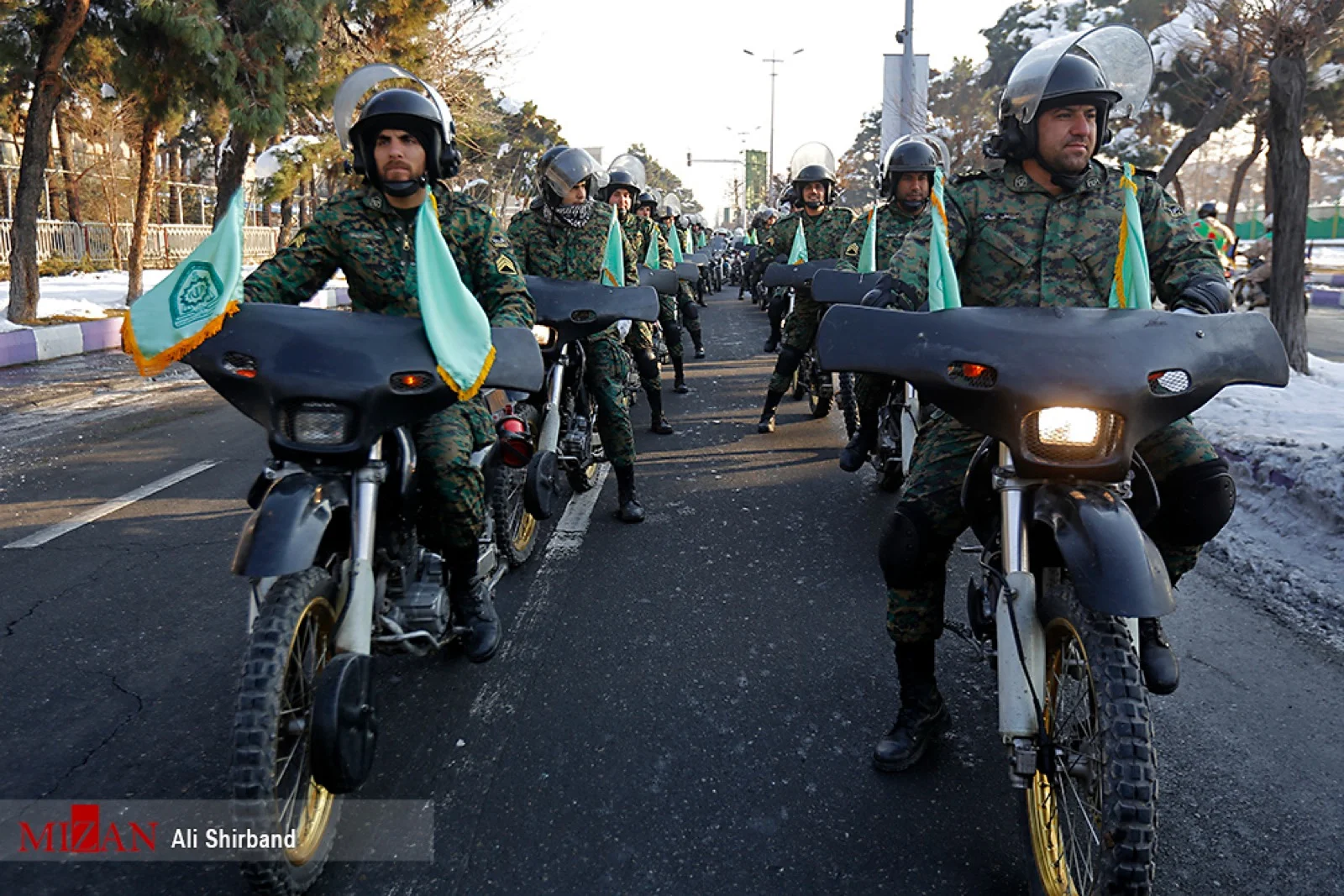
Iran ranks fourth at 0.3199. Decades of sanctions shaped the structure of its forces and the composition of its inventory: a large land force of 2,675 tanks and 610,000 active personnel, set against an air inventory of 551 aircraft, much of it obsolete.
The Iranian air force still flies F-14s, F-4s and F-5s delivered before 1979, and keeping those airframes serviceable is a considerable engineering effort in itself. Sanctions blocked modern fighter procurement for decades, and that gap pushed the country toward ballistic missile and unmanned aircraft programmes instead.
At sea, Iran lists 25 submarines, though most are midget-class boats. The doctrine is asymmetric naval warfare in the confined waters of the Gulf: fast attack craft, naval mines and coastal defence missiles. Command is split between the regular armed forces and the Revolutionary Guard, which means the inventory itself is divided between two structures.
Iran fields 171,500 more troops than Egypt but fewer tanks and roughly half the aircraft.
| Capability | Total |
|---|---|
| Active personnel | 610,000 |
| Tanks | 2,675 |
| Total aircraft | 551 |
| Naval vessels | 109 |
| Defence budget | $9.23 bn |
Third place belongs to the only nuclear-armed state in the Muslim world.
#3Pakistan
Military Power Index · South Asia
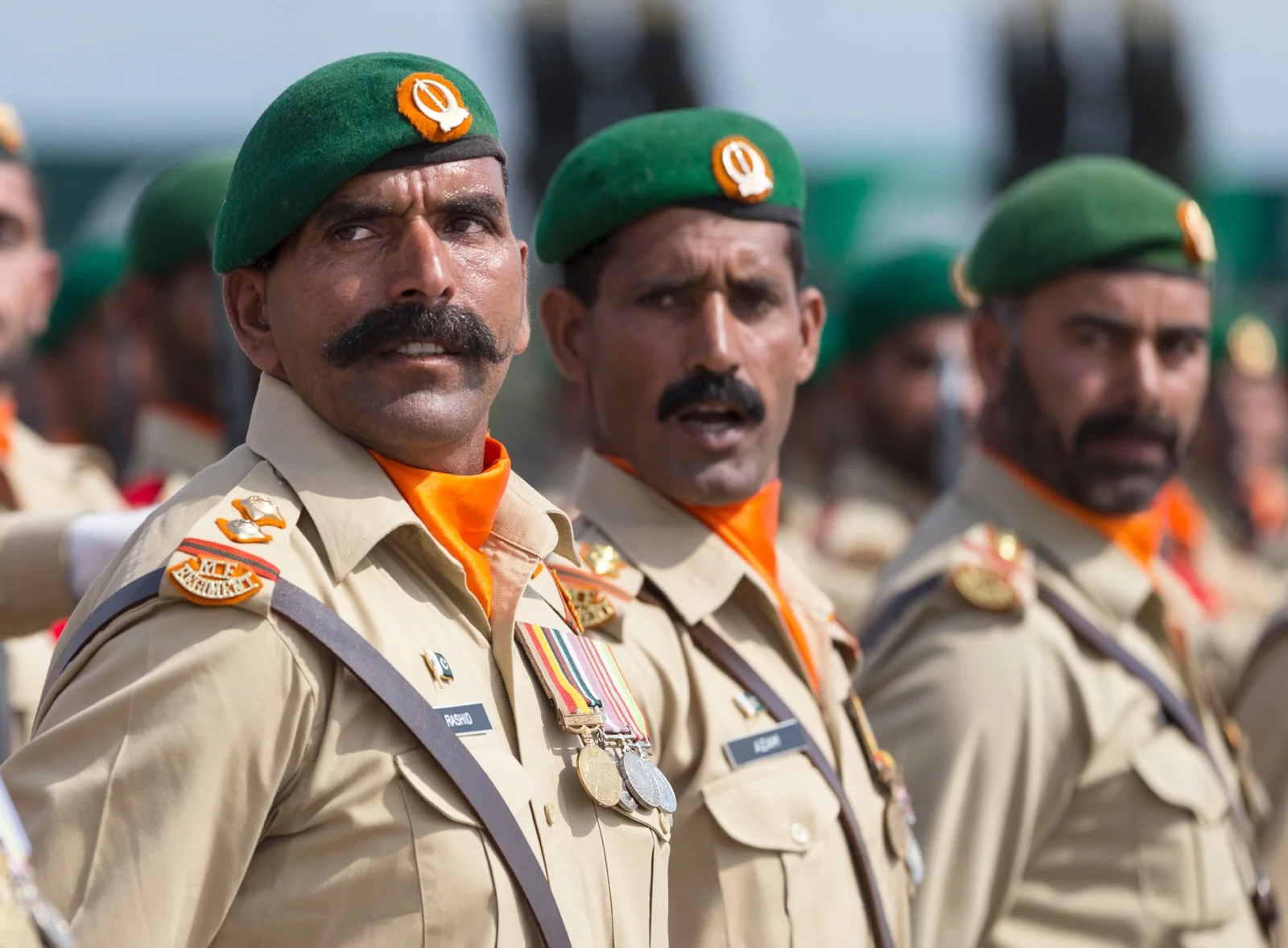
Pakistan takes third at 0.2626 and is the only nuclear-armed state on this list. GlobalFirepower’s index does not count nuclear capability, so the placement reflects conventional strength alone.
Relative to its budget, the Pakistani inventory is extraordinary: 2,677 tanks, 1,397 aircraft and 660,000 active personnel on $9.1 billion. Co-production and cost discipline are the formula. The JF-17 Thunder, developed with China and assembled largely at home, freed the air force from Western export controls.
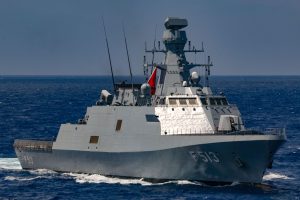
Doctrine is built around a single scenario: offsetting Indian numerical advantage through readiness and technology, hence the emphasis on airborne early warning, integrated air defence and short reaction times. Pakistan also maintains a deep defence relationship with Türkiye, most visibly in the Babur-class corvettes built under the MİLGEM programme.
Pakistan fields 50,000 more troops than Iran and two and a half times the aircraft, on virtually identical defence budgets.
| Capability | Total |
|---|---|
| Active personnel | 660,000 |
| Tanks | 2,677 |
| Total aircraft | 1,397 |
| Naval vessels | 120 |
| Defence budget | $9.10 bn |
Second place goes to the country with the largest Muslim population on earth.
#2Indonesia
Military Power Index · Southeast Asia
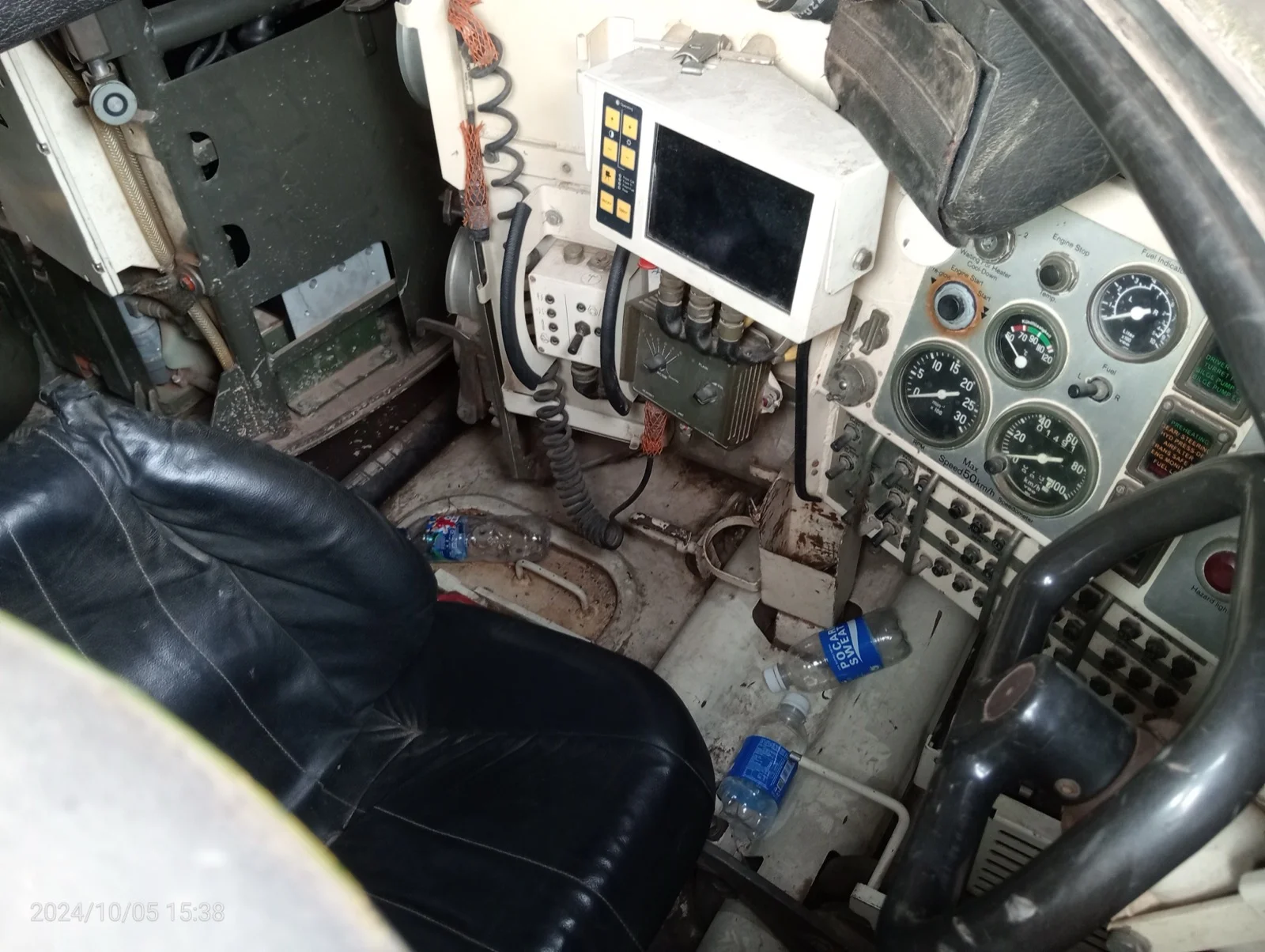
Indonesia ranks second at 0.2582 and thirteenth worldwide. With more than 280 million people it is the most populous Muslim-majority country, and it is spread across more than 17,000 islands.
That geography dictates everything. With 338 naval vessels, Indonesia operates one of the largest fleets in the region, with four submarines and an extensive patrol force built for sea lane control. A total of 212 helicopters and 460 aircraft provide inter-island mobility. Just 331 tanks round out the land force — heavy armour has limited use in an archipelago.
Jakarta’s defence industry is growing fast. PT PAL builds submarines and landing ships, PT Dirgantara Indonesia assembles helicopters and transport aircraft, PT Pindad produces armoured vehicles and small arms. Indonesia is also one of the countries expanding defence industrial cooperation with Türkiye, with joint work on unmanned systems and armoured vehicles at the centre of the relationship.
Indonesia fields 255,500 fewer troops than Pakistan but operates nearly three times as many naval vessels and spends $2 billion more.
| Capability | Total |
|---|---|
| Active personnel | 404,500 |
| Tanks | 331 |
| Total aircraft | 460 |
| Naval vessels | 338 |
| Defence budget | $11.16 bn |
And at the top, the only member state inside the global top ten.
#1Türkiye
Military Power Index · NATO / Middle East
Türkiye leads the Muslim world at 0.1975 and ranks ninth globally — a position no other member state approaches. Second-placed Indonesia sits thirteenth worldwide, third-placed Pakistan fourteenth.
Inventory depth is what produces that gap: 481,000 active personnel, 2,284 tanks, 1,101 aircraft, 509 helicopters, 192 naval vessels and 14 submarines. Within NATO, Türkiye has the second-largest standing army and the second-largest air inventory after the United States. Among OIC members it is the only country in the top three on land, air and naval lines simultaneously.
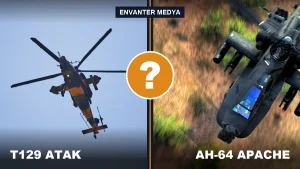
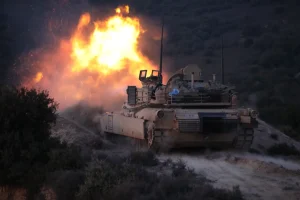
What really separates Türkiye from the rest of this list is not headcount but production. It is one of very few countries developing its own main battle tank, its own corvettes and frigates, its own attack helicopter, its own unmanned combat aircraft and its own fighter. The domestic content of the inventory has changed fundamentally over two decades, and defence exports have moved the country from buyer to supplier.
Türkiye’s 14 submarines outnumber the combined fleets of second-placed Indonesia and third-placed Pakistan.
| Capability | Total |
|---|---|
| Active personnel | 481,000 |
| Tanks | 2,284 |
| Total aircraft | 1,101 |
| Naval vessels | 192 |
| Defence budget | $51.40 bn |
What the Muslim world’s military map actually shows
The first conclusion is the sheer spread inside this bloc. Türkiye at the top ranks ninth in the world; Malaysia at the bottom of this list ranks forty-second. That distance is wider than in almost any regional grouping. The OIC is not a homogeneous military bloc; it contains both globally significant powers and forces of very limited reach.
The second is how weakly spending predicts strength. Saudi Arabia spends more than anyone else here and places sixth. Pakistan places third on $9.1 billion, Egypt fifth on $5.19 billion. What matters is not the size of the budget but how much of it converts into durable inventory and domestic capacity.
The third is that indigenous industry has become the decisive variable. All three leaders — Türkiye, Indonesia and Pakistan — build their own platforms. Türkiye produces tanks, ships, helicopters and aircraft; Pakistan assembles fighters through co-production; Indonesia builds ships and armoured vehicles. Militaries that rely purely on imports buy less capability per dollar and inherit end-use restrictions with it.
The fourth is that unmanned systems are shifting balances inside this bloc faster than anything else. Nigeria, Algeria, Morocco, Saudi Arabia, Indonesia, Bangladesh and many others have added armed UAVs in recent years, acquiring reconnaissance and strike reach far below the cost of a fighter fleet. Türkiye leads the bloc decisively in both fielded capability and exports, which is reshaping the direction of defence cooperation across it.
The fifth conclusion is that partnership now matters more than position in a table. The MİLGEM programme with Pakistan, and co-production and technology transfer agreements between Türkiye and Indonesia, Malaysia, Nigeria, Bangladesh and the Gulf states, are building a new procurement ecosystem inside this bloc. Compared with traditional suppliers it offers three advantages: systems without end-use restrictions, packages that include technology transfer, and a production share for local industry. What will define the next decade is not who owns the most tanks or aircraft, but which of these countries can build together.
Comparison table: the ten strongest militaries in the Muslim world (2026)
| # | Country | Power Index | World rank | Active personnel | Tanks | Aircraft | Naval vessels |
|---|---|---|---|---|---|---|---|
| 1 | Türkiye | 0.1975 | 9 | 481,000 | 2,284 | 1,101 | 192 |
| 2 | Indonesia | 0.2582 | 13 | 404,500 | 331 | 460 | 338 |
| 3 | Pakistan | 0.2626 | 14 | 660,000 | 2,677 | 1,397 | 120 |
| 4 | Iran | 0.3199 | 16 | 610,000 | 2,675 | 551 | 109 |
| 5 | Egypt | 0.3651 | 19 | 438,500 | 3,620 | 1,088 | 149 |
| 6 | Saudi Arabia | 0.4473 | 25 | 247,000 | 1,085 | 917 | 32 |
| 7 | Algeria | 0.4849 | 27 | 130,000 | 1,485 | 620 | 111 |
| 8 | Nigeria | 0.6097 | 33 | 230,000 | 330 | 159 | 152 |
| 9 | Bangladesh | 0.6517 | 37 | 204,000 | 320 | 212 | 121 |
| 10 | Malaysia | 0.7379 | 42 | 113,000 | 48 | 132 | 100 |
A new ranking tomorrow
Coming next: the world’s largest air inventories, Europe’s biggest defence budgets and Asia’s largest helicopter fleets.
Frequently Asked Questions
Which country has the strongest military in the Muslim world?
Türkiye, with a Power Index of 0.1975 — first among OIC members and ninth globally.
Which countries does this ranking cover?
Member states of the Organisation of Islamic Cooperation, ranked by GlobalFirepower’s 2026 Power Index.
How is the Power Index calculated?
It combines more than sixty variables covering personnel, land, air and naval inventories, logistics, geography, natural resources and financial capacity. A lower score indicates a stronger military, with 0.0000 as theoretical perfection.
Are nuclear weapons included?
No. The index measures conventional capability only, which affects the placement of Pakistan, the only nuclear-armed state on this list.
Why is Saudi Arabia only sixth despite spending the most?
Budget size does not translate directly into military power. What counts is how much converts into durable inventory, domestic production and a balanced force. Saudi air power is formidable, but naval capability is limited and the kingdom operates no submarines.
Sources
- GlobalFirepower 2026 Power Index (PwrIndx) ranking
- Organisation of Islamic Cooperation member state list
- IISS The Military Balance
- SIPRI Military Expenditure and Arms Transfers databases
- National defence ministry statements
- Source: https://www.globalfirepower.com/