Africa’s 10 Biggest Defence Budgets in 2026

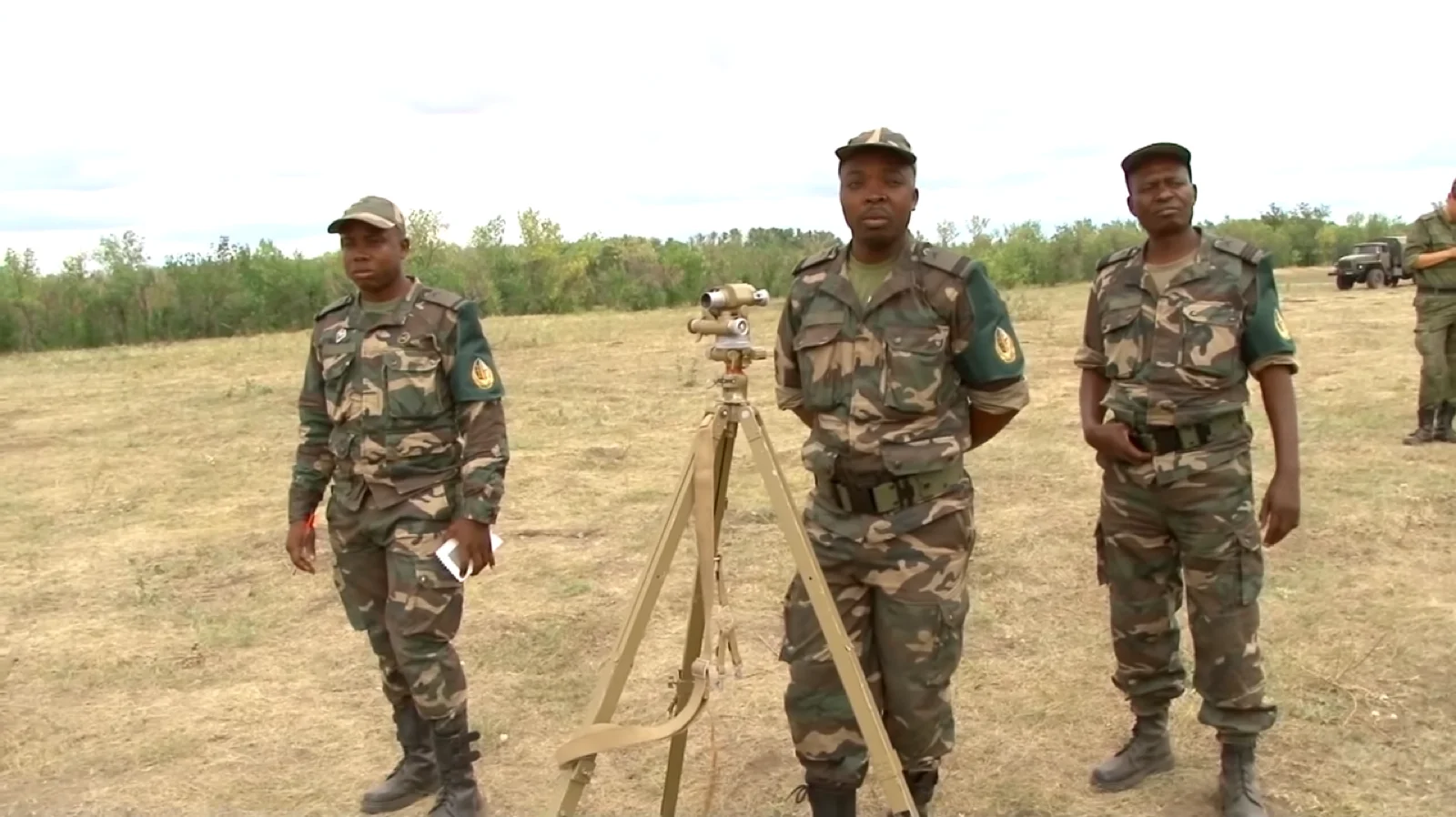
Africa is among the fastest-growing defence spending markets in the world. Armed groups spreading across the Sahel, maritime insecurity in the Red Sea and Gulf of Aden, classical inter-state rivalry in North Africa and piracy in the Gulf of Guinea each generate their own budget line.
But reading an African defence budget demands more caution than anywhere else. In some countries a large share of military spending never appears in the published budget; in others, economic enterprises run by the armed forces provide a parallel revenue stream. The declared figure is often a poor proxy for real capability.
So which ten countries have Africa’s largest defence budgets? Where does Egypt sit, is Algeria on top — and what role does the Turkish defence industry now play across the continent? The countdown starts at ten.
The ranking uses GlobalFirepower’s 2026 dataset of announced annual allocations. It is not adjusted for purchasing power parity, a detail that matters particularly in Africa where personnel costs are comparatively low.
#10Zimbabwe
Defence budget · Southern Africa
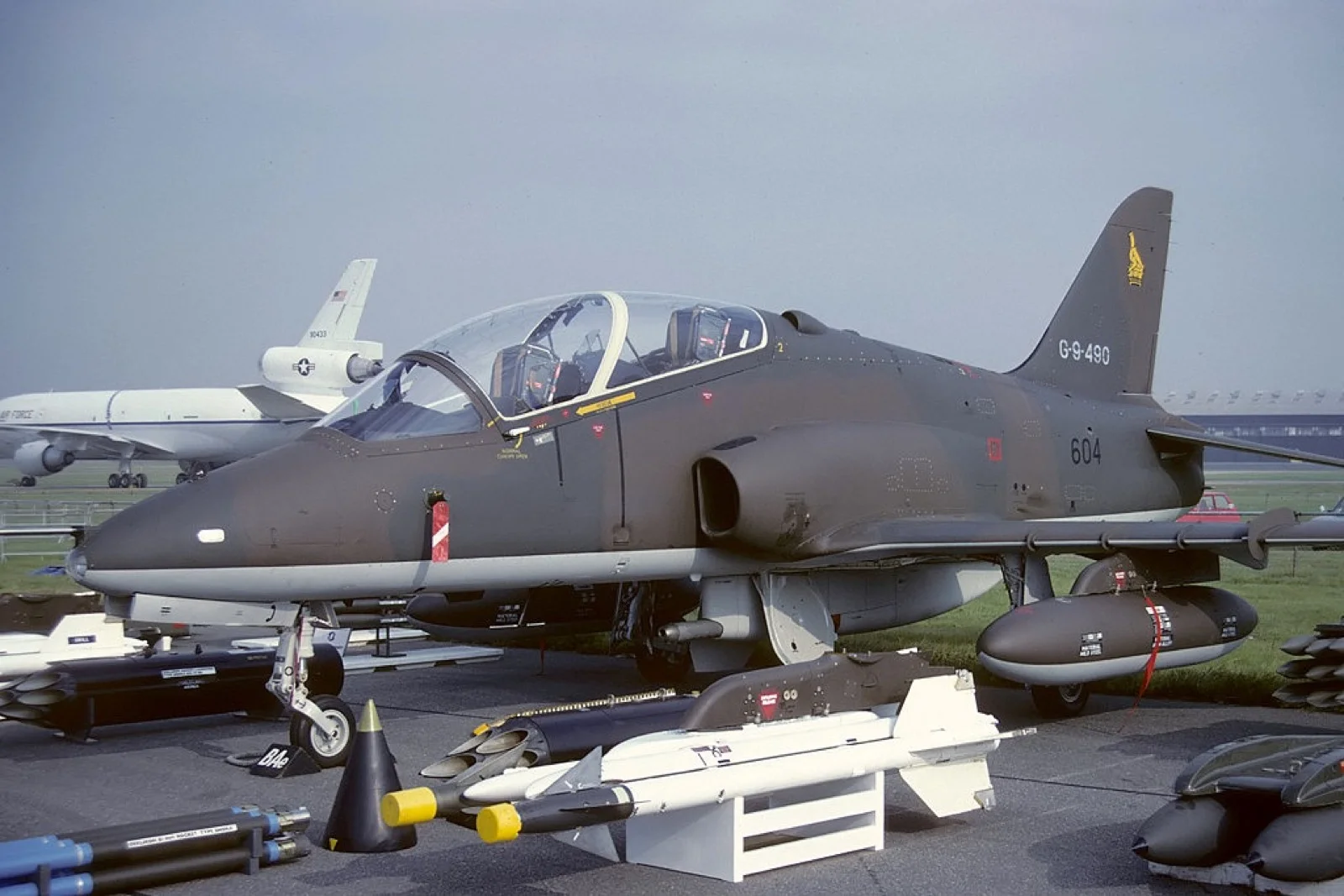
Zimbabwe enters Africa’s top ten at $1.98 billion, a figure that represents a heavy burden measured against the size of the economy. Decades of currency crisis and high inflation have sharply constrained procurement.
The inventory shows it: 60 tanks, 80 aircraft and 28 helicopters. The air force still rests largely on BAe Hawk 60 trainers acquired in the 1980s and Chinese K-8 Karakorums. Landlocked, the country has no navy at all, concentrating the budget entirely on land and air forces.
Much of Harare’s spending goes to personnel. Its 29,000 active troops are a small force regionally but an expensive one relative to national income. Recent renewal has come largely from Chinese suppliers, Western procurement being effectively closed by sanctions. Zimbabwean planning is built around internal stability and regional peacekeeping rather than external threat.
Zimbabwe holds the smallest budget on this list — and still outspends most countries on the continent.
| Capability | Total |
|---|---|
| Defence budget | $1.98 bn |
| Active personnel | 29,000 |
| Tanks | 60 |
| Total aircraft | 80 |
| Helicopters | 28 |
One place higher is a Mediterranean state renewing its inventory with Turkish systems.
#9Tunisia
Defence budget · North Africa
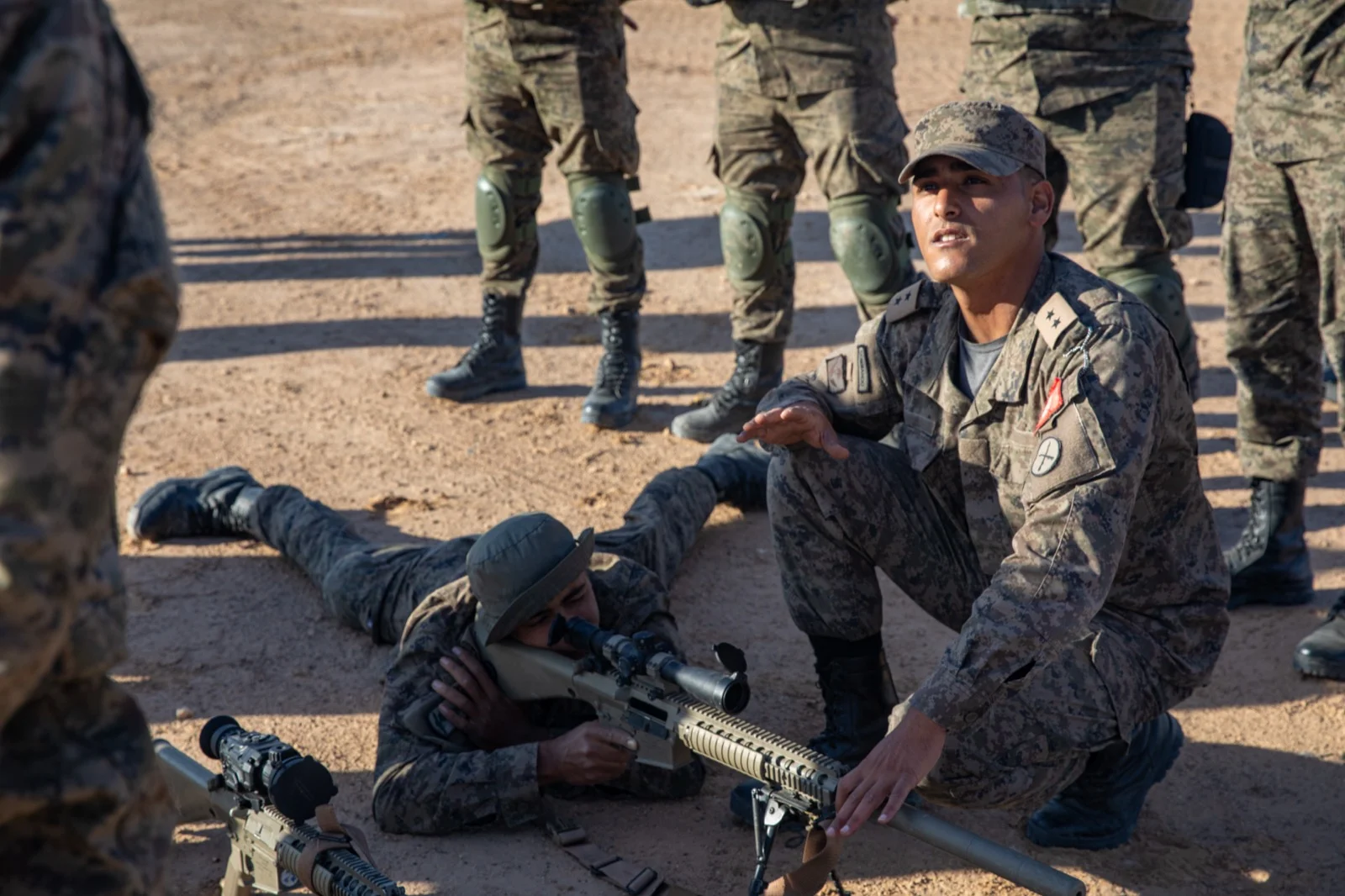
Tunisia runs North Africa’s smallest defence budget and spends it with unusual focus. Its principal security problem is not a conventional state threat but armed groups infiltrating from the Libyan border and a long-running counter-terrorism campaign in the mountains along the Algerian frontier.
That shapes the inventory directly. Against 145 tanks and 155 aircraft it fields 101 helicopters — one of the most rotary-heavy force mixes in Africa relative to fixed-wing strength. In mountainous terrain, mobility outranks heavy armour. UH-60M Black Hawks, OH-58 Kiowas and Gazelles carry the load.
Tunisia has also moved quickly on unmanned capability. Bayraktar TB2 systems procured from Türkiye are used for border surveillance and mountain operations. The logic is straightforwardly economic: performing the same mission with a fighter fleet would cost a multiple of the entire Tunisian defence budget.
Tunisia spends only $200 million more than Zimbabwe while flying more than three times as many helicopters and twice as many aircraft.
| Capability | Total |
|---|---|
| Defence budget | $2.17 bn |
| Active personnel | 89,800 |
| Tanks | 145 |
| Total aircraft | 155 |
| Helicopters | 101 |
Next comes the continent’s most advanced defence industry — attached to a budget that does not match it.
#8South Africa
Defence budget · Southern Africa
South Africa embodies the sharpest contradiction on this list. It holds sub-Saharan Africa’s most developed defence industry: Denel, Paramount and Rheinmetall Denel Munitions export artillery systems, armoured vehicles and ammunition worldwide, and the G5 and G6 howitzers and Rooikat and Ratel vehicles are internationally recognised designs.
Yet the defence budget sits at $2.88 billion, a level that has squeezed readiness hard. Gripen flying hours have been restricted, the Rooivalk attack helicopter fleet remains small and the navy’s frigates struggle with maintenance. A country that cannot buy enough of what it builds pushes its own industry further into export dependence.
Even so, South Africa holds one of Africa’s most balanced inventories: 248 tanks, 181 aircraft, 87 helicopters and 63 naval vessels. The navy’s position on the Cape route linking the Atlantic and Indian Oceans is strategically significant. Pretoria’s open question is how to reconnect its industrial base to its own modernisation.
South Africa outspends Tunisia by a third and is one of very few African states operating true submarines — three of them.
| Capability | Total |
|---|---|
| Defence budget | $2.88 bn |
| Active personnel | 68,731 |
| Tanks | 248 |
| Total aircraft | 181 |
| Naval vessels | 63 |
The next country sustains Africa’s largest standing army on one of the smallest budgets here.
#7Ethiopia
Defence budget · East Africa
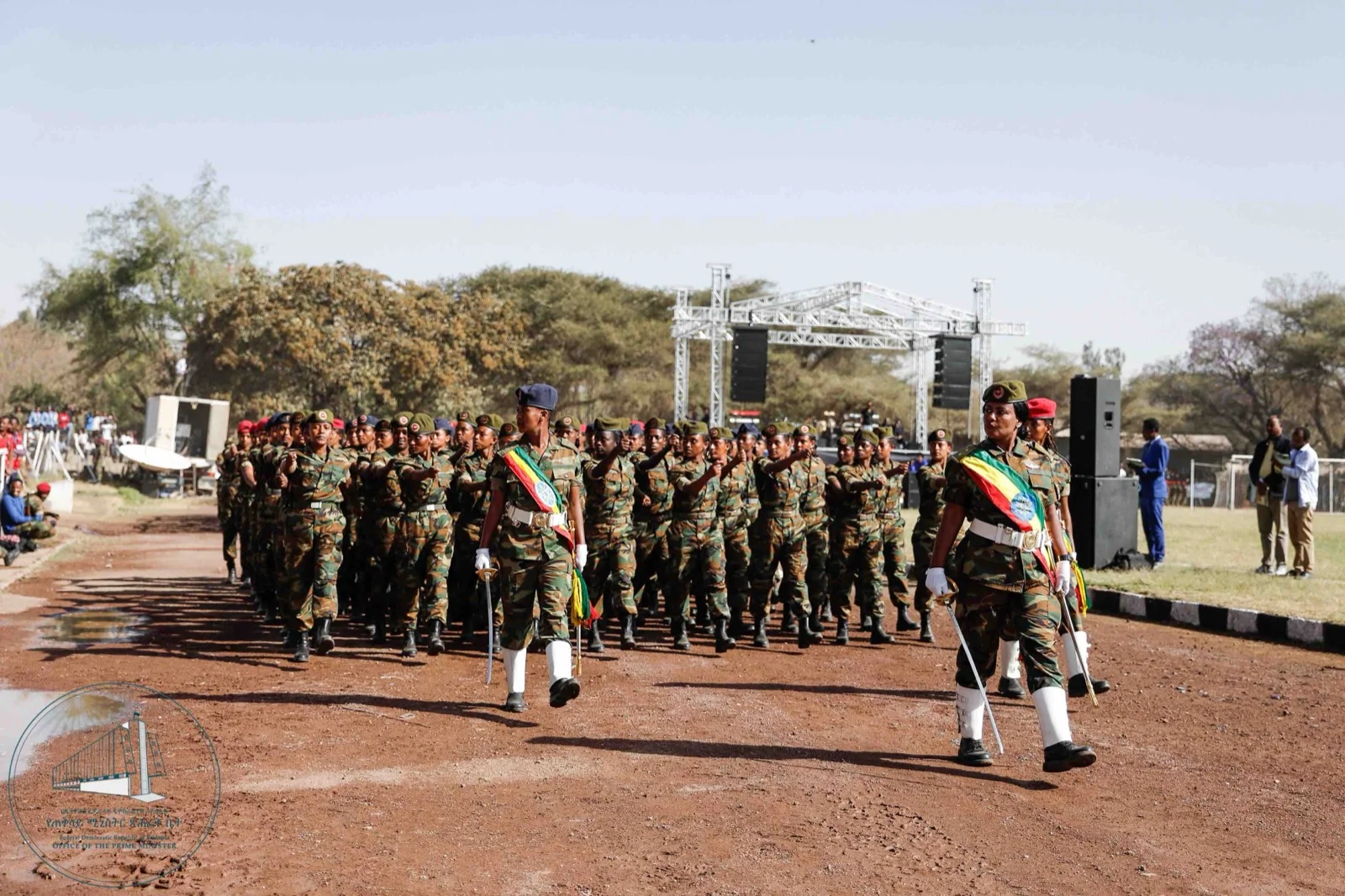
With 503,000 active personnel, Ethiopia fields Africa’s largest army and sustains it on $3.72 billion. Spending per soldier is among the lowest on this list, reflecting a defence model built on manpower rather than technology.
The Tigray conflict reshaped that army fundamentally. Ethiopia drew international attention for its use of unmanned aircraft during the fighting, with Bayraktar TB2 systems procured from Türkiye widely assessed as having influenced the course of the campaign. The experience pushed Addis Ababa to adopt drone capability as a permanent element of force structure.
Ethiopia’s other strategic preoccupation is sea access. Landlocked since Eritrean independence, it has pursued Red Sea access diplomatically and militarily, and its port talks with Somaliland created serious regional friction. That suggests future budget growth may tilt toward maritime capability; at present the country operates no naval vessels at all.
Ethiopia outspends South Africa by 29 per cent and fields seven times the personnel — with no warships whatsoever.
| Capability | Total |
|---|---|
| Defence budget | $3.72 bn |
| Active personnel | 503,000 |
| Tanks | 338 |
| Total aircraft | 104 |
| Helicopters | 33 |
The next country carries responsibility for security across the Gulf of Guinea.
#6Nigeria
Defence budget · West Africa
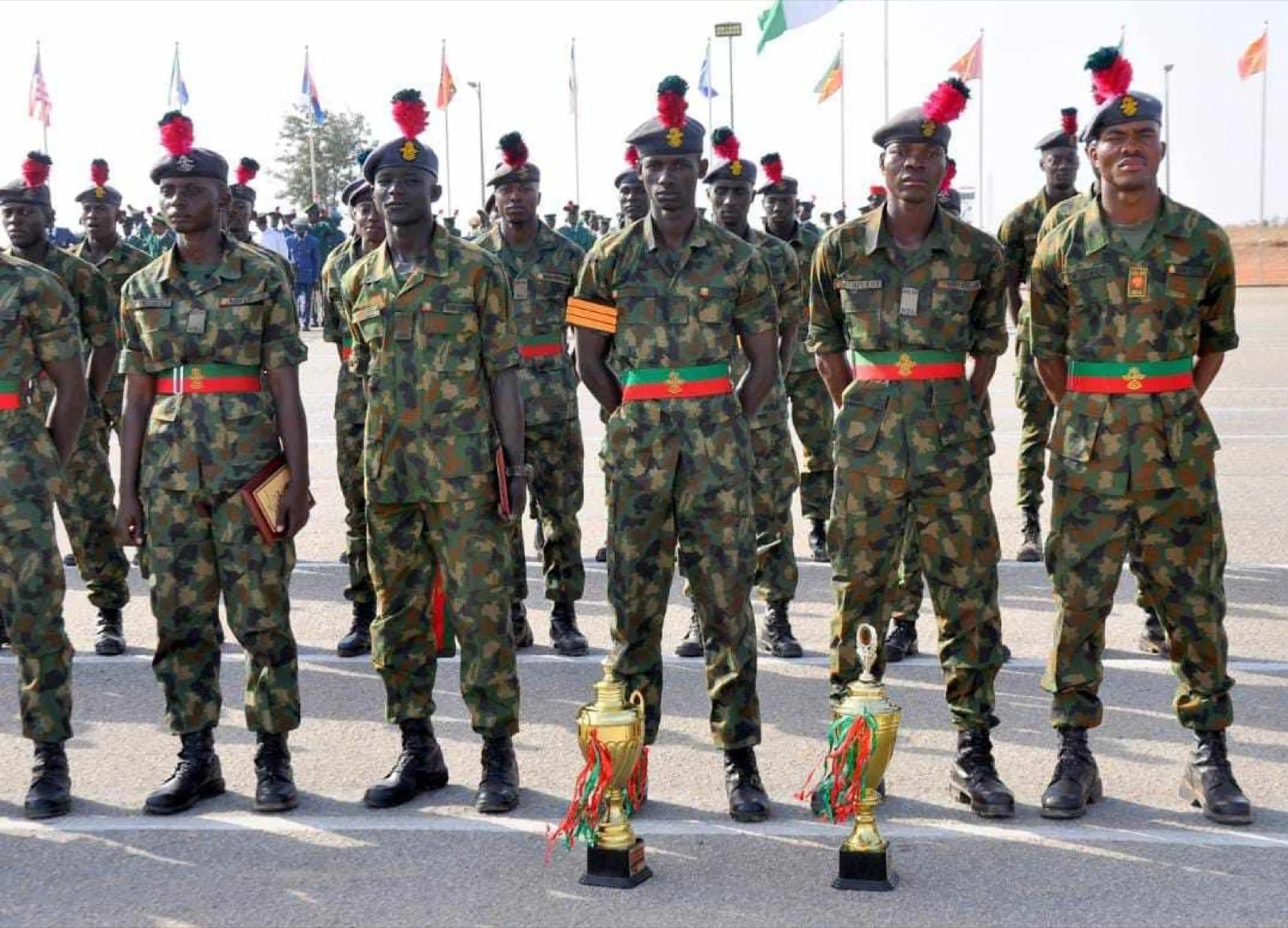
As Africa’s most populous country and one of its largest economies, Nigeria carries much of West Africa’s security burden. Countering Boko Haram and its offshoots in the north-east, farmer-herder violence in the middle belt, protection of oil infrastructure in the Niger Delta and anti-piracy work in the Gulf of Guinea amount to four separate campaigns demanding four different force structures.
That breadth is visible in the inventory: 330 tanks, 159 aircraft, 69 helicopters and 152 naval vessels. The unusually large naval count reflects Gulf of Guinea patrol requirements, with most hulls being small patrol craft. The air force has renewed substantially in recent years with A-29 Super Tucano, JF-17 Thunder and M-346 platforms.
The Turkish defence industry has established a firm position in Nigeria. Bayraktar TB2 systems in Nigerian Air Force service and an order for the T129 ATAK attack helicopter mark a clear shift in Abuja’s procurement preferences, driven both by cost-effectiveness and by a supply model that carries no political conditions.
Nigeria outspends Ethiopia by just five per cent while operating the continent’s largest naval patrol fleet at 152 vessels.
| Capability | Total |
|---|---|
| Defence budget | $3.90 bn |
| Active personnel | 230,000 |
| Tanks | 330 |
| Total aircraft | 159 |
| Naval vessels | 152 |
Entering the top five, we reach the most debated figure in the table.
#5Burkina Faso
Defence budget · Sahel
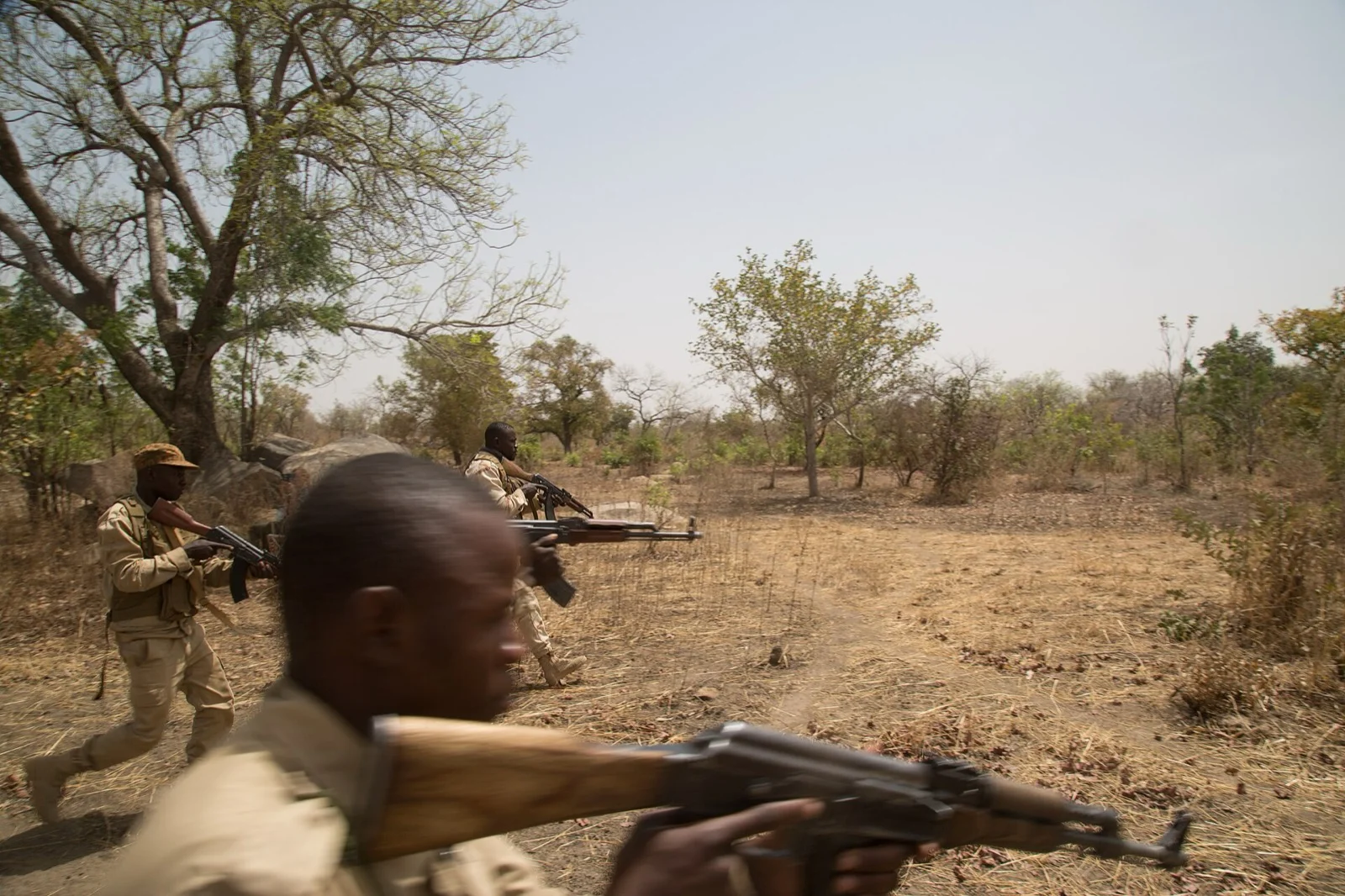
Burkina Faso’s $4.59 billion is the most striking number on this list. Measured against the size of the economy and a declared active strength of 7,500, the spending looks extraordinary. The reason is equally extraordinary: the country is effectively running a security emergency.
Armed groups spreading across the Sahel have made state authority contested over a substantial share of Burkinabé territory. The government responded with general mobilisation and created a large auxiliary force known as the Volunteers for the Defence of the Homeland. The defence budget covers equipping, training and sustaining that volunteer structure alongside the regular army, pushing it well outside the conventional definition of a military budget.
The inventory does not match the money: no tanks, 26 aircraft and 19 helicopters. Most of the spending goes to small arms, vehicles, ammunition and personnel rather than major platforms. After ending military cooperation with France, Ouagadougou diversified its sources; Bayraktar Akıncı and TB2 systems procured from Türkiye are the most visible elements of that new orientation.
Burkina Faso outspends Nigeria by 18 per cent without fielding a single tank — proof that this budget buys mobilisation, not platforms.
| Capability | Total |
|---|---|
| Defence budget | $4.59 bn |
| Active personnel | 7,500 |
| Tanks | 0 |
| Total aircraft | 26 |
| Helicopters | 19 |
Fourth place holds Africa’s largest inventory by far — on a budget that hides it.
#4Egypt
Defence budget · North Africa
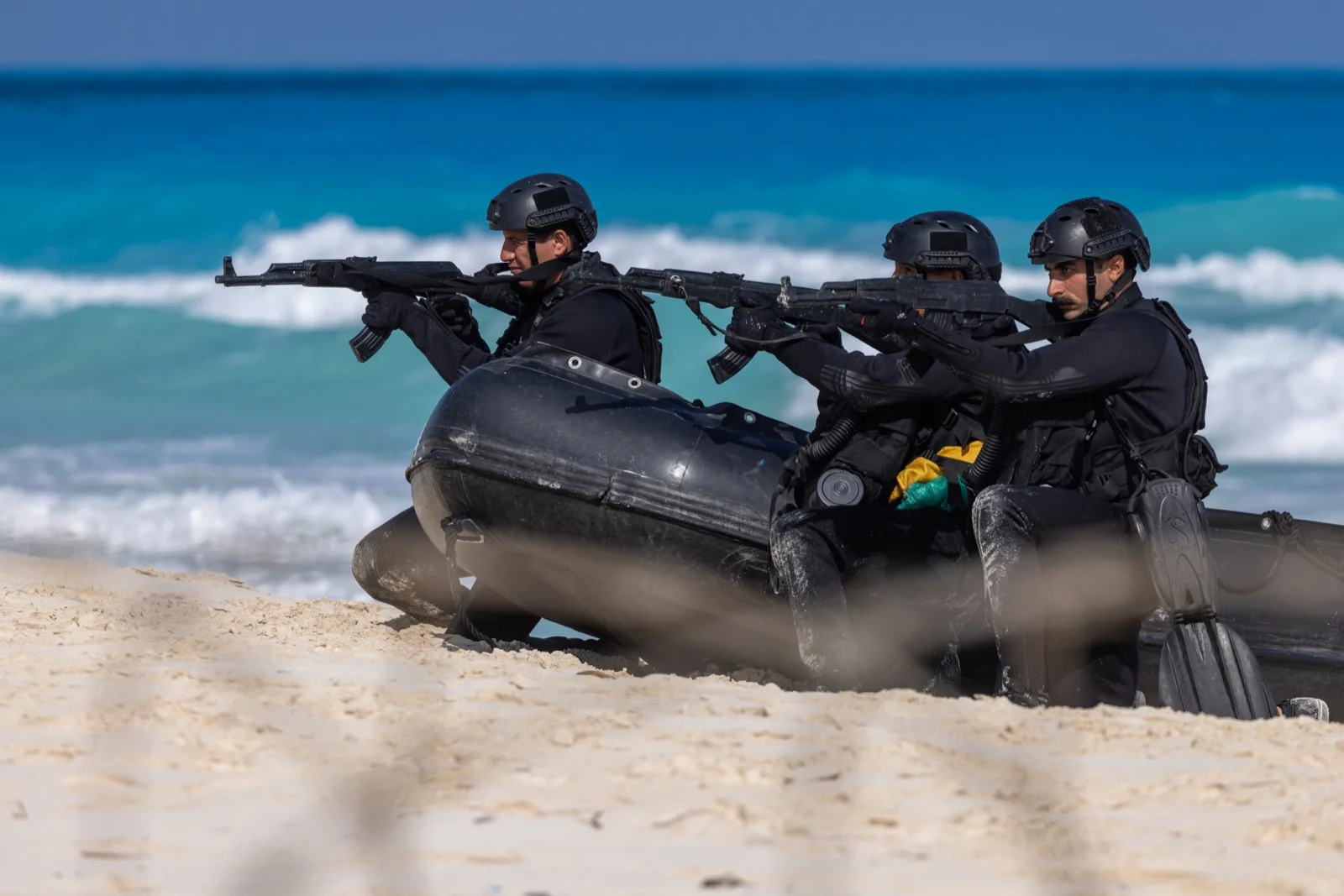
Egypt is the great illusion of this table. Its declared defence budget of $5.19 billion places it fourth, yet its inventory dwarfs the rest of the continent: 3,620 tanks, 1,088 aircraft, 348 helicopters, 149 naval vessels and 8 submarines.
Several factors explain the gap. US military assistance sustained since the Camp David Accords finances a significant share of procurement outside the national budget. The armed forces also operate extensive economic enterprises generating a separate revenue stream. And major purchases from France, Russia, Germany and Italy run on multi-year credit arrangements that never appear in full in any single budget year.
The scope is genuinely broad: Rafale and MiG-29M fighters, an F-16 fleet, two Mistral-class helicopter carriers, FREMM and MEKO frigates and German-built Type 209 submarines. Egypt must maintain readiness in the Mediterranean, the Red Sea and along the Libyan border simultaneously, while the Nile waters dispute keeps relations with Ethiopia permanently tense. That triple pressure explains the size of the force.
Egypt declares roughly a fifth of Algeria’s budget while fielding two and a half times as many tanks and half again as many aircraft.
| Capability | Total |
|---|---|
| Defence budget | $5.19 bn |
| Active personnel | 438,500 |
| Tanks | 3,620 |
| Total aircraft | 1,088 |
| Naval vessels | 149 |
The top three are funded by resource wealth.
#3Morocco
Defence budget · North Africa
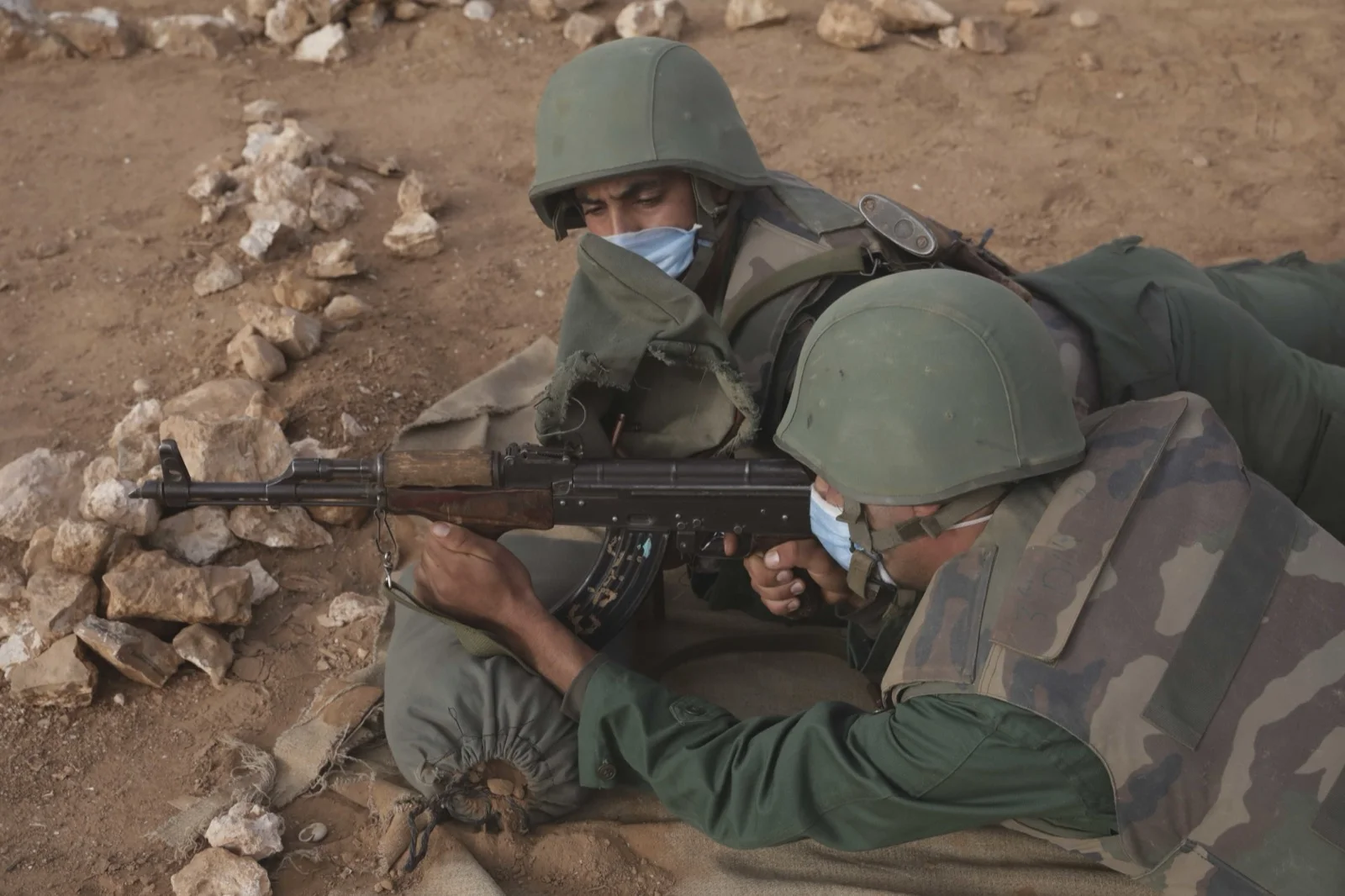
Morocco has grown its defence budget faster than almost any African state over the past decade. At $16.1 billion it holds the continent’s third-largest allocation, driven by two axes: sustained regional rivalry with Algeria and the military requirements of the Western Sahara question.
Procurement is notably modern. An F-16 Block 72 order, upgrading the existing F-16 fleet to Viper standard, Abrams tank modernisation and Patriot air defence discussions have dominated recent years. Following normalisation with Israel, Rabat has also deepened defence-industrial cooperation, bringing in the Barak MX air defence system and a range of unmanned platforms through that channel.
Turkish systems have also found a place. Bayraktar TB2 aircraft serve with the Royal Moroccan Armed Forces, and Rabat maintains contact with Turkish armoured vehicle manufacturers. With 400,000 active personnel and 1,346 tanks, Morocco is working to hold numerical parity with Algeria in North Africa.
Morocco spends more than three times Egypt’s declared budget — and fields about a third of the Egyptian inventory.
| Capability | Total |
|---|---|
| Defence budget | $16.10 bn |
| Active personnel | 400,000 |
| Tanks | 1,346 |
| Total aircraft | 271 |
| Naval vessels | 100 |
Second place built the continent’s densest air defence network.
#2Algeria
Defence budget · North Africa
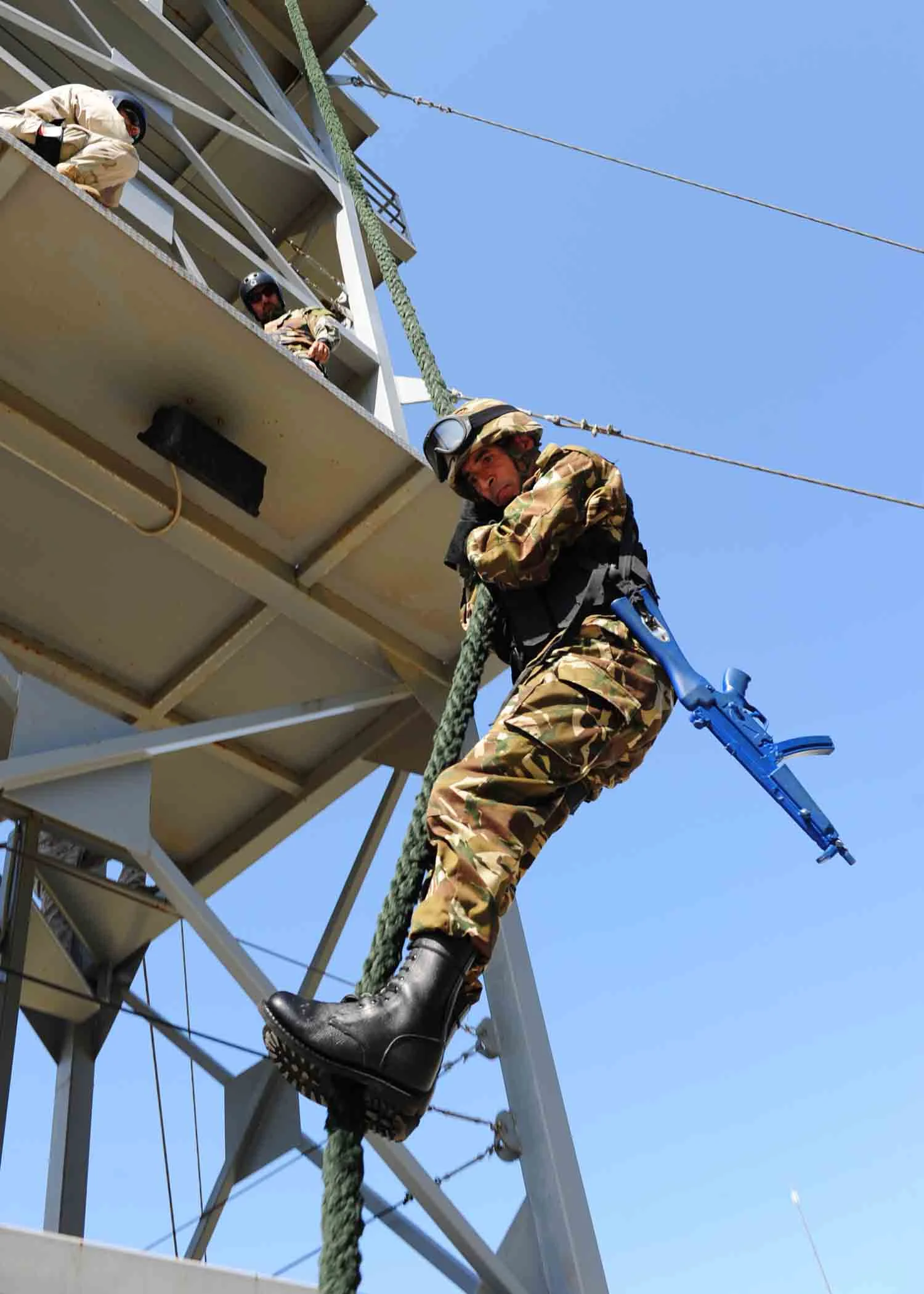
Algeria held the top spot in Africa for years and sits second in 2026 at $25 billion. The funding comes directly from gas and oil revenue, and rising energy prices have carried the defence budget up with them.
The inventory is Africa’s most modern and most Russian. There are 1,485 tanks, mostly T-90SA, along with 620 aircraft and 300 helicopters. The air force flies Su-30MKA, MiG-29M and Su-24 fleets. Algeria’s real distinction, though, is air defence: S-300PMU-2 and S-400 systems give it the most layered network on the continent, a capability that directly shapes the air superiority equation across North Africa.
At sea it fields 111 vessels and six submarines, with Kilo-class boats providing meaningful deterrence in the western Mediterranean basin. Algiers has begun diversifying supply, with Chinese systems and domestic production ventures signalling an effort to reduce Russian dependence — a shift made more urgent by sanctions disrupting Russian supply chains and slowing Algeria’s modernisation schedule.
Algeria outspends Morocco by 55 per cent and flies more than twice as many aircraft and four times as many helicopters.
| Capability | Total |
|---|---|
| Defence budget | $25.00 bn |
| Active personnel | 130,000 |
| Tanks | 1,485 |
| Total aircraft | 620 |
| Naval vessels | 111 |
The name at the top will surprise many readers.
#1Angola
Defence budget · Central / Southern Africa
Africa’s largest defence budget belongs to Angola: $31.2 billion. That figure also places it 20th globally — ahead of Brazil, Algeria and the United Arab Emirates. It is an unexpected result, but the logic behind it is clear.
Angola never fully demobilised after the 27-year civil war that ended in 2002, and oil revenue made it possible to sustain one of sub-Saharan Africa’s largest military establishments. The inventory reflects that: 319 tanks, 278 aircraft, 115 helicopters and 32 naval vessels, with Su-30K, MiG-23 and Su-25 fleets and a force structure overwhelmingly Russian and Eastern European in origin.
Luanda’s priorities are protecting Atlantic coastal oil infrastructure and preventing instability on the Democratic Republic of the Congo border from spilling over. The Cabinda oil province, an exclave separated from the mainland, requires a dedicated military presence of its own. Angola also takes on regional peacekeeping commitments within the Southern African Development Community, which keeps the force structure large. It has begun opening procurement beyond Russia in recent years, and contacts with the Turkish defence industry are part of that diversification.
Angola outspends Algeria by 25 per cent and Egypt’s declared budget by a factor of six.
| Capability | Total |
|---|---|
| Defence budget | $31.20 bn |
| Active personnel | 107,000 |
| Tanks | 319 |
| Total aircraft | 278 |
| Naval vessels | 32 |
At least half the countries on this list operate Turkish defence products. Tunisia, Ethiopia, Nigeria, Burkina Faso and Morocco all field Bayraktar TB2 or Akıncı systems operationally. Nigeria has additionally ordered the T129 ATAK attack helicopter.
Three concrete reasons drive that choice. First, cost-effectiveness: an armed UAV fleet delivers the same surveillance and precision strike mission at a fraction of the cost of a fighter fleet — decisive for countries managing budgets between $2 and $5 billion. Second, procurement flexibility: fast delivery, no political conditions, and in-country training support. Third, support structures that allow maintenance and upgrades to be performed locally.
Türkiye’s deeper move in Africa is in co-production. Talks on armoured vehicle assembly lines, ammunition plants and maintenance-and-overhaul centres are under way with multiple states. That is a partnership model rather than a sales model — and for budget-constrained countries it means capability and employment together.
What African defence spending actually tells us
The first lesson is that a declared budget is a weak proxy for military power in Africa. Egypt appears fourth at $5.19 billion yet fields the continent’s largest inventory by a wide margin. Burkina Faso spends $4.59 billion without owning a single tank. Reading these figures requires knowing the financing model, the level of external military assistance and how much of the money goes to personnel.
The second is the dominance of resource economies. Two of the top three — Angola and Algeria — fund defence directly from hydrocarbon revenue, which ties their modernisation schedules to energy prices. Both suspended procurement during the 2014 oil price collapse, a concrete illustration of that dependence.
Third, North Africa is a different world from the rest of the continent. The combined inventories of Algeria, Morocco and Egypt exceed those of all sub-Saharan Africa. These three arm on classical inter-state deterrence logic: layered air defence, submarine fleets, main battle tanks. South of the Sahara the threat definition is internal security, counter-terrorism, border control and maritime patrol — and the force mix changes completely.
Fourth, unmanned systems are shifting the balance faster than anything else. Building and sustaining a fighter fleet is out of reach for most countries here. Armed UAVs deliver surveillance and precision strike at an accessible price, and the recent choices of Ethiopia, Nigeria, Burkina Faso, Tunisia and Morocco follow directly from that arithmetic, with the Turkish defence industry at the centre of the shift.
The final lesson is that domestic industry remains thin. South Africa is the exception, with Denel and Paramount carrying genuine production capacity; Egypt’s Kader plant and Algeria’s joint-production ventures are also notable. But most of the continent remains fully import-dependent, and every budget crisis translates directly into falling readiness. The defining question of the coming decade is which African state can convert defence spending into lasting industrial capacity.
Comparison table: Africa’s ten largest defence budgets (2026)
| # | Country | Defence budget | Active personnel | Tanks | Aircraft | Naval vessels |
|---|---|---|---|---|---|---|
| 1 | Angola | $31.20 bn | 107,000 | 319 | 278 | 32 |
| 2 | Algeria | $25.00 bn | 130,000 | 1,485 | 620 | 111 |
| 3 | Morocco | $16.10 bn | 400,000 | 1,346 | 271 | 100 |
| 4 | Egypt | $5.19 bn | 438,500 | 3,620 | 1,088 | 149 |
| 5 | Burkina Faso | $4.59 bn | 7,500 | 0 | 26 | 0 |
| 6 | Nigeria | $3.90 bn | 230,000 | 330 | 159 | 152 |
| 7 | Ethiopia | $3.72 bn | 503,000 | 338 | 104 | 0 |
| 8 | South Africa | $2.88 bn | 68,731 | 248 | 181 | 63 |
| 9 | Tunisia | $2.17 bn | 89,800 | 145 | 155 | 37 |
| 10 | Zimbabwe | $1.98 bn | 29,000 | 60 | 80 | 0 |
A new ranking tomorrow
Coming next: the Middle East’s largest standing armies and the European countries Türkiye has overtaken.
Frequently Asked Questions
Which African country has the largest defence budget?
Angola, at $31.2 billion in 2026, ahead of Algeria ($25bn) and Morocco ($16.1bn).
Why does Egypt field such a large inventory on a small declared budget?
A significant share of Egyptian procurement is financed through US military assistance and multi-year credit arrangements, while military-run economic enterprises provide a separate revenue stream. The declared annual budget therefore understates real capability.
Which African country has the largest military inventory?
Egypt, with 3,620 tanks, 1,088 aircraft, 348 helicopters, 149 naval vessels and 8 submarines — the largest on the continent by a wide margin.
How large is the Turkish defence industry’s footprint in Africa?
At least half the countries on this list — Tunisia, Ethiopia, Nigeria, Burkina Faso and Morocco — operate Bayraktar TB2 or Akıncı systems. Nigeria has also ordered the T129 ATAK attack helicopter.
What is the source of these figures?
GlobalFirepower’s 2026 defence spending dataset, reflecting announced annual allocations without purchasing power parity adjustment.
Sources
- GlobalFirepower 2026 defence spending ranking
- SIPRI Military Expenditure Database
- IISS The Military Balance
- African Union Peace and Security Council reports
- National defence ministry budget statements
- Source: https://www.globalfirepower.com/