UK Commits £8 Billion to Nuclear Submarine Maintenance

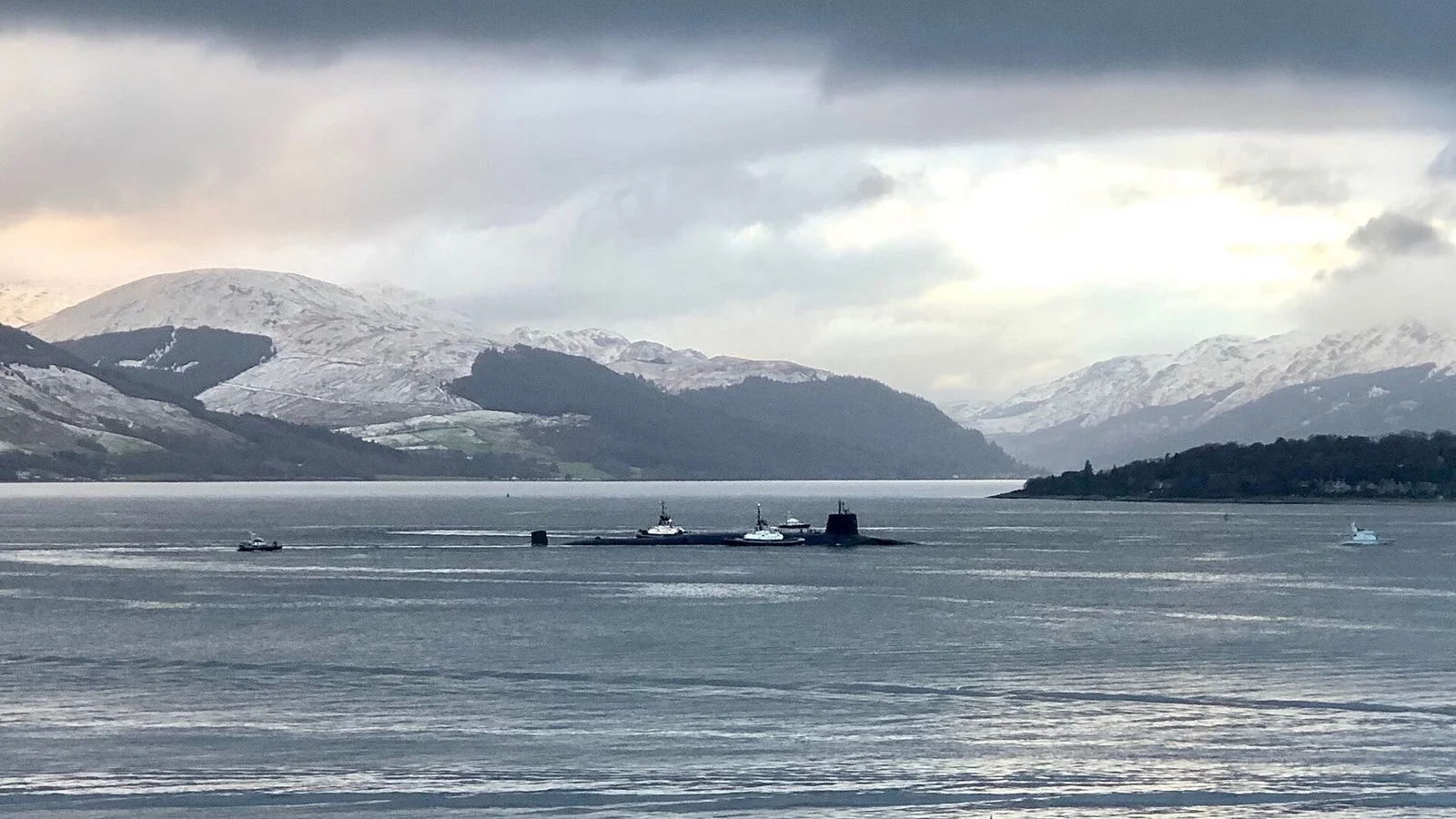
Under a five-year Gateway Agreement with Babcock, the British government aims to shorten maintenance times for the Royal Navy's nuclear submarines and raise their availability.
The UK government has announced an £8 billion investment (about €9.1 billion) to improve the availability and operational readiness of its nuclear submarine fleet. The money will be delivered through a five-year Gateway Agreement awarded to the British company Babcock.
The contract is intended to transform submarine maintenance services and other key activities at naval bases. The aim is to reduce delays in maintenance work, so that submarines spend less time in dockyards and stay ready for operations for longer.
The Ministry of Defence regards the improvement as essential to sustaining Royal Navy missions. These include nuclear deterrence patrols and the country's commitments under NATO and the AUKUS security pact.
Jobs and supply chain impact
The investment is expected to create about 3,000 highly skilled jobs, mainly in Plymouth, the Clyde and Bristol. About 2,500 apprenticeship and graduate opportunities will be added to that.
The contract will also support 8,500 existing jobs and expand the capacity of maintenance facilities at the Devonport and Clyde naval bases. Around £2.4 billion is expected to be spent in the British supply chain, of which roughly £1 billion is earmarked for small and medium-sized businesses.
According to the government, the initiative is meant to strengthen the industrial efficiency and national capabilities needed to keep the submarine fleet operating.
The £26 billion Royal Oak programme
The Gateway Agreement is part of a broader effort to modernise Britain's naval infrastructure. It sits within the Royal Oak project, which envisages £26 billion of public investment over ten years to turn the Devonport, Clyde and Portsmouth bases into facilities that match the Royal Navy's operational needs.
One of the programme's main elements is the transformation of the Clyde base, home to the Royal Navy Submarine Service. Under Programme Euston, an out-of-water engineering and maintenance capability for submarines will be developed there in the 2030s. British industry will deliver the project, which will support both current and future submarines.
The agreement with Babcock will also improve other Royal Navy areas, including floating fleet facilities, training at sea and the development of future autonomous capabilities.
Officials' assessment
Defence Secretary Wes Streeting said the ability to keep submarines at sea is central to the country's nuclear deterrent. He argued the new contract would help clear a backlog of maintenance and increase the availability of vessels.
Chief of the Naval Staff Sir Gwyn Jenkins stressed that submarines' ability to carry out their missions depends directly on how effective maintenance work is. The aim of the deal is to shorten the time boats spend in facilities and return them to operational service sooner.
The British government places the investment within a strategy of strengthening industrial capacity and military readiness. The Defence Nuclear Enterprise, which supports the UK's nuclear deterrent, works with more than 6,000 companies and supports about 47,000 jobs across the country. Sector workforce demand is expected to rise to about 65,000 by 2030.