South Korea Legislates for Nuclear Submarines: A Legal Foundation for the 8,000-Tonne Jangbogo-N

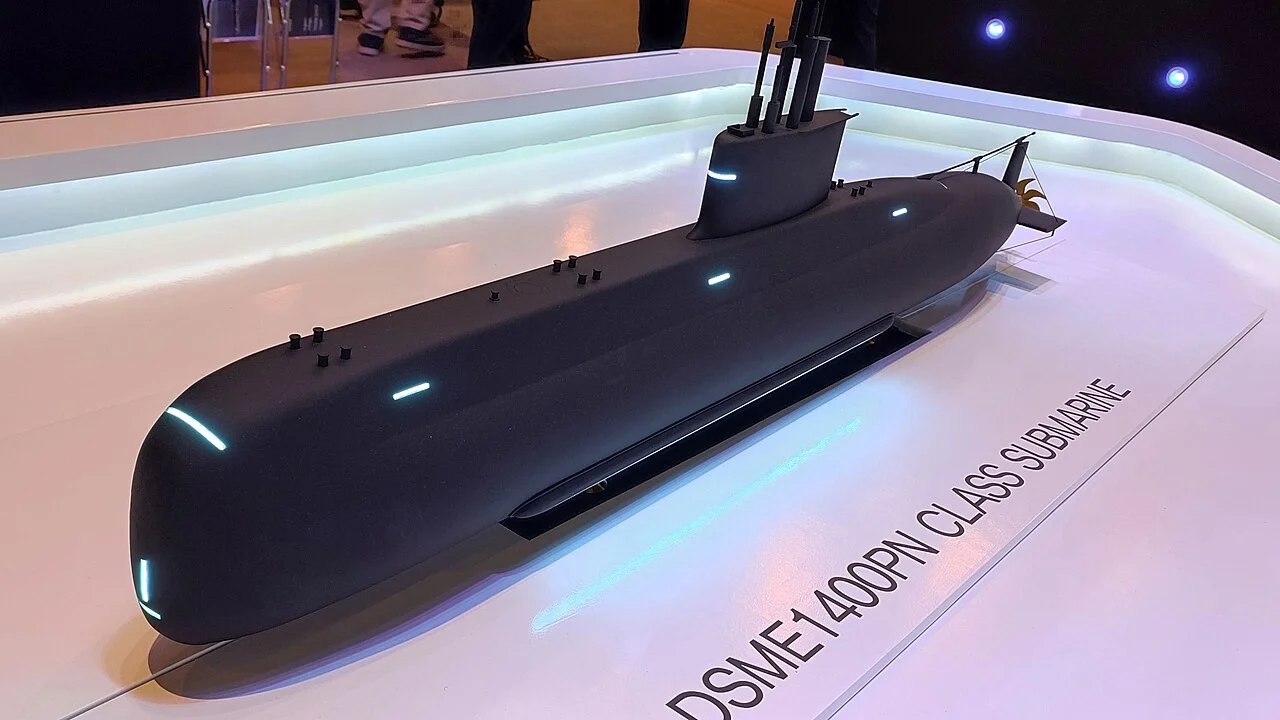
South Korea’s Ministry of National Defense has opened for public consultation a draft Special Act on the acquisition, operation and safety management of nuclear-powered submarines. The bill provides the legal basis for the Jangbogo-N programme, under which Seoul intends to build at least three 8,000-tonne conventionally armed nuclear-propelled attack submarines by the mid-2030s. Consultation runs to 7 September, with enactment targeted before the end of 2026.
At a Glance
- Instrument: Draft Special Act on the Acquisition, Operation and Safety Management of Nuclear-Powered Submarines
- Timeline: Public notice issued 29 July, consultation until 7 September, then submission to the National Assembly
- Programme: At least three 8,000-tonne conventionally armed nuclear-propelled attack submarines
- Target date: Mid-2030s
- Fuel: High-assay low-enriched uranium (HALEU) enriched below 20 percent
- Pledge: A statutory commitment not to develop, manufacture or possess nuclear weapons
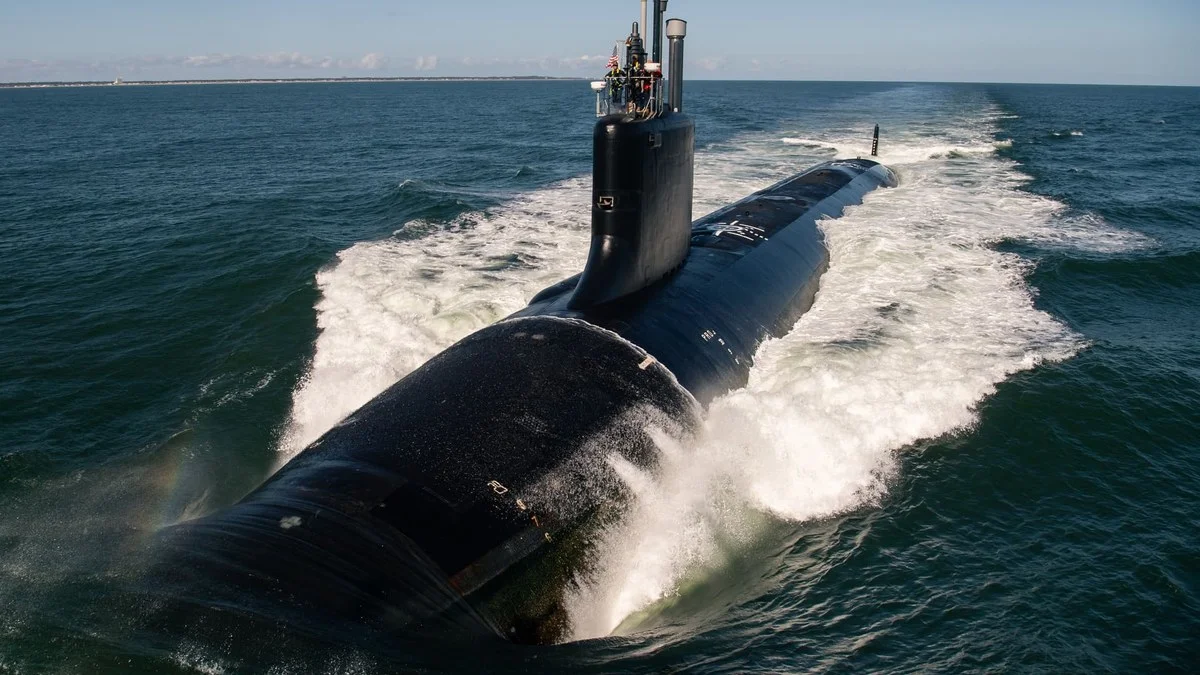
Nuclear propulsion changes a submarine qualitatively rather than quantitatively. A diesel-electric boat is bounded by battery capacity and, at best, air-independent propulsion; it must periodically come shallow. A nuclear boat is limited chiefly by crew endurance and provisions, and can remain submerged for weeks. Across the wide sea areas surrounding the Korean Peninsula, that difference sits at the centre of the deterrence equation.
The bill’s most striking clause is political rather than technical. It states outright that the programme is not intended to develop, manufacture or possess nuclear weapons, and that the country will not divert nuclear material or undertake any act undermining the international non-proliferation regime. Seoul is deliberately separating access to propulsion technology from the far more contentious question of an arsenal.
Why a special act is needed
The legislation is not merely a declaration of intent; it rewires the acquisition mechanics. The draft exempts Jangbogo-N from the project feasibility study normally mandatory for major defence programmes, shortens research and development and test and evaluation periods, and allows greater flexibility in applying cost-calculation rules to related contracts.
Taken together, those three provisions say something plain: Seoul is lifting the programme out of the ordinary bureaucratic cycle. A nuclear-powered boat demands a far longer development and certification path than a conventional one, and the standard timetable would have made a mid-2030s delivery unattainable from the outset.
The fuel choice is its own chapter. Using HALEU enriched below 20 percent diverges from the highly enriched uranium reactors of the United States and the United Kingdom. It eases proliferation concerns but creates fresh engineering problems in reactor design and fuel supply. Given the constraints on South Korea’s nuclear fuel cycle, the diplomatic dimension of this programme may prove harder than the technical one.
Jangbogo-N Programme Summary
| Quantity | At least three boats |
| Displacement | Approximately 8,000 tonnes |
| Propulsion | Nuclear reactor; HALEU fuel below 20 percent enrichment |
| Armament | Conventional only; no nuclear weapons |
| Target date | Mid-2030s |
| Legal status | Draft special act, enactment targeted before end-2026 |
| Exemptions | Feasibility study waiver, compressed R&D and test schedules |
Regional reverberations
North Korea has reacted sharply, warning that the move risks a “nuclear domino” across Asia. Pyongyang’s technical objection is clear enough: even a propulsion-only reactor yields a platform that is hard to detect and able to loiter on station for weeks.
South Korea’s submarine industry is not starting cold. With the KSS-III (Dosan Ahn Changho) class, the country has already serial-produced large conventional boats of its own design carrying vertical launch cells. Nuclear propulsion is intended as a layer on top of that accumulated capability.
Few platforms expose a defence industry’s design maturity as clearly as a submarine. Türkiye is following a comparable arc, carrying the build experience gained from the Reis class (Type 214TN) into the indigenous MİLDEN design programme. South Korea’s sequence — licensed production, then original design, then a leap in propulsion — explains why such programmes are measured in decades rather than years.
Sources
- Republic of Korea Ministry of National Defense, draft bill public notice, 29 July 2026
- Naval News – Jangbogo-N special act report, 11 August 2026
- The Korea Herald / Korea JoongAng Daily – non-nuclear pledge provisions
- The Korea Times – defence ministry public notice