Poland to Locally Produce Barracuda-500M Cruise Missile With U.S.’s Anduril
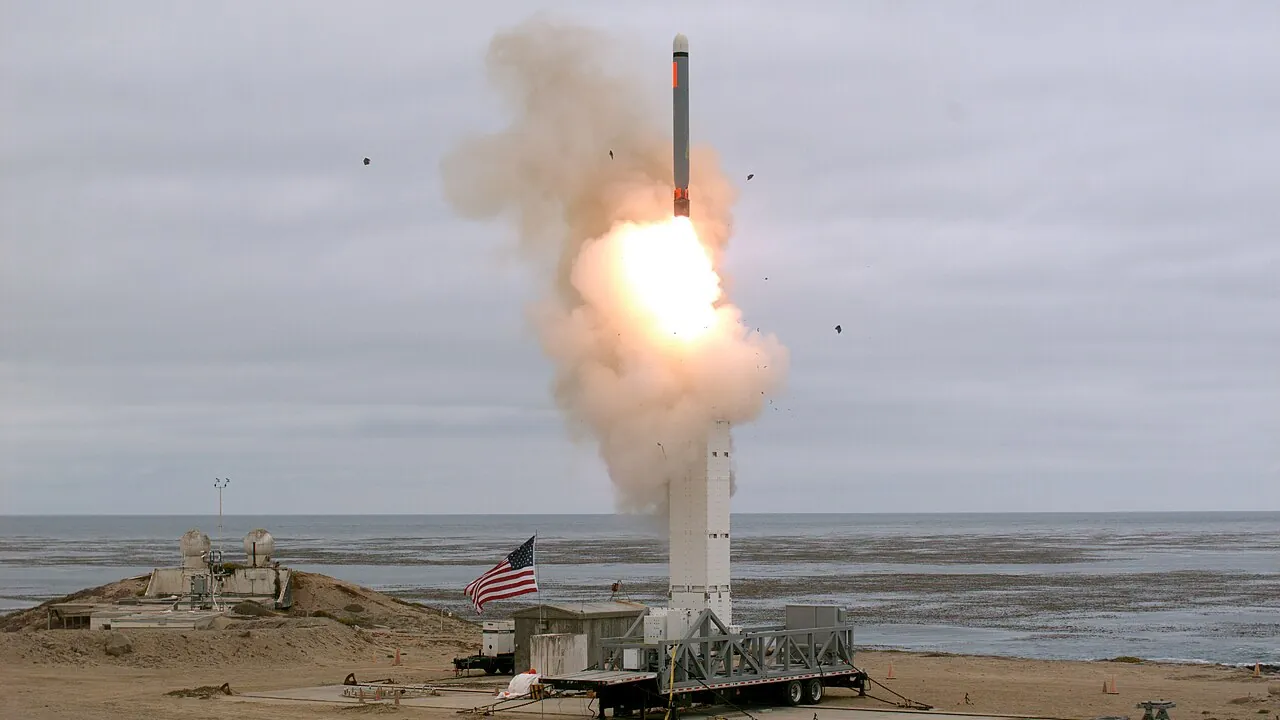
Poland’s state-owned defense group Polska Grupa Zbrojeniowa (PGZ) and U.S. defense firm Anduril Industries agreed on 7 July 2026 to locally produce the Barracuda-500M (SLB-500M) cruise missile on Polish soil. The agreement was announced at a signing ceremony attended by Prime Minister Donald Tusk and Defense Minister Władysław Kosiniak-Kamysz.
With the deal, Poland became the first country in Europe to sign such a local-production agreement with Anduril. Production of the SLB-500M will be carried out by WZL-2, a PGZ subsidiary based in Bydgoszcz — a city long known as “NATO’s capital in Poland” for hosting numerous NATO facilities.
PGZ and Anduril aim to produce several thousand SLB-500M systems in the initial phase of the program. The companies said the share of Polish and European suppliers in the production chain will be increased gradually in later stages of the project.
| Parties | PGZ (Poland) and Anduril Industries (U.S.) |
| System | Barracuda-500M / SLB-500M cruise missile |
| Production site | WZL-2 (PGZ subsidiary), Bydgoszcz |
| Range / payload | 500+ nautical miles (926 km) · roughly 45 kg warhead |
| Target | Several thousand systems, phased European localization |
| Date | Signing ceremony 7 July 2026 |
What the Agreement Covers
Under the agreement, PGZ receives broad rights covering production, technology transfer and technical know-how for the Barracuda-500M, with the ultimate goal of the missile evolving into a Polish variant over time. The structure positions Poland as a producer rather than merely a buyer.
The Barracuda family is part of Anduril’s concept for low-cost, mass-producible, autonomous long-range cruise missiles. The company is working on an architecture that can be manufactured faster and more cheaply than traditional precision-guided munitions — an approach grounded in the assessment that modern conflicts may require thousands, not hundreds, of munitions.
SLB-500M Technical Profile
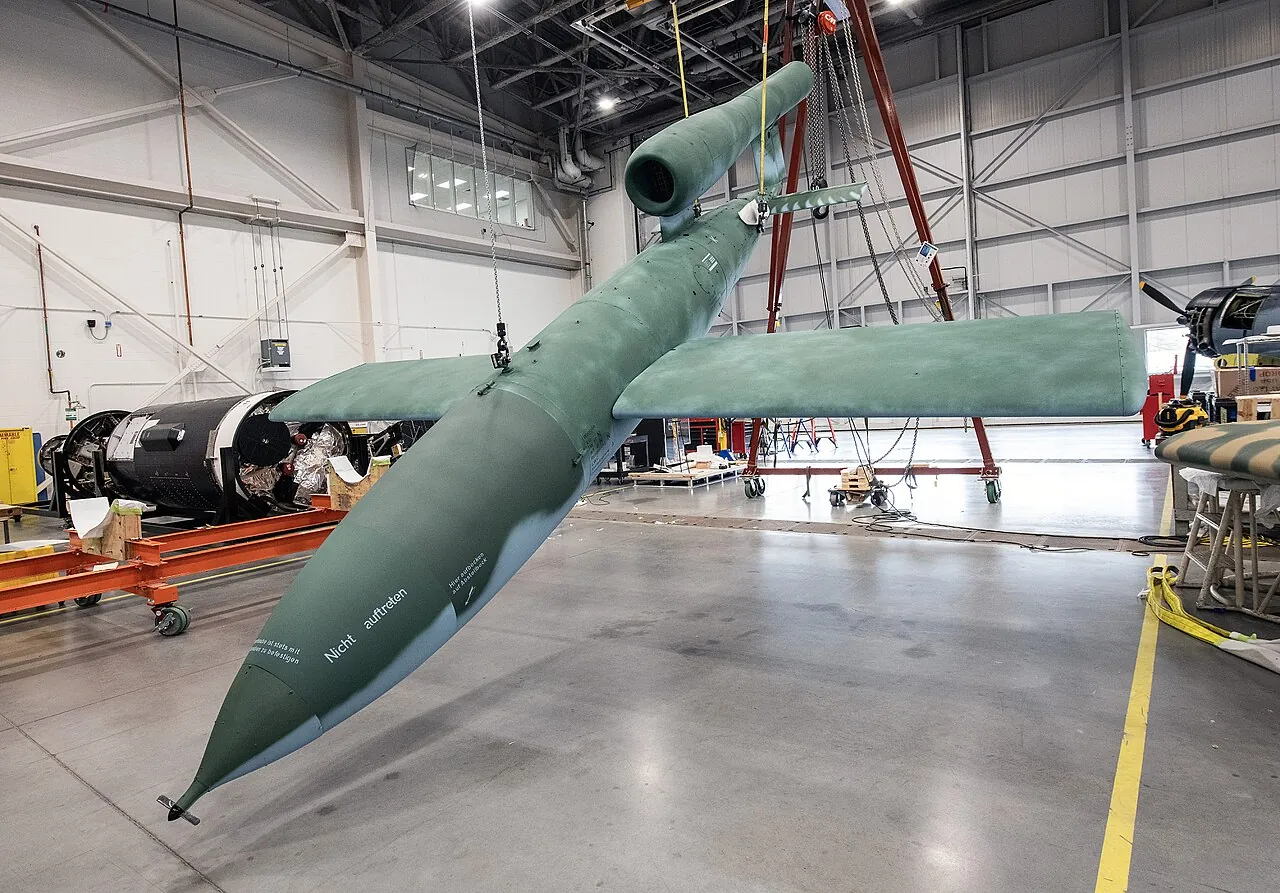
The SLB-500M carries a payload of roughly 45 kilograms (100 pounds) and offers a range of more than 500 nautical miles (926 km). The missile is designed to strike targets such as command centers, logistics hubs and air-defense installations.
The system is being positioned for compatibility with Poland’s F-16 fleet and its newly delivered F-35s, and is also being developed for ground-based launch platforms. PGZ and Anduril plan to deliver several thousand SLB-500M missiles in the initial production phase, while gradually expanding the role of Polish and European suppliers in later stages.
| Specification | Value |
|---|---|
| Range | 500+ nautical miles (926+ km) |
| Warhead | Approximately 45 kg (100 lb) |
| Producer (Poland) | WZL-2 / PGZ, Bydgoszcz |
| Developer | Anduril Industries (U.S.) |
| Compatibility | F-16, F-35, ground-launch platforms |
EU Financing and NATO’s Eastern Flank
Local production could make the Barracuda-500M eligible for purchase by other European countries through the European Union’s low-interest defense loan program, designed to help member states strengthen their defense capabilities in response to Russia’s invasion of Ukraine.
The Bydgoszcz production line positions Poland as the first country in Europe to host a large-scale manufacturing base for low-cost, mass-producible cruise missiles. Combined with earlier major procurement decisions such as HIMARS, Patriot air-defense systems and F-35 fighters, the move places Poland among the countries most prominently building up NATO’s conventional strength.
Why It Matters for Turkey
The model Poland is following for the Barracuda-500M — importing foreign technology and moving toward local production with gradual localization — offers a point of comparison with a path Turkey completed years earlier in the cruise-missile domain. Roketsan’s SOM family (SOM-A, SOM-B1, SOM-J) and the Atmaca anti-ship missile, developed with Baykar and TÜBİTAK SAGE, are fully indigenous designs from the ground up; Turkey built these capabilities into its inventory without foreign dependency.
The core premise behind Anduril’s Barracuda concept — low-cost, fast, mass-producible cruise missiles — aligns with an approach Turkey’s defense industry has prioritized in recent years. Roketsan’s KGK family of guidance kits and programs such as TOLUN, which emphasize relatively low-cost, mass-producible munitions, respond to the same strategic need — sustainable munitions stockpiles for prolonged conflicts — with Turkey’s own solutions.
Rising demand for low-cost cruise missiles and precision-guided munitions on NATO’s eastern flank — Poland, the Baltic states and the Black Sea basin — creates cooperation and export opportunities for fully indigenous, export-ready Turkish systems. Roketsan’s talks with regional partners and growing defense-industrial contacts between Turkey and NATO member states point to the potential for this opportunity to translate into concrete steps.
Frequently Asked Questions
What is the Barracuda-500M?
A low-cost, mass-producible cruise missile developed by Anduril Industries, carrying roughly 45 kg of payload with a range exceeding 926 km.
Where will the missile be produced?
At WZL-2, PGZ’s subsidiary facility in Bydgoszcz, Poland.
When was the agreement signed?
On 7 July 2026, announced at a ceremony attended by Prime Minister Donald Tusk and Defense Minister Władysław Kosiniak-Kamysz.
Is Poland the first to do this?
Yes, Poland is the first European country to sign such a local-production agreement with Anduril.
How could this affect other European countries?
Local production could make the missile eligible for purchase by other European countries under the EU’s low-interest defense loan program.
Bottom Line
The PGZ-Anduril agreement positions Poland as a pioneer in low-cost cruise missile production in Europe, offering a concrete example of efforts to strengthen munitions supply on NATO’s eastern flank. For Turkey, having already answered the same strategic need with fully indigenous systems — SOM, Atmaca, KGK, TOLUN — the rising regional demand raises the prospect of cooperation and export opportunities.
Sources
- Army Recognition — teknik ayrıntılar
- Defence Industry Europe — doğrulama
- Notes from Poland — bağlam ve teyit