BAE Systems Signs Agreement with WZM and HCP to Expand M88A2 Recovery Vehicle Production in Poland

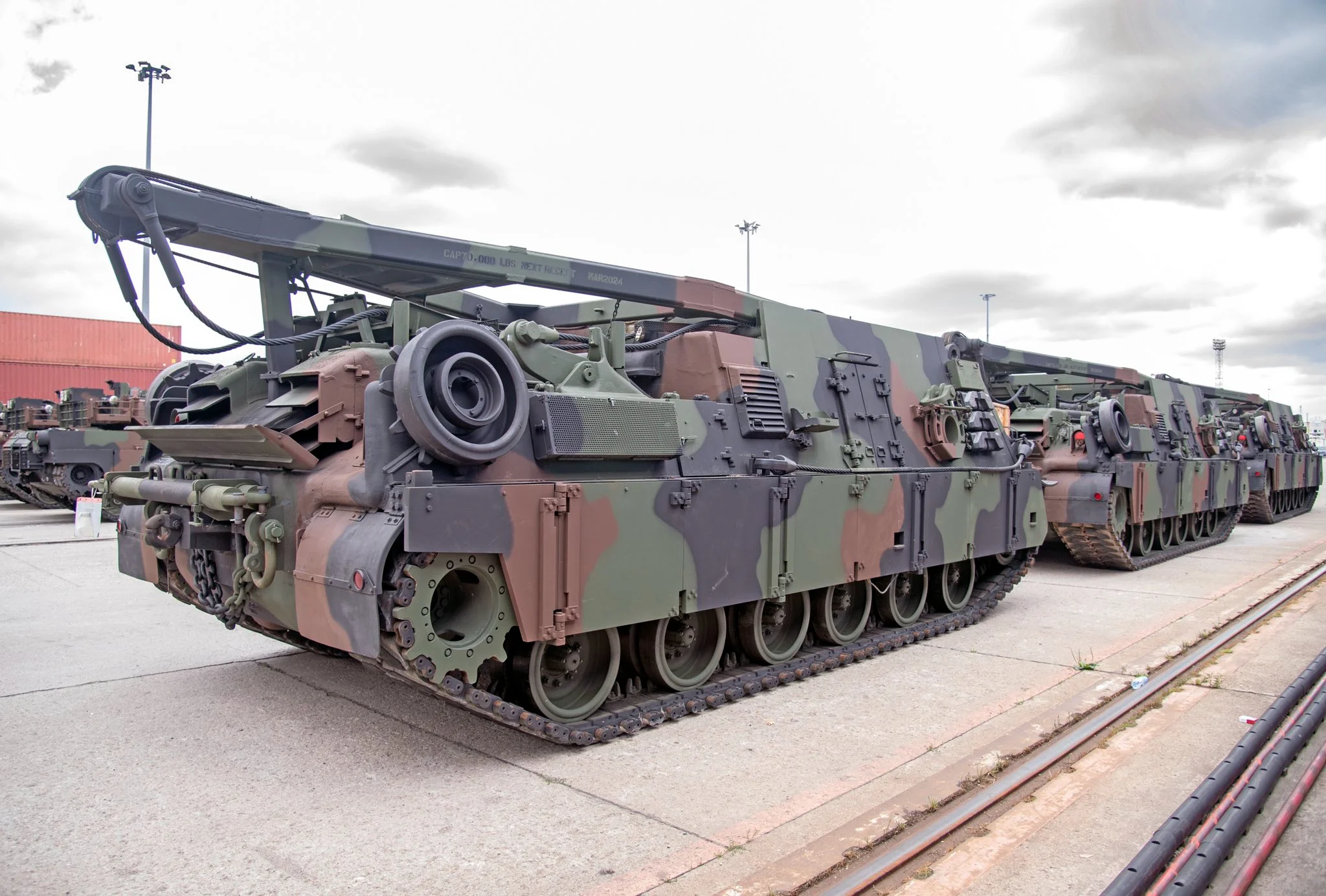
BAE Systems has signed a non-binding memorandum of understanding (MoU) with Polish defense firms Wojskowe Zakłady Motoryzacyjne (WZM) and H.Cegielski-Poznań (HCP). The agreement aims to expand Polish industrial capacity for the M88A2 HERCULES armored recovery vehicle, ranging from sustainment support to potential local production. WZM and HCP are both members of Poland’s state defense holding, PGZ Capital Group.
Building on a 2025 licensing deal
The new MoU builds on a 2025 licensing agreement between BAE Systems and WZM focused on maintenance, repair, overhaul and sustainment of the M88A2. Bringing HCP’s manufacturing expertise into the fold now combines WZM’s existing sustainment capacity with HCP’s production strength.
What officials said
Dean Medland, BAE Systems Vice President, said: “By integrating our global expertise with the support and manufacturing capabilities of WZM and HCP, we are not just providing equipment; we are investing in Polish defence and local industrial growth.”
What is the M88A2 HERCULES?
The M88A2 is a heavy armored recovery vehicle capable of maneuvering and recovering armored vehicles weighing up to 70 tons, including the M1 Abrams main battle tank. BAE Systems previously carried out a $128 million contract to produce 26 M88A2 vehicles for the Polish army, delivering the first units.
Why it matters
Poland fields one of the fastest-growing armored forces on NATO’s eastern flank, and as its K2 Black Panther and Abrams fleets expand, so does the need for support platforms able to recover these heavy vehicles in the field. Shifting part of production to Poland aligns with Warsaw’s localization goals while giving BAE Systems a durable manufacturing footprint on NATO’s eastern flank.
Regional and NATO context
Given the size and diversity of Poland’s armored fleet — Abrams, Leopard 2, K2 Black Panther, and the indigenous Borsuk — having a single recovery-vehicle family service multiple platforms offers a logistical advantage. With Turkiye also facing a need for a similar recovery/support vehicle for its ALTAY tank, Poland’s “local production plus foreign license” model offers a reference point for other NATO members in the region.
Poland’s growing armored force
Over the past five years, the Polish army has become one of NATO’s fastest-growing land forces: hundreds of South Korean-built K2 Black Panther tanks continue to arrive as the country prepares to produce the K2PL variant domestically, more than 250 US-built M1A1/M1A2 Abrams tanks have been delivered, and the existing Leopard 2 fleet remains in service. Keeping such a diverse and expanding armored fleet operational in the field requires a robust recovery and maintenance infrastructure — which is precisely why the M88A2 agreement matters.
PGZ’s industrial strategy
WZM and HCP’s parent, PGZ Capital Group, Poland’s state-controlled defense holding, aims to turn every new partnership with a foreign manufacturer into local technology transfer and job creation. The cooperation model with BAE Systems fits into Poland’s broader multi-supplier strategy, which already spans South Korea (K2), the United States (Abrams, HIMARS), and now the UK-headquartered BAE Systems.
What comes next
Since the memorandum is non-binding, the parties will spend the coming months assessing whether it can be converted into a firm production or sustainment contract. That process will clarify the existing capacity at WZM and HCP facilities, the scope of technology transfer, and a possible initial production quantity. Given BAE Systems’ long-standing presence in Poland, the agreement is expected to evolve into a binding contract within the coming year.
Sources
BAE Systems official press release (8 July 2026); The Defense Post.