Uzbekistan’s Military Strength: Tanks, Jets and Defence Inventory (2026)

Uzbekistan’s military inventory rests on Soviet-era ground equipment, but the country is diversifying its defence industry after 2016 reforms, turning towards Western and Turkish systems. Landlocked Uzbekistan maintains a land-force-centred defence doctrine.
At a Glance
- Active personnel: ≈ 65.000
- Main battle tanks: ≈ 420
- Military aircraft (total): ≈ 120
- Naval force: Landlocked; no sea access
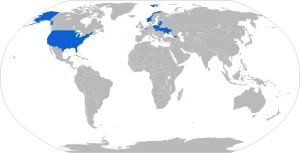
- OTS membership: Full member since 2023
- GFP ranking: ≈ 44
Note: The inventory figures below are approximate values drawn from open sources such as Global Firepower, the IISS Military Balance and SIPRI.
About the Uzbekistan Armed Forces
Uzbekistan’s Armed Forces, with around 65,000 active personnel and 25,000 paramilitary forces, carry significant weight in Central Asia’s regional power balance. The border with neighbouring Afghanistan is the primary axis of security policy.
Since President Mirziyoyev came to power in 2016, Uzbekistan has diversified its foreign policy. Interest in Western and Turkish systems grew in defence; ground-force modernisation became a priority agenda item.
Land Forces Inventory
| System type | Est. quantity |
|---|---|
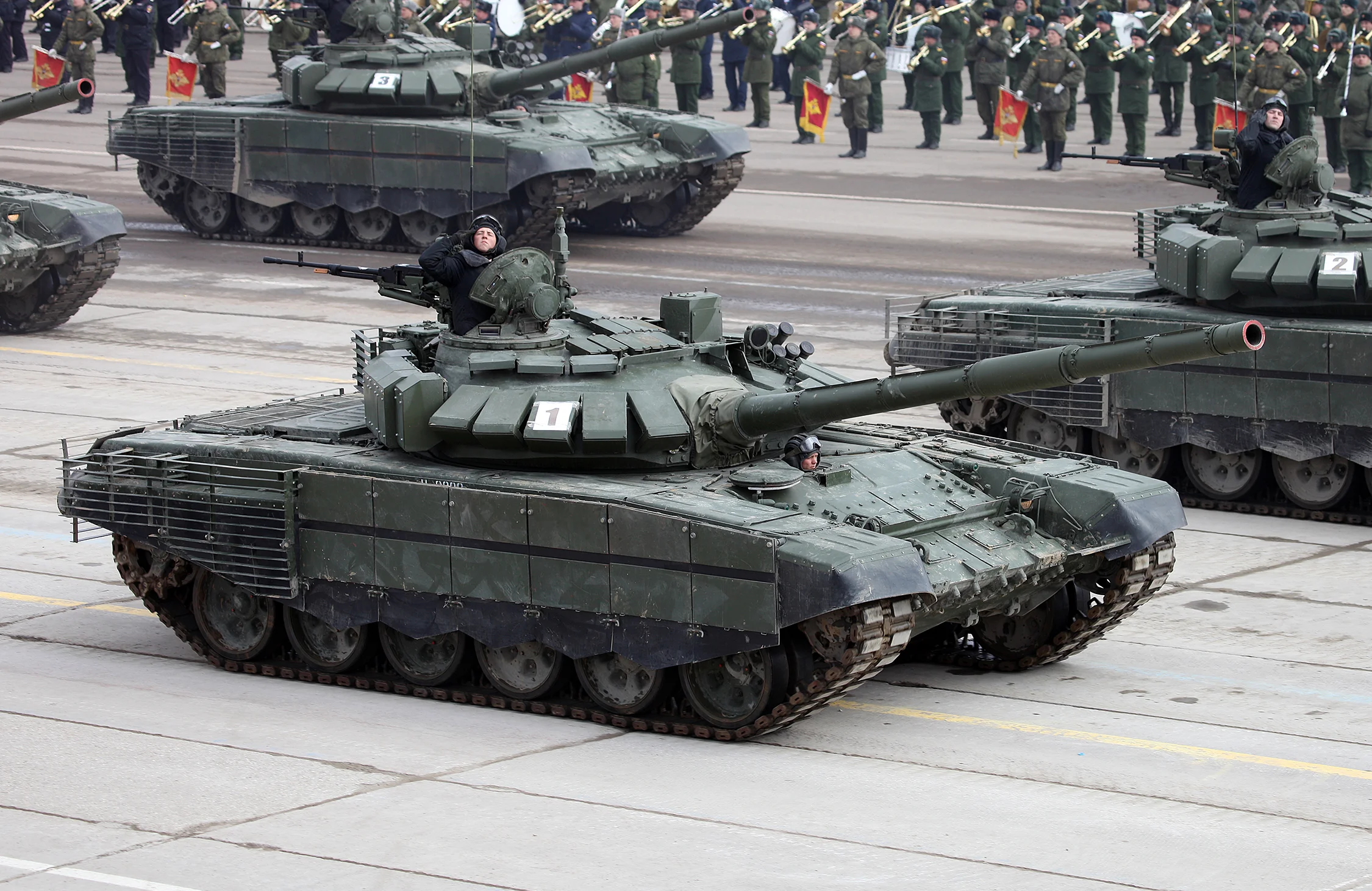
| Main battle tanks (T-72A/B, T-64B) | ≈ 420 |
| Armoured fighting vehicles (BMP-2, BTR-70/80) | ≈ 1.500 |
| Howitzers (2S1 Gvozdika, D-20, D-30) | ≈ 400 |
| MLRS (BM-21, BM-27 Uragan) | ≈ 60 |
Air Force Inventory
| Platform | Est. quantity |
|---|---|
| Total military aircraft | ≈ 120 |
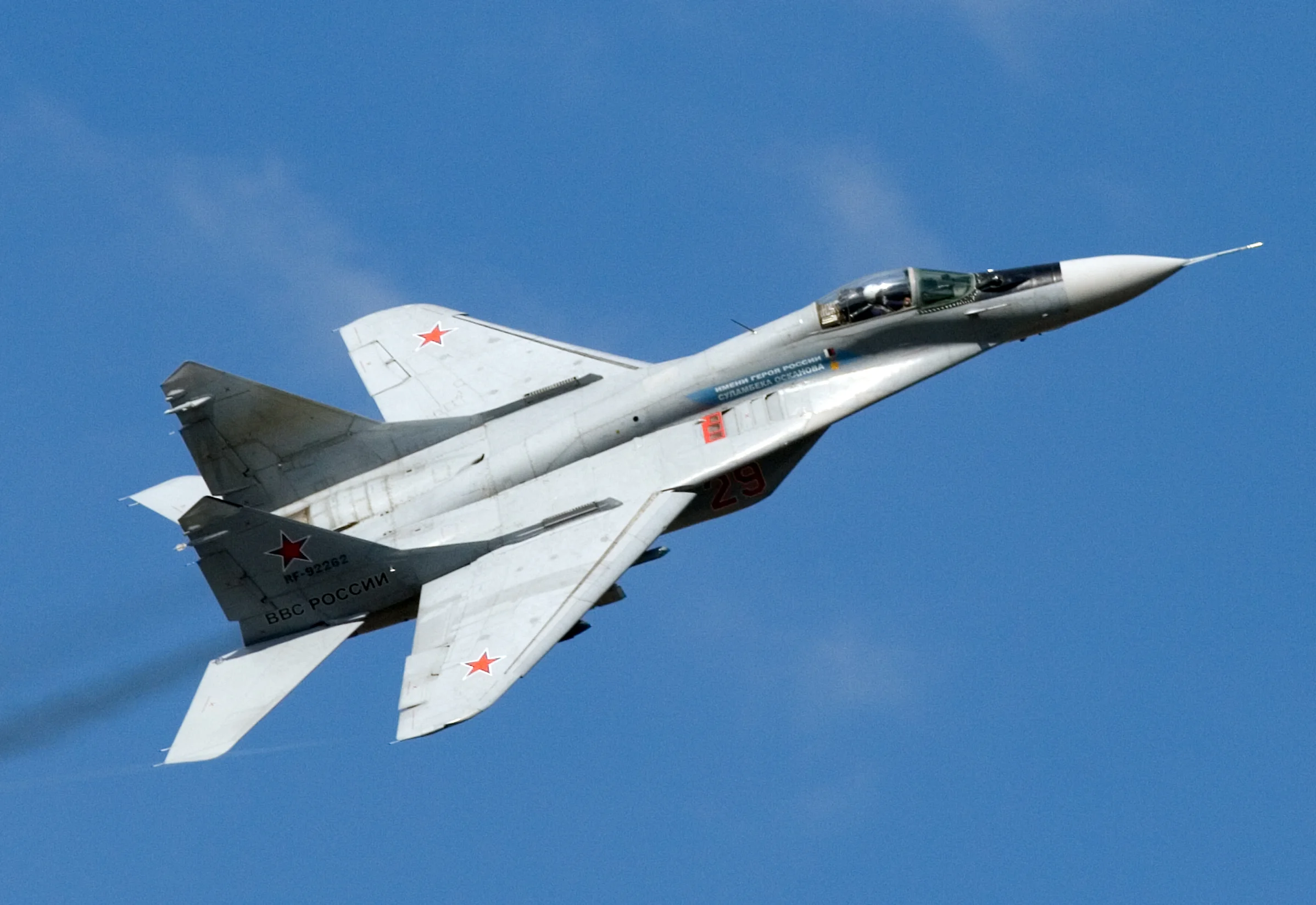
| Fighters (Su-27SM, MiG-29) | ≈ 50 |
| Attack / reconnaissance (Su-25, Su-24M) | ≈ 30 |
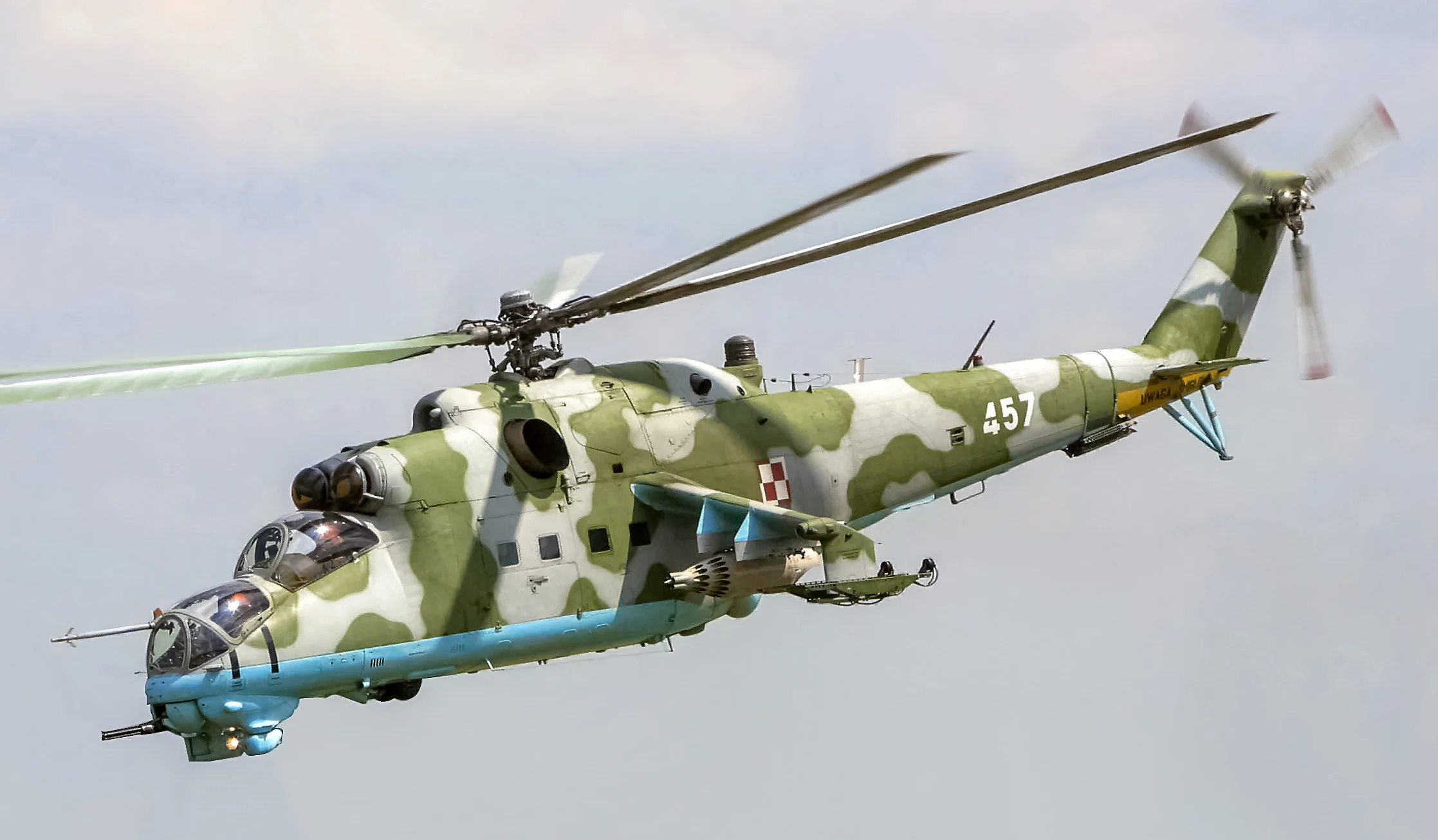
| Helicopters (Mi-24, Mi-8) | ≈ 40 |
Missile and Air-Defence Systems
| System | Type / Note |
|---|---|
| S-125 / S-200 (older generation) | Air defence |
| 9K37 Buk-M2 (modernised) | Medium-range air defence |
| Scud-B / OTR-21 Tochka | Short-range ballistic missile |
Naval Power
| Class / Type | Est. quantity |
|---|---|
| Naval force | None — landlocked country |
The Turkey Angle: Turkish Defence Industry
Uzbekistan institutionalised its relations with Turkey by becoming a full OTS member in 2023. This opened doors for defence cooperation too; interest in Bayraktar TB2 and ASELSAN systems has been expressed at various platforms.
Turkish companies show a growing presence in Uzbekistan’s manufacturing and infrastructure sectors. Defence-industry cooperation is beginning to take shape as an extension of this broader partnership. Joint exercises and military training programmes are among the tangible outputs.
Frequently Asked Questions
Why does Uzbekistan have no navy? Uzbekistan is a doubly landlocked country — it cannot reach the sea even through Kazakhstan and Iran — so its defence doctrine focuses on land and air power.
Has Uzbekistan bought the TB2? No formal purchase has been announced, but interest has been documented at various defence fairs and diplomatic meetings.
Did Uzbekistan leave the CSTO? Yes, it suspended CSTO membership in 2012 and became a full OTS member in 2023, consolidating its alignment with Turkey.
Bottom Line
Uzbekistan, carrying Central Asia’s demographic and economic weight, is building its defence modernisation on a partnership with Turkey within the OTS framework; its land-power-heavy structure continues to play a key role in regional stability.