NATO: Russian Navy’s Mediterranean Presence at Lowest Since 2016

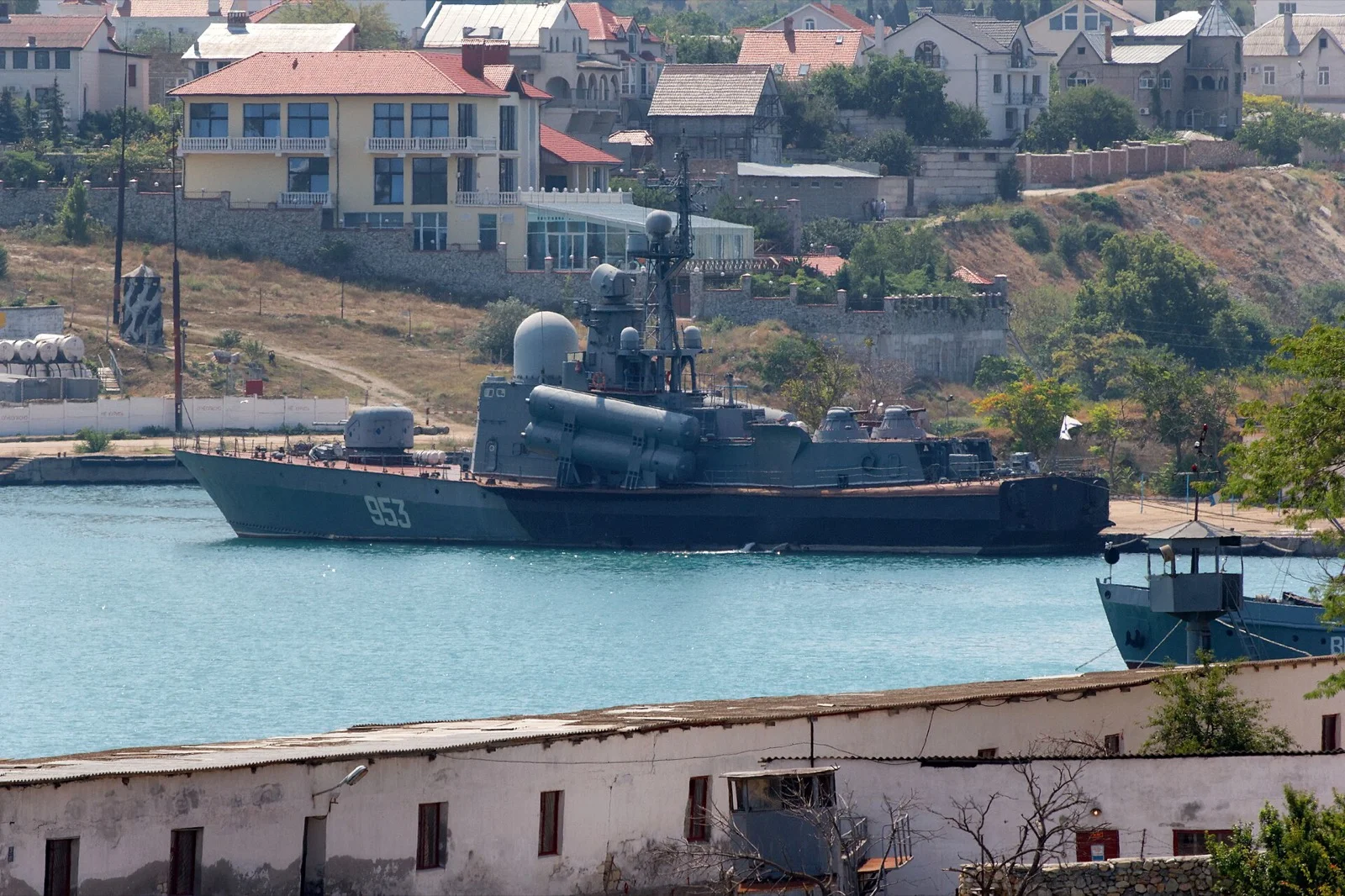
An unnamed NATO official said the alliance has tracked a “significant decrease” in Russian naval presence in the Mediterranean, with a two-month stretch with no Russian warships in the sea lasting until early September. The official said the last comparable gap was in 2016; Russian vessels returned to the Mediterranean last month, though at reduced numbers compared with previous years.
Loss of reliable basing is one driver, the official said. Syria’s new government ended Russia’s lease on the port of Tartus last year, weakening naval access to a nearby replenishment point. An August agreement allows Tartus and the Hmeimim air base to serve as joint Russian-Syrian training centers, but that arrangement does not restore the previous level of logistical support.
The official also pointed to a shortage of oilers and support ships, which limits how long Russia can sustain deployed forces. As an example, frigates stationed in the English Channel depend on a single Amur-class repair ship for resupply, forcing risky hull-to-hull transfers at sea. Russian warships are also tied up escorting merchant vessels — including “shadow fleet” tankers — through the Baltic, North Sea and Mediterranean, consuming sea days that would otherwise go toward other deployments.
Basil Germond, a professor of international security at Lancaster University and a visiting fellow at the Royal Navy Strategic Studies Centre, said Turkey’s restrictions on warship transit through the Turkish Straits prevent Russia from routinely rotating its Black Sea Fleet into the Mediterranean, forcing longer and costlier routes around Europe instead.
Federico Borsari of the Center for European Policy Analysis described the Russian Navy as being in a progressive decline, driven in part by attrition from the war in Ukraine. He said operational-availability problems are concentrated almost entirely in the Black Sea Fleet, while Russia’s other fleets remain largely unaffected.
Germond cautioned against reading the current numbers as a permanent Russian withdrawal from Mediterranean sea lanes. He argued Moscow retains both the strategic interest and residual capability to send warships into the region, framing the situation as neither a lasting shift nor a passing anomaly.
For Turkey and NATO’s southern flank, the Montreux Convention’s transit restrictions remain one of the clearest legal levers shaping the regional naval balance, and the alliance’s continued tracking of Russian Mediterranean activity underlines how closely that balance is being watched.
The assessment comes as NATO navies continue joint patrols across the Mediterranean and Black Sea, and as alliance planners weigh how a reduced but still-present Russian force posture should factor into longer-term maritime strategy for the region.
Sources
- Breaking Defense, “Russia’s naval posture in the Mediterranean has ‘significantly decreased’: NATO official,” October 20, 2026, breakingdefense.com — used for the NATO official’s statements and expert commentary cited above.