Turkmenistan’s Military Strength: Tanks, Jets and the Caspian (2026)

Turkmenistan’s military inventory rests largely on Soviet-era equipment; the country pursues a defence policy that avoids disclosing precise figures, in line with its closed nature. Caspian Sea presence and vast natural-gas resources are the two defining factors shaping defence priorities.
At a Glance
- Active personnel: ≈ 36.000
- Main battle tanks: ≈ 700
- Military aircraft (total): ≈ 200
- International status: UN permanent neutrality (1995)
- OTS: Observer member (2021)
- GFP ranking: ≈ 59
Note: The inventory figures below are approximate values drawn from open sources such as Global Firepower, the IISS Military Balance and SIPRI.
About the Turkmenistan Armed Forces
Turkmenistan’s Armed Forces, with 36,000 active personnel and predominantly Soviet-legacy equipment, represent a relatively small but strategically significant military. UN permanent neutral status legally prevents the country from joining any military alliance.
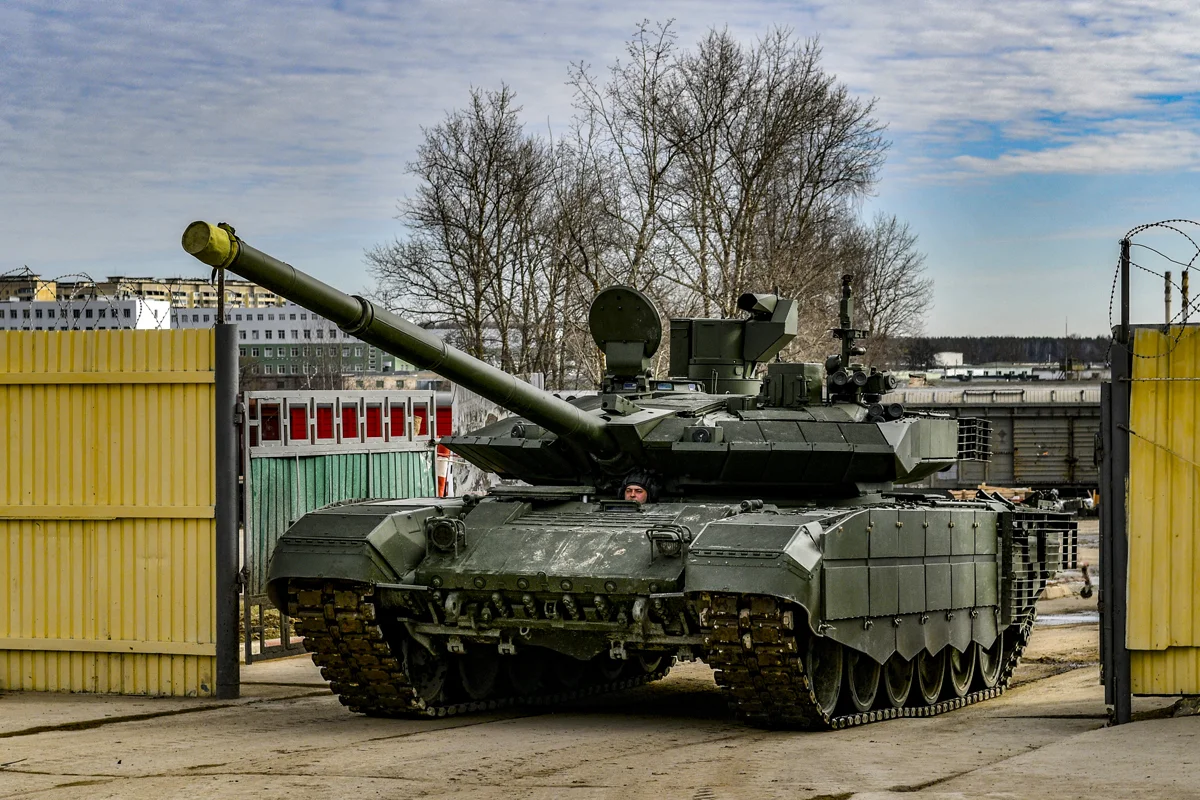
Due to its closed regime, precisely verifying Turkmenistan’s real military capacity is difficult; inventories rely largely on assessments from independent research institutions. Recent T-90SA acquisitions and indigenous military-industry investments stand out.
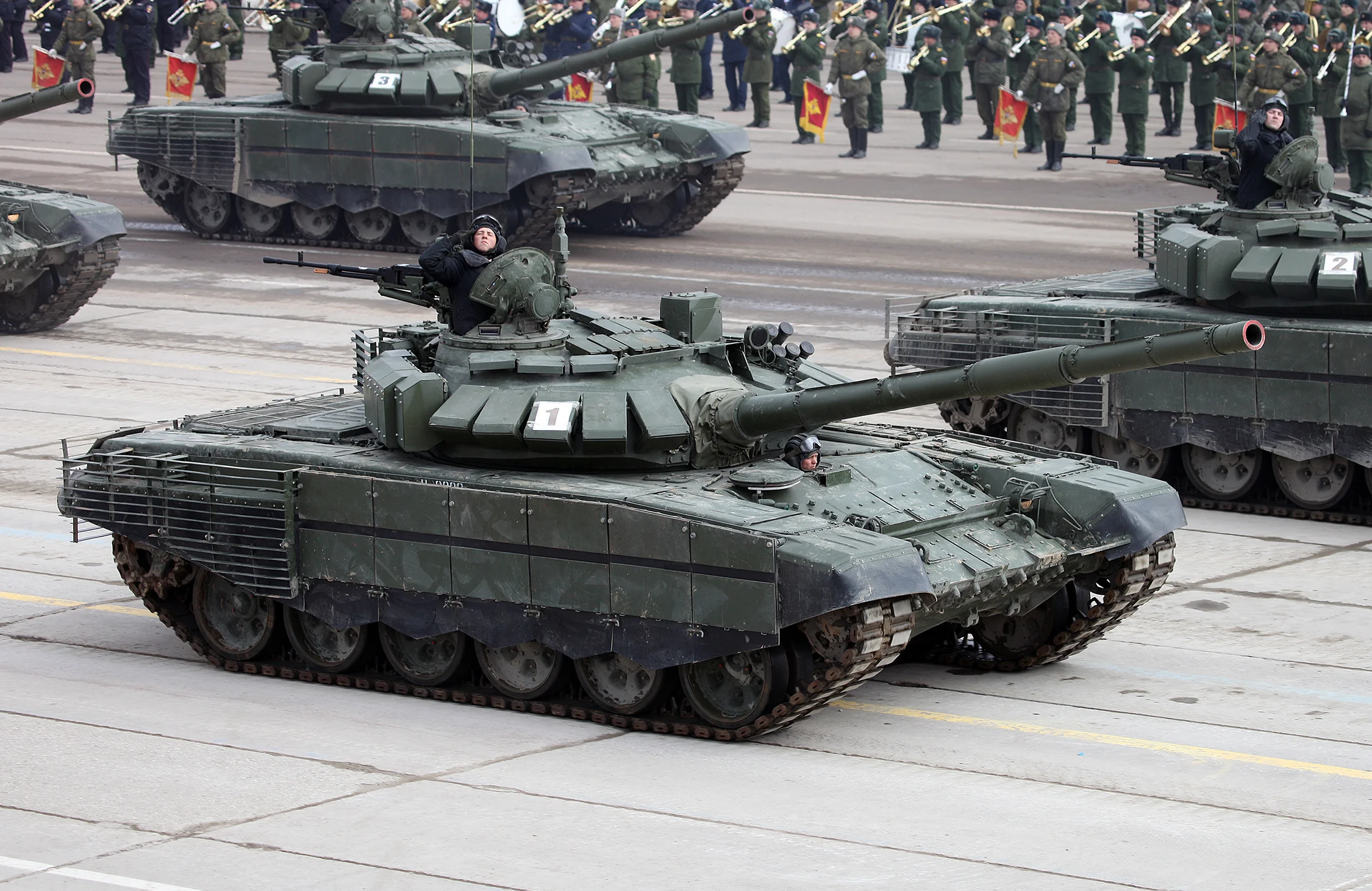
Land Forces Inventory
| System type | Est. quantity |
|---|---|
| Main battle tanks (T-72, T-90SA) | ≈ 700 |
| Armoured fighting vehicles (BMP-2, BTR-80, MT-LB) | ≈ 1.800 |
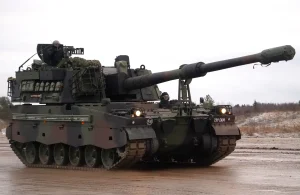
| Artillery (2S19, 2S3, D-30, BM-21) | ≈ 500 |
Air Force Inventory
| Platform | Est. quantity |
|---|---|
| Total military aircraft | ≈ 200 |
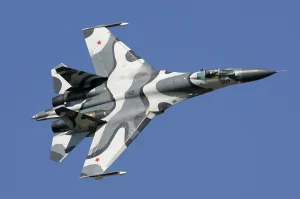
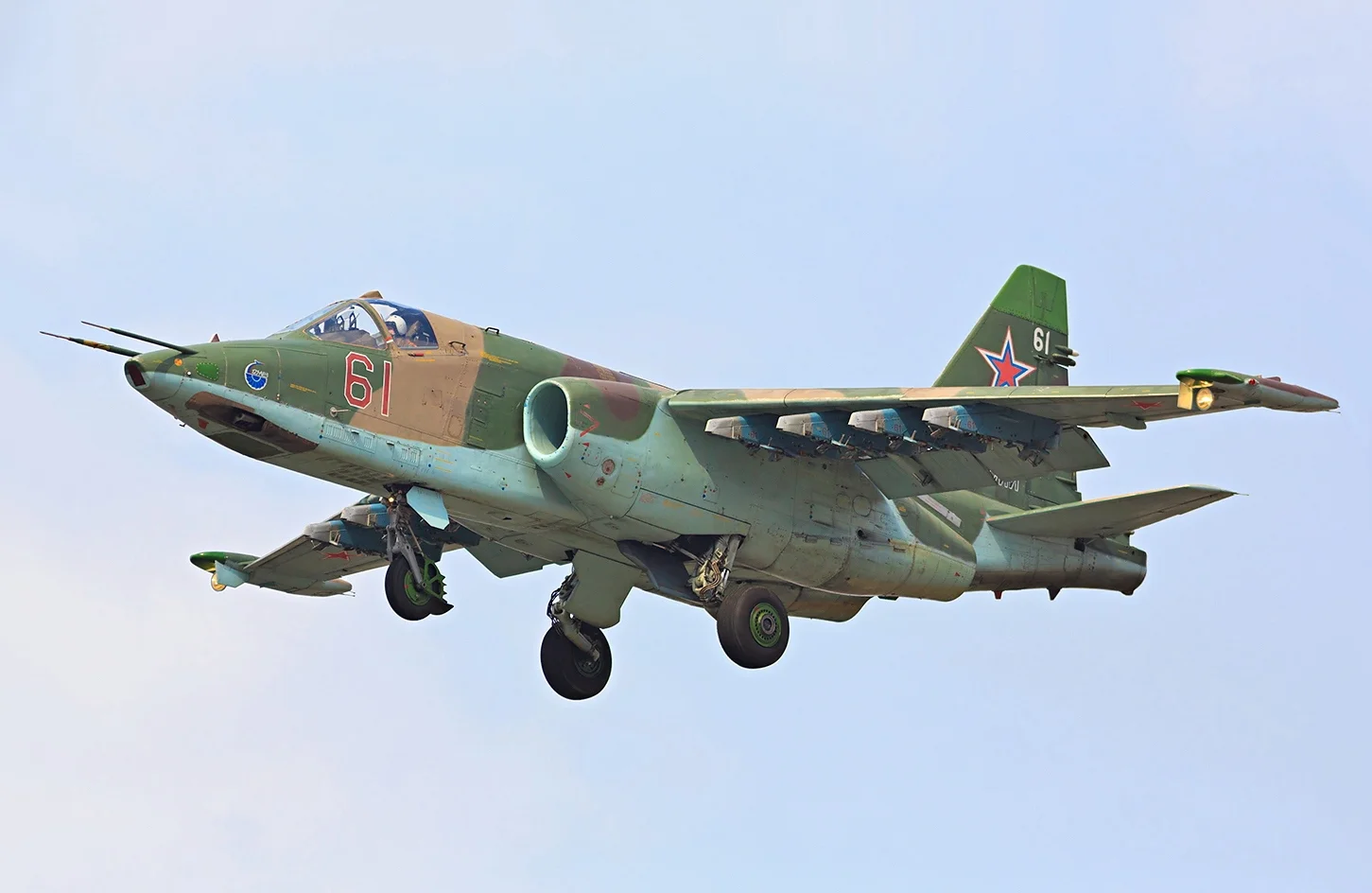
| Fighters / attack (MiG-29, Su-25) | ≈ 50 |
| Transport / special-mission (C-17, Il-76, Mi-24) | ≈ 40 |
| Helicopters (Mi-24, Mi-8, Mi-17) | ≈ 110 |
Missile and Air-Defence Systems
| System | Type / Note |
|---|---|
| S-125 Neva / S-200 Vega | Air defence (older generation) |
| 9K35 Strela-10 / 9K38 Igla | Short-range air defence |
Naval Power
| Class / Type | Est. quantity |
|---|---|
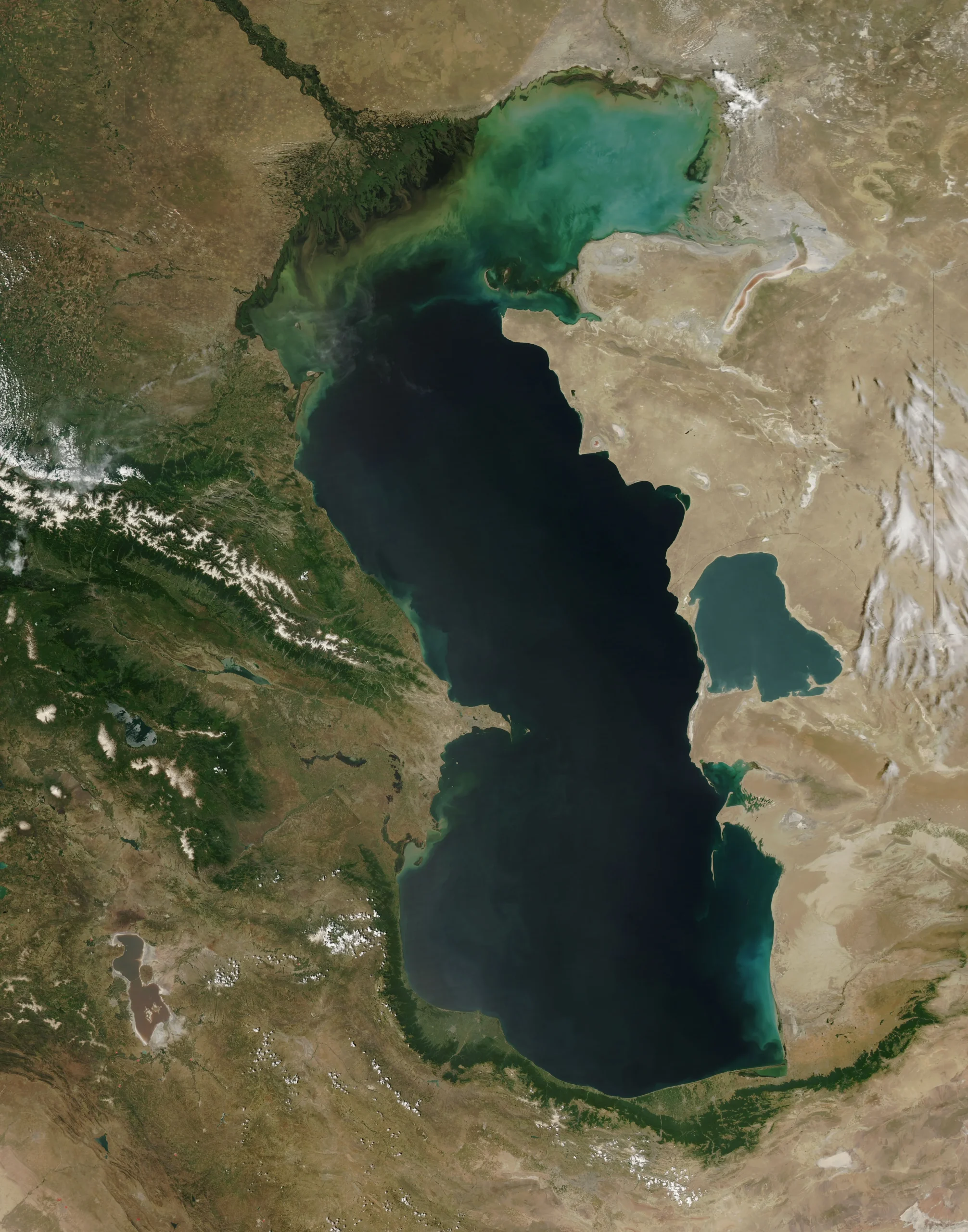
| Total naval platforms (Caspian Sea) | ≈ 10 |
| Corvette (Deniz Ýyldyzy-class, Turkish-built) | 1 |
| Patrol and missile boats | ≈ 9 |
The Turkey Angle: Turkish Defence Industry
Turkey and Turkmenistan leverage their shared Turkic cultural heritage as the foundation of political and economic cooperation. The construction of Turkmenistan’s Deniz Ýyldyzy-class corvette in Turkey is the most tangible evidence of defence-industry cooperation — this vessel is the most modern platform in the Turkmen Caspian fleet.
Turkmenistan joined the OTS as an observer in 2021, reflecting Ashgabat’s desire to increase ties with pan-Turkic mechanisms. Although neutral status limits a comprehensive defence partnership, bilateral economic ties and energy cooperation continue to keep the door open for Turkish defence-industry products.
Frequently Asked Questions
Why is Turkmenistan neutral? The UN General Assembly resolution of 1995 granting permanent neutral status makes an alliance-free policy both legally and politically mandatory.
Does Turkmenistan have a Turkish-built warship? Yes — the Deniz Ýyldyzy-class corvette built in Turkey is the most modern unit of the Turkmen Caspian fleet.
How wealthy is Turkmenistan? It holds the world’s fourth-largest natural-gas reserves; this wealth funds defence spending and reinforces its strategic position.
Bottom Line
Turkmenistan draws a distinctive regional power profile with its neutral status, vast gas wealth and Caspian naval presence. The Turkish-built corvette remains concrete and ongoing evidence of the bilateral defence-industry relationship.