





Turkish Aerospace Products: Jets, UAVs & Satellites

Turkish Aerospace (TUSAS / TAI) builds a broad product family spanning combat and trainer aircraft, unmanned aerial vehicles, helicopters and space systems. Flagship programmes include the KAAN fighter, HURJET jet trainer, the ANKA UAV family, the T625 GOKBEY helicopter and satellites such as GOKTURK and IMECE.
| Product portfolio at a glance | |
|---|---|
| Fighter aircraft | KAAN (5th-gen, in development) |
| Trainers | HURJET, HURKUS |
| MALE UAVs | ANKA, ANKA-S, AKSUNGUR |
| Jet UAV | ANKA-3 (flying-wing) |
| Attack helicopters | T129 ATAK, T929 ATAK-2 |
| Utility helicopters | T625 GOKBEY, T925 |
| Space systems | GOKTURK, IMECE, TURKSAT 6A (structure) |
| Civil / structural | Airbus and Boeing work packages |
| Role | Platform prime contractor |
What does Turkish Aerospace make?
Turkish Aerospace is Turkey’s principal aircraft and space manufacturer, acting as prime contractor across several product families. On the combat and training side it develops the KAAN, a fifth-generation fighter still in development, alongside the HURJET jet trainer and light attack aircraft and the HURKUS turboprop trainer. Its unmanned range covers the ANKA and ANKA-S medium-altitude long-endurance drones, the twin-engine AKSUNGUR and the flying-wing jet ANKA-3. In rotorcraft it produces the T129 ATAK attack helicopter, the T625 GOKBEY utility helicopter and the heavier T929 ATAK-2. It also contributes to satellites and space systems and manufactures structural aerostructures for Airbus and Boeing.
How the product families break down
The portfolio can be grouped into five families.
- Combat and trainer aircraft: KAAN, HURJET, HURKUS.
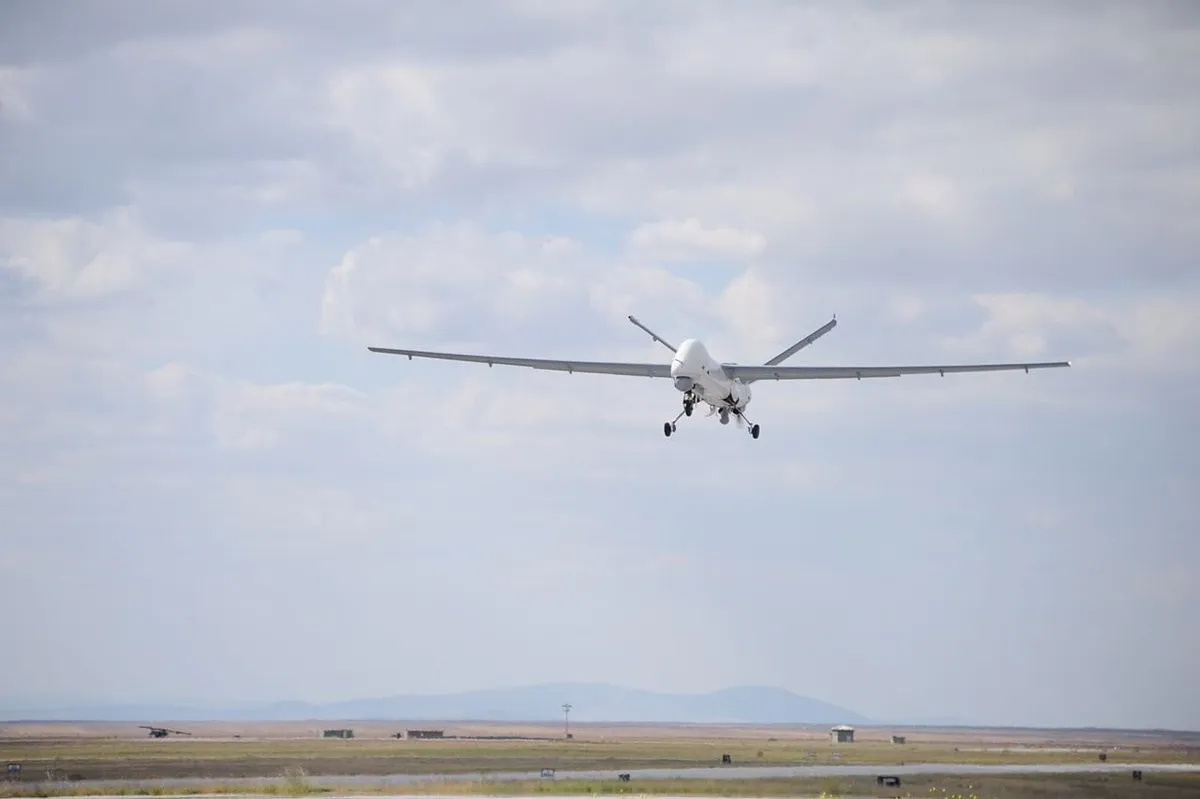
- Unmanned aerial vehicles: ANKA, ANKA-S, AKSUNGUR, ANKA-3.
- Helicopters: T129 ATAK, T625 GOKBEY, T929 ATAK-2, T925.
- Space and satellites: GOKTURK reconnaissance series, IMECE observation satellite, TURKSAT 6A structural contribution.
- Structural and civil aerostructures: composite and structural work packages for Airbus (A350, A320) and Boeing (787).
The table below lists the main Turkish Aerospace platforms across aircraft, UAVs, helicopters and space. Development status is shown because a prototype or target is not the same as a serial-production system.
Turkish Aerospace reports its scale through international rankings. Its product portfolio underpins the revenue that placed it high on the latest Defense News list.
How many people build these products?
Turkish Aerospace employs approximately 17,000 people (2024-2025 sources), including around 7,000 engineers and 6,000 technicians. Some 2026 figures cite about 16,180 staff. This large engineering base supports the parallel development of fighters, UAVs, helicopters and space systems.
What does Turkish Aerospace not build itself?
Turkish Aerospace is the platform prime contractor, not the source of every subsystem on its products. Radar, avionics and electro-optics are largely supplied by ASELSAN; engines come from TEI and foreign suppliers (the KAAN prototype flies on two GE F110 engines, with an indigenous engine still a target – not ready); software and simulation come from HAVELSAN; and munitions from ROKETSAN and TUBITAK SAGE. These subsystems are made by separate companies, some sharing public-sector ownership.
A prototype is not a serial-production aircraft, and an indigenous-engine target is not a ready engine. Programmes such as KAAN, ANKA-3 and T929 ATAK-2 remain in development. Unconfirmed range, speed and weight values are noted as not officially disclosed.
Frequently asked questions
Which fighter jets does Turkish Aerospace build?
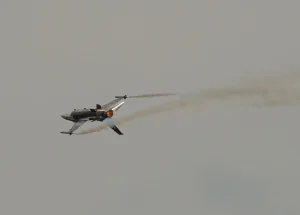
The flagship fighter is KAAN, a fifth-generation national combat aircraft that is still in development; its prototype flies with two General Electric F110 engines. Turkish Aerospace also makes the HURJET jet trainer and light attack aircraft and the HURKUS turboprop trainer.
Which UAVs does Turkish Aerospace make?
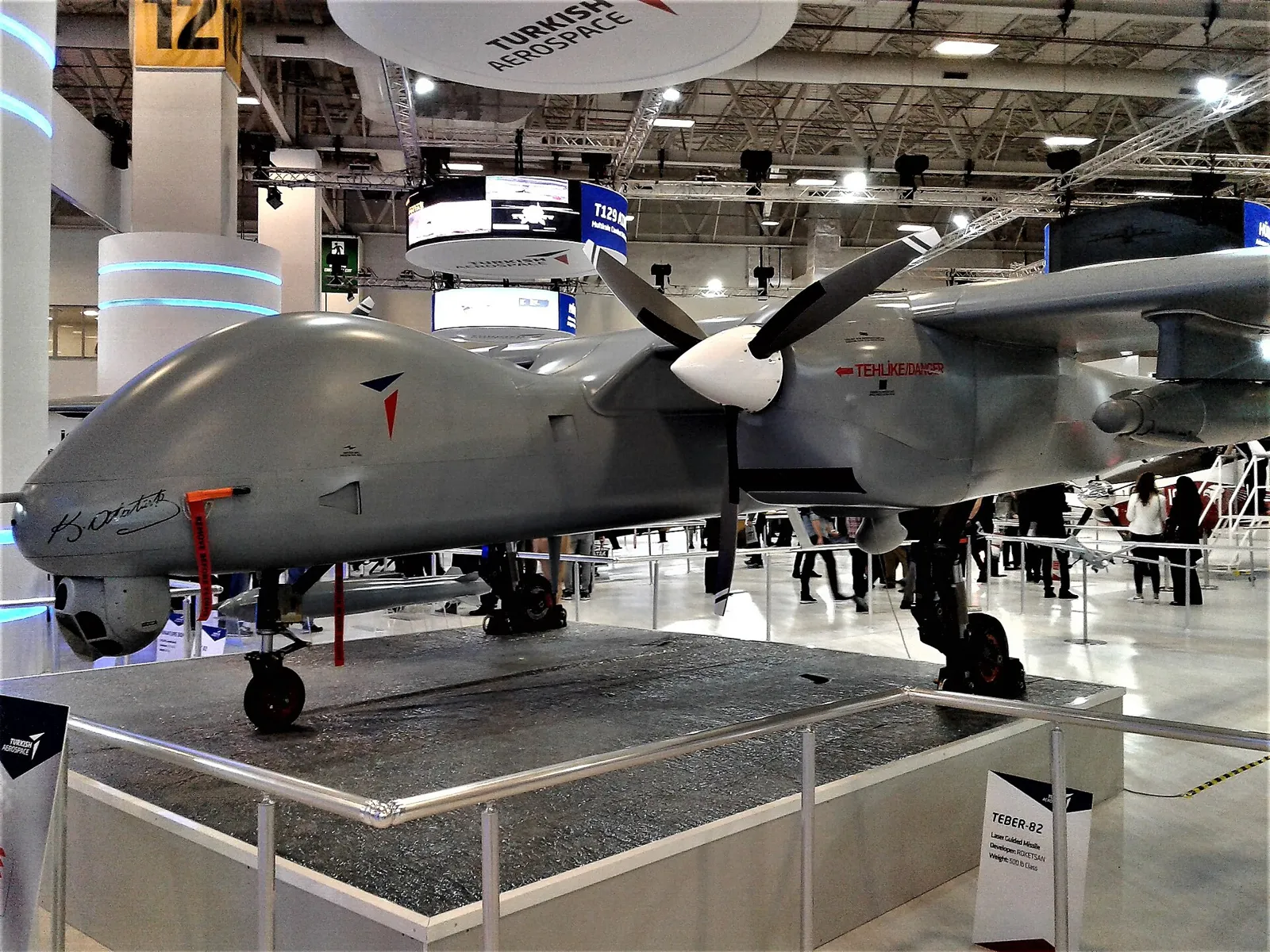
Its unmanned range includes the ANKA and ANKA-S medium-altitude long-endurance drones, the twin-engine AKSUNGUR for long-endurance missions, and the flying-wing jet ANKA-3, which is in development. These UAVs are among the company’s most widely known products.
Which helicopters does Turkish Aerospace produce?
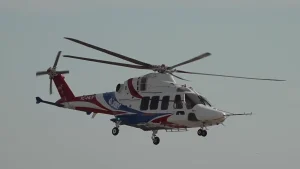
Turkish Aerospace produces the T129 ATAK attack helicopter, the T625 GOKBEY twin-engine utility helicopter, the heavier T929 ATAK-2 attack helicopter (in development) and the T925 utility helicopter. Some rely on foreign engines while indigenous engines such as the TEI TS1400 are being introduced.
Does Turkish Aerospace build satellites?
Yes. It contributes to space systems including the GOKTURK reconnaissance series and the IMECE observation satellite (with TUBITAK UZAY as prime), and it provided structural work for TURKSAT 6A. Turkish Aerospace focuses on structure, integration and test within these programmes.
Does Turkish Aerospace make Airbus or Boeing parts?
Yes. As a structural and composite supplier it manufactures work packages for Airbus (including A350 and A320 structures) and Boeing (such as 787 components). This civil aerostructures work sits alongside its defence platforms.
Is KAAN in serial production?
No. KAAN is still in development. It has flown as a prototype using two General Electric F110 engines, while an indigenous engine remains a target rather than a ready product. A prototype milestone is not the same as serial production.
Does Turkish Aerospace make the engines for its aircraft?
Generally no. Engines come from TEI (a separate company) and foreign suppliers. For example, the KAAN prototype uses GE F110 engines and the HURJET uses the GE F404, while indigenous engines are development targets. Turkish Aerospace is the airframe and platform integrator.
What is the difference between ANKA and AKSUNGUR?
Both are medium-altitude long-endurance UAVs, but AKSUNGUR is a larger twin-engine platform aimed at longer endurance and heavier payloads, while the ANKA family is the more established single-engine line, including the ANKA-S satellite-controlled variant and the jet-powered ANKA-3.
Sources
- Turkish Aerospace official website – tusas.com (product pages)
- Presidency of Defence Industries (SSB) – ssb.gov.tr
- Defense News Top 100 (2025 edition)
- Anadolu Agency (AA) – programme coverage
- Wikipedia – Turkish Aerospace Industries (background reference)