GÖKBEY Performance: Service Ceiling, Hot-and-High Capability, Range and Endurance
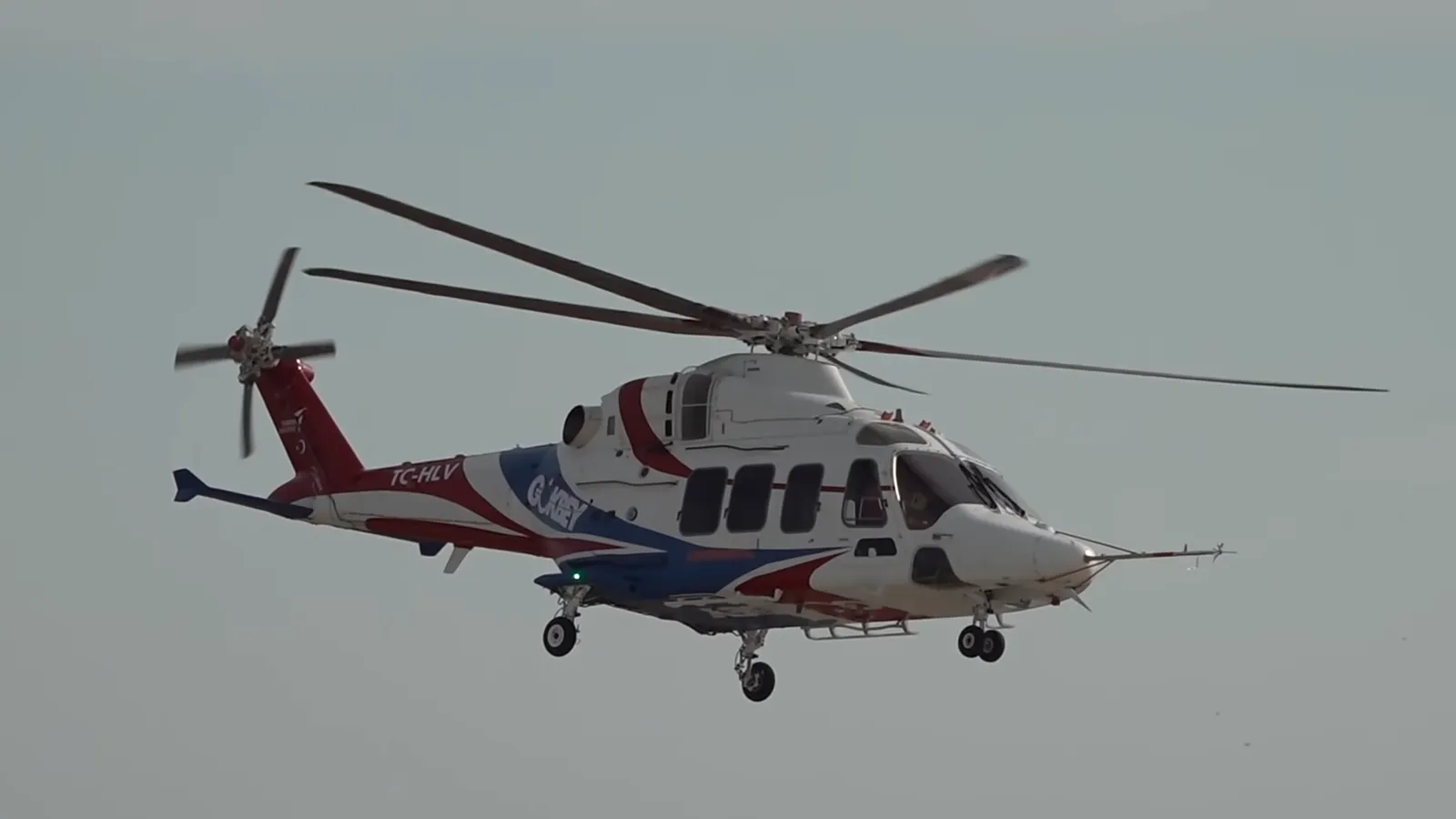
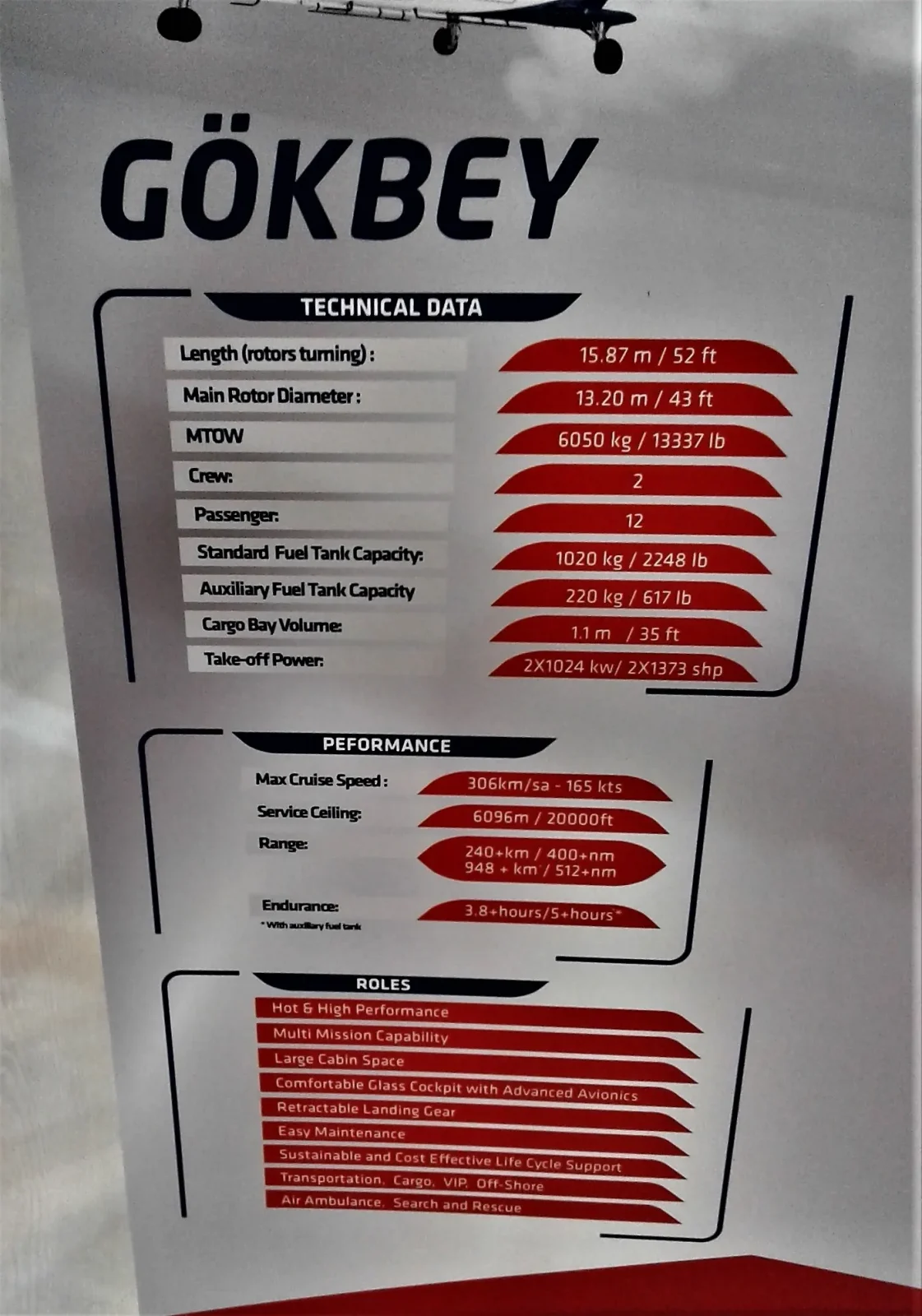
What a utility helicopter can actually be tasked with is written into its performance envelope as much as into its cabin dimensions. For the GÖKBEY (T625), the figures published by TUSAŞ point to a 6,096 m service ceiling, a 297 km/h maximum cruise speed, 740 km of range on internal fuel and more than 3.8 hours of endurance. With auxiliary fuel fitted, range rises to 948 km and endurance to over five hours.
The published performance figures
The data on TUSAŞ’s product page places GÖKBEY in the upper-middle band of the 6-tonne class. Maximum take-off weight is 6,050 kg, and take-off power is quoted as 2×1,024 kW (2×1,373 shp) from the two engines combined.
What a 6,096 m service ceiling means
Service ceiling is the highest altitude at which an aircraft can still hold a defined rate of climb; flight above it remains possible, but the performance margin narrows quickly. The 6,096 m (20,000 ft) figure quoted for GÖKBEY is a design target set so the platform can work over high mountainous terrain. Search-and-rescue and casualty-evacuation work in eastern Türkiye, where terrain elevation is significant, calls for exactly that margin.
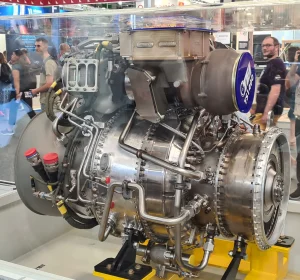
The indigenous TEI-TS1400 turboshaft is specified against the same 20,000 ft ceiling. The engine is rated to deliver 1,660 shp for 30 seconds in a one-engine-inoperative (OEI) case at sea-level standard atmosphere — a reserve that directly offsets the power lost at altitude and in heat.
The hot-and-high design approach
The hardest corner of a helicopter’s envelope is where high altitude meets high ambient temperature. Thin air reduces both the lift the rotor generates and the mass airflow the turboshafts can draw, so hover capability and useful load fall away noticeably.
TUSAŞ describes GÖKBEY as designed and optimised for missions flown in hot and high geographic conditions and in adverse weather. In engineering terms that translates into a favourable power-to-weight ratio, a large-diameter main rotor and a deliberate power margin in the engine selection.
Hover ceiling figures (IGE/OGE) and useful-load numbers at specific ISA-deviation temperatures have not been published individually for GÖKBEY. This article works only from performance items released by the manufacturer.
Range and endurance in mission planning
With its 1,020 kg standard fuel load, GÖKBEY offers 740 km of range and more than 3.8 hours of endurance. Adding the 280 kg auxiliary capacity extends range to 948 km and endurance to over five hours.
These numbers carry different weight in different roles. On an air-ambulance sortie, time available on scene usually matters more than absolute range; in offshore and maritime work, the operating radius from shore and the return fuel reserve dominate. In search and rescue, an endurance figure reaching five hours translates directly into effective time spent over the search area.
How the envelope ties to the engine
GÖKBEY prototypes first flew on 6 September 2018 with LHTEC CTS800-4AT engines. The first flight with the indigenous TEI-TS1400 followed on 19 April 2023. Because the two engines sit in a similar power class, no fundamental change to the performance envelope is expected; the real difference lies in export clearances and supply-chain independence.
Reading the numbers correctly
Helicopter performance figures only mean something alongside the conditions under which they were measured. Range is normally computed at a defined mission weight with a fuel reserve rather than at maximum take-off weight, and endurance varies with the cruise power setting. Manufacturer figures describe favourable conditions, so field performance shifts with payload, altitude, temperature and wind. Differences between prototype and serial-production configurations can also move the final numbers.
Frequently asked questions
What is the GÖKBEY’s service ceiling? TUSAŞ quotes a service ceiling of 6,096 metres (20,000 ft).
What is the GÖKBEY’s range? 740 km on internal fuel, and 948 km with auxiliary fuel fitted.
How long can the GÖKBEY stay airborne? More than 3.8 hours in the standard configuration, and over five hours with auxiliary fuel.
What is the GÖKBEY’s maximum speed? Maximum cruise speed is quoted as 297 km/h (160 kt).
Can the GÖKBEY operate in hot-and-high conditions? TUSAŞ describes the platform as designed for missions in hot and high-altitude geographies. Hover-ceiling values at specific temperatures and altitudes have not been officially published.