TUSAŞ ANKA Deliveries Explained: How Many in Turkish Service, Which Operators?
Summary Not Found.
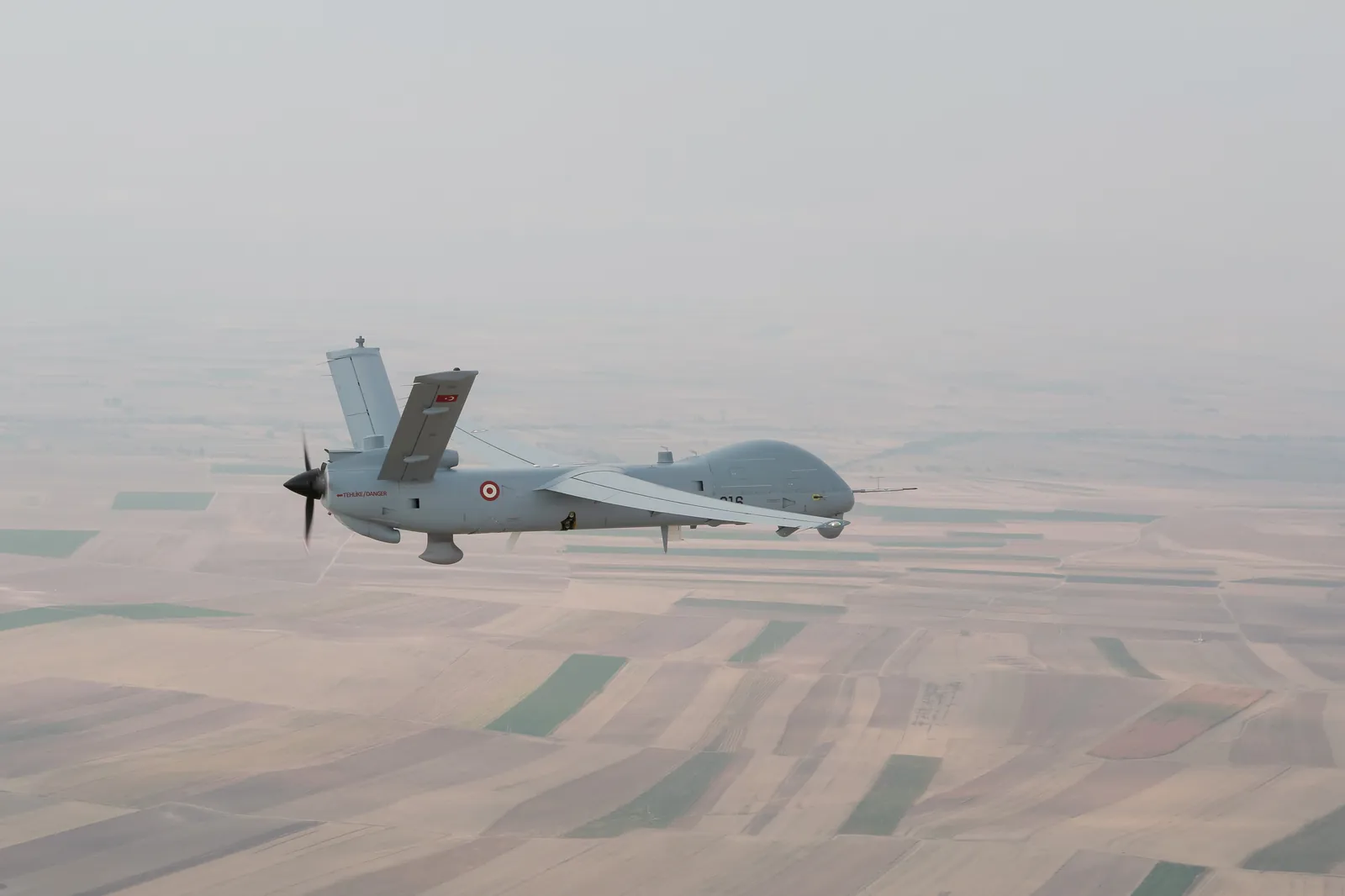
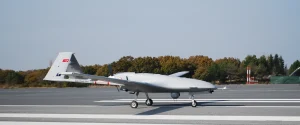
The TUSAŞ ANKA medium-altitude long-endurance UAV. Source: Wikimedia Commons (CC).
ANKA is a medium-altitude long-endurance (MALE) unmanned aerial vehicle developed by Türkiye’s TUSAŞ. As the country’s first indigenous MALE UAV program, ANKA first flew in 2010 and has since evolved into a family led by the satellite-controlled ANKA-S. Per open sources, the number of ANKA in Turkish Armed Forces service has reached 36, and the system has been exported to countries including Tunisia, Chad, Algeria, Kazakhstan, Malaysia and Indonesia. ANKA’s key distinction is its indigenous TEI PD-170 engine. This dossier compiles ANKA’s delivery timeline, operators, variants and technical data from open sources.
ANKA played a pioneering role in Türkiye’s unmanned-systems vision; the engineering experience gained on the program underpinned the development of later platforms such as AKINCI, Aksungur and TB3. Used across a wide mission set — border security, counter-terrorism, maritime surveillance and disaster monitoring — ANKA is not merely a reconnaissance aircraft but a capability platform that matured Türkiye’s indigenous avionics, sensor and munitions ecosystem. This accumulated know-how also laid the groundwork for Türkiye’s rise to the top tier of global UAV exporters.
2010
First flight
36 units
Turkish inventory
PD-170
Indigenous engine
6+ countries
Exports
Contents: Tap each heading to expand or collapse — what ANKA is, variants, operators, first delivery, how many, timeline, specifications, engine (PD-170) and FAQ.
What is ANKA?
ANKA is an indigenous MALE UAV combining ISR and precision strike. It began as one of Türkiye’s first major indigenous UAV programs and has grown into a family capable of both reconnaissance and armed missions, with real-time imagery, electro-optical/thermal cameras and laser designation across roles from border security to maritime surveillance.
Variants: ANKA-S, Aksungur and ANKA-3
ANKA is not a single aircraft but a family that has diversified to meet different mission needs.
Variant
Key feature
ANKA (A)
Baseline MALE reconnaissance/surveillance platform
ANKA-S
Beyond-line-of-sight control via satellite (SATCOM)
ANKA-Aksungur
Larger, twin-engine sibling with heavy payload
ANKA-3
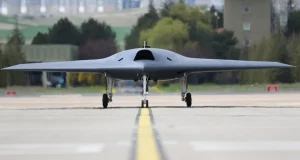
Low-observable (stealth) flying-wing UCAV; 2 prototypes, 10 units targeted in 2026, service ~2027
Which institutions and countries operate it?
ANKA serves with many Turkish security institutions, led by the Air Force, and is exported to a growing number of countries.
Operator (Türkiye)
Status
Air Force Command
Active (lead operator)
Army Command
Active
Gendarmerie
Active
National Police (EGM)
Active
National Intelligence (MİT)
Active
Navy / Coast Guard
Active (maritime surveillance)
Export operator
Note
Tunisia
First export customer (3 units, delivered 2021–2022)
Chad
2 units delivered
Algeria, Kazakhstan
Operational
Malaysia
ANKA-S (South China Sea surveillance, 2026)
Indonesia
Testing/delivery process
Uzbekistan
Procurement agreement
When was the first delivery? How is serial production progressing?
ANKA first flew in 2010, with initial ANKA-A block deliveries in following years. A key milestone was the delivery of the satellite-controlled ANKA-S to the Turkish military in 2017–2018. ANKA is serially produced at TUSAŞ’s Ankara facilities and the inventory grows steadily.
How many ANKA are in Turkish service?
Per open sources, the number of ANKA in Turkish Armed Forces service has reached 36, showing steady growth in indigenous MALE UAV production. Counting export deliveries, total ANKA built is higher.
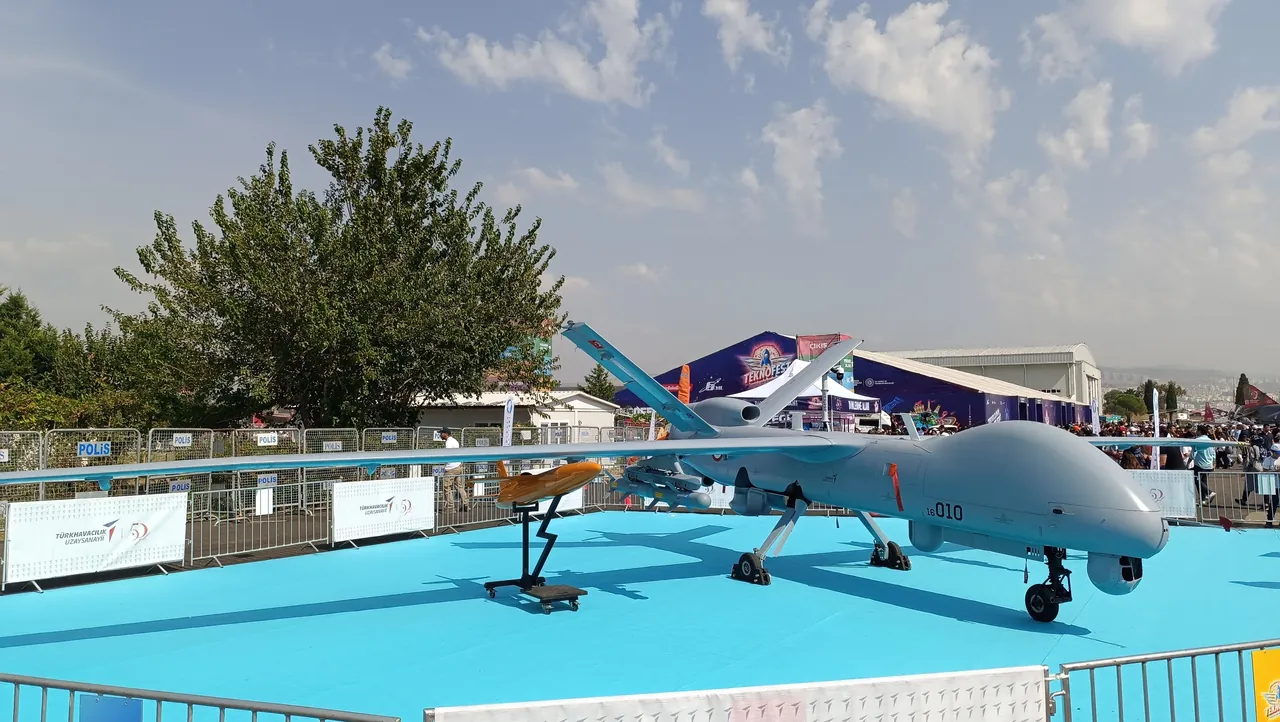
ANKA on display at Teknofest 2023 in İzmir. Source: Wikimedia Commons (CC).
Upcoming deliveries and ANKA-3
The family’s future centers on the low-observable ANKA-3. After work with two prototypes, TUSAŞ plans to build 10 ANKA-3 in 2026 and aims for first deliveries by year-end, with the aircraft entering inventory from 2027. ANKA-S production and export deliveries continue in parallel.
Period
Development
Note
2010
First flight
TUSAŞ
2017–2018
ANKA-S first delivery
Turkish military
2020–2022
First export (Tunisia, 3 units)
Tunisia
Post-2023
New export operators
Chad, Algeria, Malaysia, Indonesia
2026
ANKA-3 production target 10
First delivery year-end
2027
ANKA-3 enters service
Target
Delivery and milestone timeline
Date
Event
Institution / country
Source
2010
First flight
TUSAŞ
TUSAŞ / Wikipedia
2013–2016
ANKA-A block deliveries
Turkish military
Wikipedia
2017–2018
ANKA-S (SATCOM) first delivery
Turkish military
TUSAŞ
2020
First export contract
Tunisia
Daily Sabah
2021–2022
Tunisia deliveries (3 units)
Tunisian Air Force
Army Recognition
Post-2023
Export expansion
Chad, Algeria, Malaysia, Indonesia
Press
2026
Turkish inventory ~36; ANKA-3 production
Turkish military / TUSAŞ
SavunmaTR / GDH
Technical specifications (ANKA-S)
Feature
Value
Class
MALE unmanned aerial vehicle
Wingspan
≈17.3 m
Length
≈8.6 m
Max take-off weight
≈1,700 kg
Payload
≈200–350 kg
Engine
1 × indigenous TEI PD-170 turbodiesel (~170 hp)
Service ceiling
≈9,140 m (30,000 ft)
Endurance
24+ hours
Comms
SATCOM (ANKA-S) + line of sight
Munitions
MAM-L / MAM-C, Bozok and Roketsan smart munitions
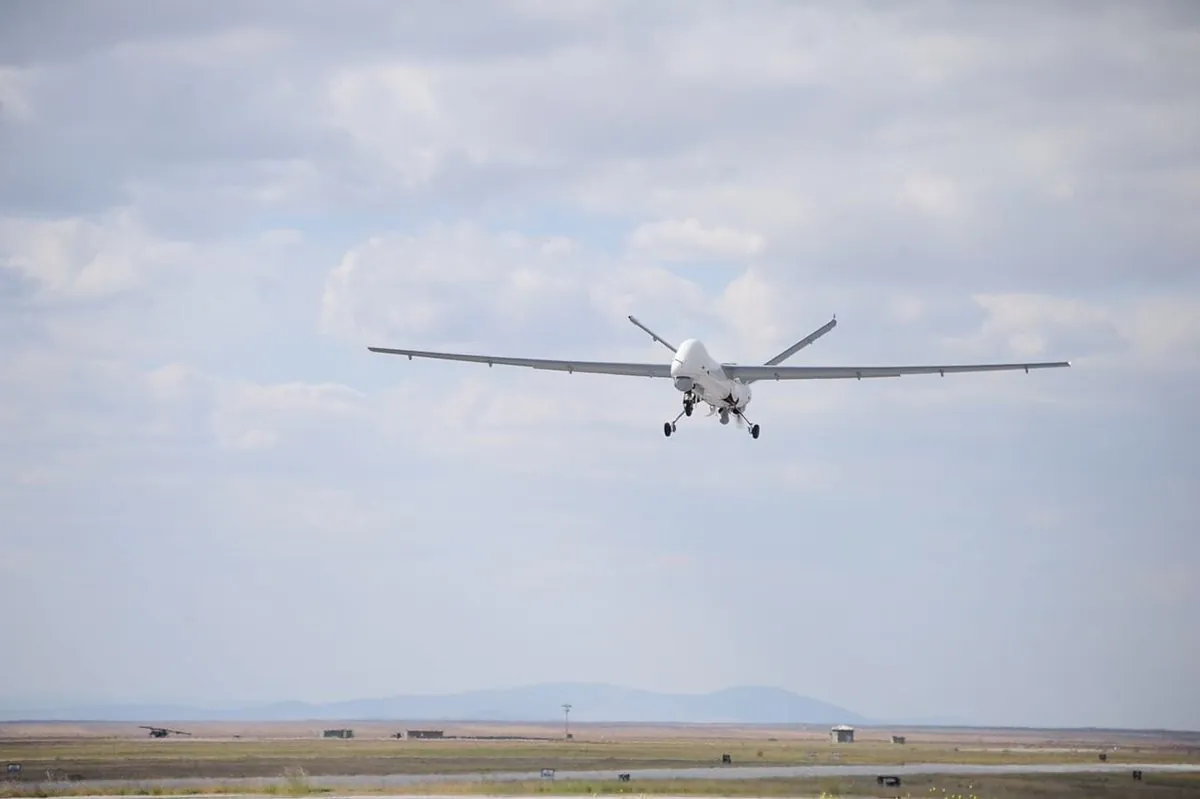
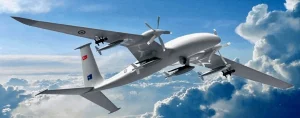
The satellite-controlled ANKA-S variant. Source: Wikimedia Commons (CC).
Engine: the indigenous PD-170 sets ANKA apart
Unlike the TB2 (Rotax) or AKINCI (imported turboprop), ANKA uses the indigenous TEI PD-170 turbodiesel (~170 hp). This domestically sourced engine delivers ANKA’s high-altitude, long-endurance performance and is also used on platforms such as TB3. The localization gives ANKA a strategic edge in supply security and export independence.
Why it matters for Türkiye
ANKA is a pillar of Türkiye’s UAV ecosystem. With its indigenous engine, national avionics and Roketsan munitions, it forms an end-to-end domestic supply chain. With ANKA-3, the program expands from classic MALE reconnaissance toward low-observable strike capability.
On the export side, ANKA lets the Turkish defense industry build long-term relationships spanning training, maintenance and munitions — making it a capability investment that matters for both national security and strategic foreign relations.
Frequently Asked Questions
When did ANKA first fly?
ANKA first flew in 2010; the satellite-controlled ANKA-S was delivered to the Turkish military in 2017–2018.
How many ANKA are in Turkish service?
Per open sources, the number in Turkish Armed Forces service has reached 36.
Which countries operate ANKA?
Operators include Tunisia, Chad, Algeria, Kazakhstan, Malaysia and Indonesia; Uzbekistan signed a procurement agreement.
Is ANKA’s engine indigenous?
Yes. ANKA uses the indigenous TEI PD-170 turbodiesel, which sets it apart from the Rotax-powered TB2 and the imported-engine AKINCI.
What is ANKA-3 and when will it arrive?
ANKA-3 is a low-observable flying-wing UCAV. TUSAŞ aims to build 10 in 2026 and have it enter service in 2027.
How long can ANKA stay aloft?
ANKA-S can stay airborne for more than 24 hours depending on payload.