The 10 Most Successful Tactical Vehicles in the World (2026 Ranking)
Summary Not Found.
Tactical wheeled vehicles have become the workhorse of every modern land force, blending mine protection, mobility and modular payloads. This ranking weighs combat record, export footprint and survivability to rate the ten platforms that have most shaped the global 4×4 and MRAP market.
Oshkosh JLTV (Joint Light Tactical Vehicle) — Public domain
Score Breakdown — 91.0/100
Operational Success10/10
Combat Experience9/10
Technology Level10/10
Export Success8/10
Operator Count9/10
Upgrade Potential10/10
Production Status10/10
Cost-Effectiveness5/10
The JLTV resolved the protection-versus-mobility gap that the up-armored Humvee never closed, pairing a digital backbone with a TAK-4i intelligent suspension. With tens of thousands ordered for the US Army and Marine Corps plus growing NATO buys, it sets the modern benchmark.
Its high unit cost is the main brake on broader adoption, but allied wins in Europe and the Indo-Pacific confirm its export pull.
Key Specifications
Protection
Scalable armor kit, MRAP-level mine protection
Powerplant
6.6 L Duramax diesel, ~300 hp
Crew/payload
4 crew, up to 1,587 kg payload
Weight
~6.4-7.2 t (curb)
Top speed
110 km/h
Program
Replacing the legacy HMMWV across the US joint force
#2 — Nurol Ejder Yalcin (Turkey) · 90.4/100
Nurol Ejder Yalcin — Attribution
Score Breakdown — 90.4/100
Operational Success9/10
Combat Experience9/10
Technology Level9/10
Export Success10/10
Operator Count9/10
Upgrade Potential9/10
Production Status9/10
Cost-Effectiveness8/10
The Ejder Yalcin has become one of the most exported 4×4 tactical vehicles of the past decade, helped by an unusually broad mission-kit range that lets a single hull cover patrol, command and fire-support roles. Combat use across the Sahel and the Middle East underwrites its reputation.
A wave of government-to-government deals and local-assembly offers make it a NATO-aligned alternative to costlier Western platforms.
Key Specifications
Protection
STANAG 4569 Level 3B/4A mine protection
GVW
~14,000 kg
Payload
~4,000 kg
Roles
APC, command, mortar carrier, RWS turret
Export
Chad, Tunisia, Uzbekistan, Senegal and others
Powerplant
Turbo-diesel, ~360 hp
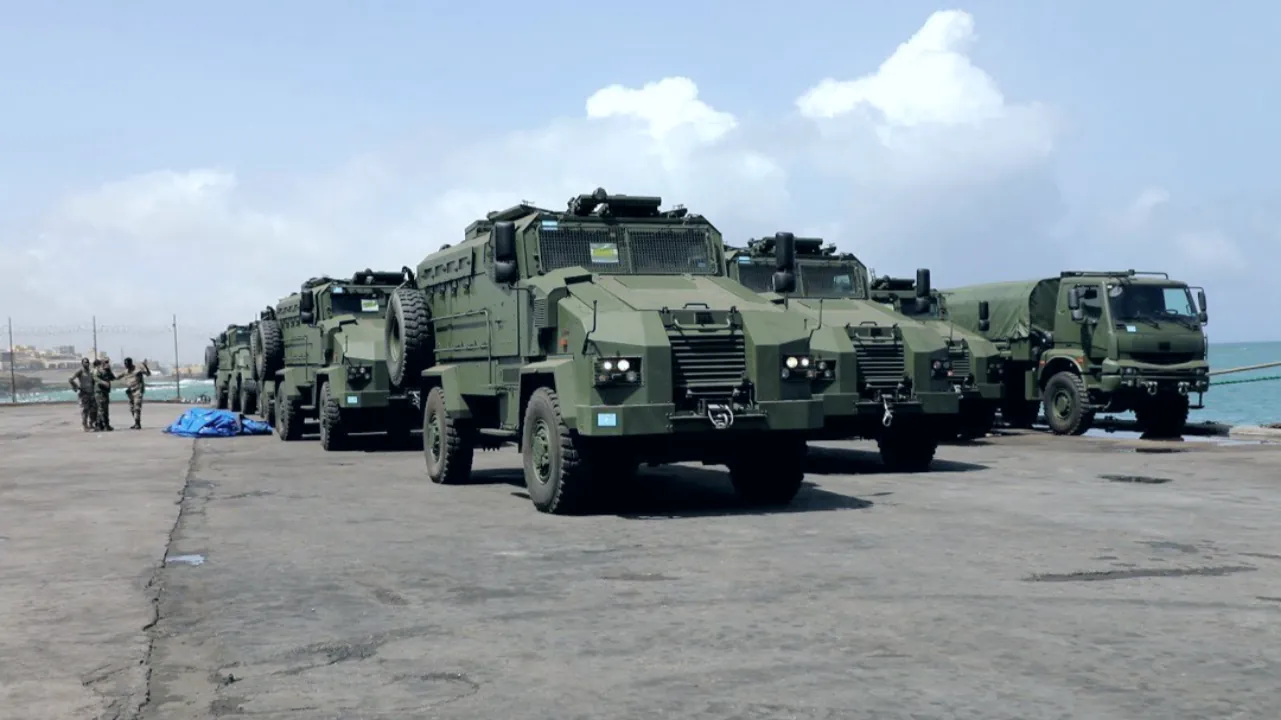
#3 — BMC Kirpi (MRAP) (Turkey) · 89.2/100
BMC Kirpi (MRAP) — Public domain
Score Breakdown — 89.2/100
Operational Success9/10
Combat Experience10/10
Technology Level8/10
Export Success9/10
Operator Count9/10
Upgrade Potential9/10
Production Status9/10
Cost-Effectiveness8/10
Battle-proven on a scale few Western MRAPs can match, the Kirpi has absorbed countless IED strikes while keeping crews alive, which is the metric that drives repeat orders. Its rugged Cummins drivetrain and high protection ceiling make it a reference MRAP.
Strong value and a deep production line have turned it into one of Turkey’s leading armored exports, widening the NATO-compatible MRAP pool.
Key Specifications
Protection
STANAG 4569 mine/IED protection, V-hull
Powerplant
Cummins diesel, ~375 hp
GVW
~20,000 kg
Crew
Up to 13 troops
Combat record
Extensive counter-insurgency service in Turkey, Syria and Africa
Export
In service with multiple Gulf, African and Asian operators
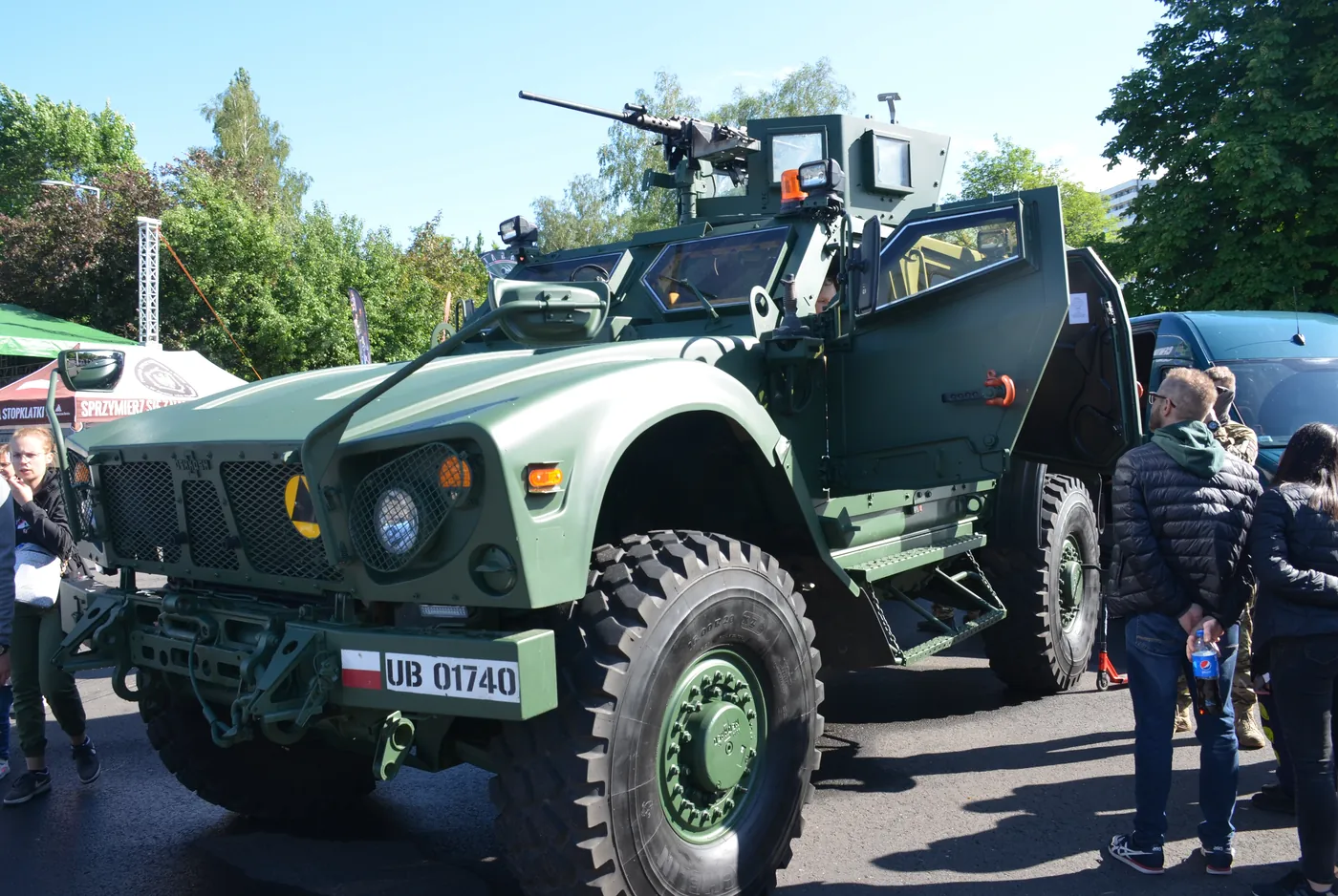
#4 — Oshkosh M-ATV (United States) · 82.8/100
Oshkosh M-ATV — CC BY-SA 4.0
Score Breakdown — 82.8/100
Operational Success9/10
Combat Experience9/10
Technology Level8/10
Export Success8/10
Operator Count8/10
Upgrade Potential8/10
Production Status9/10
Cost-Effectiveness6/10
Built to bring MRAP protection to terrain where heavier hulls bogged down, the M-ATV combined a survivable capsule with class-leading off-road agility, and rapid wartime production fielded it in huge numbers. It defined the all-terrain MRAP category.
Continued allied orders keep it relevant well beyond its Afghanistan origins, even as lighter JLTVs take over the general-purpose role.
Key Specifications
Protection
MRAP-grade hull with TAK-4 independent suspension
Weight
~14,000 kg
Powerplant
Caterpillar C7 diesel, 370 hp
Role
Off-road MRAP for rough-terrain mobility
Production
Over 9,000 built
Export
UAE, Poland, Saudi Arabia and others
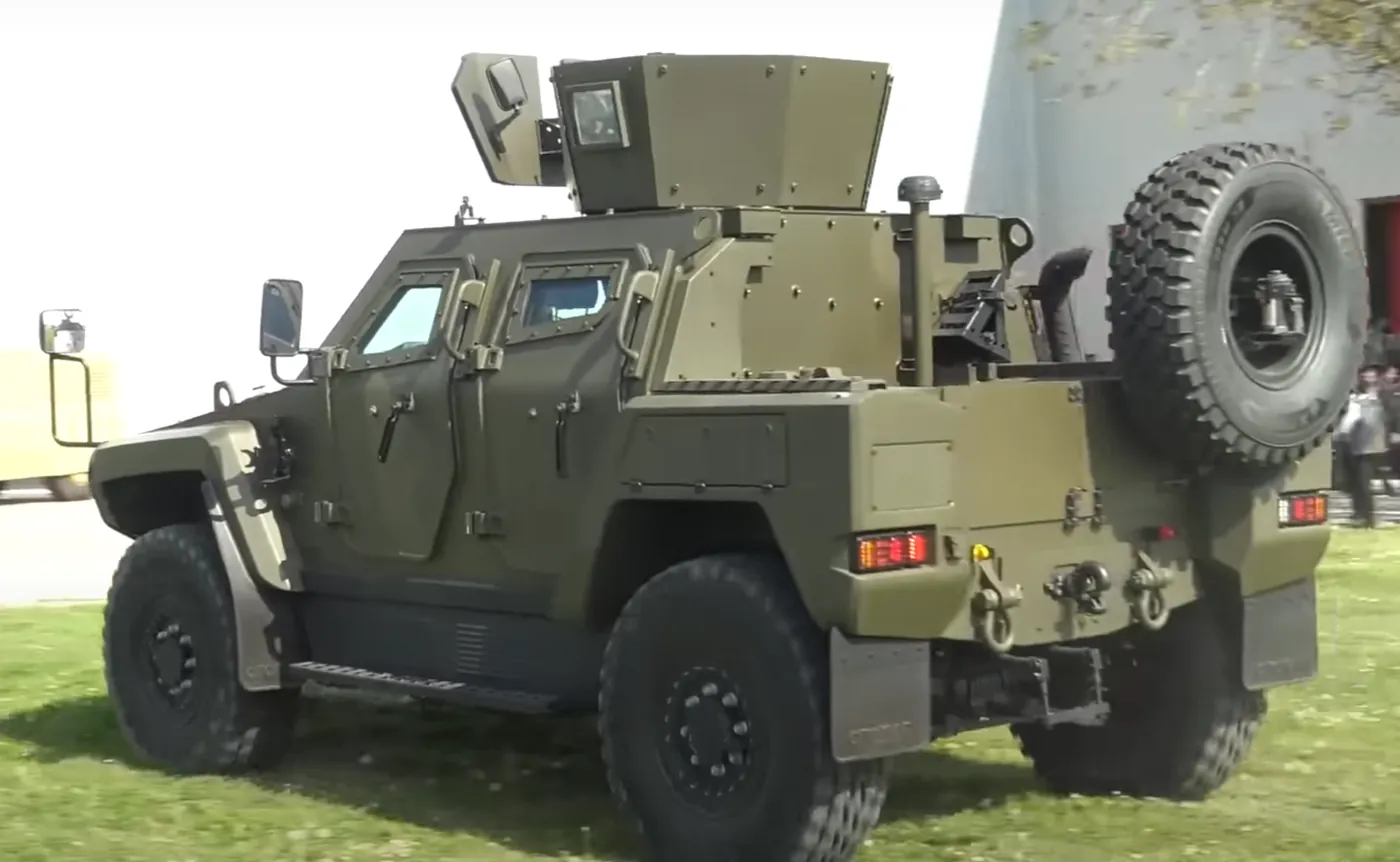
#5 — Otokar Cobra II (Turkey) · 81.2/100
Otokar Cobra II — CC BY 3.0
Score Breakdown — 81.2/100
Operational Success8/10
Combat Experience8/10
Technology Level8/10
Export Success9/10
Operator Count8/10
Upgrade Potential8/10
Production Status8/10
Cost-Effectiveness8/10
The Cobra II’s selection for Romania’s large light-vehicle program, against Western competition, marked a milestone for a NATO member buying a Turkish 4×4. Its compact monocoque hull packs protection and configurability into a deployable footprint.
A diverse user base across three continents confirms the platform’s value-driven appeal and interoperability within allied fleets.
Key Specifications
Protection
Ballistic, mine and IED protection, monocoque hull
The Eagle family pairs Swiss-engineered mobility with a flexible protection architecture, making it a staple patrol and command vehicle in several European armies. Its refined DURO chassis gives it strong cross-country endurance.
High build quality and cost keep volumes moderate, but consistent European procurement secures its place among the most respected tactical 4x4s.
Key Specifications
Protection
Modular STANAG armor, mine-protected hull
Chassis
DURO IV with DuroTronic management
Roles
Patrol, command, recon, ambulance
Users
Germany, Denmark, Switzerland
Weight
~10,000 kg class
Generation
Eagle V 4×4/6×6
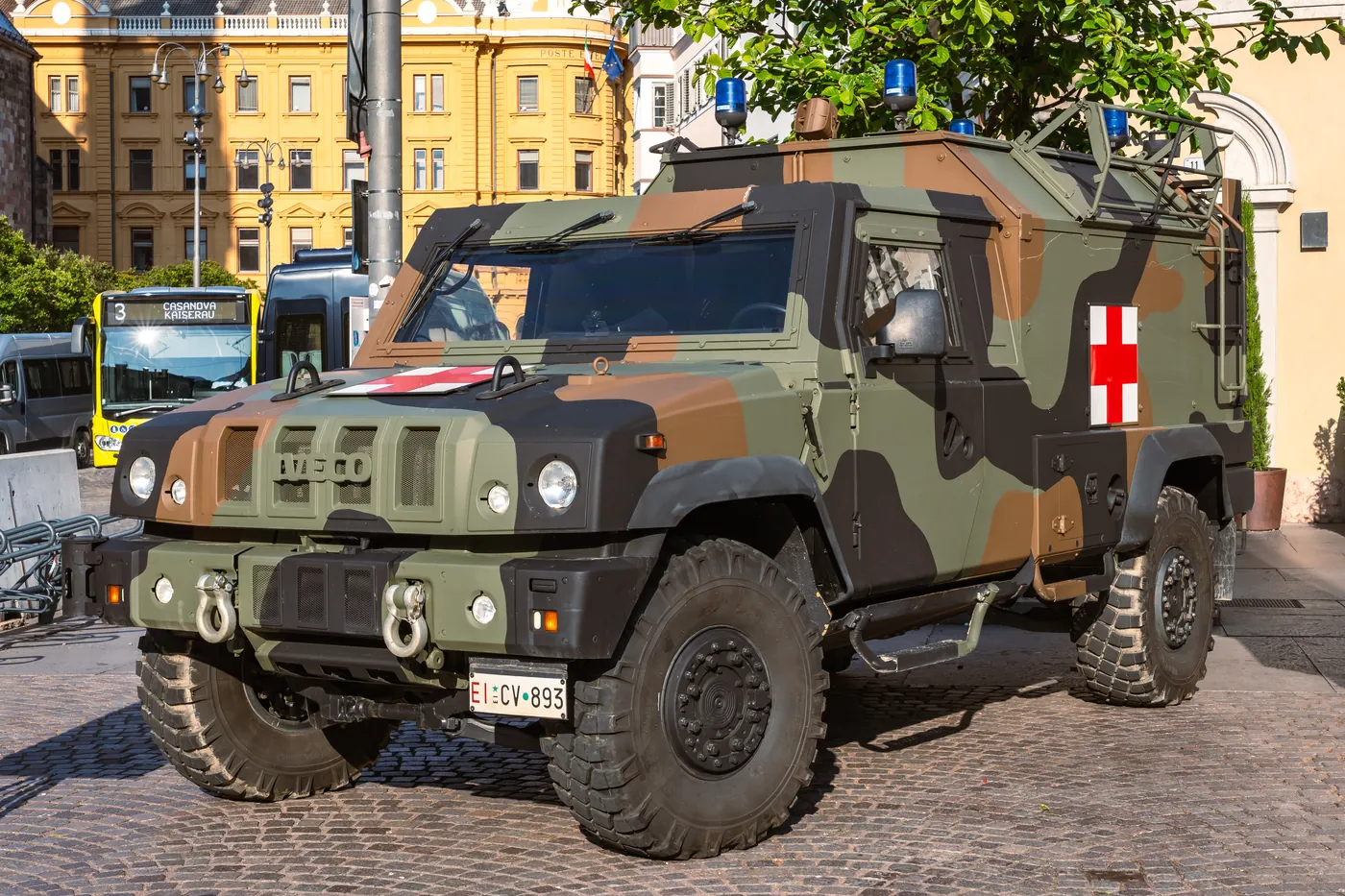
#7 — Iveco LMV (Lince) (Italy) · 76.8/100
Iveco LMV (Lince) — CC BY 4.0
Score Breakdown — 76.8/100
Operational Success8/10
Combat Experience7/10
Technology Level8/10
Export Success8/10
Operator Count9/10
Upgrade Potential7/10
Production Status8/10
Cost-Effectiveness6/10
The LMV became one of Europe’s most widely adopted light multirole vehicles, with a protected crew cell that set an early standard for the class. Its broad NATO user base and licensed production reach reinforced interoperability.
Now a maturing design, it remains a benchmark reference for compact protected mobility across allied forces.
Key Specifications
Protection
Modular armor capsule, mine protection
Role
Light multirole 4×4
Users
Italy, UK (Panther), Norway, Russia (Rys), others
Weight
~7,000 kg
Powerplant
Iveco diesel, ~185 hp
Service
Widely deployed since the late 2000s
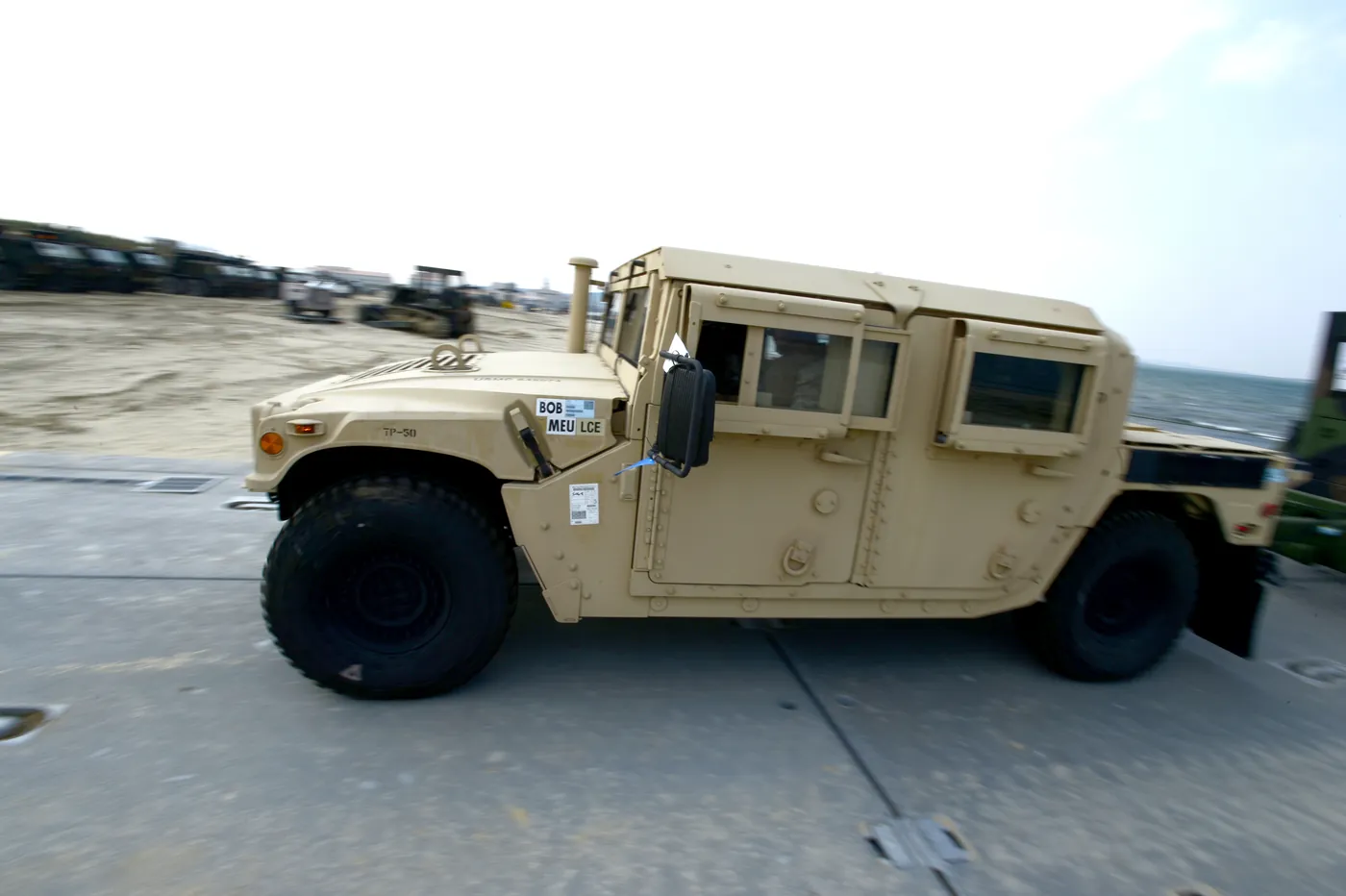
#8 — AM General HMMWV (Humvee) (United States) · 75.0/100
AM General HMMWV (Humvee) — Public domain
Score Breakdown — 75.0/100
Operational Success7/10
Combat Experience7/10
Technology Level5/10
Export Success10/10
Operator Count10/10
Upgrade Potential4/10
Production Status10/10
Cost-Effectiveness9/10
No tactical vehicle has been fielded more widely than the Humvee, whose enormous production run and global user base make it the most ubiquitous platform of its kind. Decades of upgrades kept it relevant long past its original design intent.
Its limited mine protection drove the JLTV replacement, yet the Humvee’s sheer reach and affordability secure its historical ranking.
Key Specifications
Production
Over 280,000 built since 1984
Users
Operated by more than 60 countries
Roles
Utility, weapons carrier, ambulance, C2
Powerplant
6.5 L V8 diesel
Weight
~2.6-5.5 t depending on variant
Status
Being supplemented by the JLTV in US service
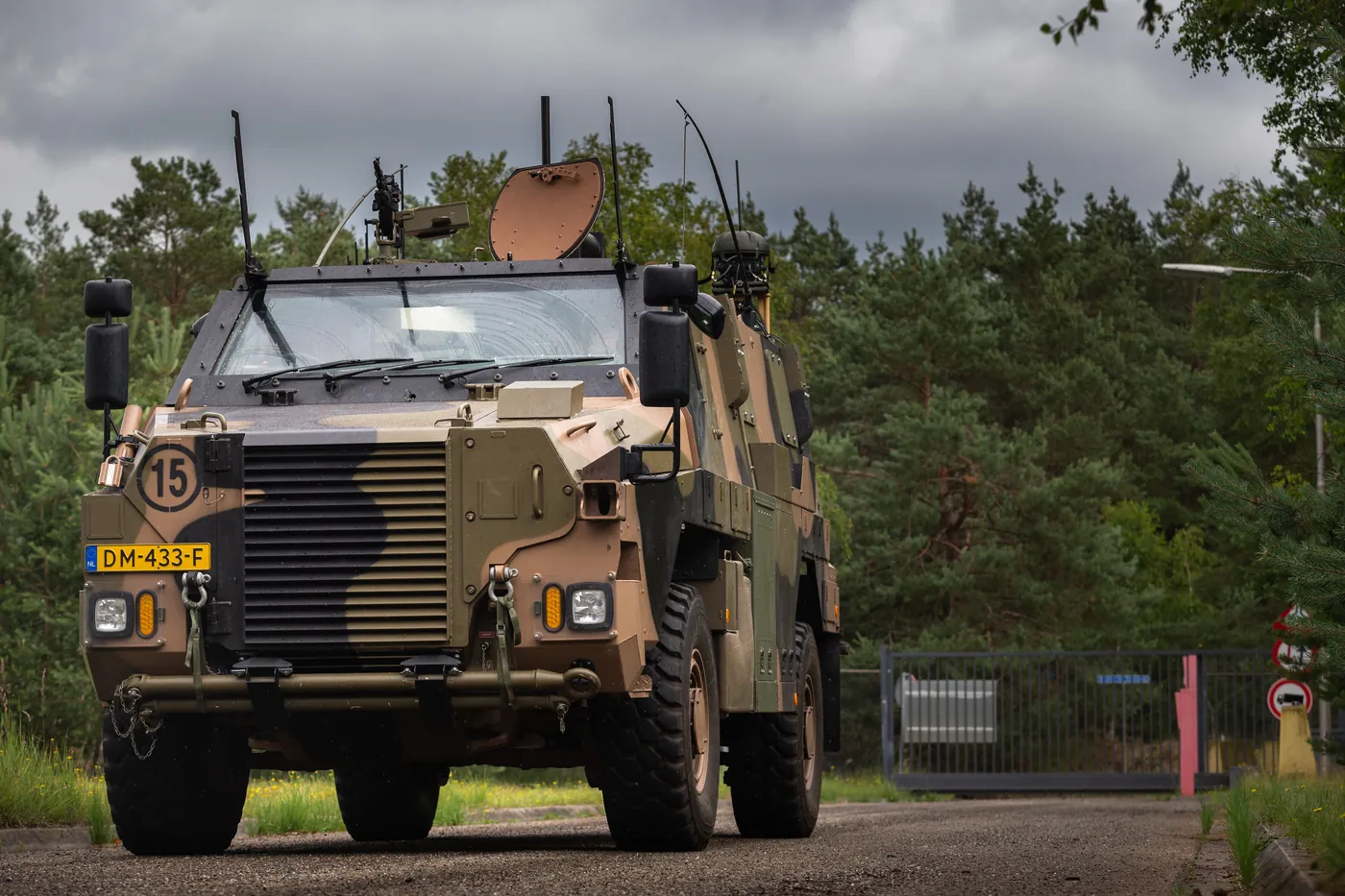
#9 — Thales Bushmaster (Australia) · 74.6/100
Thales Bushmaster — CC BY-SA 4.0
Score Breakdown — 74.6/100
Operational Success8/10
Combat Experience8/10
Technology Level7/10
Export Success7/10
Operator Count8/10
Upgrade Potential7/10
Production Status8/10
Cost-Effectiveness6/10
The Bushmaster earned a reputation for keeping occupants safe through repeated mine and IED strikes, and its long operational range suits expeditionary deployments. Wartime donations to Ukraine renewed global attention on the design.
A loyal multinational user base and proven survivability keep it among the most credible protected-mobility vehicles in service.
Key Specifications
Protection
Mine-protected monocoque hull
Capacity
Up to 9-10 troops
Range
~800 km
Combat record
Iraq, Afghanistan, donated to Ukraine
Users
Australia, Netherlands, UK, Ukraine, others
Class
Protected mobility vehicle
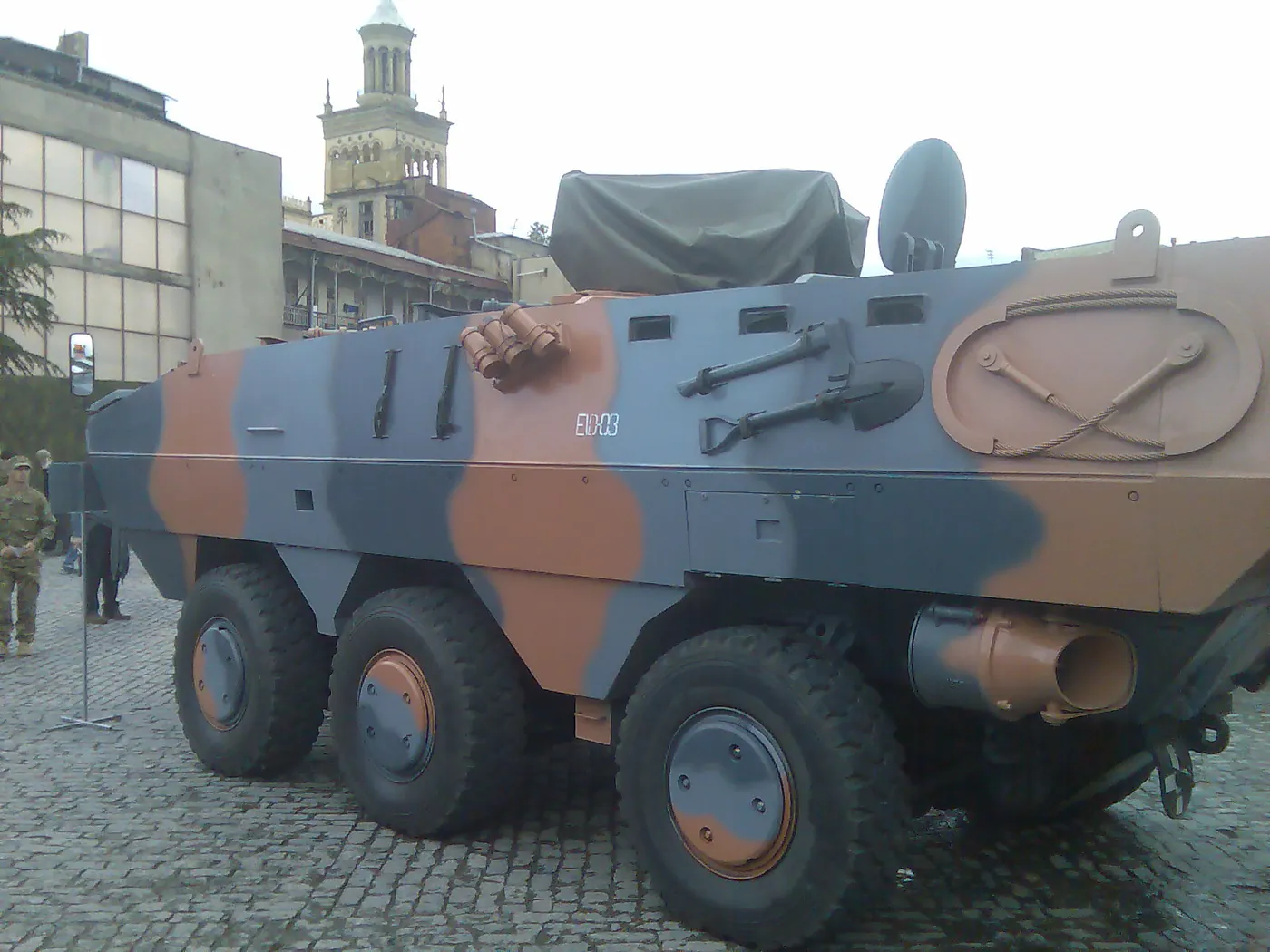
#10 — Otokar Arma 6×6 (Turkey) · 74.4/100
Score Breakdown — 74.4/100
Operational Success8/10
Combat Experience7/10
Technology Level8/10
Export Success7/10
Operator Count7/10
Upgrade Potential8/10
Production Status7/10
Cost-Effectiveness7/10
The Arma extends Turkey’s tactical-vehicle line into the multi-axle amphibious class, offering a modular hull that scales from troop carrier to 30 mm gun platform. Its swimming capability and turret flexibility broaden its mission set.
Steady international interest positions it as a competitive mid-weight wheeled platform within NATO-compatible fleets.
Key Specifications
Protection
Modular ballistic/mine protection
Mobility
Amphibious, 6×6 and 8×8 variants
Roles
APC, IFV, weapons platform
Turret options
RWS up to 30 mm and missile turrets
Weight
~22,000 kg (6×6)
Export
Bahrain and other operators
Technical Comparison Table
System
Origin
Key Spec
Score
Oshkosh JLTV (Joint Light Tactical Vehicle)
United States
Scalable armor kit, MRAP-level mine protection
91.0/100
Nurol Ejder Yalcin
Turkey
STANAG 4569 Level 3B/4A mine protection
90.4/100
BMC Kirpi (MRAP)
Turkey
STANAG 4569 mine/IED protection, V-hull
89.2/100
Oshkosh M-ATV
United States
MRAP-grade hull with TAK-4 independent suspension
82.8/100
Otokar Cobra II
Turkey
Ballistic, mine and IED protection, monocoque hull
81.2/100
General Dynamics Eagle (Eagle V)
Switzerland / Germany
Modular STANAG armor, mine-protected hull
80.2/100
Iveco LMV (Lince)
Italy
Modular armor capsule, mine protection
76.8/100
AM General HMMWV (Humvee)
United States
Over 280,000 built since 1984
75.0/100
Thales Bushmaster
Australia
Mine-protected monocoque hull
74.6/100
Otokar Arma 6×6
Turkey
Modular ballistic/mine protection
74.4/100
Operating Nations
System
Operators
Oshkosh JLTV
United States, Lithuania, Slovenia, North Macedonia, Belgium
BMC Kirpi
Turkey, Tunisia, Qatar, Pakistan, several African states
Nurol Ejder Yalcin
Turkey, Chad, Tunisia, Uzbekistan, Senegal
Otokar Cobra II
Turkey, Romania, Azerbaijan, Bangladesh
Thales Bushmaster
Australia, Netherlands, United Kingdom, Ukraine, Japan
Frequently Asked Questions
Which is the most successful tactical vehicle overall?
The Oshkosh JLTV leads because it closed the protection-mobility gap of the legacy Humvee with a modern digital and suspension architecture, and is being procured in large numbers by the US joint force and a growing list of NATO allies.
Why do Turkish vehicles rank so highly?
Platforms like the Kirpi and Ejder Yalcin combine heavy combat use with strong exports; the Kirpi’s proven IED survivability and the Ejder Yalcin’s broad mission-kit range have driven orders across the Middle East, Africa and Central Asia.
What is the difference between an MRAP and a light tactical vehicle?
MRAPs such as the Kirpi and M-ATV prioritize mine and IED survivability with V-shaped hulls and high weight, while light tactical 4x4s like the JLTV and Cobra II balance protection with deployability, payload and road speed.
Is the Humvee still relevant?
Yes, though its limited mine protection prompted the JLTV program. With over 280,000 built and more than 60 operators, the Humvee remains in widespread service and continues to receive upgrade packages.
Which vehicle offers the best export value?
The Turkish 4x4s and MRAPs are widely regarded as the strongest value, offering NATO-compatible protection and local-production options at a lower acquisition cost than most Western equivalents.